

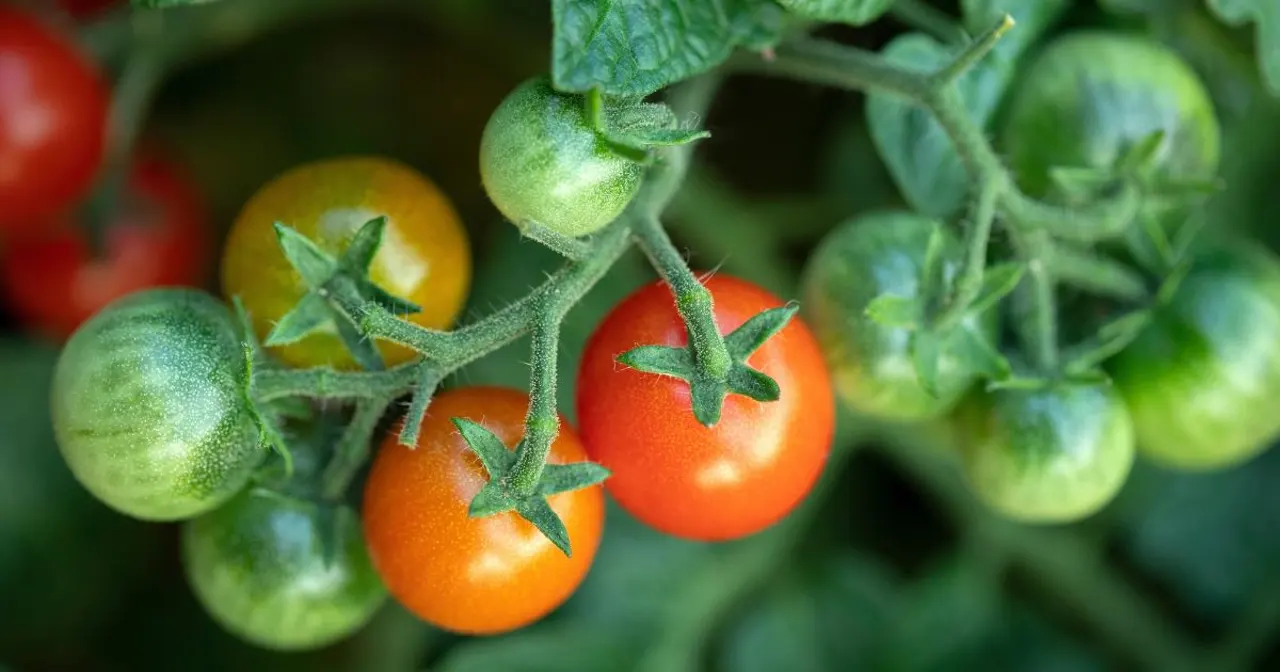
The best tomato fertiliser for summer is one higher in potassium than nitrogen, applied once plants start flowering and setting fruit, on top of a controlled release base feed. Vegetables and fruit trees follow the same logic: steady base nutrition, a targeted top-up while fruit forms, and consistent watering. In an Australian summer, feeding fails more often from water stress than from a lack of fertiliser.
Key takeaways
Switch tomatoes and other fruiting plants to a higher-potassium tomato fertiliser once flowers appear, and keep nitrogen moderate.
Sunken, rotting fruit bases signal a calcium supply problem inside the fruit, usually caused by uneven watering rather than a lack of calcium in the soil.
Water before you feed, and never feed plants that are already wilting in the heat.
Fruit trees need steady nitrogen and potassium while fruit sizes, then less as growth slows into autumn.
Rates and intervals always come from the product label.
Last reviewed: November 2026
What is the best tomato fertiliser for summer?
For summer, the best tomato fertiliser pairs a controlled release base feed with a water soluble top-up that is higher in potassium (K) than nitrogen (N). The base keeps growth steady for months. The top-up delivers potassium quickly while fruit is forming, which is when demand peaks and roots are working hardest in the heat.
Read the NPK, not the packaging
Every fertiliser label lists its analysis as N-P-K: nitrogen for leaf and stem growth, phosphorus for roots and energy, and potassium for plant vigour, disease resistance and fruit quality (NSW Department of Primary Industries and Regional Development). A product sold as tomato fertiliser is often potassium-led. Once you can read the numbers, you can feed tomatoes on analysis rather than on the picture on the bag.
How a base feed and a top-up work together
A controlled release fertiliser (CRF) releases nutrients gradually from coated granules, so plants get a steady supply without peaks and troughs. FloraCote Extra Controlled Release Fertiliser (18-3.5-9.5 + trace elements) starts releasing two to three weeks after application, then feeds steadily over the following months. That makes it a reliable base under tomatoes, vegetable beds and fruit trees.
The top-up is where you steer the plant. FloraFert Hi-K Water Soluble Fertiliser (12-0-37 + trace elements) is 100% water soluble for soil drench or foliar application, with moderate nitrogen and high potassium for plants that demand more of it. If you want the detail on how coated and organic-based products differ, see our guide to controlled release vs slow release fertiliser.
Product | Analysis (N-P-K) | Role in a summer program | When to use |
|---|---|---|---|
FloraCote Extra | 18-3.5-9.5 + TE | Controlled release base feed | At planting or early summer |
FloraFert Hi-K | 12-0-37 + TE | Tomato fertiliser top-up for fruiting | From first flowers to final fruit |
FloraFert All Rounder | 20-2-16 + 7.7% S + TE | Balanced top-up for leafy growth | Leafy greens, or pale plants before flowering |
When and how often should you fertilise tomatoes?
Fertilise tomatoes at planting with a controlled release base, then start water soluble top-ups when the first flowers open. From fruit set until the last trusses ripen, feed at the interval on your product's label. Frequency depends on product type, not the calendar: controlled release lasts months, while water soluble feeds work for a much shorter window.
Growth stage | What the plant is doing | Feeding focus | Product type |
|---|---|---|---|
Planting | Establishing roots | Gentle, balanced nutrition | Controlled release base |
Vegetative growth | Building leaf and stem | Base feed carries it | Balanced water soluble only if pale |
First flowers | Switching to fruit | Raise potassium, hold nitrogen | High-potassium top-up begins |
Fruit set and sizing | Peak nutrient and water demand | Potassium-led, steady moisture | High-potassium top-up at label interval |
Late season | Ripening the last trusses | Ease off | Stop top-ups once no new trusses form |
The most common mistake when feeding tomatoes is pushing nitrogen at flowering. It produces big, leafy plants with fewer fruit, and lush growth competes with developing fruit for calcium, which sets up the problem covered further down.
Is potash good for tomatoes?
Yes, in moderation. Potassium increases plant vigour and disease resistance, helps move sugars through the plant and can improve fruit quality, which is why tomato food is potassium-heavy. More is not better, though. Excess potassium competes with calcium uptake at the roots, so overdoing potash can make fruit problems worse rather than better.
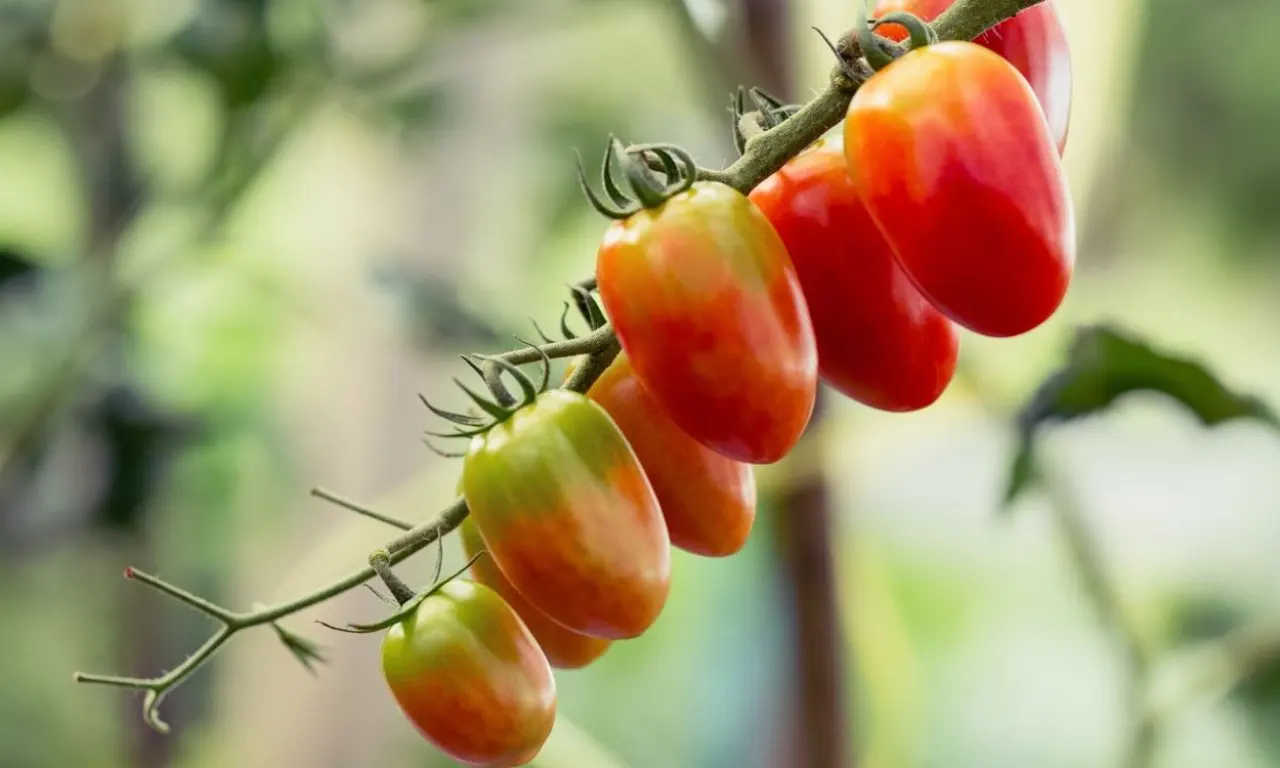
Potash simply means potassium. The NSW government soil guidance that lists those benefits also warns that heavy potassium applications can cause magnesium deficiency. You can supply it as part of a complete feed, like FloraFert Hi-K, or as a single-nutrient straight such as sulphate of potash. Straights have their place, but they make it easy to unbalance a bed, which is why our guide to choosing the right fertiliser recommends a soil test before using them.
How to use potash for tomatoes safely
The Northern Territory Department of Primary Industry's agnote on the disorder (2006) lists potassium alongside ammonium, sodium and magnesium as ions that can interfere with calcium absorption, particularly when salts build up during dry periods and then flush into the root zone (NT Department of Primary Industry, Agnote 479). Use potash for tomatoes at the label interval and no more often.
What causes blossom end rot, and does calcium for tomatoes fix it?
Blossom end rot is a calcium supply problem in the developing fruit, not an infectious disease, and it rarely means your soil is short of calcium. Uneven watering, hot dry wind, acidic soil, excess nitrogen or competing salts stop calcium reaching the fruit. Fix watering first, and only add calcium where soil is genuinely low or acidic.
Calcium cannot be stored in older leaves and moved to new growth when needed, so developing fruit relies on a constant supply carried in with water. The blossom end is the furthest point from that supply, so it misses out first (NT Department of Primary Industry, 2006). Water supply makes a measurable difference: a 1993 irrigation trial at Carnarvon, Western Australia, recorded significantly more of the disorder in fruit under low and medium irrigation than under high irrigation (Australian Journal of Experimental Agriculture, CSIRO Publishing).
Seven causes to check first
Insufficient or inconsistent water: short periods of water stress interrupt calcium flow to the fruit.
Hot, dry, windy weather: leaves lose more water and divert calcium away from the fruit.
Low soil calcium: most likely on light sandy soils.
Acidic soil: low pH reduces calcium availability.
Too much nitrogen: lush leaf growth competes with fruit for calcium.
Salt build-up: ammonium, sodium, potassium and magnesium can block uptake after a dry spell.
Waterlogging: starves roots of air and builds up ammonium.
What to do when you spot it
Remove affected fruit so the plant puts its effort into healthy fruit.
Check moisture at root depth and set a consistent watering routine, then mulch to slow evaporation.
Test soil pH with a soil pH test kit, and correct with lime or dolomite only if the soil is acidic.
Pause any high-nitrogen fertiliser for tomatoes until fruit set is back on track.
If the product label covers your plants, consider a foliar calcium for tomatoes such as FloraFert Cal-Tec 9% Ca, a chelated liquid calcium designed to reduce plant stress during hot weather.
Watch the next trusses. Once watering is consistent, new fruit should develop normally.
Not sure it is blossom end rot? The Problem Solver on our planners and calculators page helps you identify pests, diseases and weeds from symptoms.
What vegetable fertiliser works best through summer?
Match the vegetable fertiliser to what you harvest. Fruiting vegetables such as capsicum, chilli, eggplant, cucumber and zucchini follow the tomato program and switch to potassium at flowering, just as you feed tomatoes. Leafy greens want a balanced, nitrogen-leaning feed for steady leaf growth. In peak heat, every bed needs consistent moisture more than extra fertiliser.
Vegetable group | Examples | Summer feeding focus | Product match |
|---|---|---|---|
Fruiting | Tomato, capsicum, chilli, eggplant, cucumber, zucchini | Potassium-led from flowering | FloraCote Extra base plus FloraFert Hi-K |
Leafy | Lettuce, silverbeet, Asian greens, herbs | Balanced, nitrogen-leaning, little and often | FloraFert All Rounder |
Root | Carrot, beetroot | Moderate; too much nitrogen favours leaves | Base feed only |
FloraFert All Rounder Water Soluble Fertiliser (20-2-16 + 7.7% sulphur + trace elements) suits leafy beds because its balance supports leaf growth without overloading plants. For pots and grow bags, use the same base-plus-top-up approach as feeding tomatoes in beds, but check moisture daily in summer, because containers dry out far faster than garden beds. Browse the full water soluble fertiliser range to compare analyses.
How should you feed fruit trees in summer?
Feed fruit trees regularly through summer while fruit is sizing, using a fertiliser that supplies nitrogen and potassium plus trace elements, then taper off as growth slows into autumn. Water the root zone before every application, spread feed under the canopy rather than against the trunk, and never feed a tree that is already water stressed.
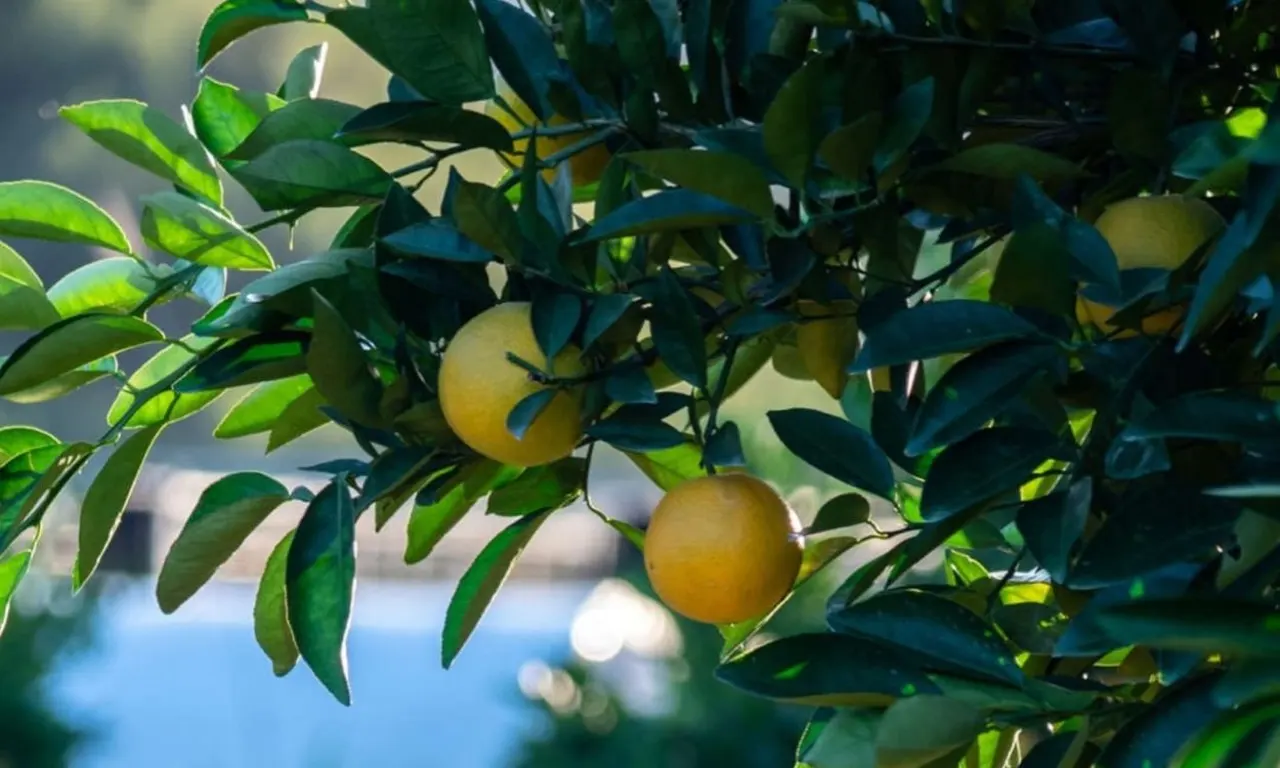
Western Australia's Department of Primary Industries and Regional Development notes that citrus need a lot of nitrogen and potassium with small amounts of phosphorus and trace elements, that trees should always be watered before fertiliser goes on, and that excessive fertiliser can burn leaves and cause leaf drop. It also notes that excessive heat causes heavy shedding of young fruit, which good watering and mulching help reduce (DPIRD, Healthy citrus, page last updated 2018).
Choosing a fruit tree fertiliser for citrus, stone fruit and tropicals
A controlled release fruit tree fertiliser like FloraCote Extra gives citrus, stone fruit and subtropical trees a steady base through the warm months. Add a high-potassium water soluble top-up while fruit is sizing, at the label interval. In Queensland, mango and avocado trees stay active for longer, so keep the base feed topped up across their full growing season according to the label.
How should you adjust summer feeding for heat and humidity?
Adjust for your climate, not just the season. In humid, storm-prone summers across south-east Queensland and northern NSW, heavy rain leaches soluble feeds and waterlogging blocks calcium uptake. In hotter, drier summers across inland NSW, the ACT and Victoria, heat and wind drive water stress. Both call for consistent moisture and regular, label-rate feeding.
Region | Summer pattern | Main feeding risk | Adjustment |
|---|---|---|---|
South-east QLD and northern NSW | Hot, humid, heavy storms | Leaching and waterlogging | Rely on a controlled release base; improve drainage in beds |
Sydney and coastal NSW | Warm with dry spells and downpours | Salt flush after dry periods | Keep watering consistent between rain events; mulch |
Inland NSW, ACT and Victoria | Hot, dry, windy | Water stress diverting calcium from fruit | Water before feeding; mulch and shade exposed beds |
Feeding in a heatwave
Do not apply tomato fertiliser or any other feed to plants that are wilting. Water deeply first, let them recover, then feed in the cool of the morning. Our Shade, Sun and Water-Stress Risk Mapping Tool, on the planners and calculators page, maps the hottest, driest parts of your yard from your address, so you know which beds need shade and extra water before the next hot spell. Victorian gardeners who want to know what is already in their soil can also send samples to EPA Victoria's GardenSafe program (free apart from postage, for Victorian residents), which screens garden soil for phosphorus and potassium as well as contaminants.
What does a simple summer feeding routine look like?
A simple summer routine is a base feed at planting, a potassium top-up from first flowers, consistent watering throughout and a weekly check of fruit. Most problems show up on the fruit first, so the weekly check tells you whether to adjust watering, feeding or soil pH before the rest of the season is affected.
Test soil pH before the main summer feed.
Apply a controlled release base feed at planting or in early summer, at the label rate.
Water deeply and consistently, and mulch beds and tree root zones.
When fruiting plants flower, start a high-potassium tomato fertiliser top-up at the label interval.
Water before every feed, and skip feeding any plant that is wilting.
Check fruit weekly for sunken bases or splitting, and adjust watering first.
Ease off top-ups as the last fruit ripens and growth slows into autumn.
Overfeeding is as damaging as underfeeding, especially in heat. Our guide to avoiding the over-fertilisation trap covers the warning signs. For label questions, every product page has Bud, our AI assistant, which answers from the product's label and safety data sheets.
Frequently asked questions
What is the best fertiliser for tomatoes in Australia?
There is no single best product, because Australian soils and summers vary. The best fertiliser for tomatoes in Australia combines a controlled release base with a potassium-led water soluble top-up from flowering, plus trace elements. Choose by the NPK on the label, test your soil pH, and keep watering consistent through summer.
How often should you feed tomatoes in summer?
It depends on the product, so follow the label. A controlled release base feeds for months from one application. Water soluble top-ups work for a shorter window and are repeated at the label interval from first flowers until the last trusses ripen. Water first, and skip feeding plants that are wilting.
What is the best tomato food for fruiting?
Look for a tomato food with more potassium than nitrogen, plus trace elements. FloraFert Hi-K (12-0-37 + TE) fits that profile and dissolves fully for soil or foliar use. Pair it with a controlled release base so nitrogen stays steady, and avoid high-nitrogen feeds once flowering starts, as they favour leaves over fruit.
Can you use the same fertiliser for tomatoes and other vegetables?
Yes for fruiting vegetables. Capsicum, chilli, eggplant, cucumber and zucchini follow the same base-plus-potassium program as tomatoes. Leafy greens are different: they need a balanced, nitrogen-leaning feed such as FloraFert All Rounder. Root vegetables need only a moderate base feed, because too much nitrogen pushes leaf growth at the expense of roots.
Should you fertilise tomatoes during a heatwave?
Not while plants are stressed. Feeding a wilting plant adds salts to a root zone that is already struggling to take up water, which raises the risk of burn and fruit problems. Water deeply first, wait for the plant to recover, then feed in the cool of the morning at the label rate.
Does adding calcium stop blossom end rot?
Only sometimes. Most cases come from uneven watering or heat stress stopping calcium reaching the fruit, not from soil lacking calcium. Fix watering first, test soil pH and lime only if the soil is acidic. A foliar calcium can help where the label covers your plants, but it will not fix a watering problem.
When should you stop fertilising fruit trees?
Taper off as growth slows in autumn, once fruit has finished sizing. Feeding late into the cooler months pushes soft new growth that will not harden before winter. Through summer, keep feeding at the label interval while fruit develops, water the root zone before each application, and spread feed under the canopy, not against the trunk.
Is liquid or slow release fertiliser better for vegetables?
Use both. A controlled release fertiliser gives a steady base that does not depend on remembering to feed. A water soluble or liquid feed lets you respond quickly, such as raising potassium when fruiting starts or perking up pale leafy greens. Together they cover steady growth and the stages when demand peaks.
Your summer harvest comes down to three things: a steady base feed, the right tomato fertiliser from first flowers, and consistent water. Set up your base with FloraCote Extra, then add FloraFert Hi-K as soon as your tomatoes start to flower.