

Ants
Formicidae
Ants build nests in lawns and garden beds, leaving unsightly mounds and disturbed soil around roots and pavers.
Ants are social insects that live in colonies, usually with an underground nest built around a queen. In gardens and lawns across Australia, dozens of species turn up, from small black house ants to larger meat ants and aggressive introduced species like fire ants and yellow crazy ants. While most are more nuisance than genuine plant pest, a few species cause real damage to turf, seedlings and structures.
Adult ants range from about 2mm to 15mm long depending on species, with a narrow waist, elbowed antennae and a body divided into head, thorax and abdomen. Colours vary from black and brown through to reddish or yellowish, and some species have a distinct shiny or hairy appearance. Winged reproductive ants (future queens and males) are larger and appear seasonally, often after rain, in swarms known as nuptial flights. The juvenile stages — eggs, legless white grub-like larvae, and pupae — are hidden inside the nest and rarely seen unless the nest is disturbed.
Nests take different forms depending on species: loose soil mounds on lawns, crumbly volcano-shaped piles around pavers and slabs, or diffuse underground galleries beneath turf that cause the surface to feel soft or spongy. Funnel ants in particular create small crater-like mounds scattered across a lawn, often mistaken for a drainage or soil problem.
Activity increases through the warmer months from spring to autumn, with nest-building and foraging most obvious after rain when soil is moist and easy to excavate. Many species are most active at dawn, dusk or overnight. Colonies can persist for years in the same general area, with satellite nests forming nearby.
Management in home gardens usually focuses on locating and treating the nest directly rather than just the ants seen foraging on the surface, since colonies can rebuild quickly if only visible workers are dealt with. Keeping garden beds and lawn edges free of leaf litter and mulch piled against structures reduces favoured nesting sites. Some species, including fire ants and yellow crazy ants, are subject to government biosecurity control programs in parts of Australia and suspected sightings should be reported to the relevant state agriculture department rather than treated at home.
How to identify
- Small to large mounds of loose, crumbly soil on lawn surfaces, in garden beds, along paths or around paving joints
- Soft, spongy or uneven turf where underground nest galleries have loosened the soil
- Trails of ants moving along paths, garden edges, up trunks or along irrigation lines, often carrying soil particles or food
- Disturbed or exposed roots around seedlings and newly planted material where ants have excavated soil
- Increased aphid, scale or mealybug numbers on nearby plants, since many ants protect these sap-sucking pests in exchange for the sweet honeydew they produce
To confirm ants are present: look for the mound entrance and disturb it gently with a stick — workers will emerge rapidly to investigate or defend the nest. Following a foraging trail back usually leads to the nest entrance.
Lookalikes: scattered soil mounds are sometimes confused with those made by earthworms, scarab beetle larvae or European wasps. Earthworm casts are typically finer and smoother rather than crumbly; wasp nest entrances are usually a single hole with heavier insect traffic and a papery nest visible if excavated. Termite mud trails can resemble ant trails but termites avoid open light and their workers look pale, soft-bodied and lack the narrow waist and elbowed antennae typical of ants.
Registered products we stock
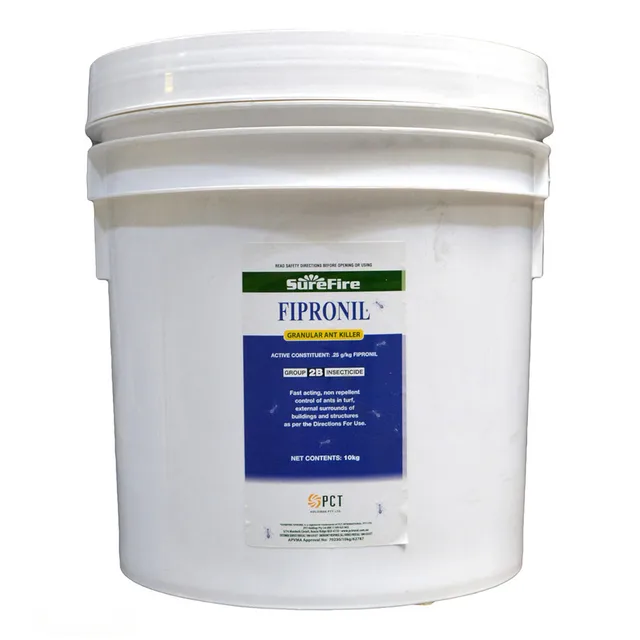
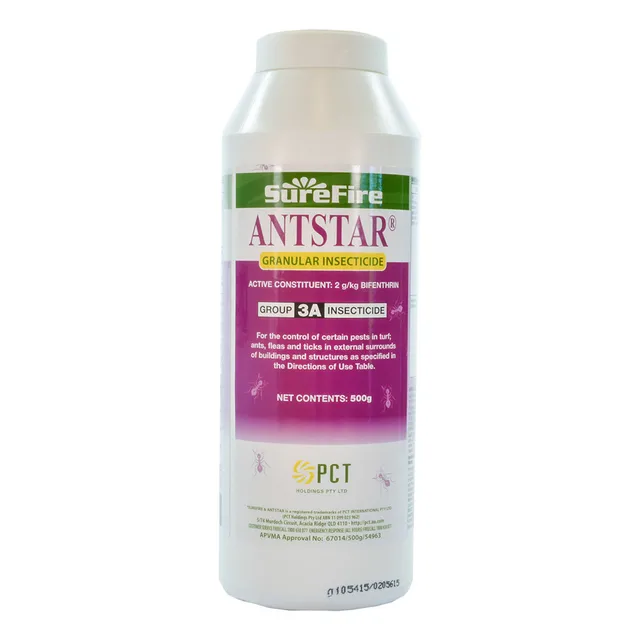
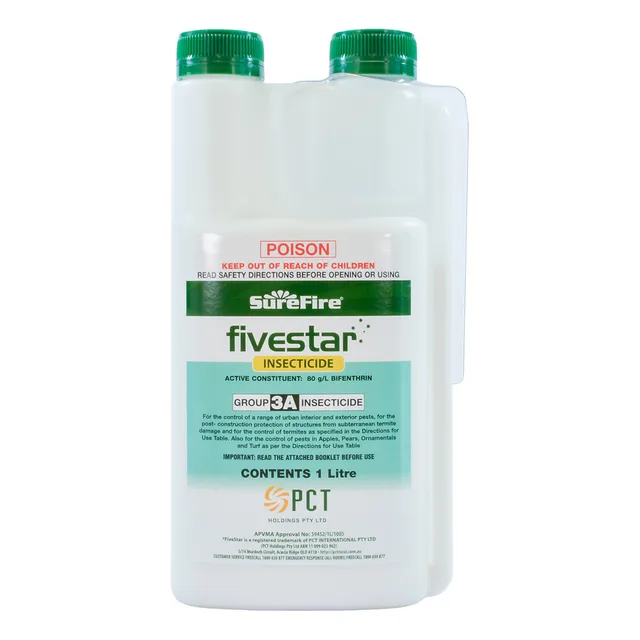
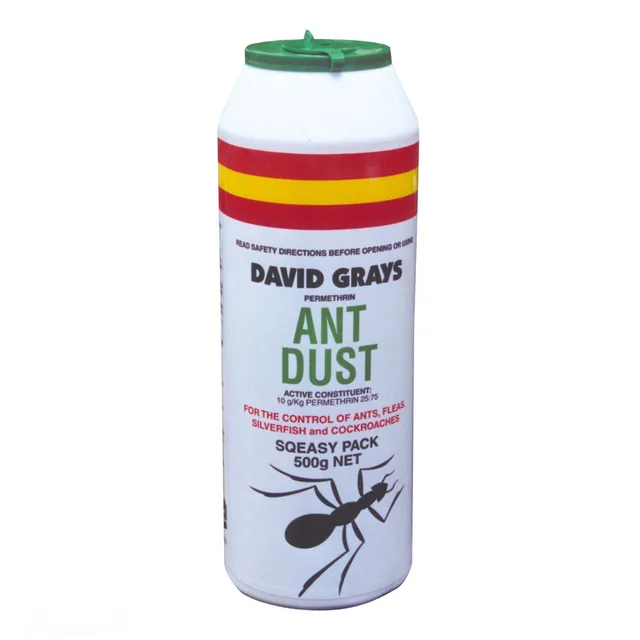
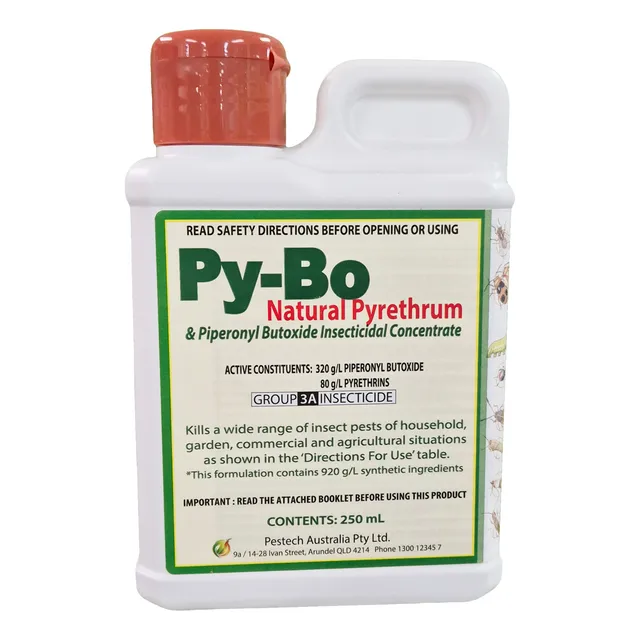
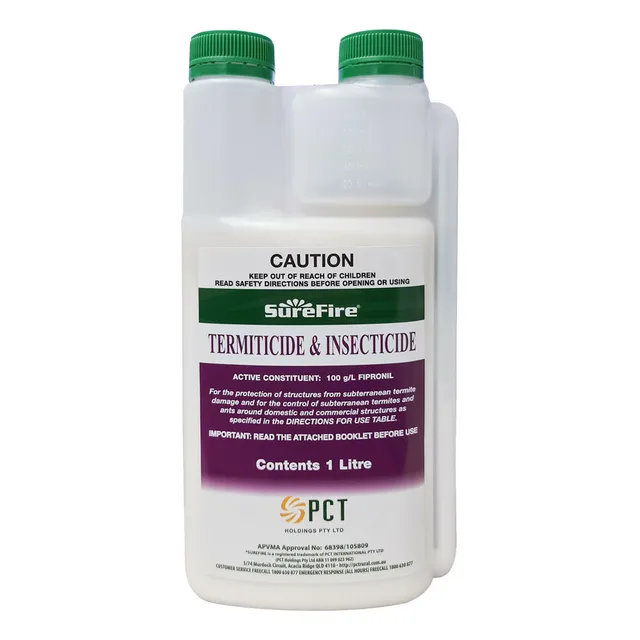
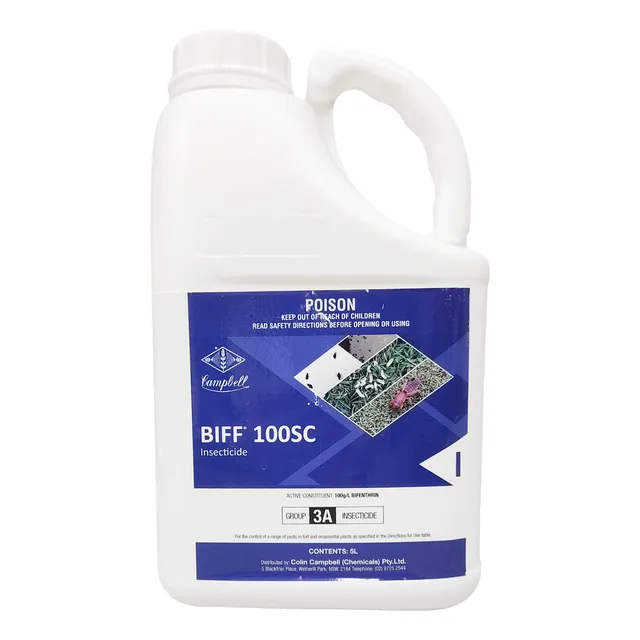
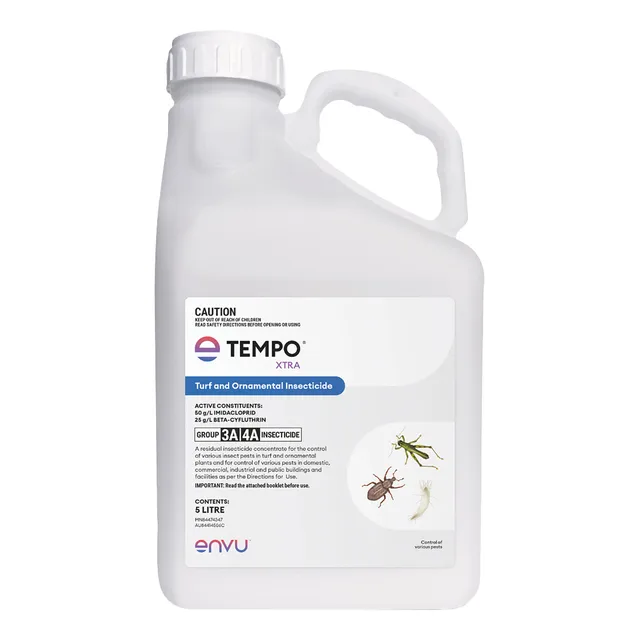

No products match those filters.