

Loopers
Chrysodeixis spp.
Loopers are caterpillars that arch their backs as they crawl, chewing ragged holes in vegetable and ornamental foliage across Australian gardens.
Loopers are the caterpillar (larval) stage of night-flying moths. The adult moth is a mottled grey-brown, medium-sized moth (around 35-40mm wingspan) with a distinctive small silvery or golden mark on each forewing. Moths are rarely noticed during the day as they rest hidden in foliage and fly at dusk and night.
The caterpillars are the damaging stage and are easy to recognise by their movement. They are pale green to yellow-green, smooth-bodied, and grow to around 30-40mm long. Because they lack the middle set of prolegs found on most caterpillars, they move with a characteristic looping or arching action, drawing their hind end up to meet their front legs. They are usually found on the underside of leaves or nestled in the growing tips, feeding on foliage, buds and sometimes fruit.
Loopers belong to the genus Chrysodeixis and are found throughout Australia, with populations building through the warmer months from spring to autumn. They attack a very wide range of plants including tomatoes, brassicas, beans, potatoes, tobacco, cotton, soybeans, sugarcane and many ornamentals, which is why they carry so many common names depending on the crop they're found on.
Numbers tend to increase quickly in warm, humid weather, and several overlapping generations can occur through a season. Regular inspection of leaf undersides and growing points allows caterpillars to be found and removed while populations are still low. Encouraging predatory and parasitic wasps, birds and other natural enemies in the garden helps keep looper numbers in check, and healthy, well-watered plants can better tolerate some leaf loss.
How to identify
- Irregular holes and ragged chewing damage in leaves, often starting at the edges and working inward
- Skeletonised leaves where only the veins remain, especially on soft new growth
- Damage to buds, flowers or developing fruit in heavier infestations
- Small dark green or black droppings (frass) on leaves or on the ground beneath affected plants
- Pale green, smooth caterpillars found on leaf undersides or in growing tips, moving with a distinctive looping, arching motion
Field check: Inspect the underside of leaves and folded growing tips in the early morning or evening when caterpillars are most active and feeding. Look for the characteristic looping crawl to confirm identification.
Lookalikes: Loopers are often confused with other leaf-eating caterpillars such as cutworms or budworms/heliothis. Cutworms are thicker-bodied, curl into a C-shape when disturbed, and usually hide in soil during the day rather than on foliage. Heliothis caterpillars vary more in colour (green, brown or striped) and move with a normal crawling action using all their prolegs, without the arching loop.
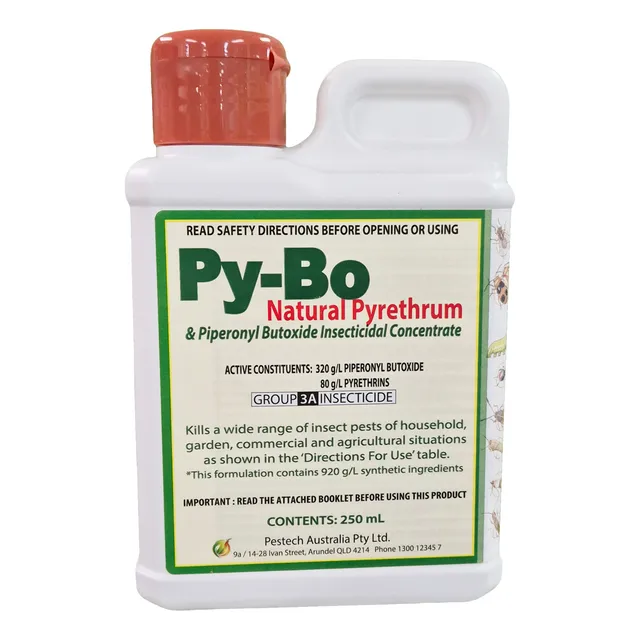
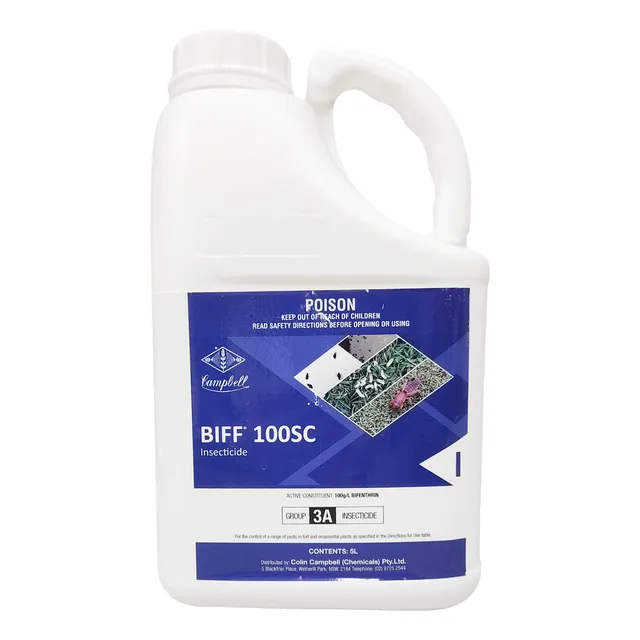
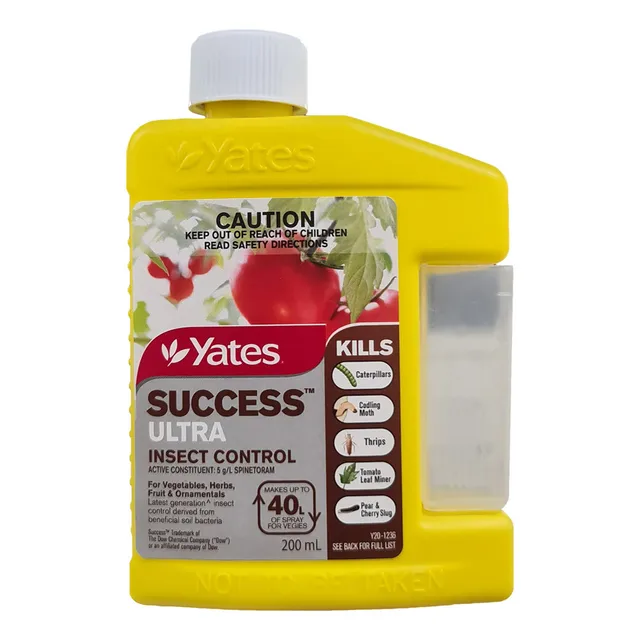
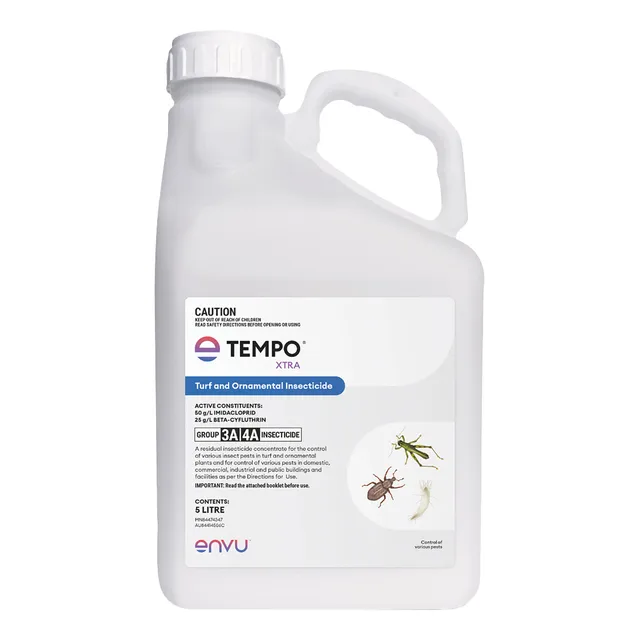
Registered products we stock
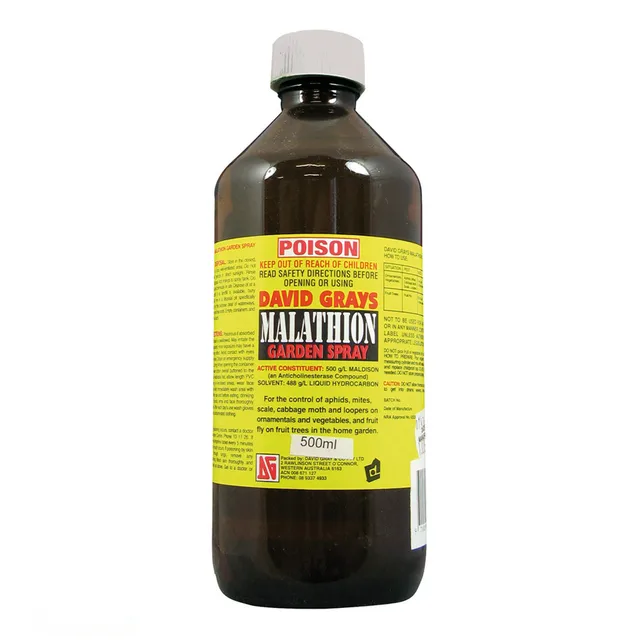
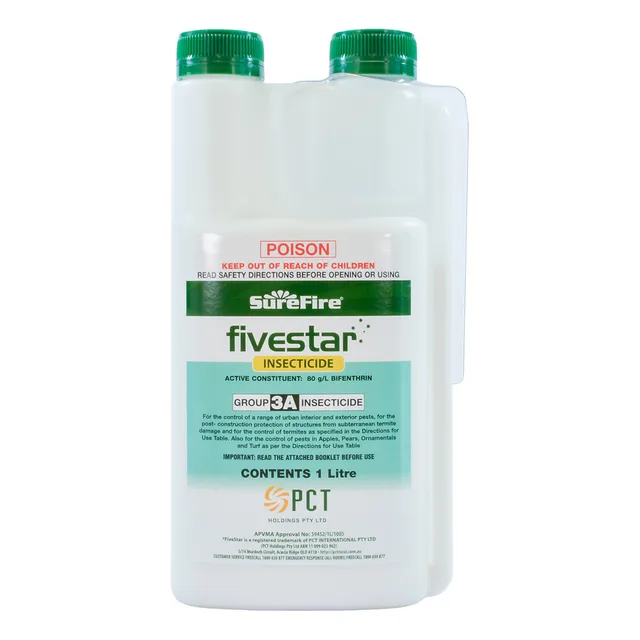
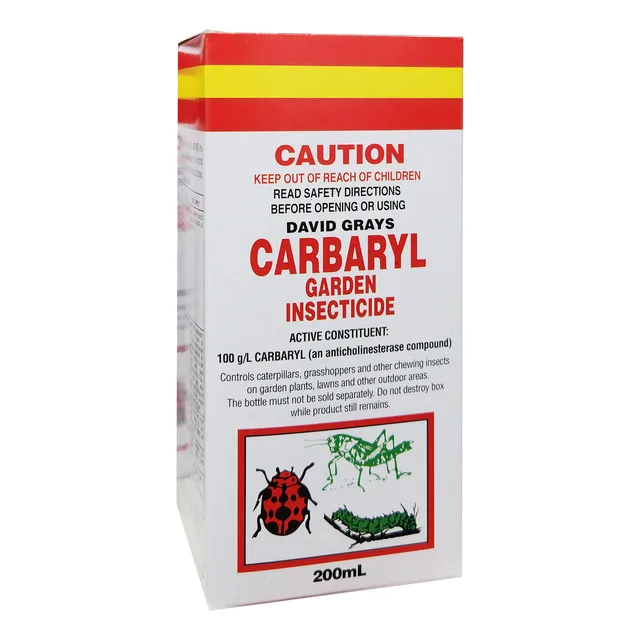
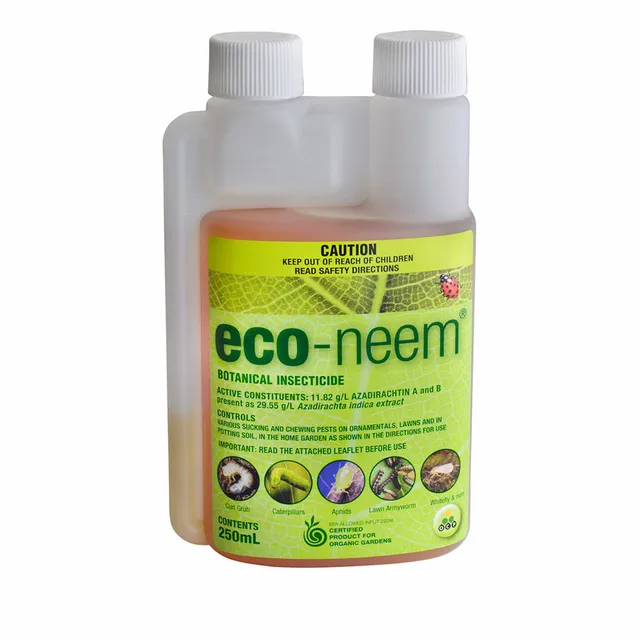
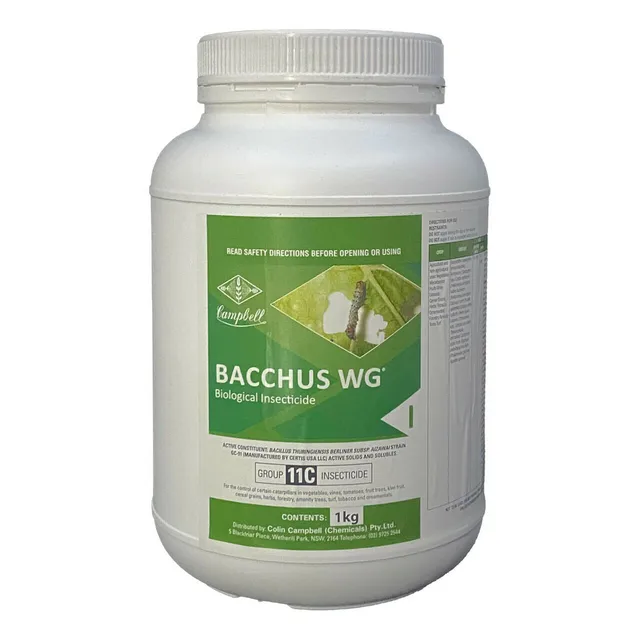
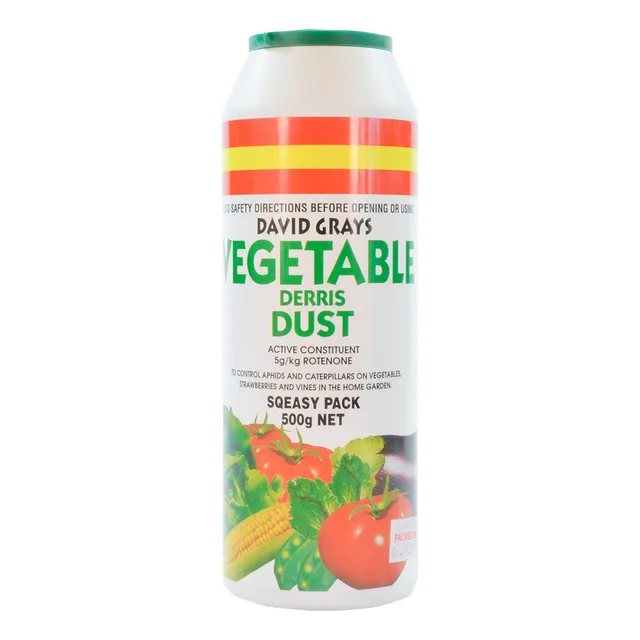
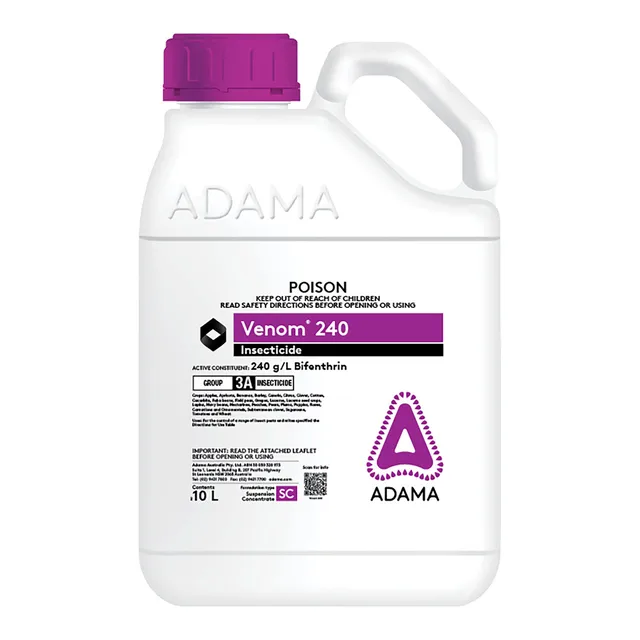
No products match those filters.