

Webworm
Hednota spp.
Webworm caterpillars chew turf grass at night and shelter in silk-lined tunnels in the thatch by day, leaving ragged brown patches.
Webworm is the common name given to several native moth species in the genus Hednota (family Crambidae), sometimes still referred to by the older name Hednota pedionoma. It is a turf and pasture pest found across most of Australia, with damage most noticeable in warmer months when larvae are actively feeding.
The adult is a slender, buff-brown to grey moth about 10-15mm long, with narrow wings that it folds tightly along its body when at rest, giving it a stick-like shape. Moths are most active at dusk and are often seen fluttering low over lawns or resting on grass blades and fences. The larva, which causes the damage, is a caterpillar up to 20-25mm long, pale grey to brown with a darker head and faint longitudinal stripes. It lives just below the thatch or soil surface inside a silk-lined tunnel mixed with chewed grass fragments and soil particles, giving affected turf a webby, matted feel when disturbed.
Eggs are laid on grass foliage and hatch into small larvae that build their silk tunnels as they grow, feeding on grass leaves and stems at night and retreating into the tunnel during the day. Depending on region and temperature, there can be several overlapping generations through spring, summer and autumn, with populations often building to damaging levels in late summer.
Management relies on regular lawn inspection during the warmer months, since damage can progress quickly once larvae are established. Keeping turf healthy through appropriate mowing height, watering and fertilising helps it recover from light feeding and reduces the visual impact of low-level infestations. Removing excess thatch also reduces the shelter available for larvae to build their tunnels.
How to identify
- Irregular brown or thinned patches in lawn, often first noticed in a dry, stressed-looking area that spreads over days to weeks
- Grass blades appear chewed or ragged at the base, sometimes cut off cleanly just above soil level
- Silk-lined tunnels visible in the thatch layer or just under the soil surface, often packed with grass clippings and soil
- Small moths flying up in numbers when the lawn is mowed or walked through, particularly at dusk
- Increased bird activity on the lawn, as birds probe for larvae near the surface
Field check: Part the grass and thatch in a damaged patch and look for the silk tunnels and caterpillars just below the surface; larvae often retreat quickly when disturbed. A soap flush (a litre of water with a few drops of dishwashing detergent poured over a suspect patch) can also bring larvae to the surface within a few minutes.
Lookalikes: Webworm damage can resemble armyworm or lawn grub (cutworm) damage, but armyworm and cutworm larvae are usually smoother, thicker-bodied caterpillars without the silk tunnels characteristic of webworm. Drought stress and some turf diseases can also cause patchy browning without any larvae present, so confirming the caterpillars or their tunnels is important before treating.
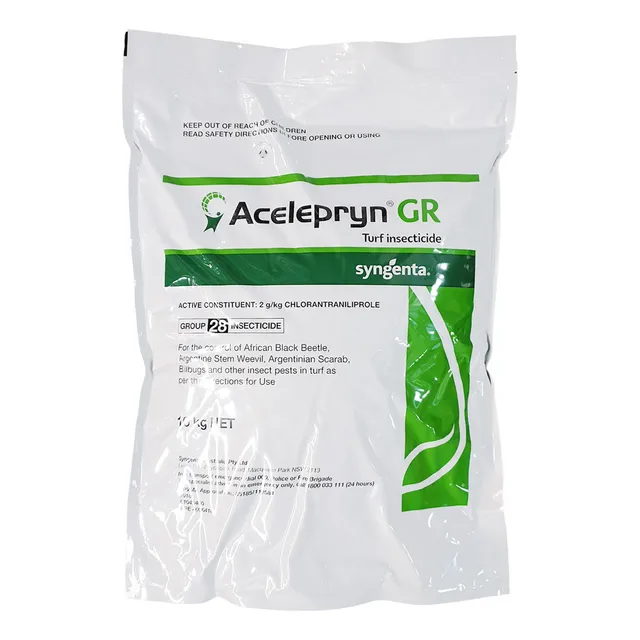
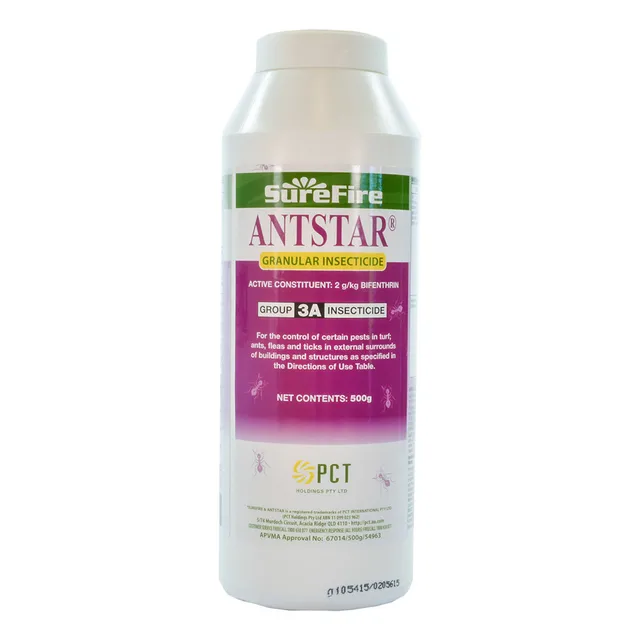
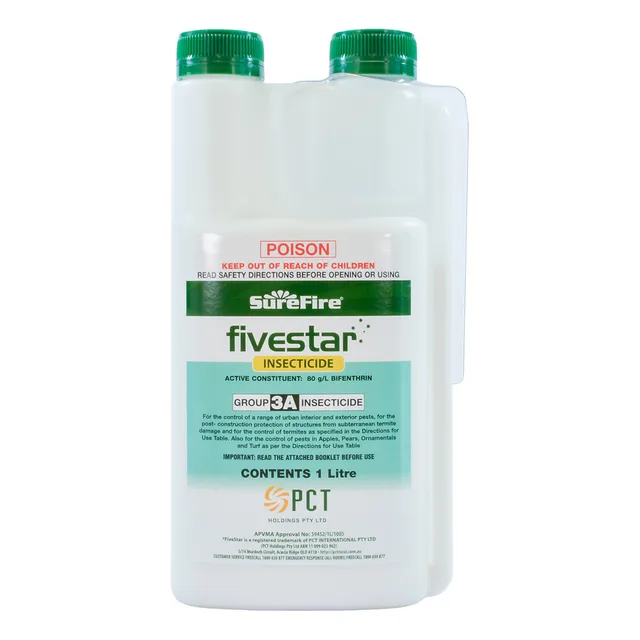
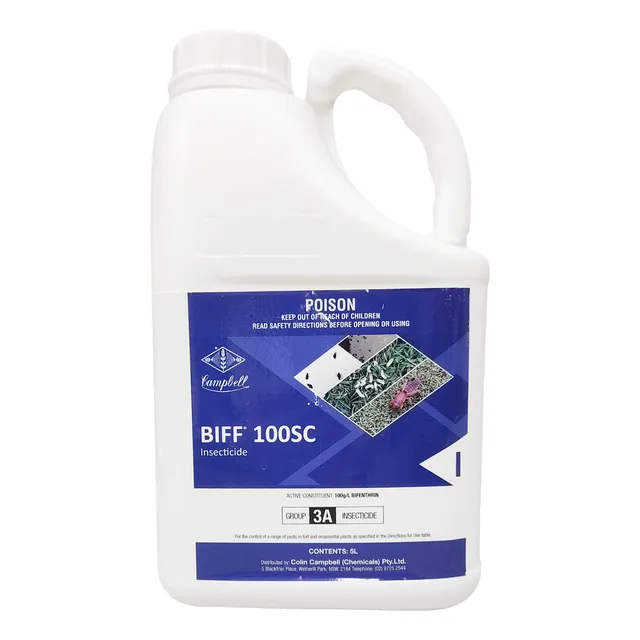
Registered products we stock

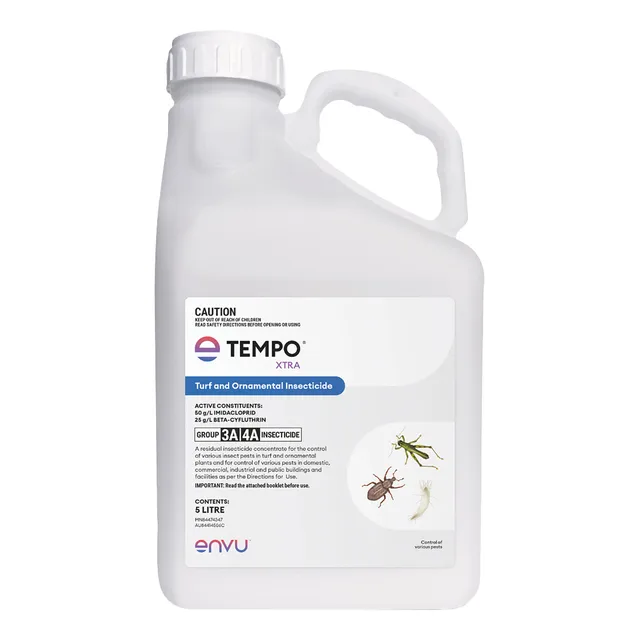
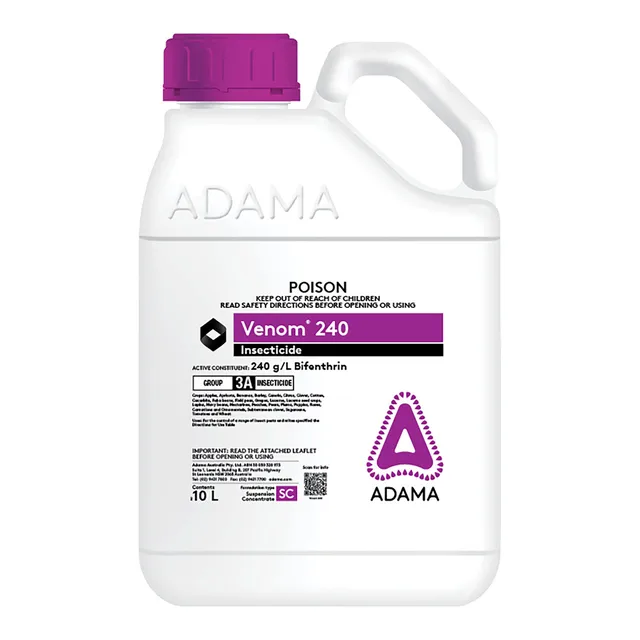
No products match those filters.