

Algae
Chlorophyta & Cyanobacteria
Algae form slimy green, black or blue-green growths on wet soil, turf, pots and hard surfaces, thriving in damp, poorly drained or compacted areas.
Algae are simple, primitive organisms, not true fungi or plants, that range from single-celled types suspended in water to filamentous forms that mat together on damp surfaces. In gardens and turf, the algae most often seen are green or blue-green (cyanobacteria) types that form a slippery film or crust. On soil and turf thatch this appears as a black, dark green or greenish-brown slimy layer that can dry to a crusty, paper-like or flaky black scale. On pots, benches, greenhouse glass and shaded pathways it shows as a green or blackish slick that is slippery underfoot. In water features and dams it may appear as free-floating green clouding (planktonic algae) or long green or brown strands (string or hair algae) that clump together.
Algae have no roots, leaves or true stems. They spread by fragmentation and by microscopic spores or cell division, multiplying rapidly whenever moisture, light and nutrients are available. There is no larval or juvenile stage as with insects; the organism simply grows and divides, so what you see at any size is the organism itself, from a barely visible green tinge through to thick mats.
Algae are common throughout Australia wherever conditions stay consistently damp. In lawns this usually means areas with poor drainage, compacted soil, heavy shade, low mowing height, or turf weakened by disease, wear or nutrient deficiency. It is most noticeable in cooler, humid months and after extended wet weather, but can appear year-round in constantly moist, shaded sites such as under trees, in poorly draining low spots or on the shaded side of paths and pots.
Management is mostly about changing the conditions that favour algae rather than treating the algae itself. Improving drainage, aerating compacted soil, increasing sunlight penetration by pruning overhanging growth, raising mowing height, avoiding overwatering, and correcting any underlying turf health or nutrition problems all help reduce recurrence. Physical removal (raking out mats, scrubbing hard surfaces) combined with these cultural changes gives the most lasting control.
How to identify
- Slimy or crusty growth: a green, black, brown or blue-green slick on soil, turf, pots, pavers, greenhouse glass or pond surfaces, slippery when wet and often flaking into a thin black crust when dried out.
- Turf thinning: patches of weak, thin or bare turf in shaded, low-lying or compacted areas where algae has formed a mat over the soil surface, smothering grass seedlings and shoots.
- Water discolouration: green cloudiness (planktonic algae) or floating green-brown strands (string/hair algae) in ponds, tanks or water features, sometimes with an earthy or musty smell.
- Field check: scrape or peel back the affected surface layer; algae has no fibrous structure and smears as a slimy film, whereas moss (a common lookalike) has small leafy or thread-like green structures that stay intact when lifted, and true fungal growths (such as slime moulds) usually appear as a distinct, often brightly coloured mass rather than a flat slick.
- Conditions check: look for poor drainage, compaction, shade, low airflow or recent wet weather in the affected spot — these consistently accompany algae outbreaks and help distinguish it from disease patches, which tend to follow a more defined lesion or ring pattern.
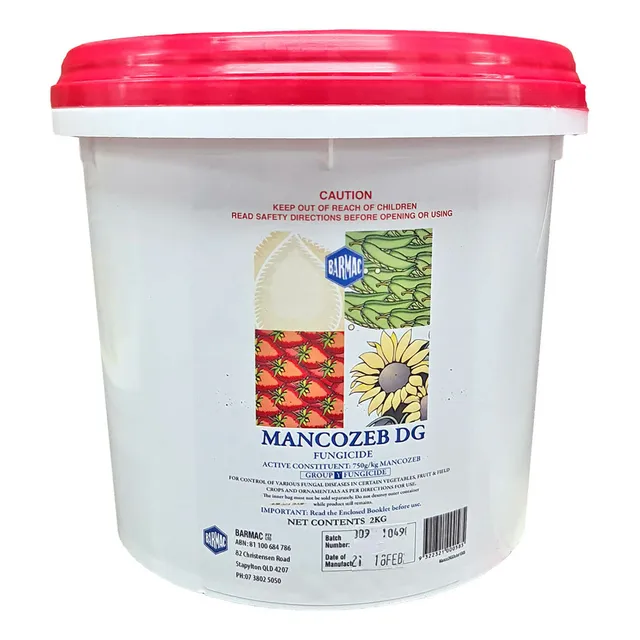
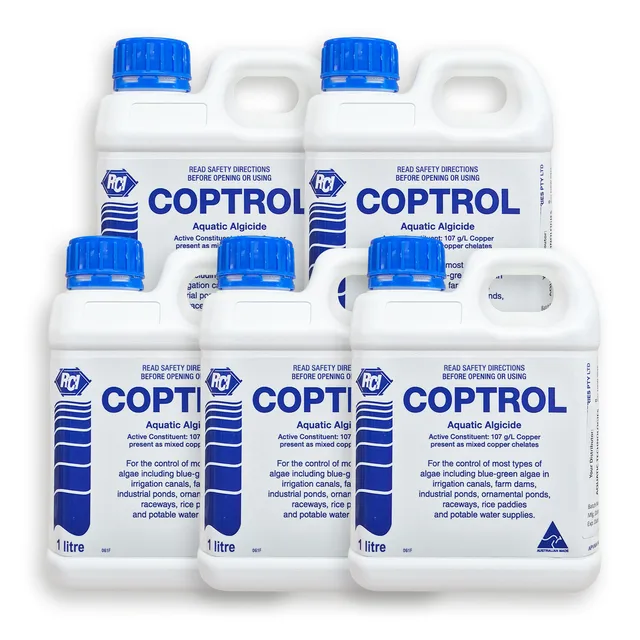
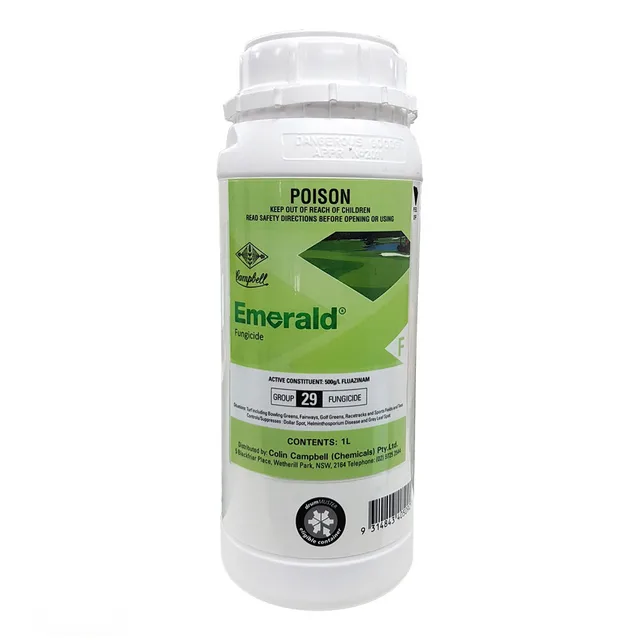
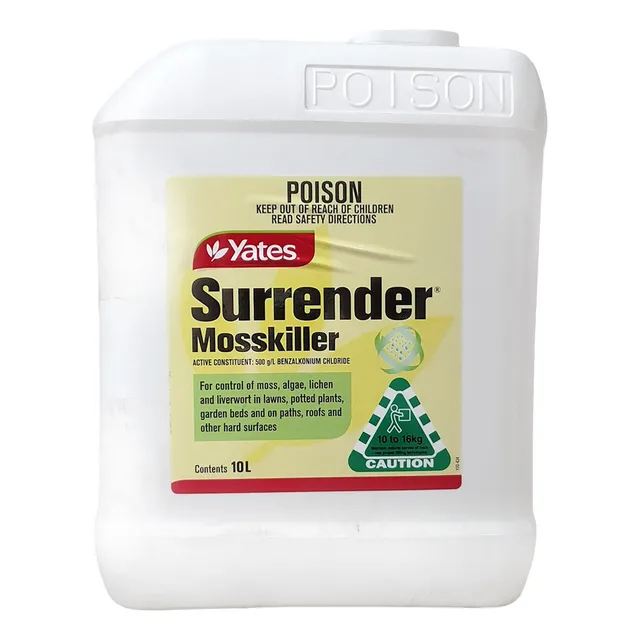
Registered products we stock
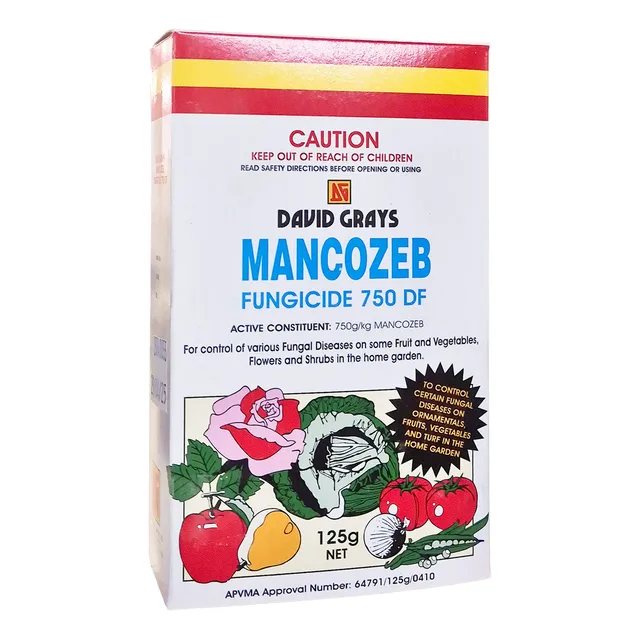
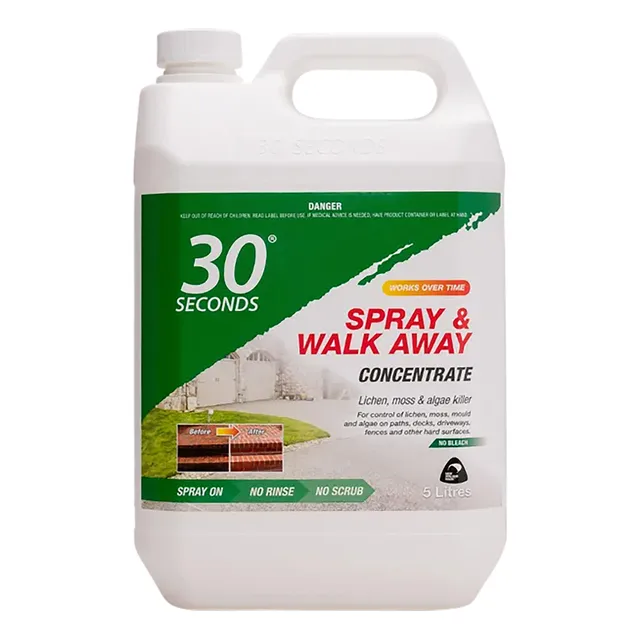
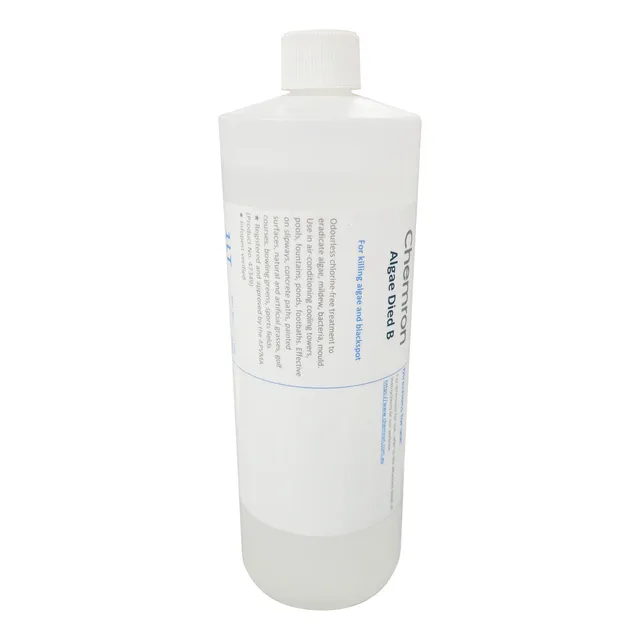
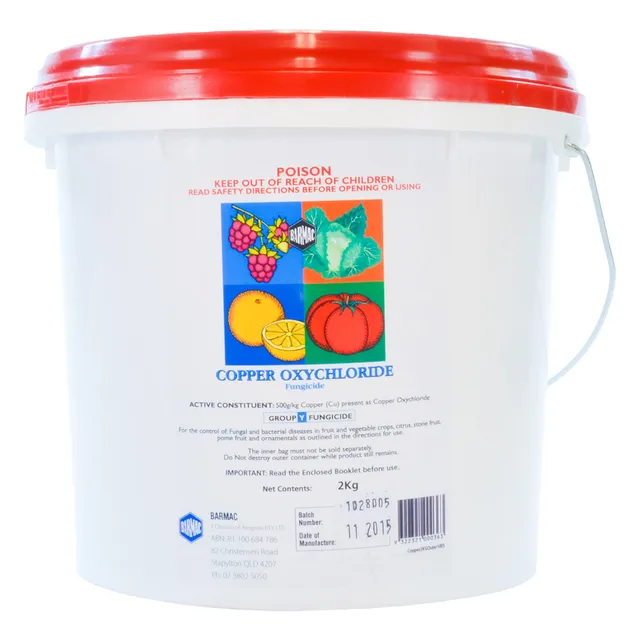
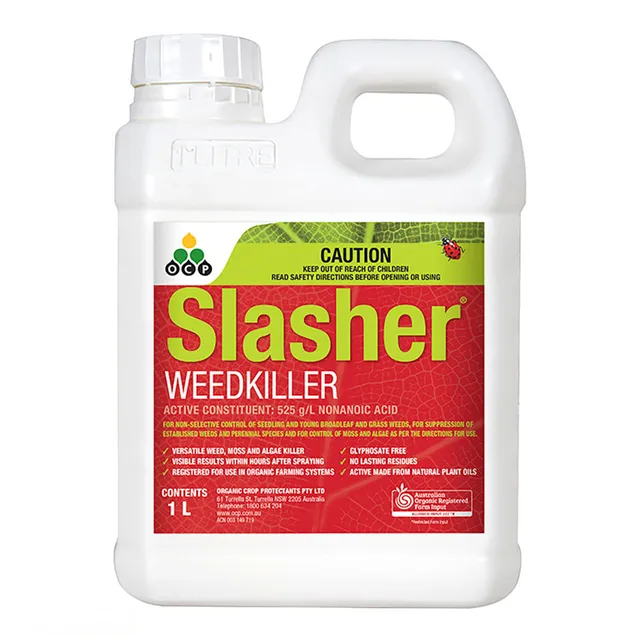
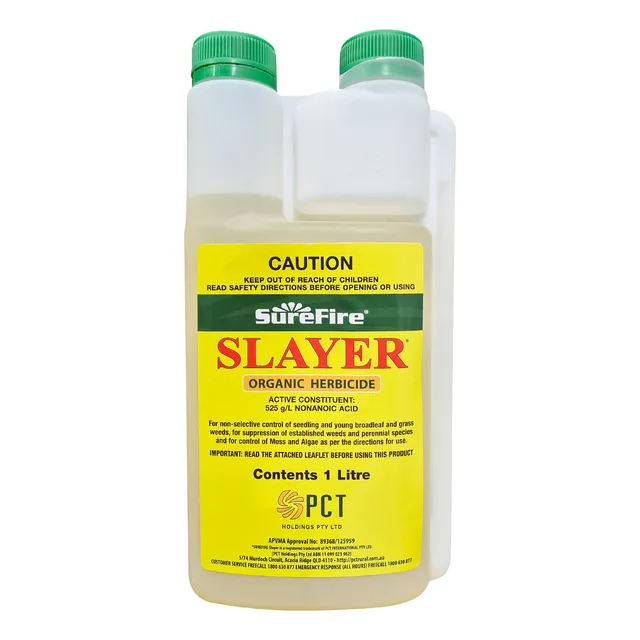
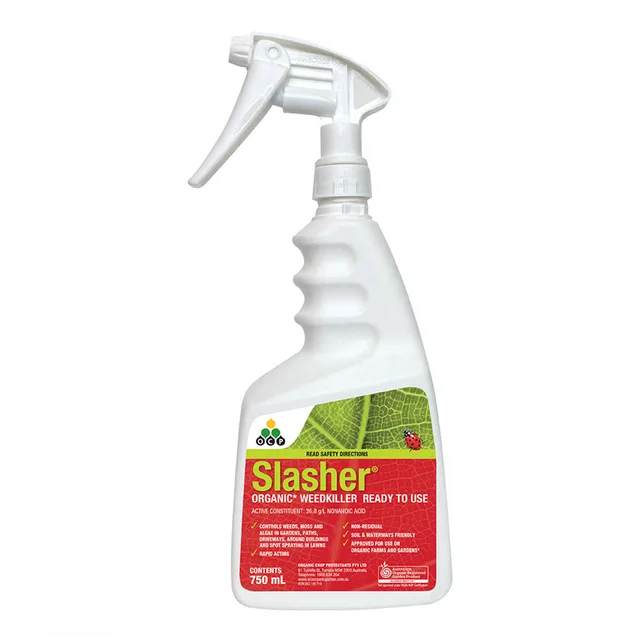
No products match those filters.