

Billbug
Sphenophorus spp.
Billbugs are turf weevils whose larvae chew through grass stems and roots, causing patches that look like drought or grub damage.
Billbugs are a type of weevil (snout beetle) that attack turf grasses, with the larval stage doing almost all the damage. Adults are hard-shelled beetles around 8-12mm long, dark brown to black or grey, with the characteristic long curved snout typical of weevils. They move slowly, often seen walking across paths and driveways in warmer months, and will feign death if disturbed.
The larvae are legless grubs, creamy white with a distinct brown or tan head capsule, growing from a few millimetres up to around 10-12mm as they mature. They are C-shaped to slightly curved rather than tightly curled like scarab grubs, and are found feeding inside grass stems when small, then moving into the thatch and soil around the crown and roots as they grow larger.
In Australian turf situations billbugs are most active in warmer months, with adults laying eggs into grass stems in spring and early summer. Larvae feed through summer, causing the most visible damage in late summer to autumn as populations build and food sources are exhausted. They can affect couch, kikuyu and other warm-season turf species, with damage often more noticeable in stressed or drought-affected lawns.
Management relies on regular monitoring during the active season, since damage can resemble other stresses and is easy to misdiagnose. Maintaining healthy, well-irrigated turf reduces the plant's vulnerability, and removing thatch build-up limits favourable habitat for larvae. Where populations are confirmed, control measures are generally most effective when targeted at young larvae before they move deeper into the root zone.
How to identify
- Irregular patches of yellowing or browning turf that don't green up with watering, often starting small and expanding over weeks
- Affected grass pulls away easily from the soil because stems have been hollowed out or severed at the base
- Sawdust-like frass (fine, sandy-textured excrement) may be visible near damaged stems or in the thatch layer
- Turf feels spongy or thin underfoot in affected areas, with weakened root systems
- Damage often worsens through late summer and autumn as larvae mature
To confirm billbug presence: cut a section of turf at the edge of a damaged patch and peel back the sod to inspect the thatch and top few centimetres of soil. Look for creamy white, legless grubs with brown heads. Pulling on individual grass stems in affected areas can also reveal hollowed sections where larvae have been feeding inside.
Lookalikes: billbug damage is commonly confused with African black beetle or scarab grub damage, and with drought stress. Scarab grubs are C-shaped and curl tightly into a ring when disturbed, with a soft, plump body and no distinct hollowing of stems - billbug larvae are more slender, less curled, and are typically found associated with chewed-out stem tissue rather than just root pruning. A simple soap flush (mixing a small amount of dishwashing liquid in a bucket of water and pouring over a suspect area) can help bring surface-active insects up, though it's more reliable for surface pests like sod webworm than for billbug larvae, which tend to stay within stems and thatch.
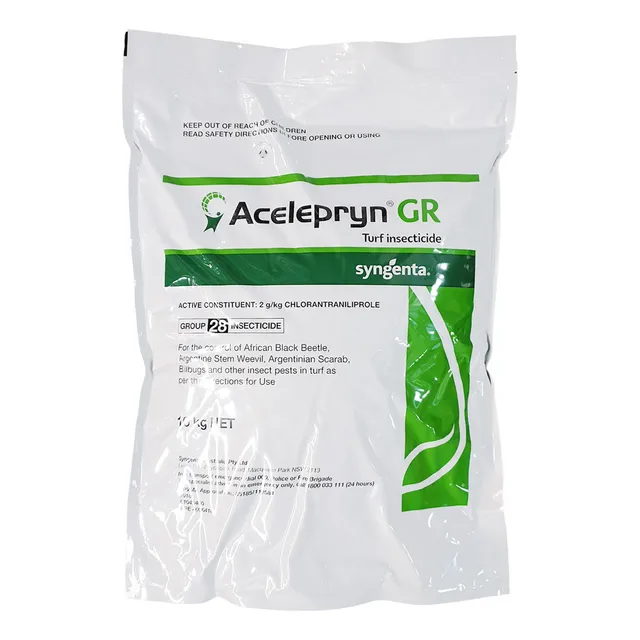
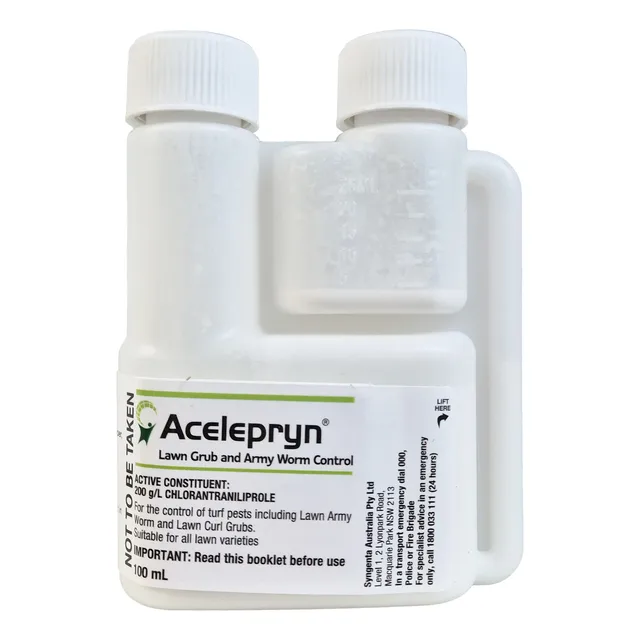
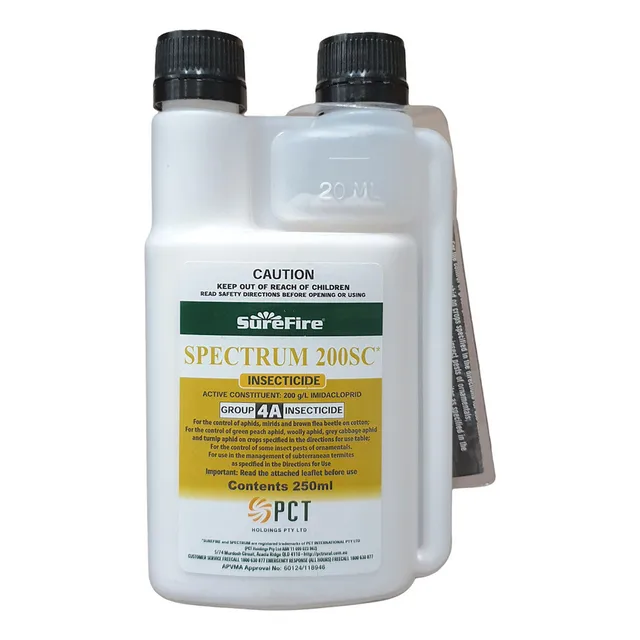
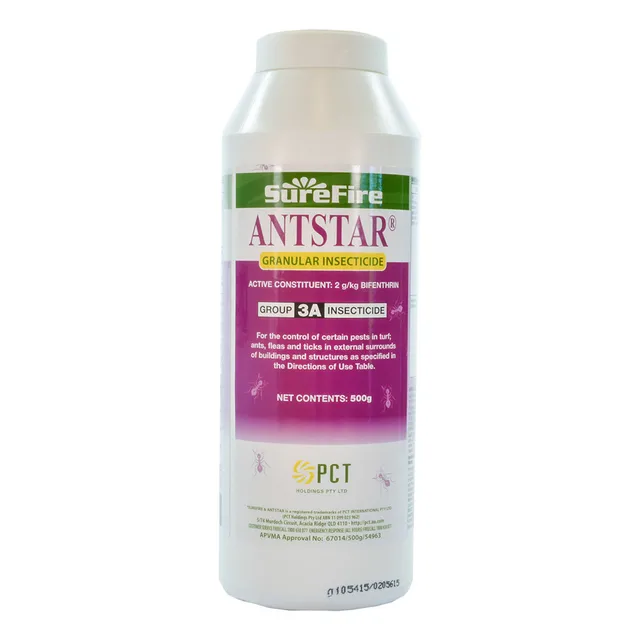
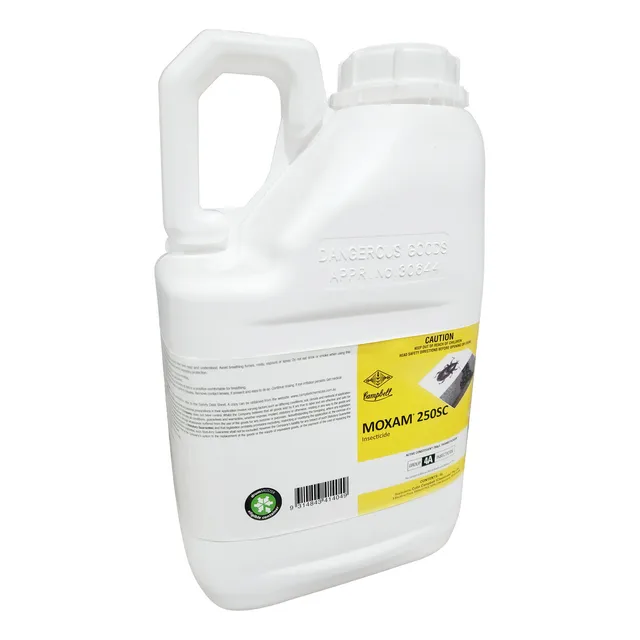
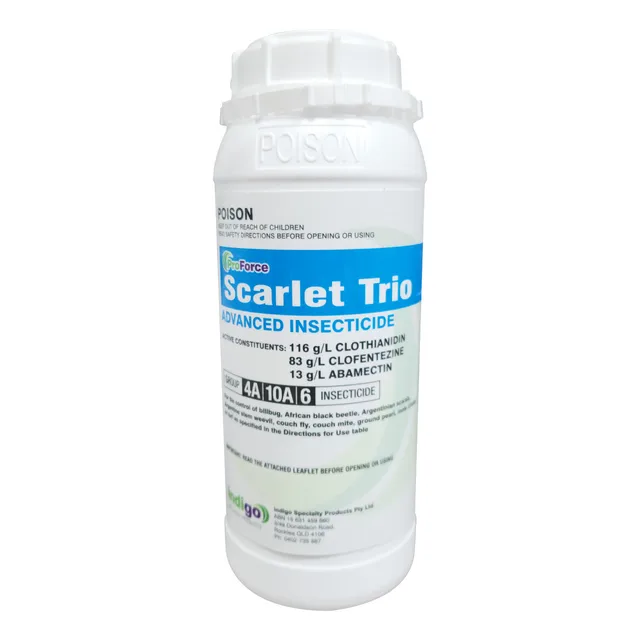
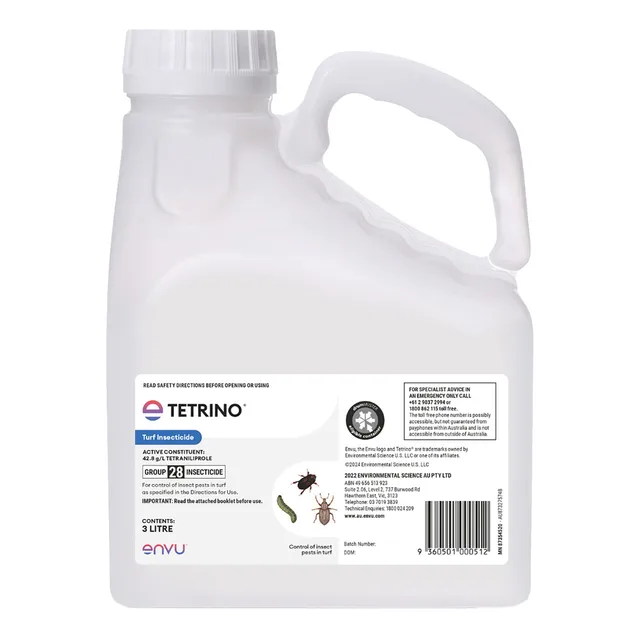
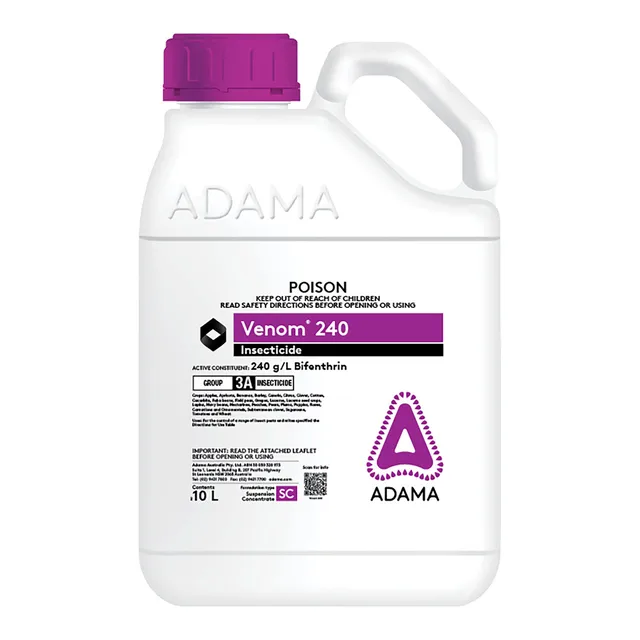
Registered products we stock
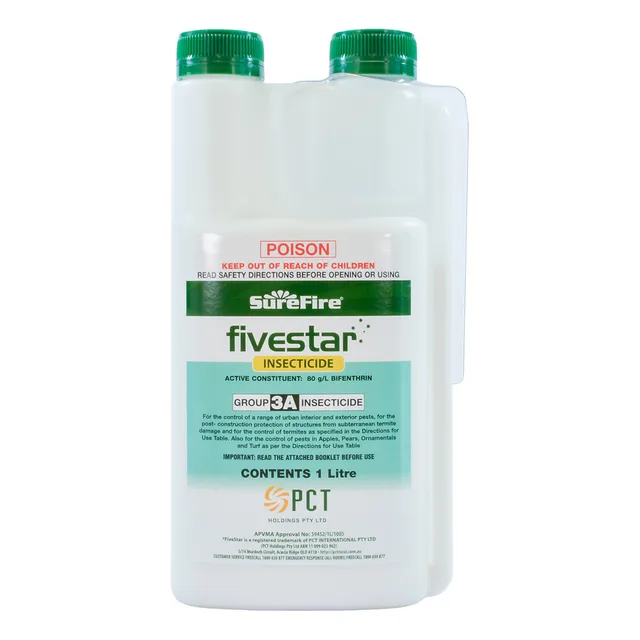
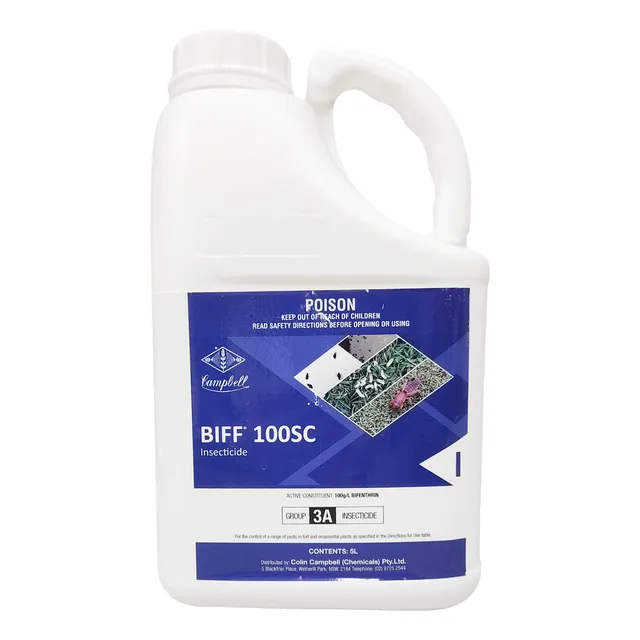
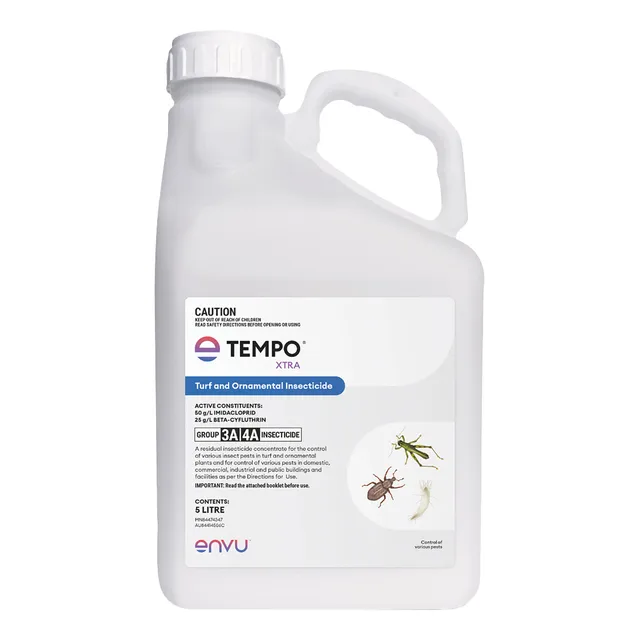
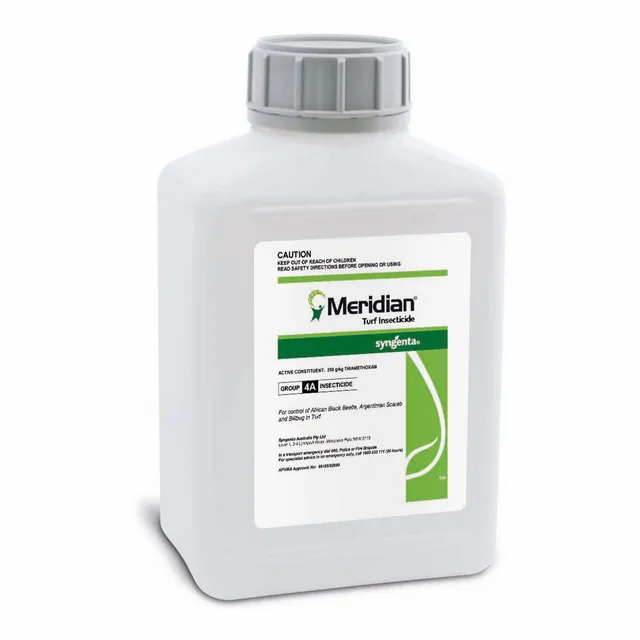

No products match those filters.