

Cat's Ear
Hypochoeris radicata
Cat's ear is a rosette-forming lawn weed with dandelion-like yellow flowers that thrives in thin, low-fertility turf.
Cat's ear, also called flatweed, is a low-growing perennial broadleaf weed that forms a flat rosette of leaves hard against the ground. The leaves are lance-shaped, lobed or toothed along the edges, covered in coarse hairs, and dull green in colour. From the centre of the rosette, one or more branched, wiry flower stems rise 15–50cm high, each ending in a bright yellow, daisy-like flower roughly 2–3cm across. Unlike a true dandelion, the flower stems are branched and slightly hairy rather than smooth and hollow. Below ground it has a thick, tapering taproot that allows it to survive mowing and dry spells and regrow readily if the root is not removed.
It is a very common weed of Australian lawns, pastures and roadsides, found in every state, and is especially persistent in home lawns because it sits below the mower blade height and is rarely cut off.
Cat's ear seeds year-round in mild climates but flowers most heavily from spring through to autumn. Seeds are wind-dispersed on a fluffy parachute similar to a dandelion's, allowing it to spread quickly across a property and into neighbouring lawns.
It establishes readily in thin, open or stressed turf, particularly lawns that are mown too short, poorly fertilised, or compacted. Management relies on improving turf density and vigour through correct mowing height, regular fertilising and overseeding bare patches so grass can outcompete new seedlings. Established plants are difficult to remove by hand because the taproot regenerates from any left in the soil; digging out the full root or targeted spot treatment is generally needed for isolated plants, while broader infestations in lawns are usually managed with a selective broadleaf control program suited to the turf type.
How to identify
Look for flat rosettes of hairy, lobed green leaves sitting tight against the lawn surface, often in patches where turf is thin or bare. In spring and autumn these rosettes send up branched, hairy stems topped with yellow daisy flowers, followed by fluffy seed heads.
- Damage signs: circular bare-looking patches in turf where the rosette smothers grass underneath; scattered yellow flowers standing above mown lawn height; fluffy seed heads visible after flowering.
- Confirm the weed: pull gently on the rosette – cat's ear has a single thick taproot, and the leaves will feel rough and hairy to the touch, unlike smoother lookalikes.
- Common lookalike – Dandelion (Taraxacum officinale): dandelion leaves are smoother, more deeply and sharply toothed, and its flower stem is a single smooth, hollow stalk (no branching), whereas cat's ear stems are hairy and branch into multiple flower heads.
- Common lookalike – Flatweed hybrids/other Hypochoeris species: very similar in appearance; leaf hairiness and branched flower stems are the most reliable field checks to confirm true cat's ear.
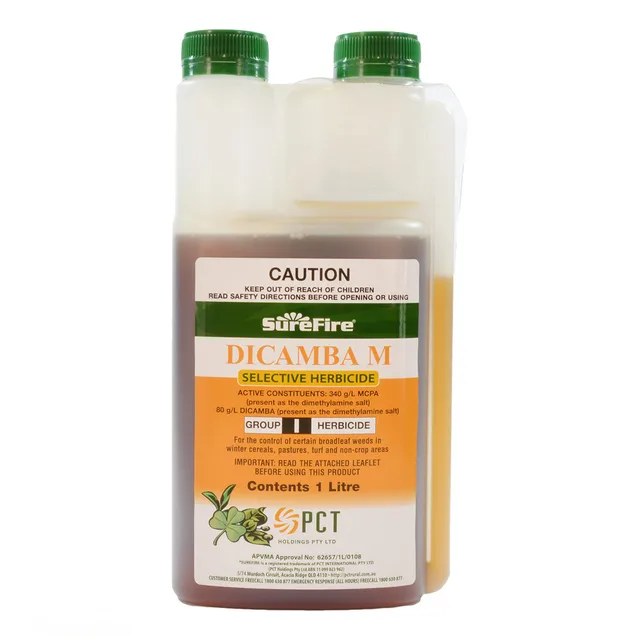
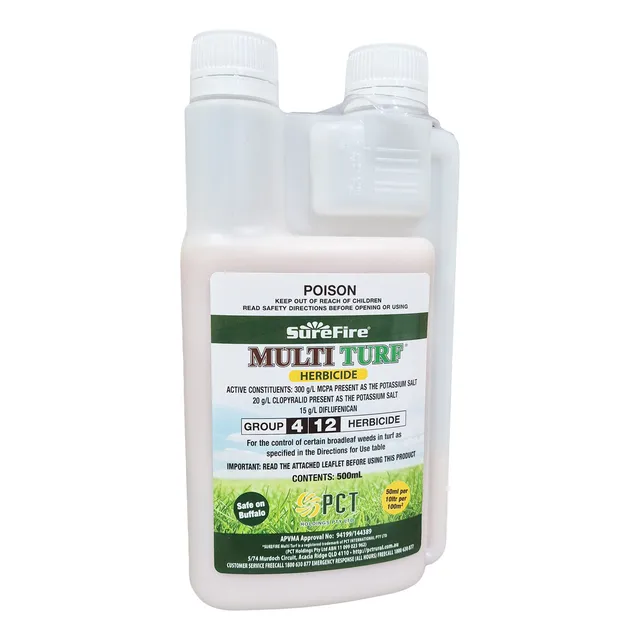
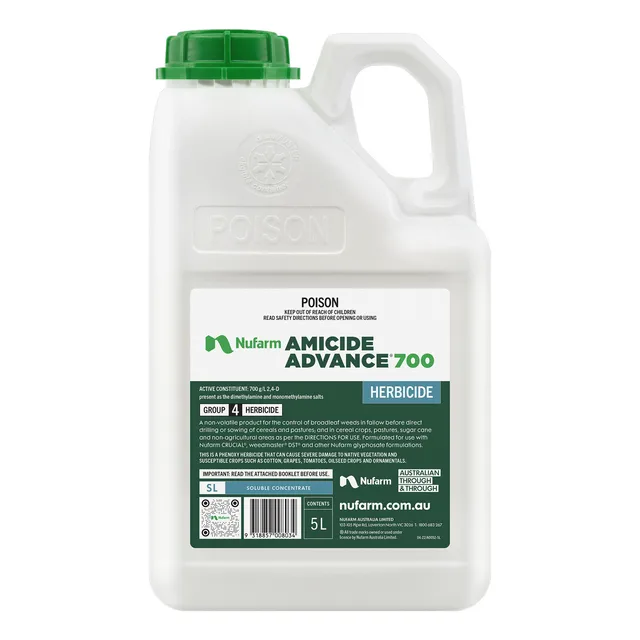
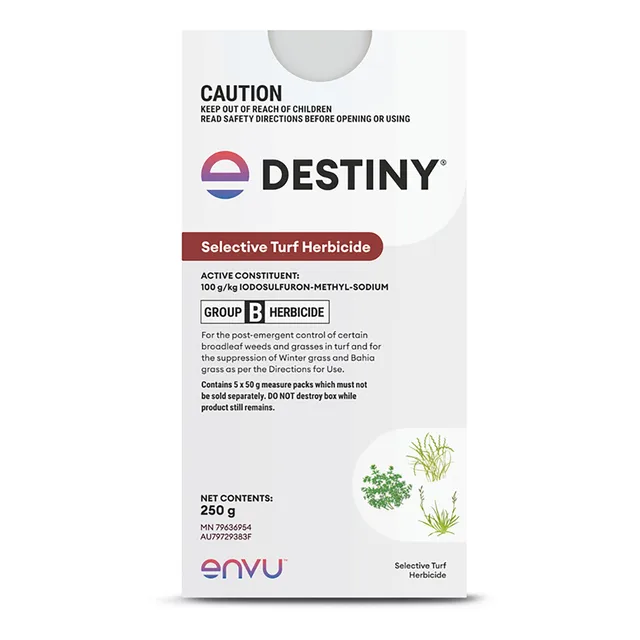
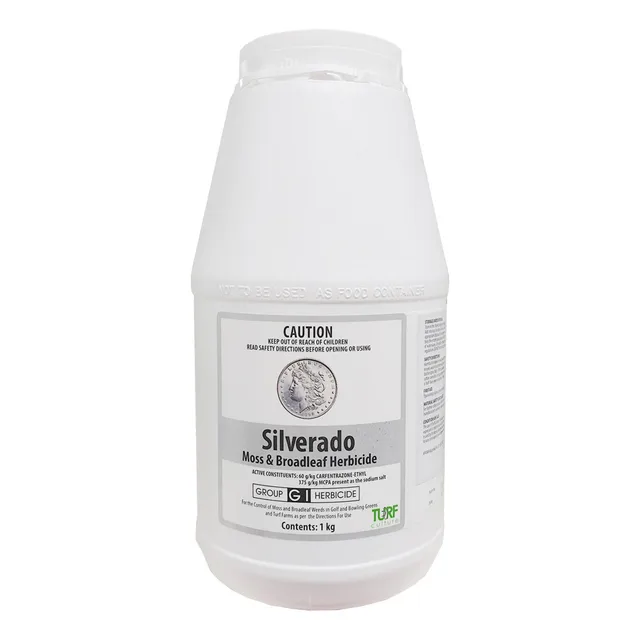
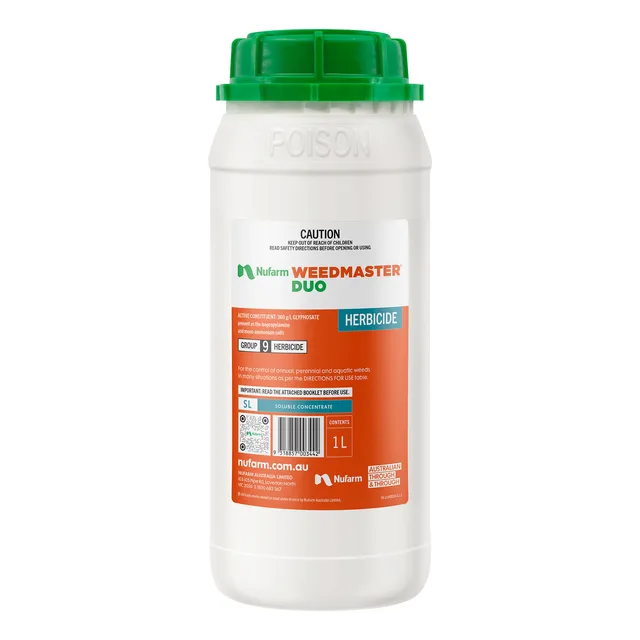
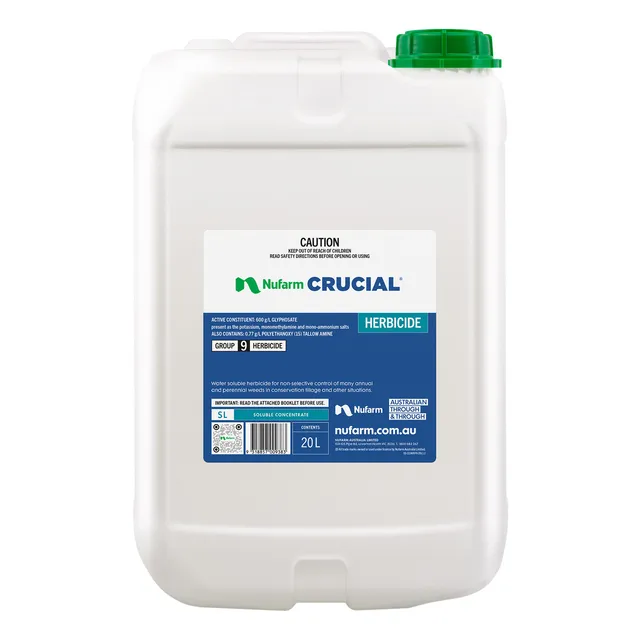
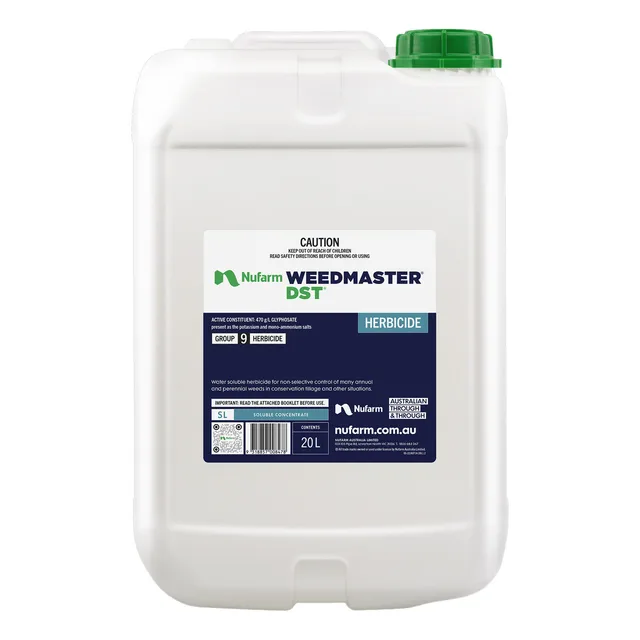
Registered products we stock







No products match those filters.