

Cobbler's Peg
Bidens pilosa
Cobbler's Peg is a fast-growing summer weed with barbed black seeds that hook onto clothing, fur and machinery to spread widely.
Cobbler's Peg is an upright annual herb that can reach 30cm to over a metre in height depending on conditions and how often it's slashed or mown. It has an erect, branching stem that is often tinged purple, and grows from a shallow taproot that pulls out fairly easily when the soil is moist.
The leaves are opposite each other on the stem, mid-green, and divided into three to five toothed leaflets, giving the foliage a slightly serrated, fern-like appearance. Flowers appear from spring through to autumn (though it can flower year-round in warm, frost-free areas) as small daisy-like heads with a yellow centre and a few white, often inconspicuous, petal-like rays.
The seeds are the most recognisable and troublesome feature. Each flower head produces dozens of narrow, black, needle-like seeds tipped with two to three tiny barbed prongs. These barbs act like hooks, catching onto socks, fur, wool and equipment, which is how the plant earned its common name and how it spreads so effectively over short and long distances.
This weed is common across coastal and inland eastern and northern Australia, particularly in Queensland and New South Wales, and is increasingly found in southern states in warmer microclimates. It thrives in disturbed soil, garden beds, nursery pots, lawns, pastures and along fence lines and footpaths, germinating readily after rain or irrigation in warm weather.
Management relies on stopping seed set, since a single plant can produce a large number of seeds in one season. Hand-pulling or hoeing young plants before flowering, maintaining dense healthy turf or ground cover to reduce germination space, and mulching garden beds all help suppress establishment. Regular monitoring through the warmer months is important, as plants can go from seedling to seed-bearing in a matter of weeks.
How to identify
- Seedling stage: Look for young plants with opposite, toothed, three-lobed leaves emerging in disturbed soil, garden beds or thin turf, especially after rain in warm weather.
- Mature plant: An upright, branching herb with small yellow-and-white daisy flowers followed by clusters of thin, black, barbed seeds.
- Field check: Brush a hand or sock against the seed heads — if barbed black seeds stick readily and are hard to remove, this confirms Cobbler's Peg rather than a similar-looking daisy weed.
- Contamination sign: Seeds caught in clothing, pet fur, socks or mower decks are a strong practical indicator of nearby plants that have already set seed.
- Lookalikes: Can be confused with other small daisy-type weeds such as fleabane, but fleabane lacks the distinctive barbed, needle-like seed and tends to have narrower, less divided leaves. Farmer's Friends (a closely related Bidens species) looks very similar and is often treated the same way.
Registered products we stock
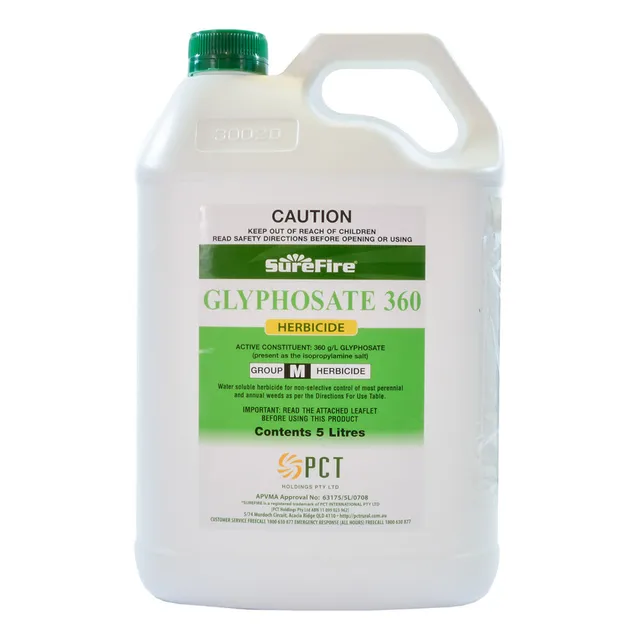
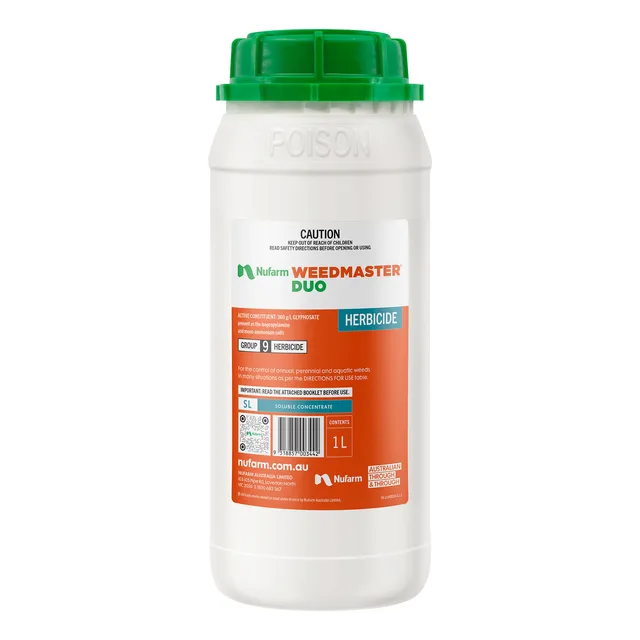
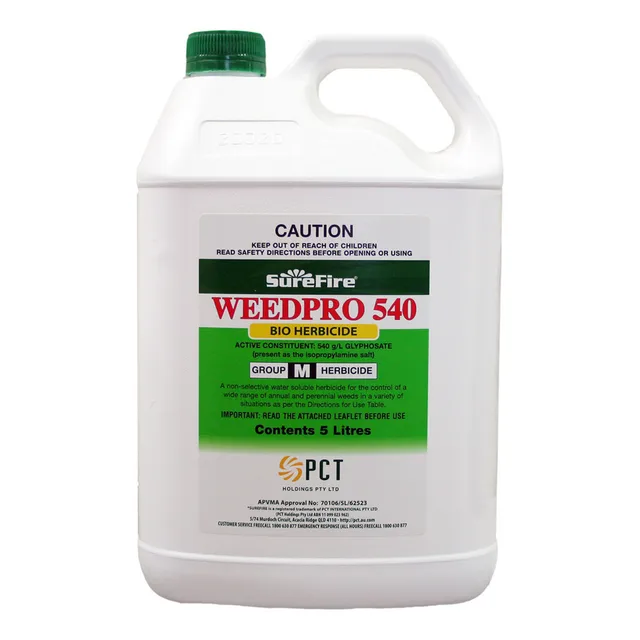
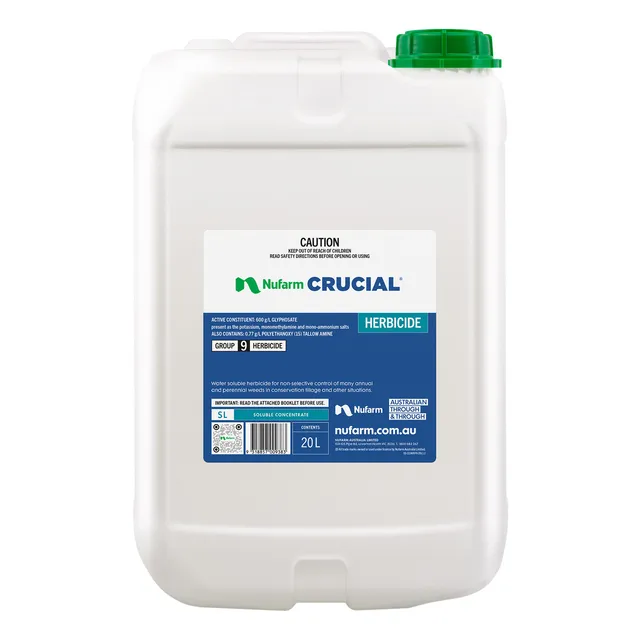
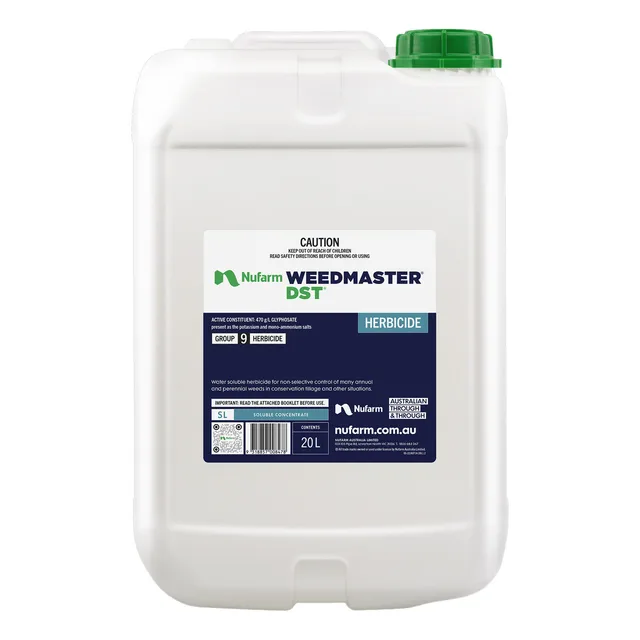
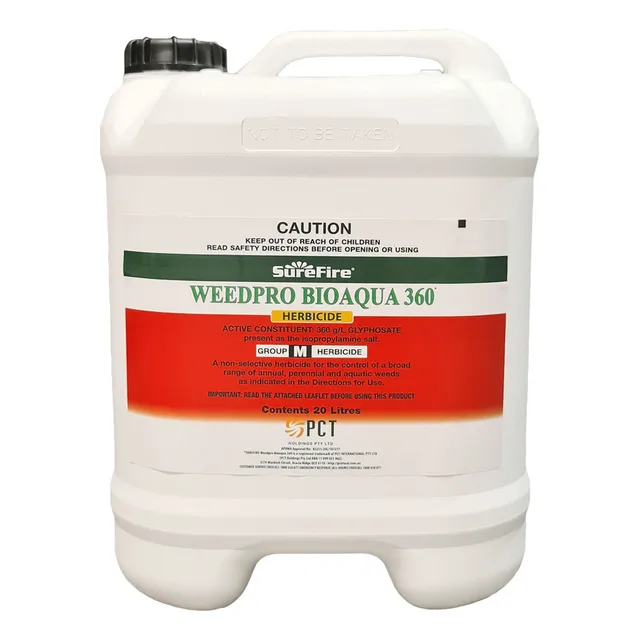
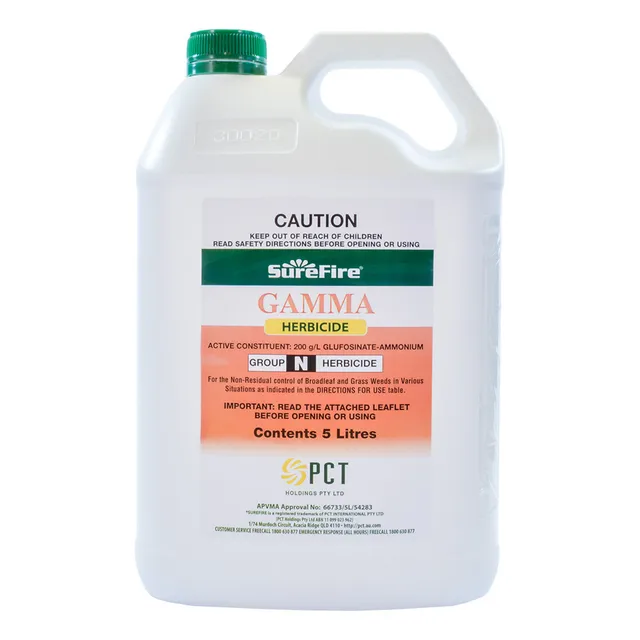
No products match those filters.