

Creeping Oxalis
Oxalis corniculata
Creeping oxalis is a low, mat-forming clover-like weed that spreads by seed and rooting stems, invading lawns, garden beds and pots.
Creeping oxalis is a low-growing, mat-forming perennial weed with a taproot and creeping, rooting stems that spread outwards from the crown. Each leaf is divided into three heart-shaped leaflets on a slender stalk, resembling clover, and ranges from bright green to purplish-bronze depending on the variety and growing conditions. Small five-petalled yellow flowers appear from spring through to autumn in mild areas, followed by narrow, upright, cylindrical seed pods that split explosively when ripe, flinging seed well away from the parent plant.
It belongs to the Oxalidaceae family and is widespread across Australia in lawns, garden beds, pathways, and pots. It thrives in a wide range of soils and conditions, tolerating both full sun and part shade, and is particularly persistent in irrigated turf, garden borders and container plants where soil is regularly disturbed or kept moist.
Growth is most vigorous during the warmer months but it can persist year-round in temperate and subtropical regions, often surviving mowing and light cultivation due to its low growth habit and deep taproot. Seed can remain viable in the soil for extended periods, allowing new plants to emerge long after the original infestation appears controlled.
Management relies on a combination of approaches: maintaining a dense, healthy lawn or garden bed to reduce bare ground and light penetration, hand removal of young plants before seed pods form (taking care to remove the taproot), and mulching garden beds to suppress germination. Because of the explosive seed dispersal and persistent seed bank, ongoing monitoring over several seasons is usually needed to bring an established infestation under control.
How to identify
- Low, spreading mats of clover-like foliage in lawns, garden beds, along paths and in pots, often forming dense patches that outcompete desirable plants or turf.
- Small yellow flowers with five petals, followed by narrow, upright seed capsules that shoot seed several metres when touched or disturbed.
- Leaves made up of three heart-shaped leaflets, green to reddish-purple in colour, which may fold down at night or in strong sunlight.
- Taproot with spreading stems that root at nodes as they creep along the soil surface, making hand-pulling incomplete unless the root is also removed.
- Field check: gently dig around the base of a suspect plant — a single thickened taproot with fibrous side roots and rooting horizontal stems confirms oxalis rather than a fibrous-rooted lookalike.
- Common lookalikes: clover (Trifolium spp.) has rounded, not heart-shaped, leaflets and produces round flower heads rather than single yellow flowers with pointed seed pods; woodsorrel species (other Oxalis spp.) look very similar and may need flower colour or growth habit to distinguish, though management is generally the same.
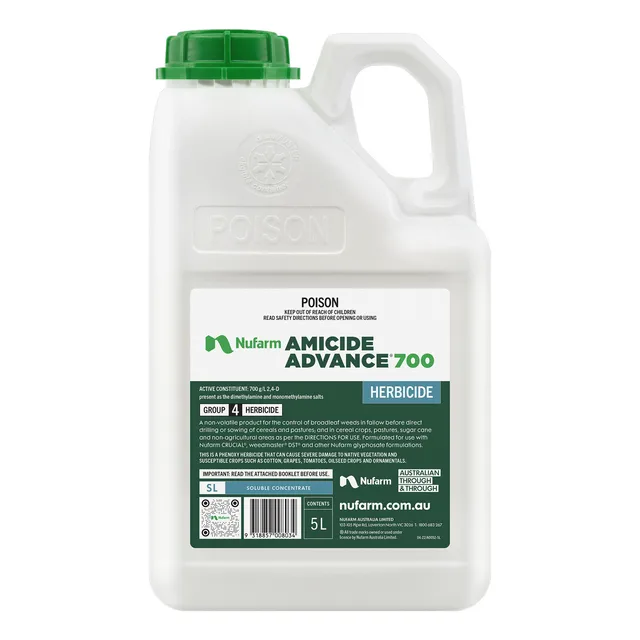
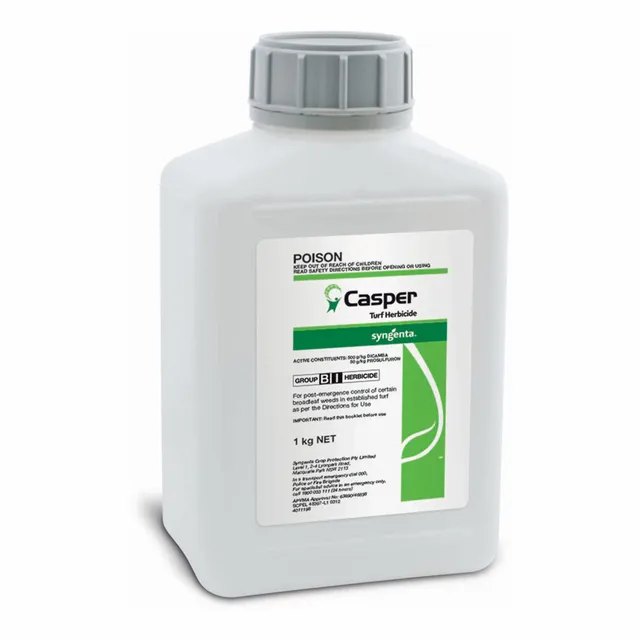
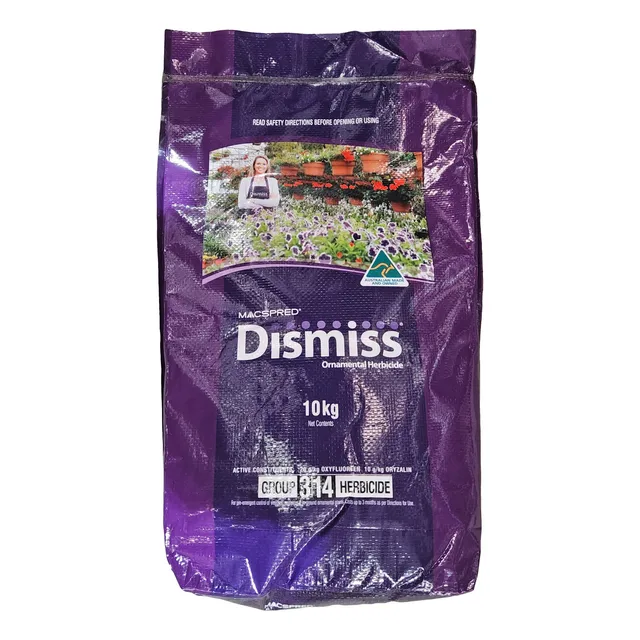
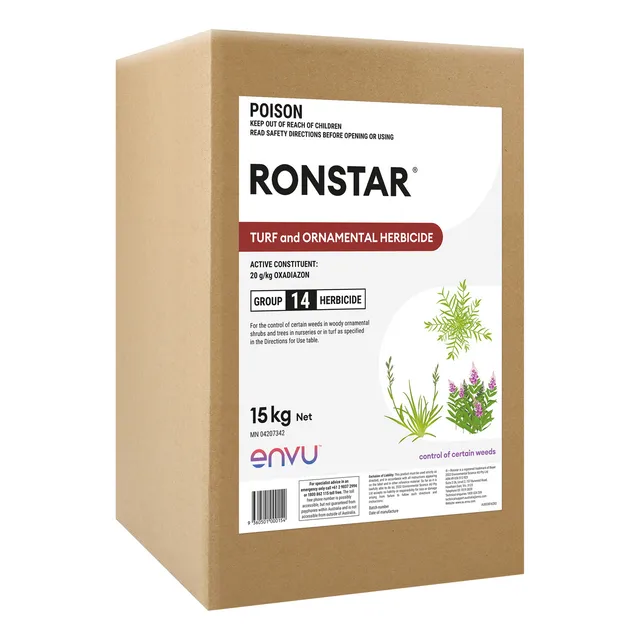
Registered products we stock
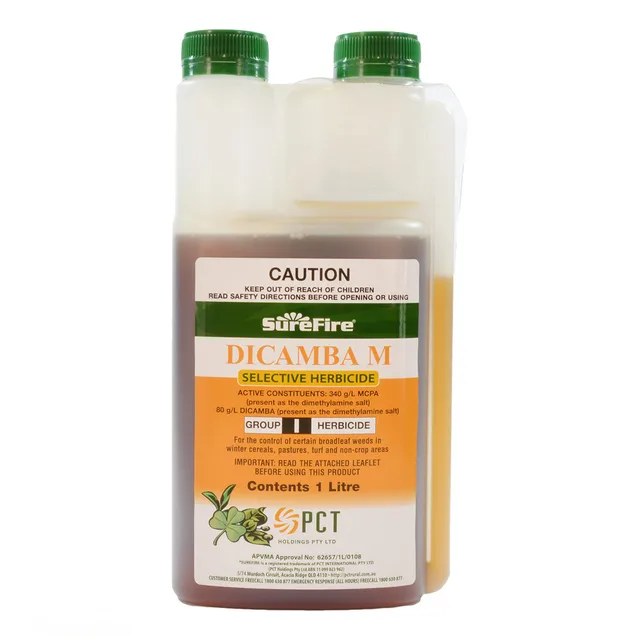
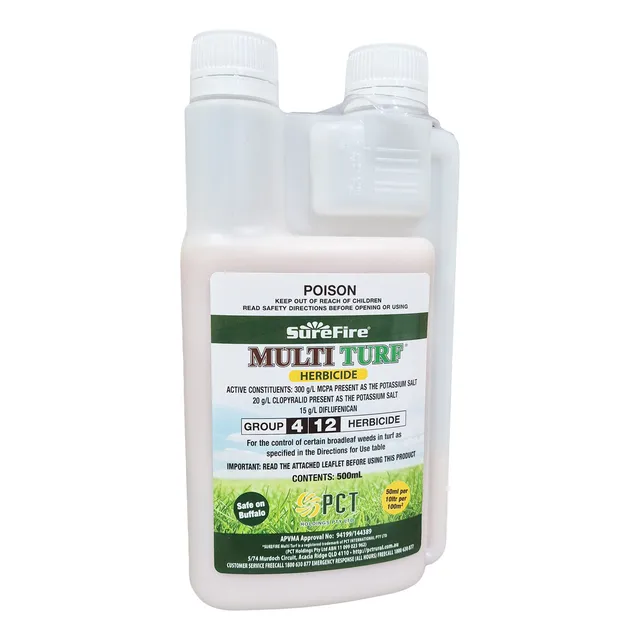

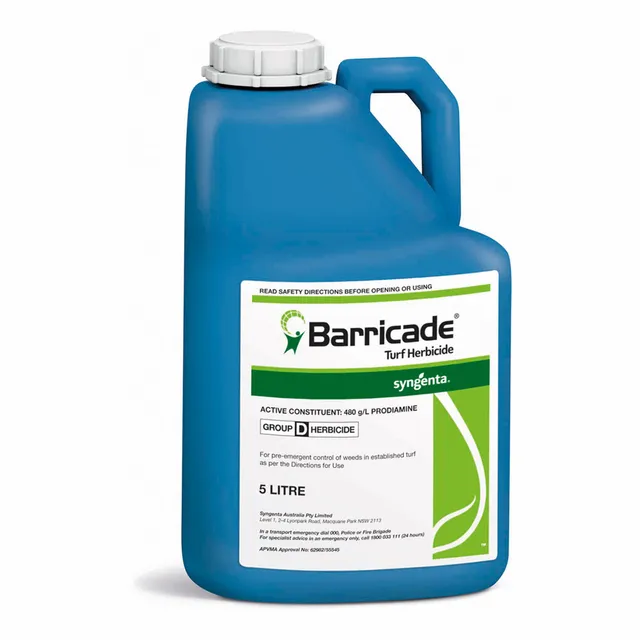
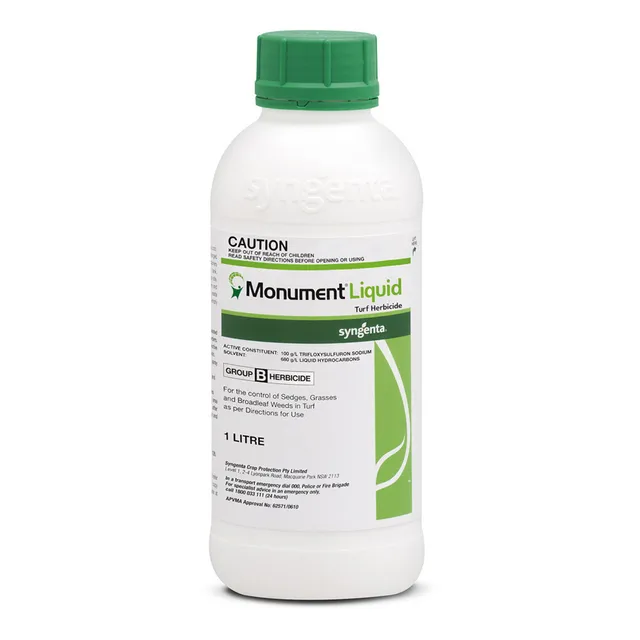
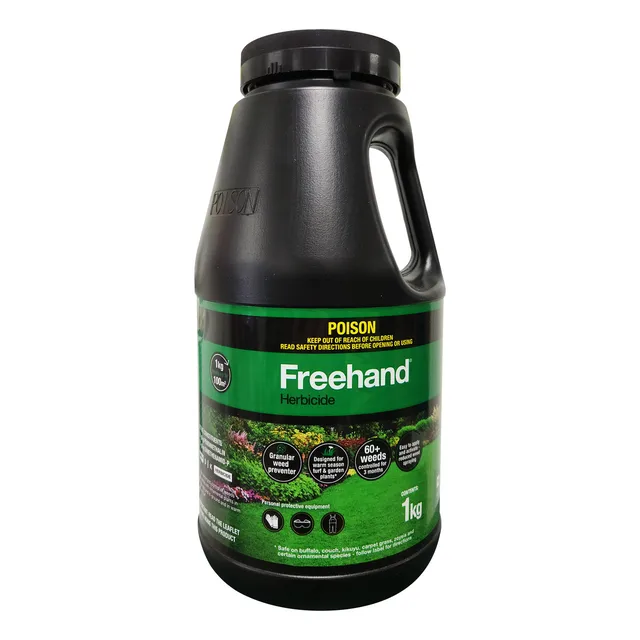
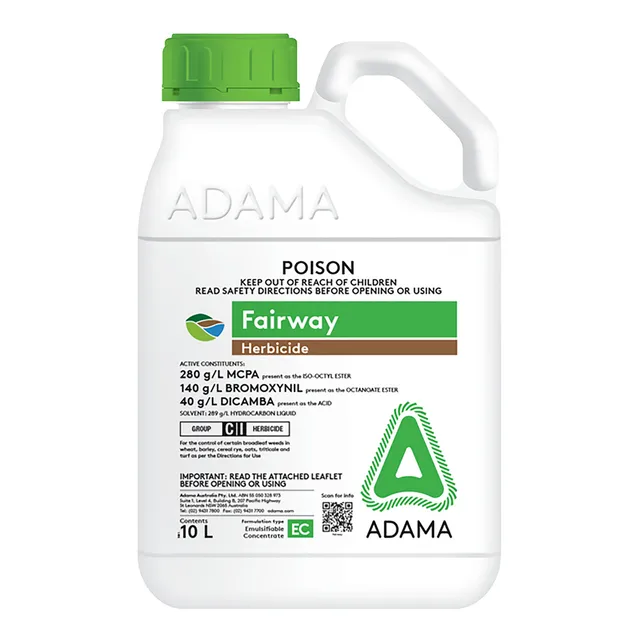
No products match those filters.