

Moss
Bryophyta
Moss is a low, spreading plant that forms dense green mats in damp, shaded, compacted or thinning turf and garden beds.
Moss is not a single species but a large group of small, primitive, non-flowering plants classified in the Bryophyta. Unlike grasses and weeds, moss has no true roots, stems or vascular tissue for moving water internally. Instead it absorbs moisture directly through its leaf-like structures, which is why it thrives in consistently damp conditions and struggles wherever the surface dries out regularly.
In lawns and garden beds, moss appears as a low, dense, spreading mat made up of tiny, tightly packed stems only a few millimetres to a couple of centimetres tall, each covered in small scale-like or thread-like green leaves. Colour ranges from bright emerald green to darker olive green depending on light and moisture. In damp weather it looks soft, velvety and cushion-like; in dry spells it can shrink, dry out and turn brown or blackish, though it usually regreens quickly once moisture returns. It reproduces via spores rather than seeds, released from small stalked capsules that can appear above the main mat.
Moss becomes a problem in Australian lawns and gardens wherever grass or other desired plants are struggling rather than as a primary invader. It is most common in southern and temperate regions during cooler, wetter months (autumn through spring) but can persist year-round in permanently shaded, damp or poorly drained sites. Common trigger conditions include heavy shade, soil compaction, poor drainage, low soil fertility, acidic soil pH, scalped or thin turf, and excessive or poorly timed irrigation.
Management is really about fixing the underlying growing conditions rather than treating moss as an isolated pest. This includes improving drainage, aerating compacted soil, raising mowing height, thinning overhanging branches to increase light and airflow, correcting soil pH and fertility, and reducing overwatering. Physical removal by raking or scarifying can provide short-term control, but moss will return quickly if the site conditions that favour it are not changed.
How to identify
- Visual mat: Low, dense, green to olive-green cushion-like growth sitting on the soil or turf surface, often in patches that expand over time.
- Location pattern: Concentrated in shaded areas, under trees, along fence lines, in damp low spots, or on compacted, poorly drained soil where turf is thin or bare.
- Turf condition nearby: Grass in and around the mossy patch is often weak, thin or struggling, rather than moss actively smothering healthy, vigorous turf.
- Field check: Moss lifts away easily from the soil surface in a sheet or mat when pulled, since it has no true root system anchoring it deeply — this distinguishes it from grass or weeds with proper roots.
- Lookalikes: Liverworts can form similar green mats in damp, shaded spots but tend to look flatter, more strap-like or lobed rather than fine and feathery like moss. Algae can also form a green or black slimy film on bare, wet soil, but it is slippery and slick rather than soft and cushion-like, and lacks the fine leaf-like structures visible on close inspection of moss.
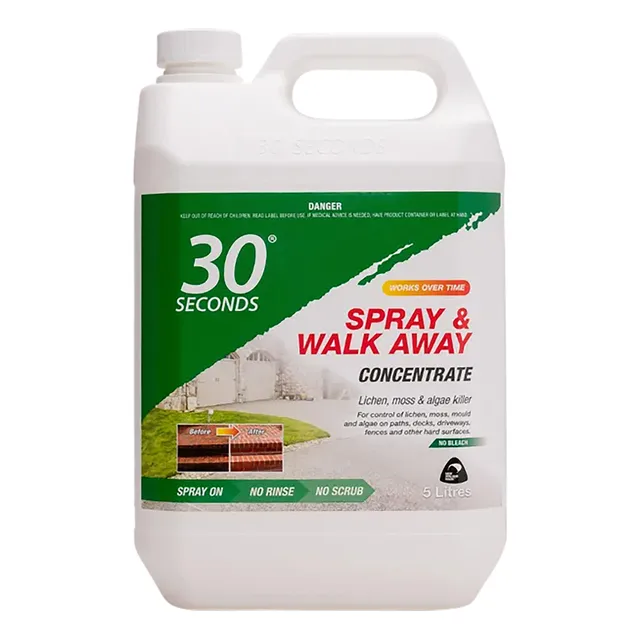
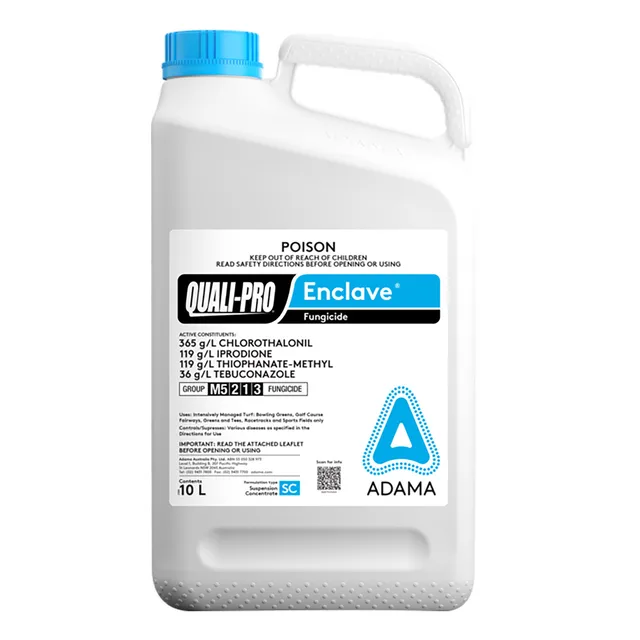
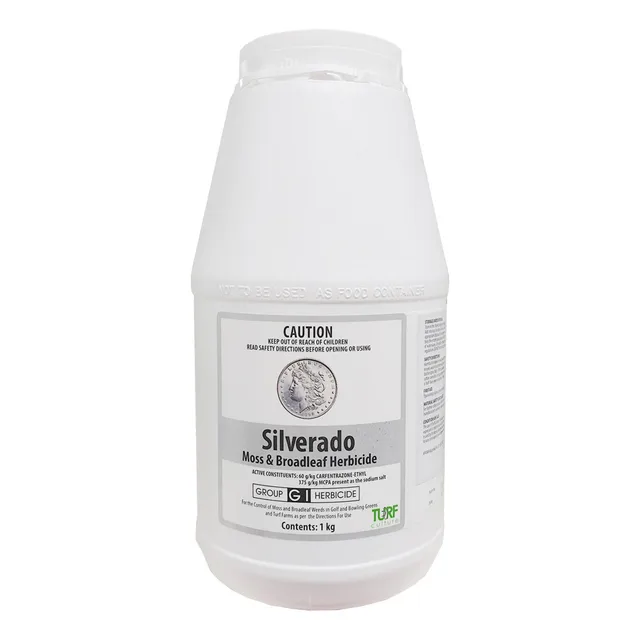
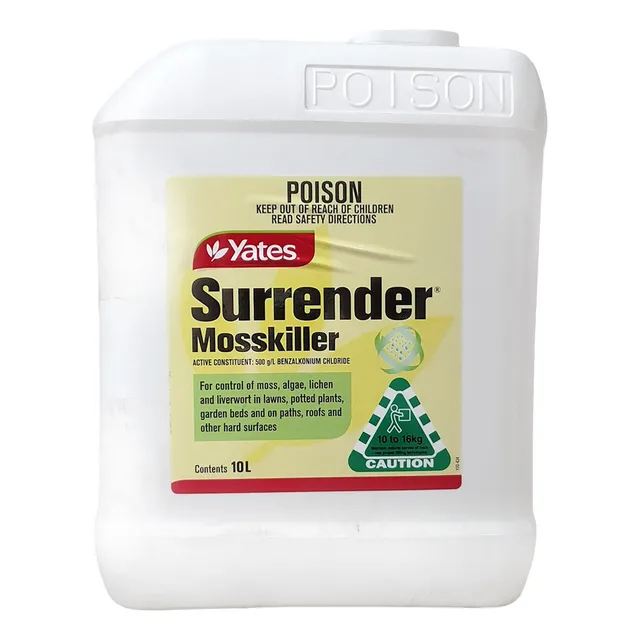
Registered products we stock
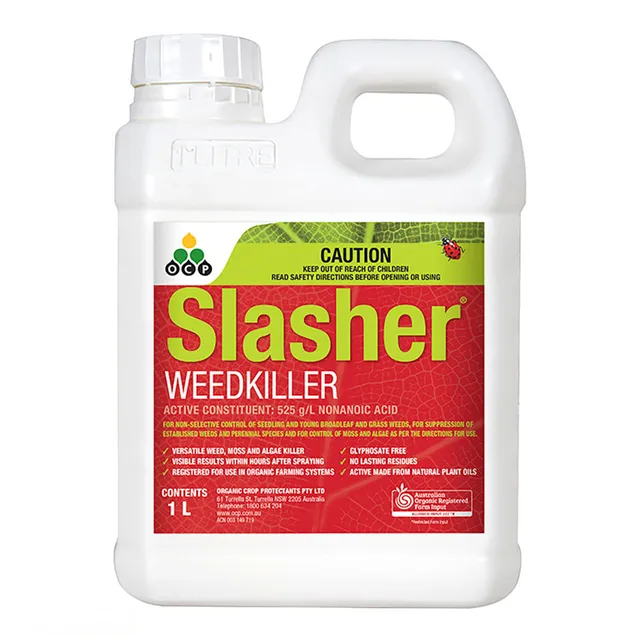
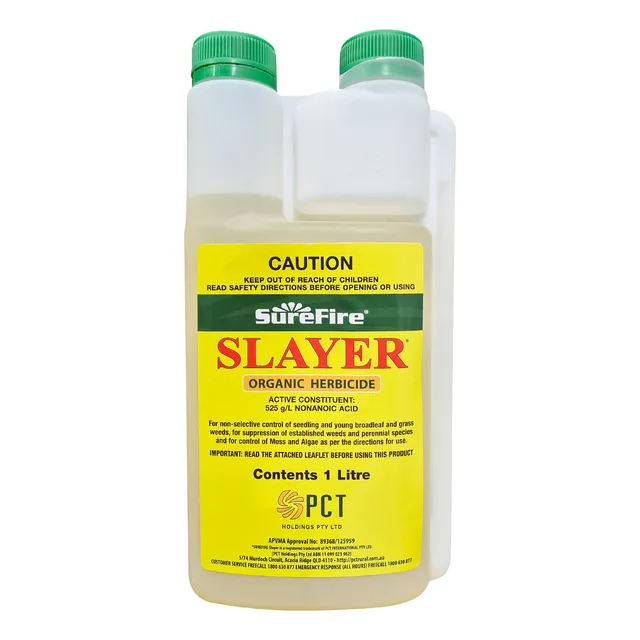
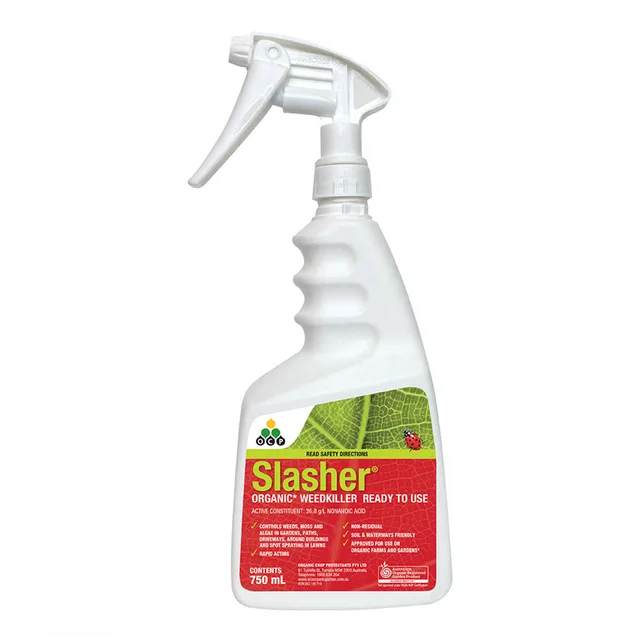
No products match those filters.