

Phytophthora
Phytophthora spp.
Phytophthora is a soil-borne water mould that rots roots, collars and stems, especially in wet or poorly drained soil.
Phytophthora isn't a true fungus but a water mould (oomycete) that lives in soil and plant tissue. It produces microscopic spores, including swimming zoospores, that move through water films in wet soil to reach roots and lower stems. On infected tissue you may see dark, water-soaked lesions at the collar or base of the trunk, sunken cankers on stems, or a reddish-brown discolouration in the roots and lower stem when cut open. In severe cases a gummy exudate can ooze from bark cankers on woody plants. The organism itself is rarely visible to the naked eye; diagnosis relies on the pattern of dieback and root symptoms rather than spotting the pathogen directly.
There are many Phytophthora species in Australia, each with a preferred range of hosts, from citrus and avocados to natives, ornamentals and some vegetables. Some species mainly attack fine feeder roots causing root rot, others target the collar and trunk causing collar or crown rot, and some cause fruit rot where fruit sits near or touches wet soil.
Phytophthora is active across most of the country wherever soils become waterlogged or poorly drained, and is a particular problem in high-rainfall regions and during warm, wet periods in spring and summer. It survives for long periods in soil and infected root debris, and can persist even when no susceptible plant is present.
Management is based on improving drainage and avoiding waterlogging, since the pathogen needs free water to spread and infect. Raised beds or mounding, avoiding over-irrigation, keeping mulch away from stem bases, and using well-drained potting mix all help. Avoid moving soil or water from infected areas to clean ground, clean tools and footwear between sites, and remove and dispose of badly affected plants and their root zone soil rather than replanting the same species in the same spot.
How to identify
- Wilting, yellowing or off-colour foliage that doesn't recover with watering, often on one side of the plant first
- Poor growth, dieback of shoots and branches, and general decline despite adequate fertiliser
- Dark, water-soaked or sunken lesions at the soil line, collar or lower trunk
- Gum or sap oozing from bark cankers on woody trees and shrubs
- Roots that are brown, mushy or stripped of fine feeder roots when dug up, compared with healthy white roots on unaffected plants
- Fruit rot on low-hanging fruit that has been in contact with wet soil or mulch
Field check: scrape back bark at the collar or slice through a suspect root — healthy tissue is white to cream, while Phytophthora-affected tissue shows a reddish-brown to dark discolouration that often has a distinct margin from healthy wood. Symptoms are worse in low-lying, poorly drained or overwatered areas.
Lookalikes: waterlogging or root damage from compaction can cause similar wilting and yellowing without any pathogen present — check drainage and root health together. Other root rot fungi and some nematode damage can also cause decline and root browning, but Phytophthora is far more strongly linked to wet soil and collar/trunk lesions than these alternatives.
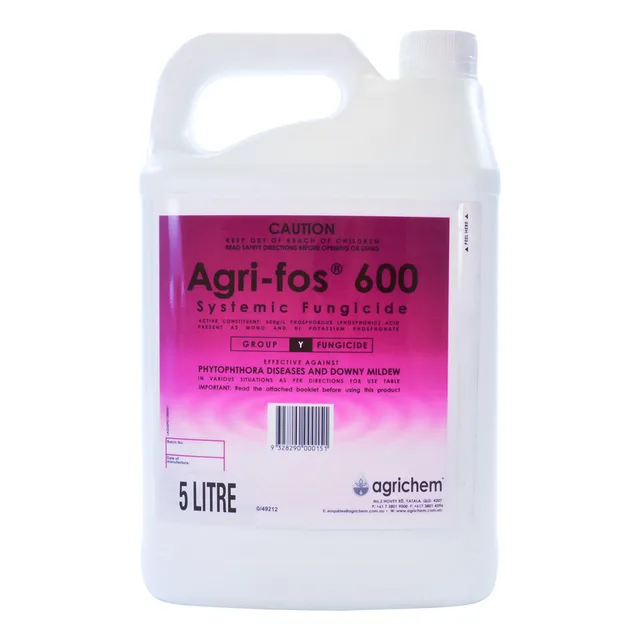
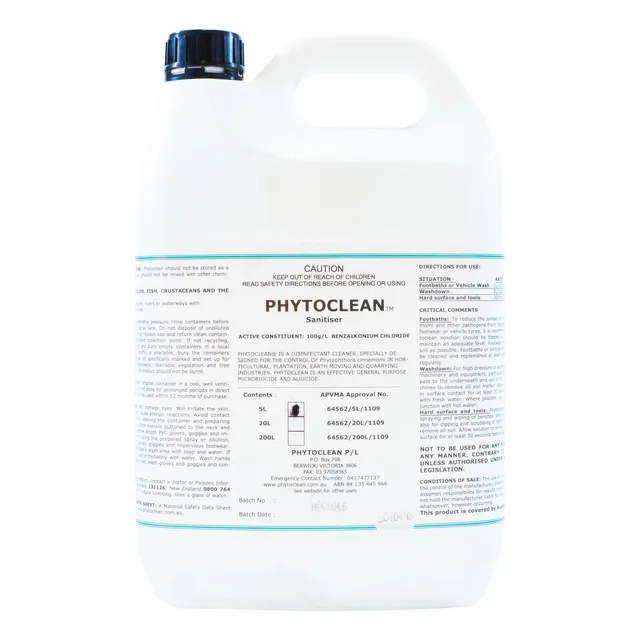
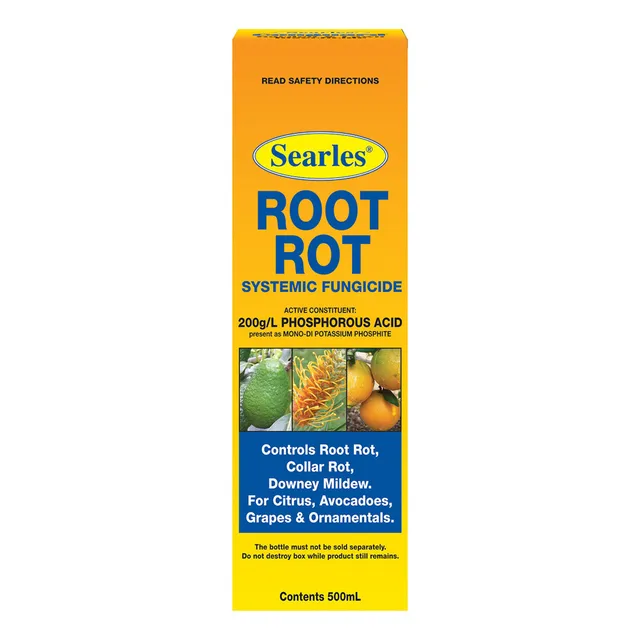
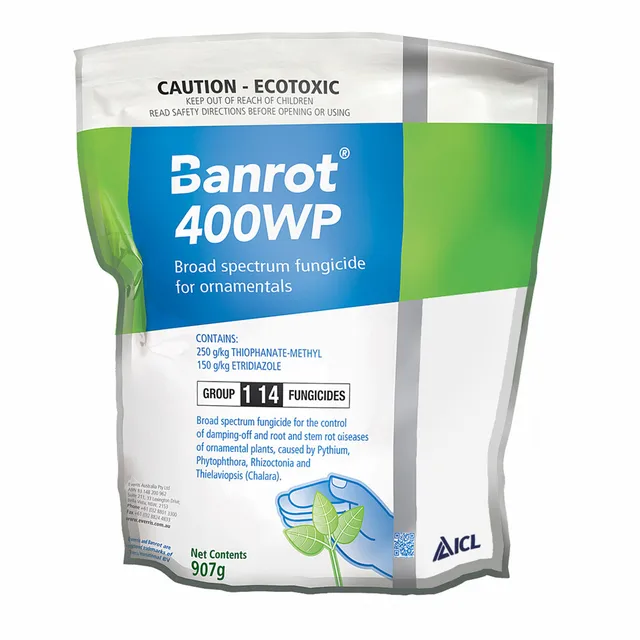
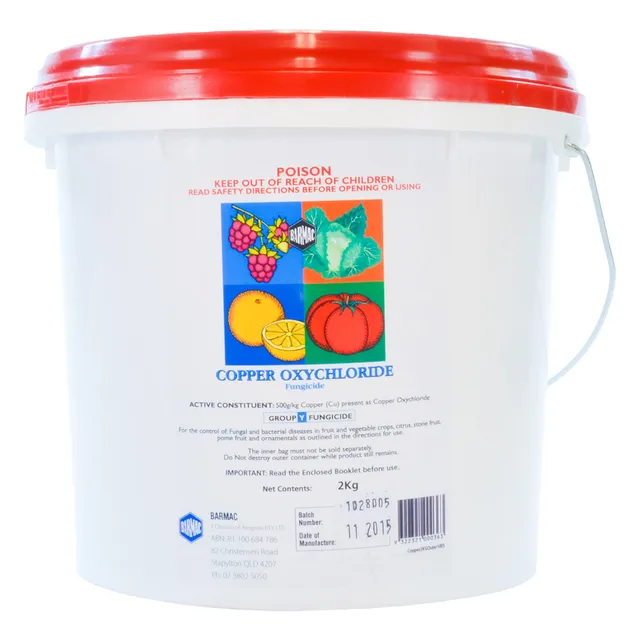
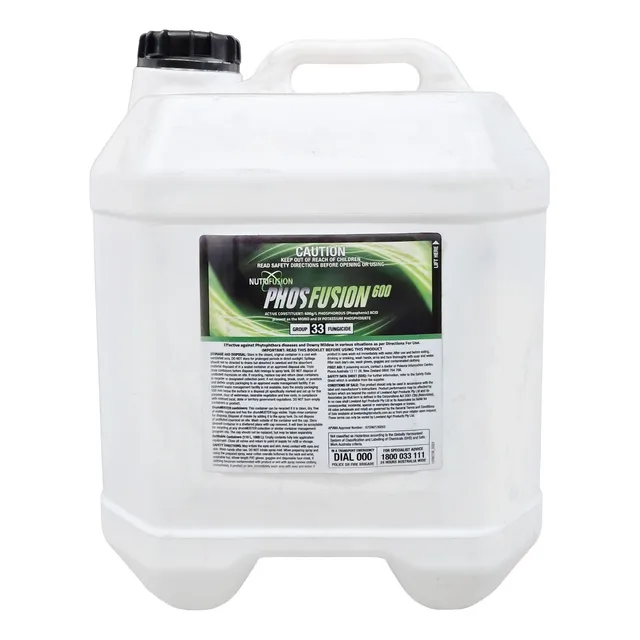
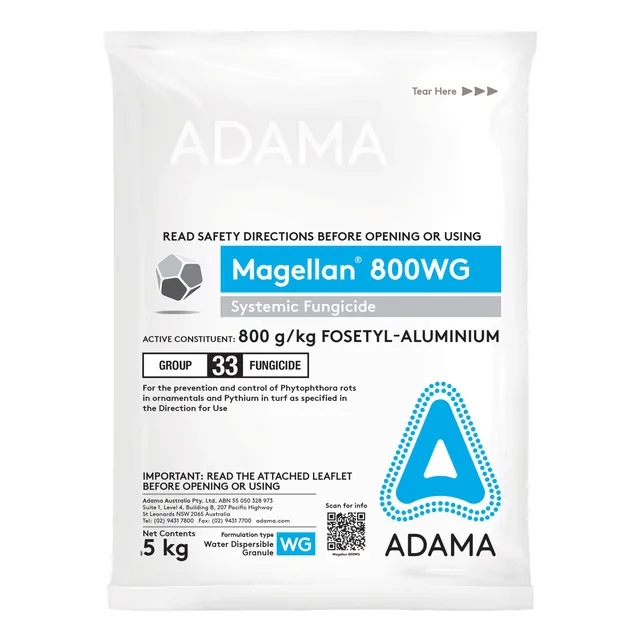
Registered products we stock
No products match those filters.