

Spider Mite
Tetranychus urticae
Two-spotted spider mite is a tiny sap-sucking pest that thrives in hot, dry weather and causes stippled, bronzed leaves.
Two-spotted spider mite is not an insect but a mite, related to spiders and ticks. Adults are barely visible to the naked eye, around 0.5mm long, oval-shaped, and pale yellow-green to greenish with two darker patches on either side of the body (hence the name). In cooler months some mites turn orange-red. Eggs are tiny, round and translucent to straw-coloured, laid on the underside of leaves. Nymphs look like smaller, paler versions of the adults and pass through several moults before maturing. All life stages are usually found clustered on the undersides of leaves, often along the midrib and veins, where fine silk webbing may be spun over heavily infested foliage.
This pest attacks an enormous range of plants across Australian gardens, including vegetables, ornamentals, fruit trees, berries and indoor plants. It is one of the most common mite pests in home gardens nationwide.
Populations build fastest during hot, dry conditions, typically from late spring through summer and into early autumn. Life cycles can be completed in as little as a week when it's warm, so numbers can explode quickly once established. Dusty, drought-stressed plants are particularly prone to outbreaks, and mites often move in from weeds or nearby plants before spreading through a garden bed or greenhouse.
Management relies on regular monitoring, especially in warm weather, since early detection makes control much easier. Keeping plants well watered and reducing dust and drought stress helps limit outbreaks. Encouraging predatory mites and other beneficial insects, removing badly affected leaves, and avoiding broad-spectrum sprays that kill natural predators are all useful non-chemical strategies. Isolating new or affected plants can help stop mites spreading to unaffected areas.
How to identify
- Fine pale speckling or stippling on the upper leaf surface, giving foliage a dull, dusty or bronzed look.
- Leaves may turn yellow, bronze or grey and drop prematurely in heavy infestations.
- Fine silk webbing across leaf undersides, between leaves, or over growing tips when populations are high.
- Reduced vigour, distorted growth and lower yields on edible crops under sustained attack.
- Field check: hold a sheet of white paper or card under a suspect leaf and tap it firmly. Mites will fall off and appear as tiny moving specks; a hand lens or phone camera zoom helps confirm the two dark spots on their backs.
- Lookalikes: thrips damage also causes silvering and stippling but leaves fine black droppings and no webbing; lace bugs cause similar stippling but leave dark tar-like spots underneath and are larger and visible without magnification.
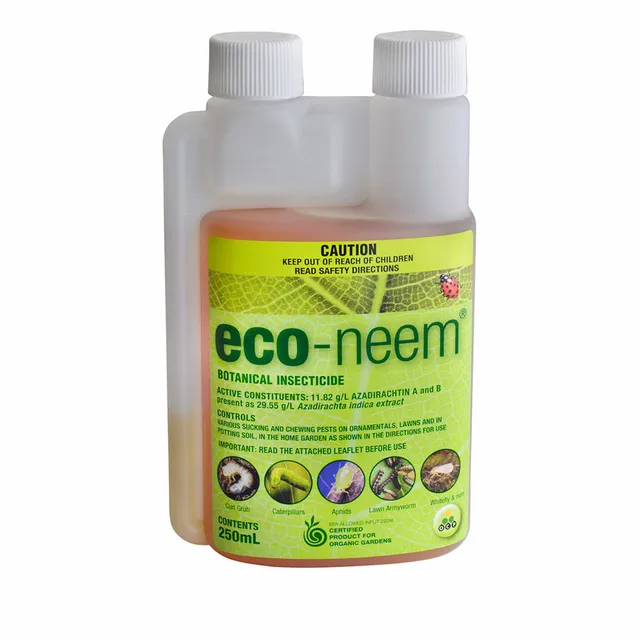
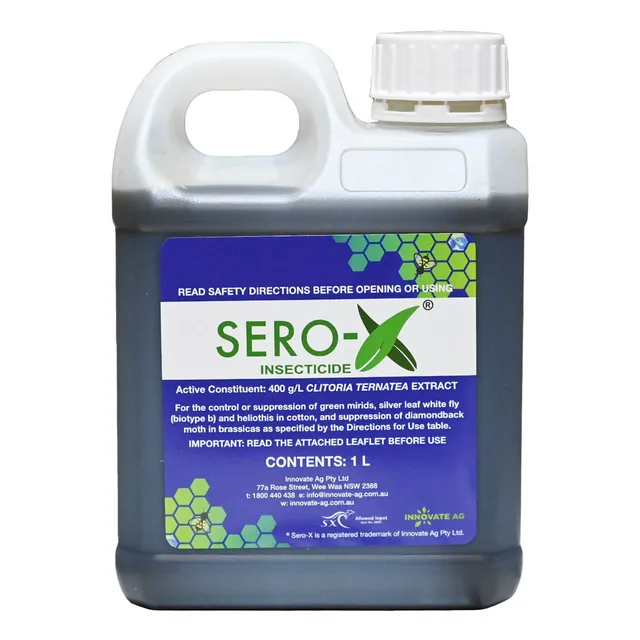
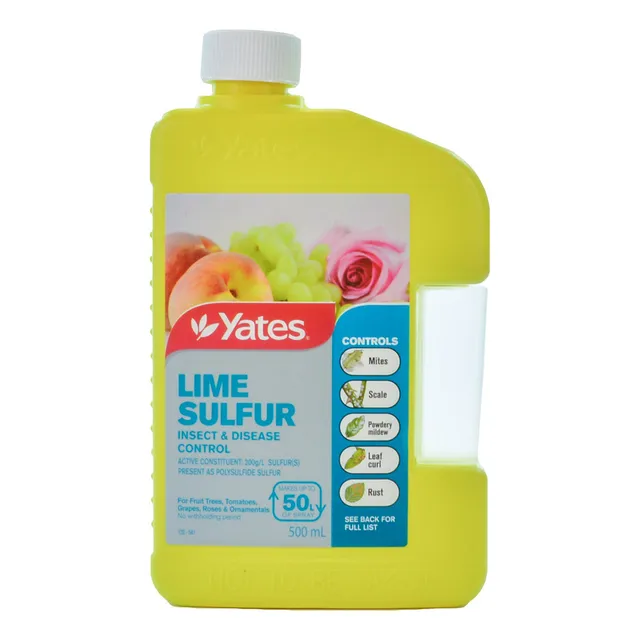
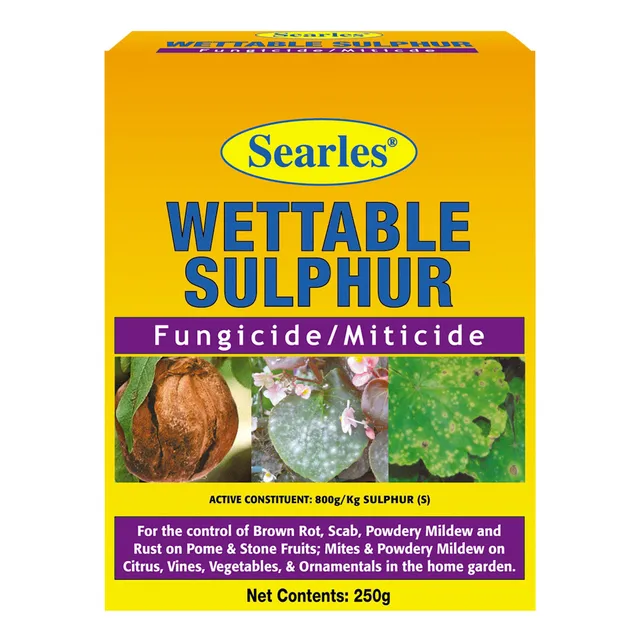
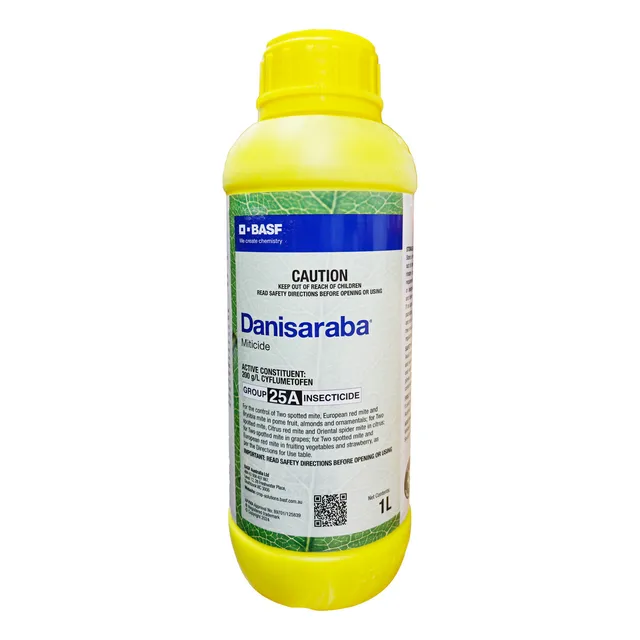
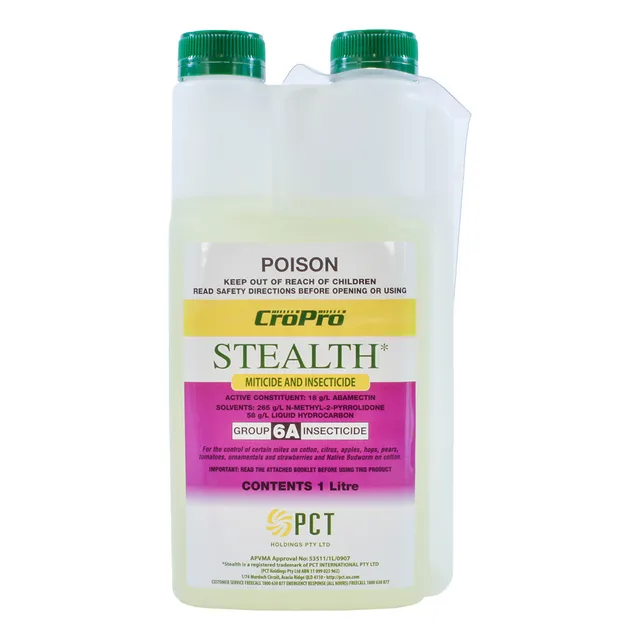
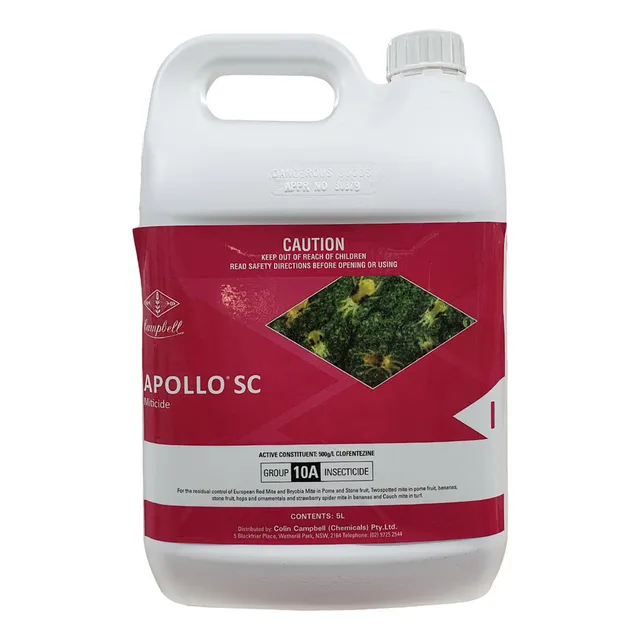
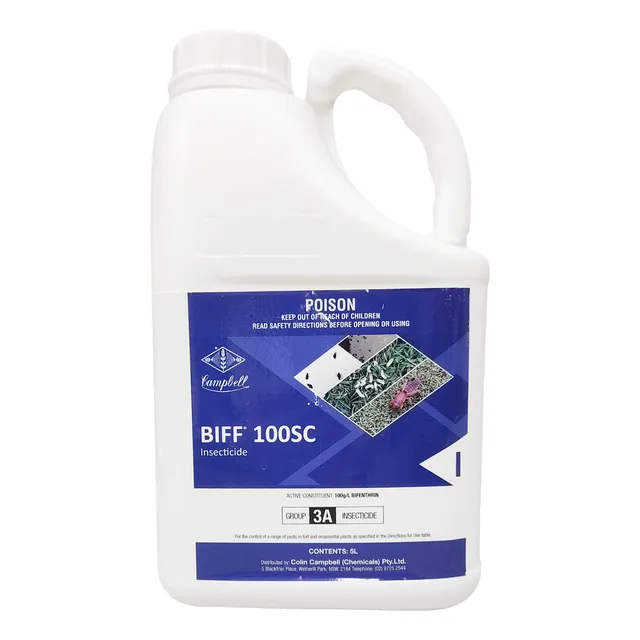
Registered products we stock
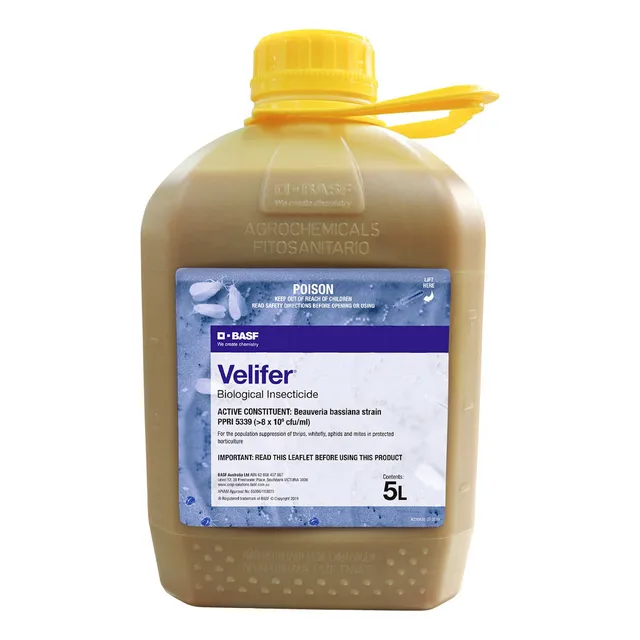
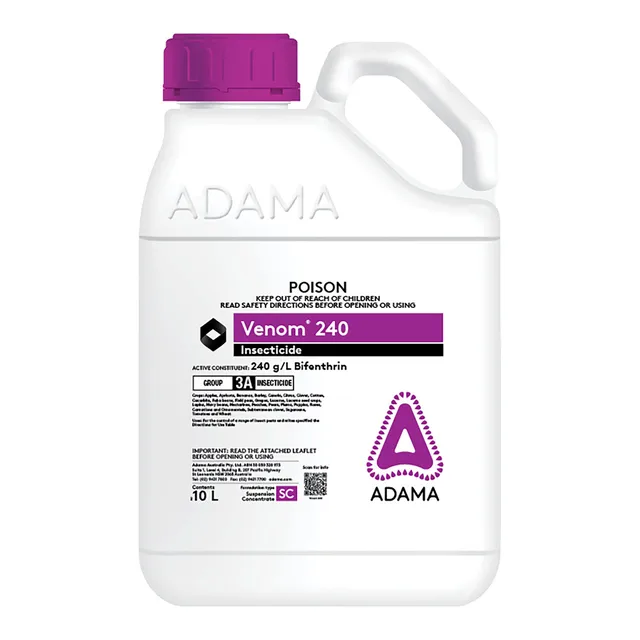
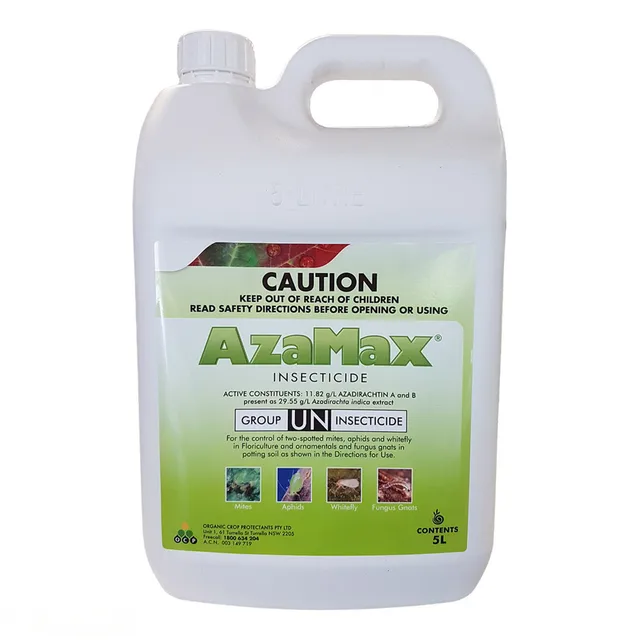
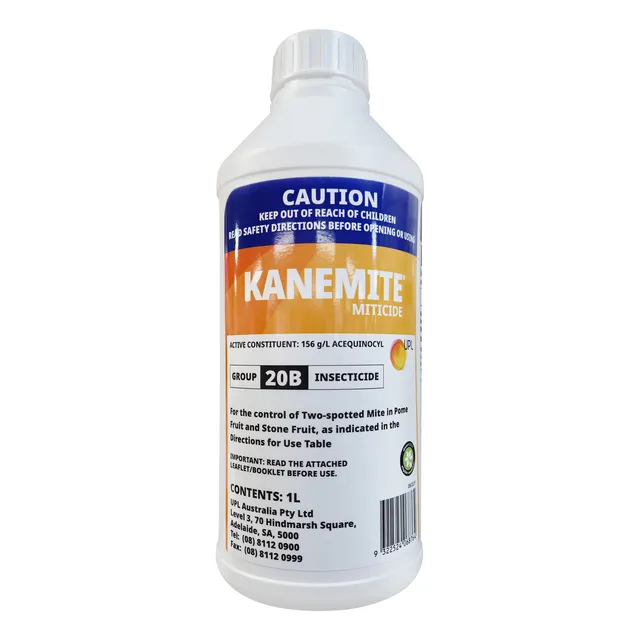
No products match those filters.