

Spurge
Euphorbia spp.
Spurge is a fast-spreading summer weed of lawns and garden beds that oozes milky sap when broken and self-seeds rapidly.
Spurge is the common name for a large group of Euphorbia species that turn up as weeds in Australian lawns, garden beds and paths. The most common types seen in home gardens are petty spurge, spotted spurge and sun spurge, all low-growing annuals that thrive in warm weather.
The plant itself is easy to identify once you know the trick: every part contains a milky white sap (latex) that oozes out immediately when a stem or leaf is broken. Growth habit varies by species — spotted spurge forms a flat, ground-hugging mat with reddish stems, while petty spurge and sun spurge grow more upright to around 20–40 cm. Leaves are small, oval to lance-shaped, often with a reddish blotch in the centre on spotted spurge, and arranged opposite or in whorls along the stem. Flowers are tiny, greenish-yellow and clustered in cup-shaped structures called cyathia, appearing from spring through to autumn. Each plant produces large numbers of small seeds in three-lobed capsules that can explode open, flinging seed a short distance to start the next generation.
Spurge germinates readily in warm soil temperatures, which is why it appears from late spring through summer and into early autumn across most of Australia. It favours open, disturbed or thin turf, bare garden beds, cracks in paving and newly established lawns where competition from other plants is low.
Because of its rapid life cycle and heavy seed production, spurge can go from seedling to seed-set in just a few weeks during warm weather, so it needs to be dealt with early. Maintaining a dense, healthy lawn or well-mulched garden bed reduces the bare ground spurge needs to establish. Hand removal is effective for small infestations, but gloves are recommended as the sap can irritate skin and eyes.
How to identify
- Bare or thinning patches: spurge typically appears first in weak, open areas of lawn or garden bed rather than dense, healthy turf.
- Milky sap test: snap a stem or leaf — if a white, milky sap oozes out immediately, it's a strong indicator of spurge (most lookalike weeds do not exude sap this way).
- Low, mat-forming growth with small oval leaves and tiny greenish-yellow flower clusters, most active over the warmer months.
- Seed capsules: small three-lobed capsules that can pop open and scatter seed, so mature plants should be removed before seeding to limit spread.
- Skin irritation: handling spurge without gloves can cause a rash or eye irritation from the sap, which is a useful (if uncomfortable) confirmation sign.
- Lookalikes: spurge is sometimes confused with purslane or wireweed, which also grow low and flat in disturbed soil. Neither of these produces milky sap when broken, which is the easiest way to tell them apart from spurge.
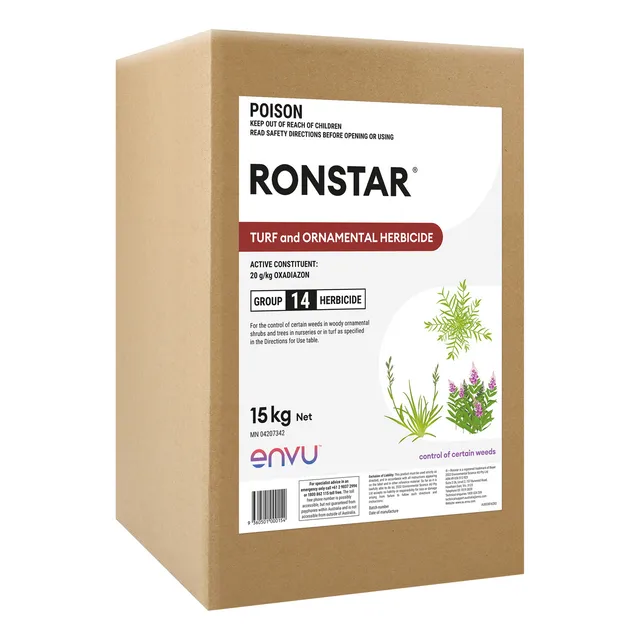
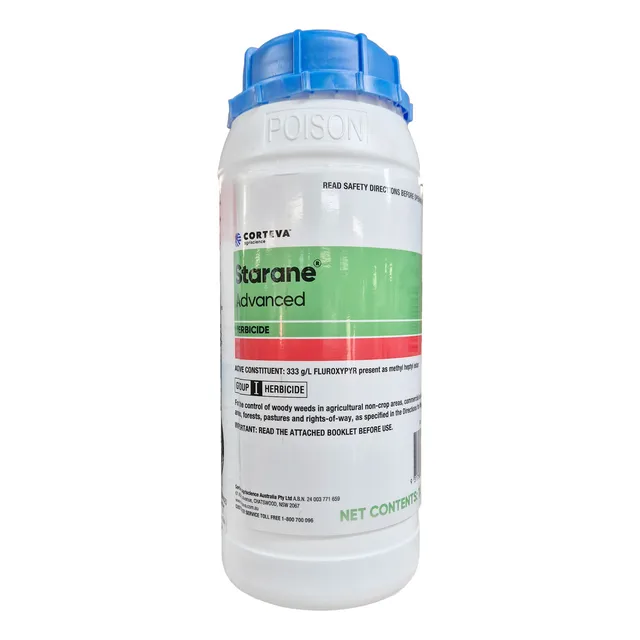
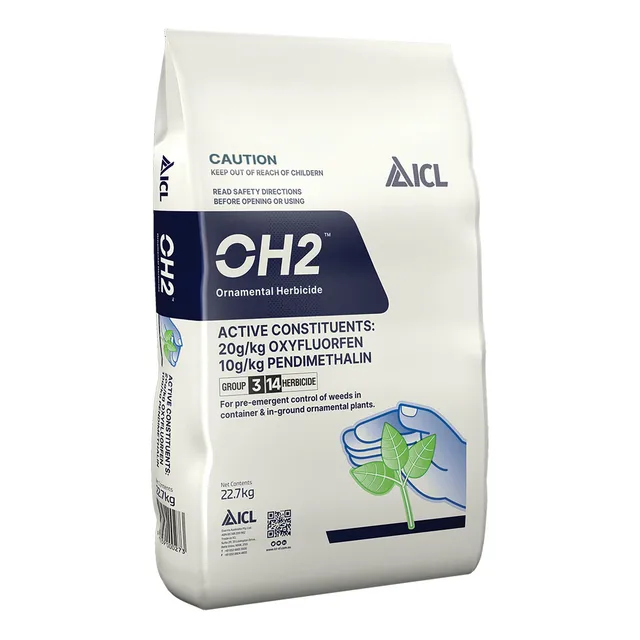
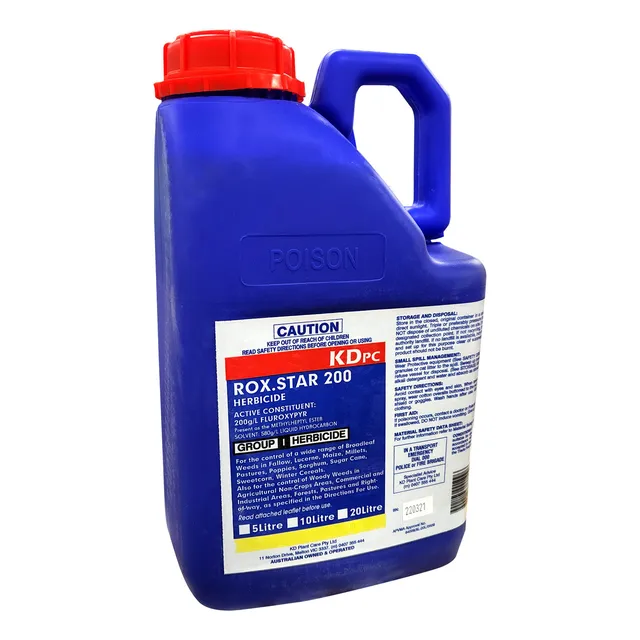
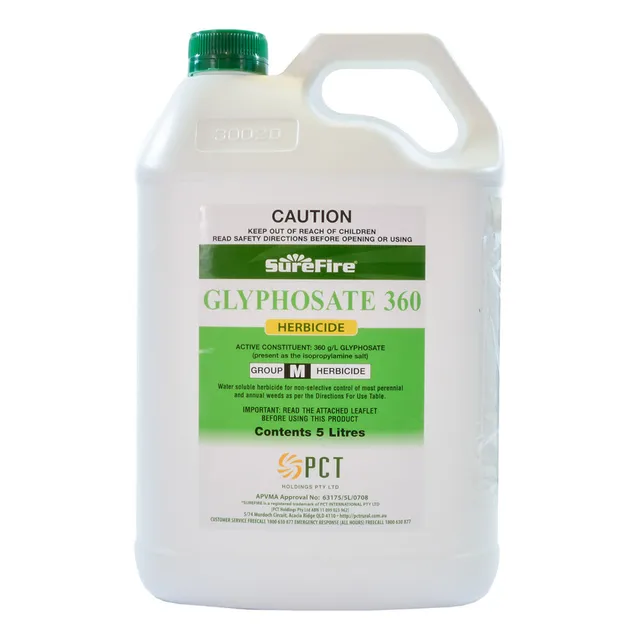
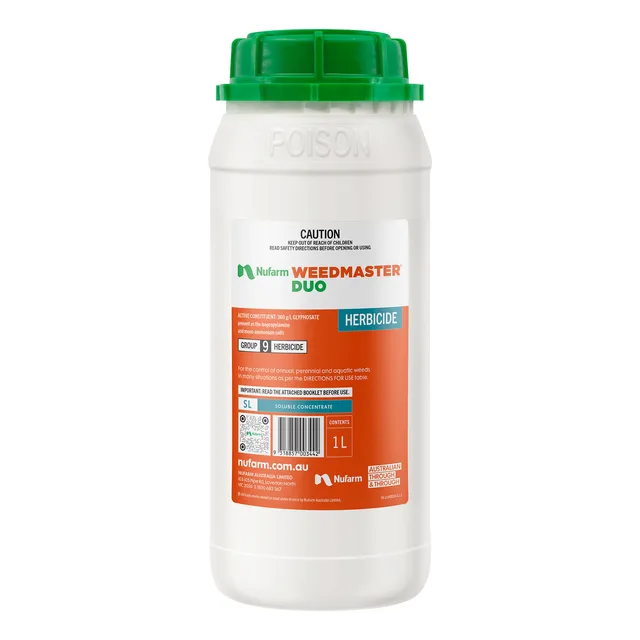
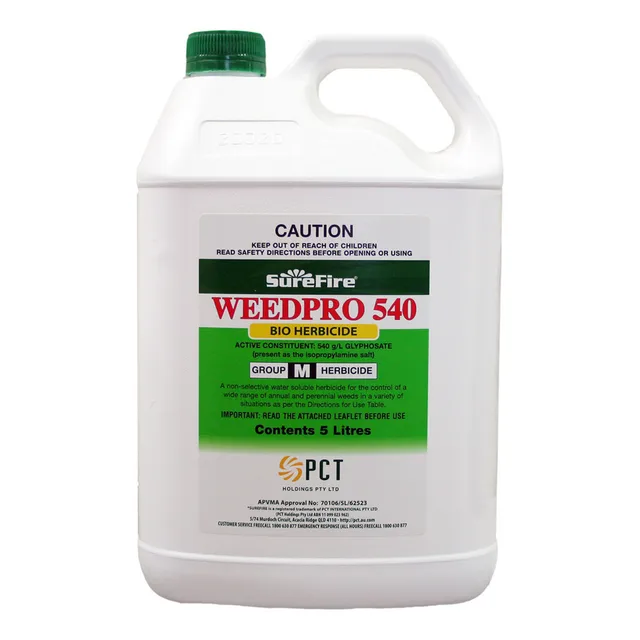
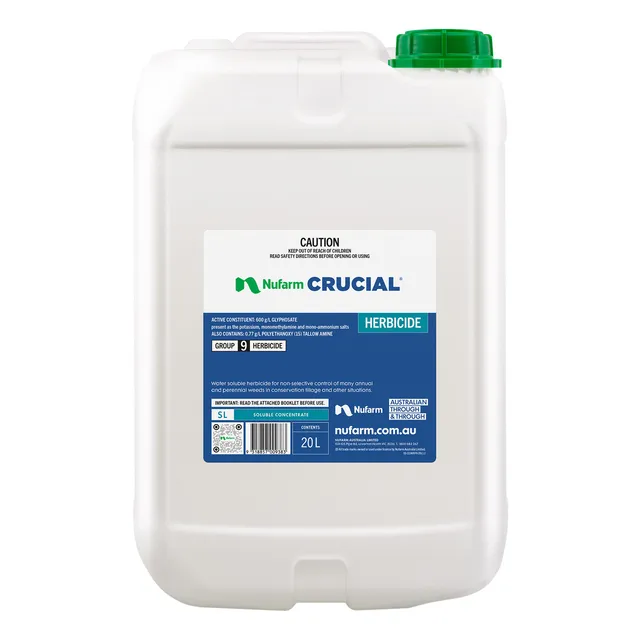
Registered products we stock
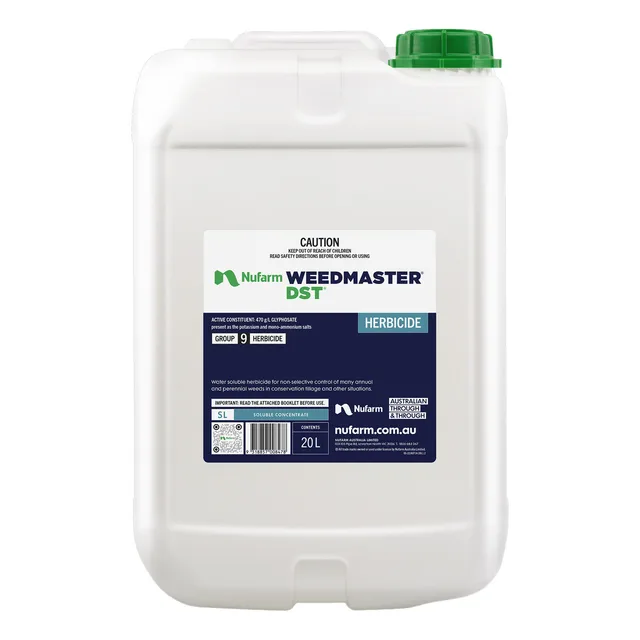
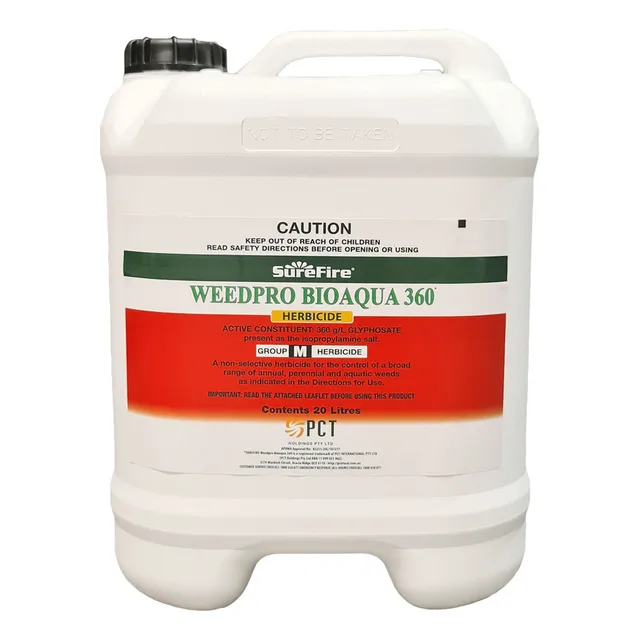
No products match those filters.