

African Black Beetle
Heteronychus arator
African black beetle larvae and adults chew turf roots and stems, causing patches of dead or weakened lawn, especially over summer and autumn.
African black beetle is a soil-dwelling pest that attacks the roots and crowns of turf grasses, and occasionally vegetable and ornamental seedlings. It is one of the most damaging turf pests in warmer parts of Australia, particularly in coastal and near-coastal regions of New South Wales, Queensland and parts of Victoria and Western Australia.
The adult beetle is shiny black to dark brown, hard-shelled, and roughly 12-16mm long with an oval, convex body typical of scarab beetles. Adults fly at night, especially in spring and early summer, and are strong enough fliers to move between lawns and paddocks. The larva, often called a curl grub, is a creamy-white, C-shaped grub with a soft body, a light brown head capsule and three pairs of small legs near the head. Larvae grow to about 20-25mm and live in the soil beneath turf, feeding on roots and organic matter. Both adults and larvae are found within the top 5-10cm of soil, moving deeper in cold or dry conditions.
Adult beetles tunnel into the soil and chew through grass stems and crowns just below the surface, while larvae feed on root systems. This combined feeding weakens turf and reduces its ability to take up water and nutrients, making damage worse during hot, dry weather.
Activity typically peaks from late spring through to autumn, with adult flights and egg-laying occurring in spring and early summer, and larval feeding causing the most visible damage in late summer and autumn. Populations are usually monitored and managed with soil sampling, encouraging strong turf growth to help lawns recover, and, where needed, appropriately timed insecticide treatments targeting either adults or young larvae.
How to identify
- Irregular patches of wilted, yellowing or dead turf that do not respond to watering, often appearing first in warmer, well-drained areas of the lawn
- Turf that feels spongy or lifts easily from the soil because roots and stems have been chewed away below the surface
- Small, round entry or exit holes in the soil surface where adult beetles have burrowed
- Increased bird activity (such as magpies or plovers probing the lawn) or damage from other animals digging for grubs, which can indicate a larval infestation
Field check: Cut and peel back a section of affected turf, including a portion of surrounding healthy lawn, and inspect the soil and root zone for creamy-white, C-shaped grubs or shiny black adult beetles. Counting the number found per square metre helps gauge whether numbers are high enough to justify treatment.
Lookalikes: Curl grubs are often confused with other scarab larvae such as cockchafers or lawn armyworm caterpillars. Cockchafer grubs look similar but tend to be slightly smaller and found in a wider range of soil types; lawn armyworm larvae are segmented caterpillars (not C-shaped grubs) and feed on grass blades at the surface rather than roots below ground, and are usually active at night with visible chewing damage on leaf blades.
Registered products we stock
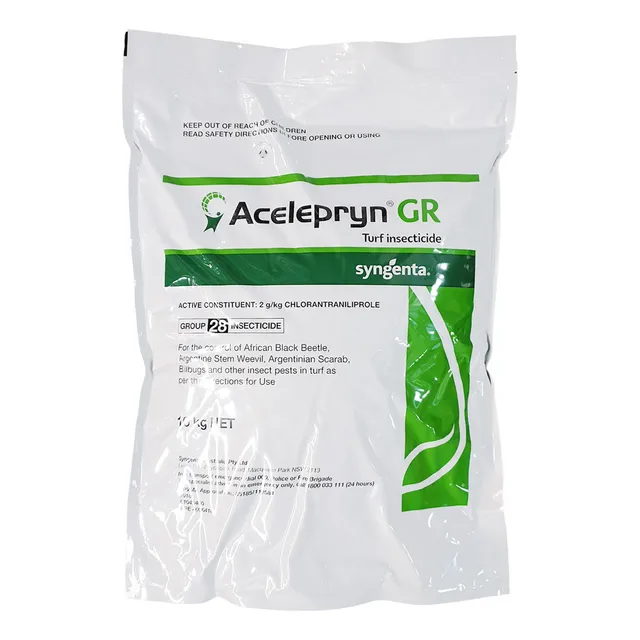
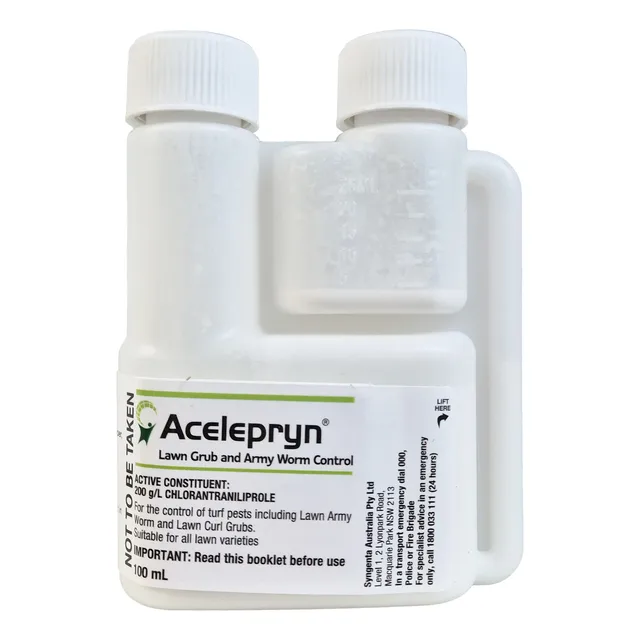
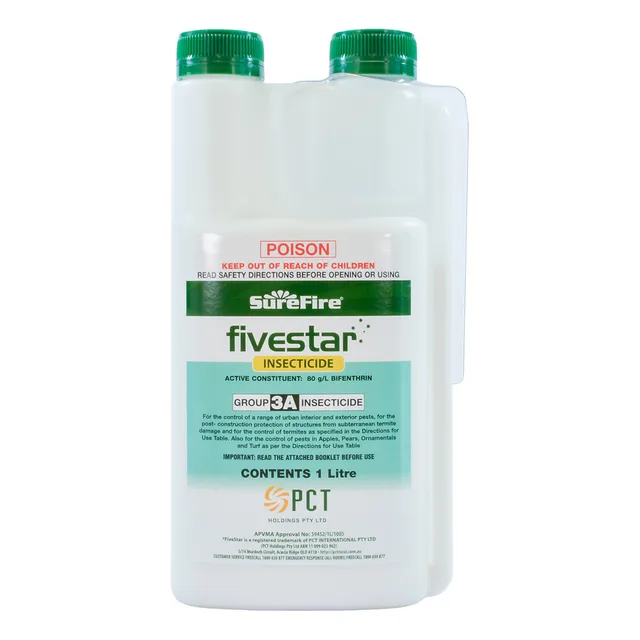


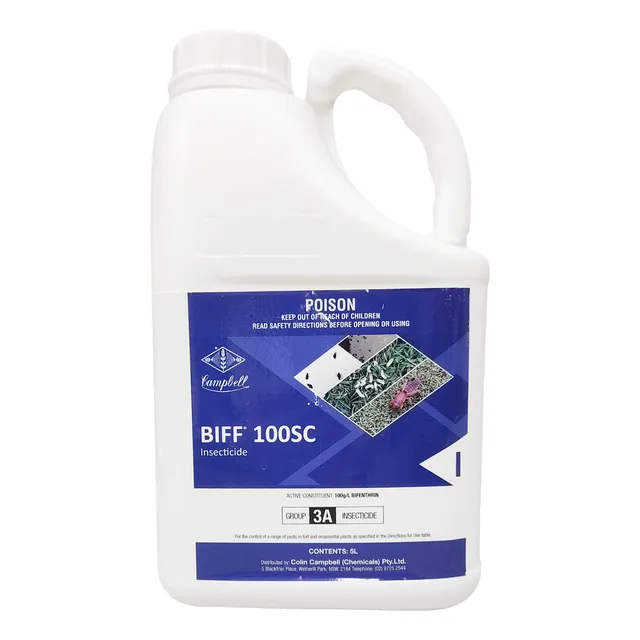
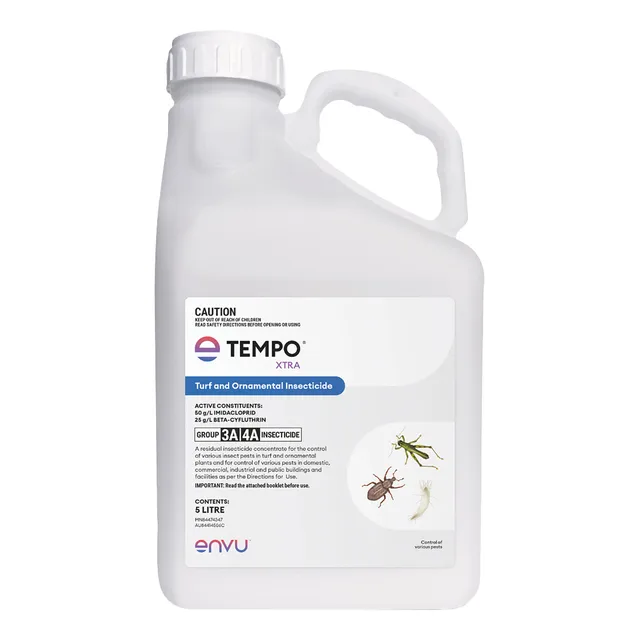

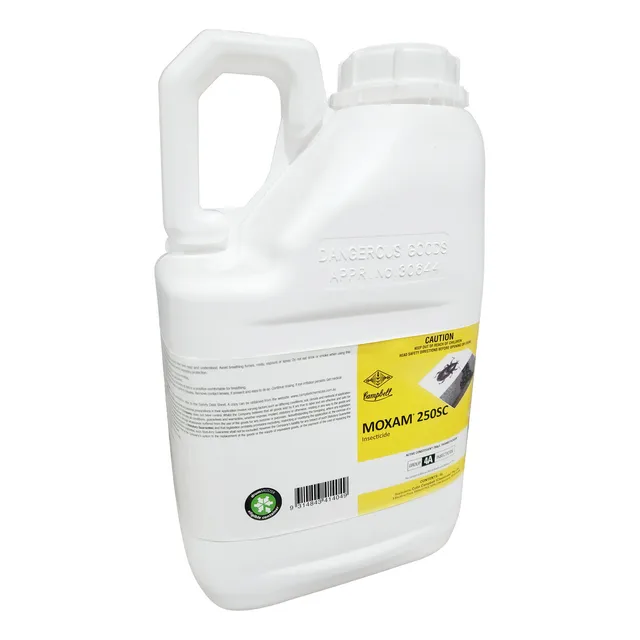

No products match those filters.