

Caterpillars
Lepidoptera (larvae)
Caterpillars are moth or butterfly larvae that chew leaves, flowers, fruit and turf, ranging from minor nibbling to severe defoliation.
Caterpillars are the larval stage of moths and butterflies (order Lepidoptera). They vary enormously in appearance, but most are soft-bodied, cylindrical, and range from 10mm to over 50mm long depending on species and age. Colours span green, brown, grey and black, often with stripes, spots or a hairy covering. Some, like loopers, move with a distinctive arching motion because they lack a full set of middle legs. Adults are winged moths or butterflies that don't feed on the plant directly but lay the eggs that hatch into the damaging larvae. Eggs are usually laid on leaves, stems or in soil near the base of plants, singly or in clusters.
In gardens and lawns across Australia, caterpillars target a huge range of hosts: vegetables (cabbage, tomato, beans), fruit trees, ornamentals, and turf grasses. Many species overwinter as pupae in soil or leaf litter and emerge as adults in spring, with peak larval activity through spring and summer when warm, humid conditions favour rapid growth and multiple generations. Some, like armyworm and webworm in lawns, can build up quickly after warm, wet spells or following rain that follows a dry period.
Management relies on regular monitoring rather than routine treatment, since natural predators (birds, wasps, and predatory insects) often keep populations in check. Hand-picking is practical for small infestations on vegetables and ornamentals. Encouraging beneficial insects, rotating crops, and removing plant debris where pupae shelter all reduce ongoing pressure. Where numbers are damaging, targeted treatment while larvae are small is far more effective than waiting until they are large and heavily fed.
Correct identification matters because control timing and method differ between species — a leafroller curling foliage needs a different approach to a lawn armyworm feeding at night.
How to identify
- Chewed or ragged leaf margins and irregular holes in foliage, sometimes skeletonised leaves with only veins remaining.
- Rolled or webbed leaves (leafrollers, webspinners) where larvae shelter inside folded foliage tied with silk.
- Damage to flowers, buds or fruit — small entry holes, frass (caterpillar droppings) around the wound, or hollowed-out fruit.
- Lawn symptoms: irregular brown or thinned patches, grass blades chewed to the crown, and notched or ragged leaf blades, often worse after warm, wet weather. Damage frequently appears overnight as many species feed at dusk or after dark.
- Frass (droppings), small dark pellets on leaves or at the base of plants, are a reliable sign larvae are active nearby.
Field checks: Search leaf undersides and rolled foliage by hand, or check the thatch and soil surface of lawns early morning or evening when caterpillars are active. For lawn species, drench a suspect patch with a solution of dishwashing liquid and water (a simple soap flush) — caterpillars irritated by the soap will surface within a few minutes. Peeling back turf at the edge of a damaged patch can also reveal larvae hiding in thatch during the day.
Lookalikes: Sawfly larvae resemble caterpillars but have more than five pairs of prolegs (caterpillars have five or fewer) and often feed in groups. Slugs and snails leave a similar ragged feeding pattern but leave slime trails and lack the segmented, legged body of a caterpillar — check for silvery trails to rule these out.
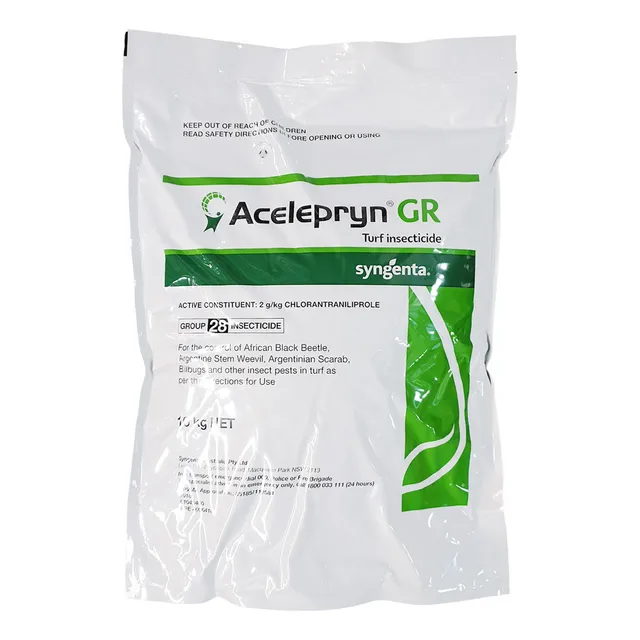
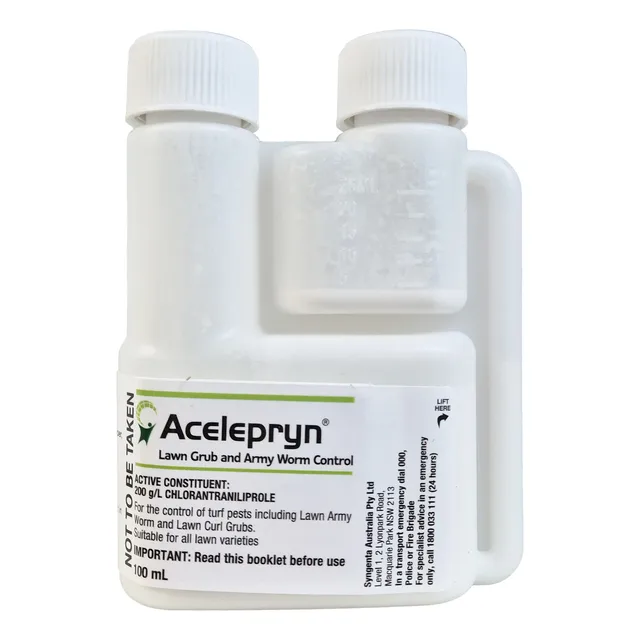
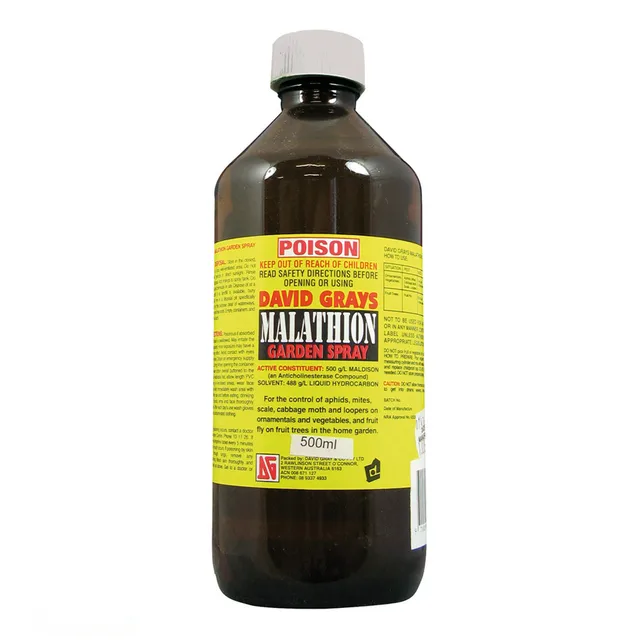
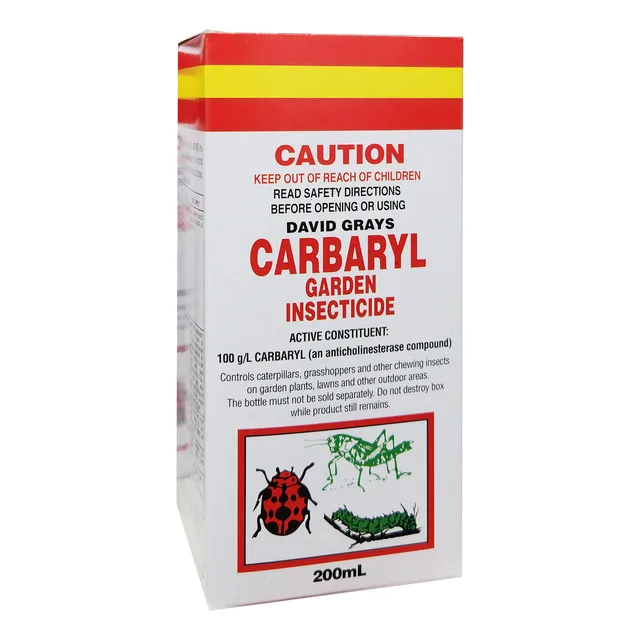
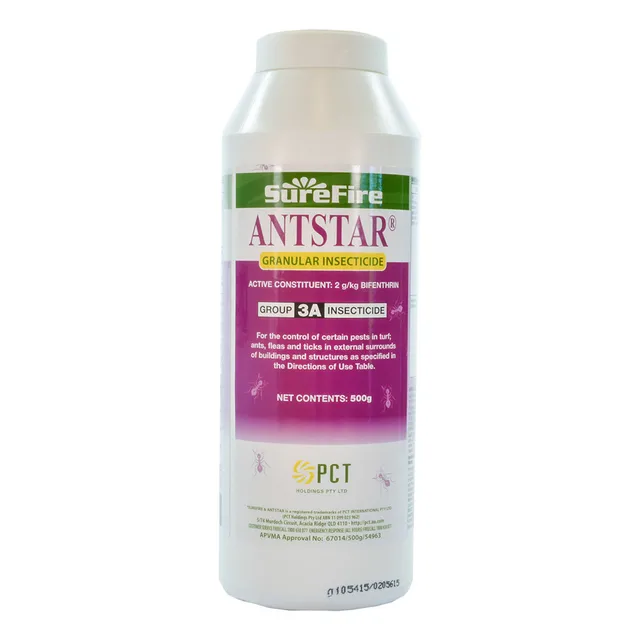
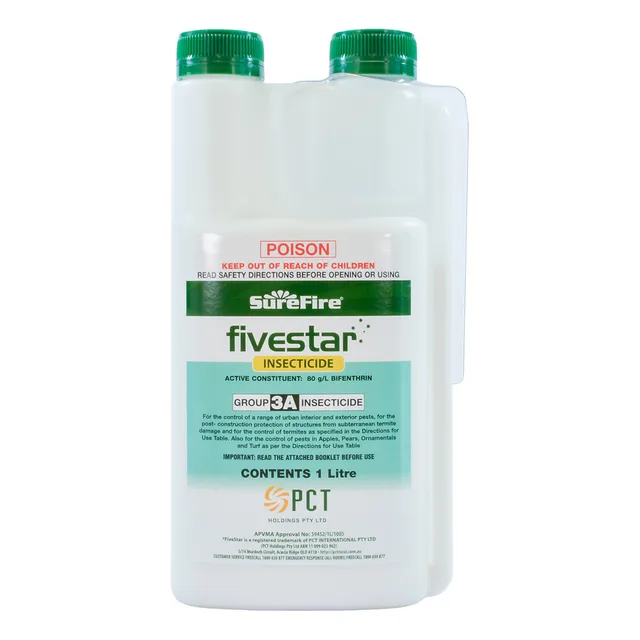
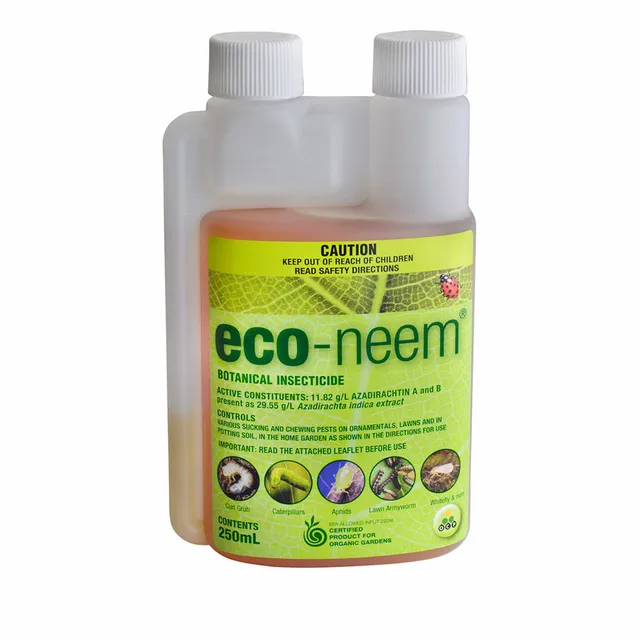
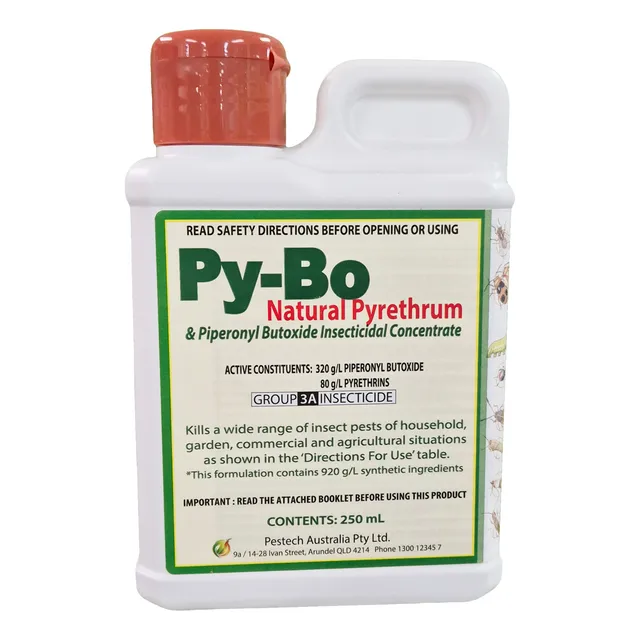
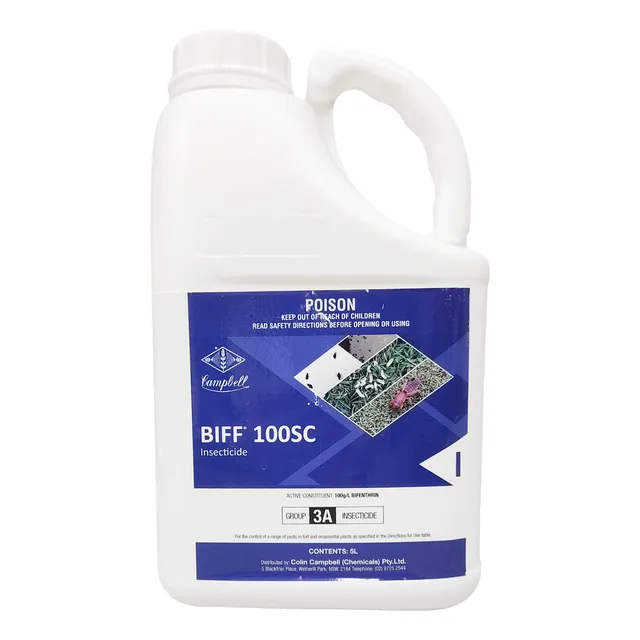
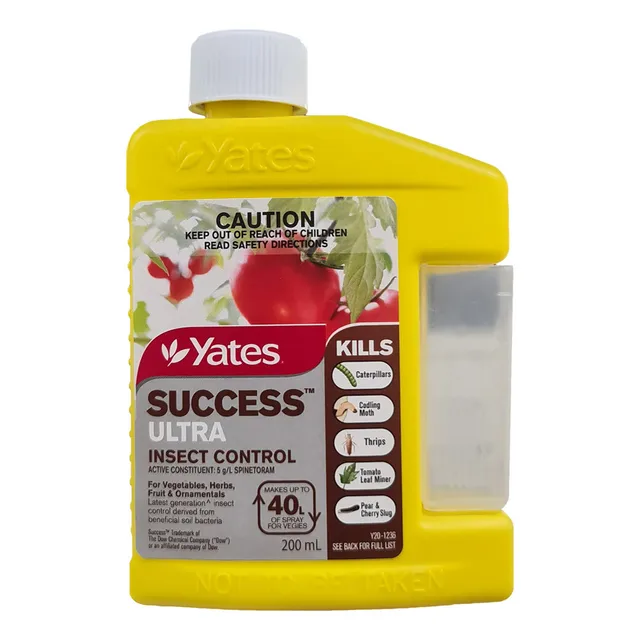
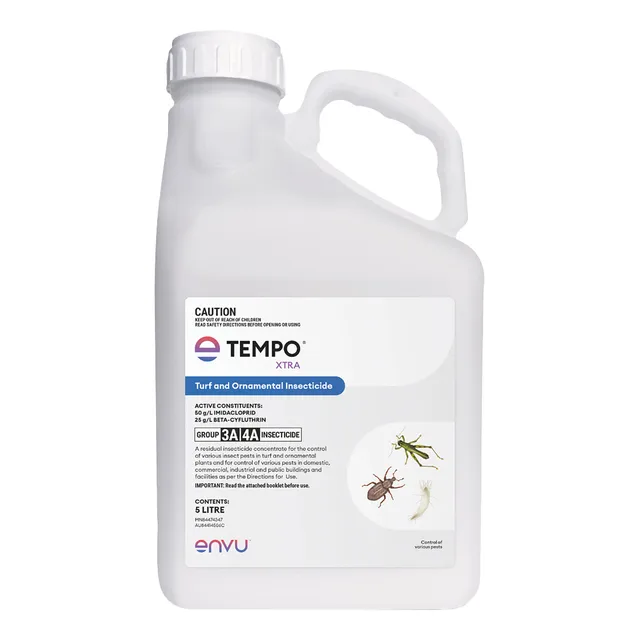
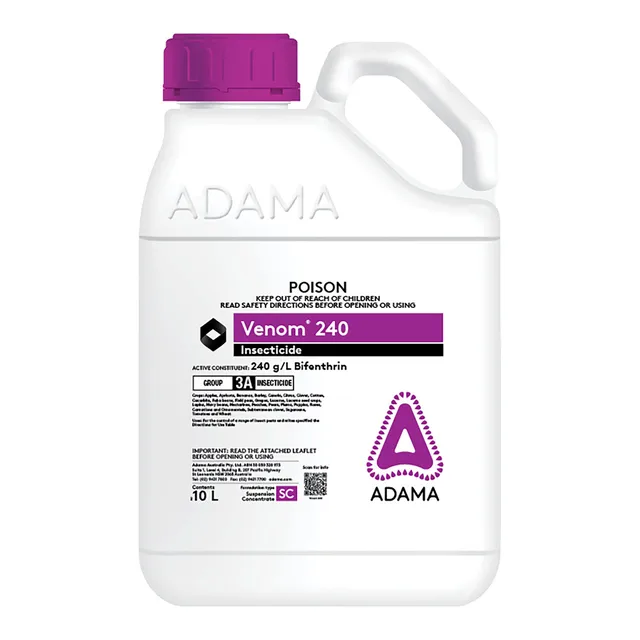
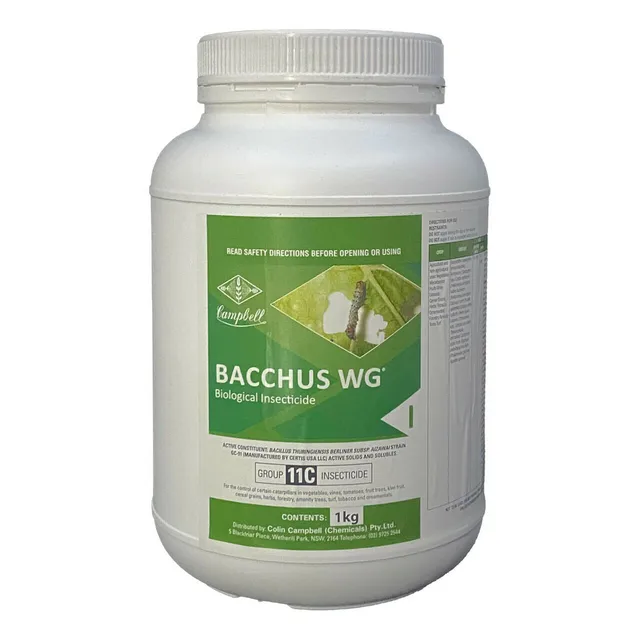
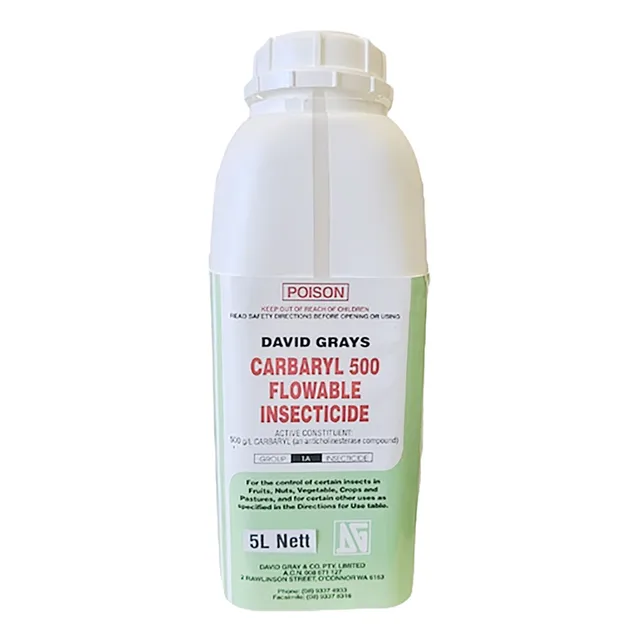
Registered products we stock
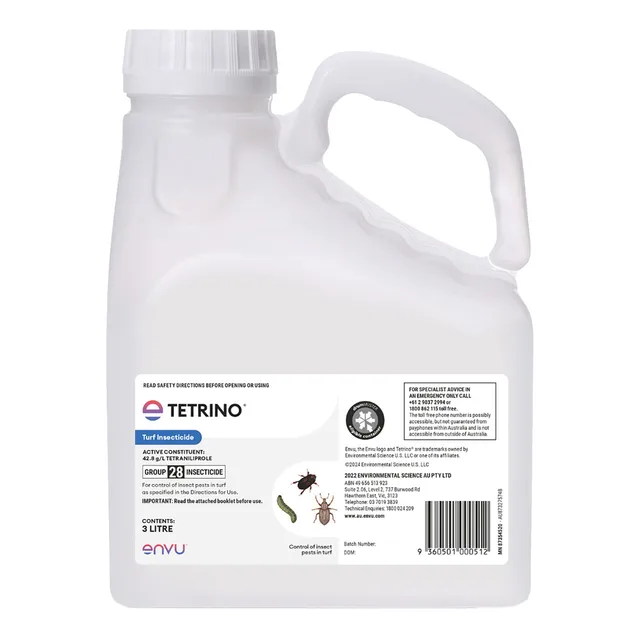
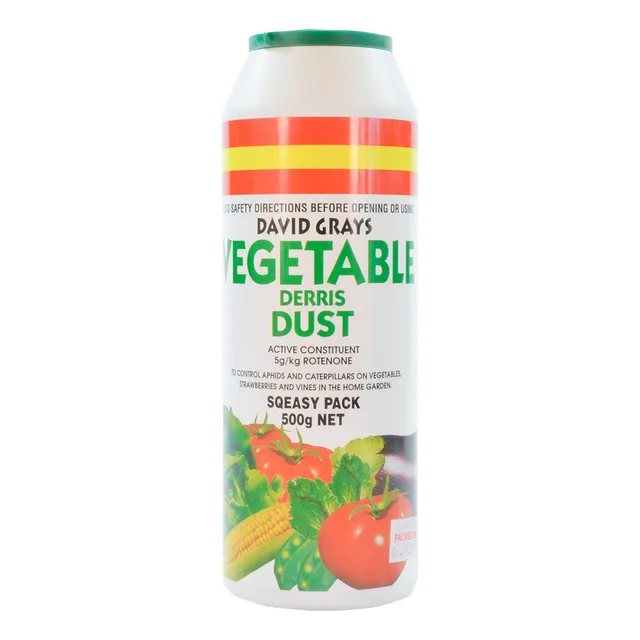
No products match those filters.