

Cutworms
Agrotis spp.
Cutworms are night-feeding moth caterpillars that chew through seedling stems at ground level, killing young plants overnight.
Cutworms are the larval (caterpillar) stage of several night-flying moths in the genus Agrotis, including the black cutworm and common brown cutworm. The adult moths are unremarkable, mottled grey-brown, with a wingspan of around 3.5–4.5 cm, and are strictly nocturnal fliers with no direct feeding impact on plants themselves.
The caterpillars are the damaging stage. They are plump, smooth-skinned grubs up to 4–5 cm long when fully grown, ranging in colour from grey and brown through to almost black, sometimes with faint longitudinal stripes. A key identifying habit is that they curl tightly into a C-shape when disturbed. During the day they hide just below the soil surface or under debris close to the base of plants, emerging at night to feed.
Cutworms are found across most of Australia and are most active in the warmer months, though some species overwinter as larvae and cause damage into early spring. They favour recently cultivated or newly sown ground, home vegetable patches, and turf areas that have been recently renovated or reseeded, since bare or thin soil gives them easy access to tender young growth.
Populations tend to build where weeds or a previous crop have provided food before a new planting goes in, so the moths have already laid eggs in the soil. Good weed control, tilling before planting, and avoiding heavy thatch or mulch build-up around seedlings all help reduce shelter and food sources. In lawns, keeping grass healthy and not over-watering in the evening (which encourages surface activity) can reduce the risk of a damaging outbreak.
How to identify
- Young seedlings sliced off cleanly at or just below soil level, often overnight, with the top of the plant left lying nearby.
- In turf, irregular brown or dead patches, sometimes with a ragged, chewed appearance to grass blades near the soil surface.
- Bare or thin patches in newly sown lawn or garden beds, particularly following recent cultivation.
- Small, round holes or missed sections in leaves, especially on very young plants, from caterpillars feeding just above ground.
To confirm cutworms: check the soil surface immediately around damaged plants, scraping back the top 1–2 cm of soil in a small area — the C-shaped, dull grey-brown caterpillars are usually found curled up just below the surface within a few centimetres of the damaged stem. Searching at night with a torch may reveal them actively feeding above ground.
Lookalikes: armyworm caterpillars cause similar chewing damage but tend to feed on leaf blades rather than severing stems at the base, and are often found higher on the plant rather than in the soil. Wireworms (click beetle larvae) also live in soil and damage seedlings, but are slender, hard-bodied, and yellow-brown rather than plump and soft-bodied like cutworms.
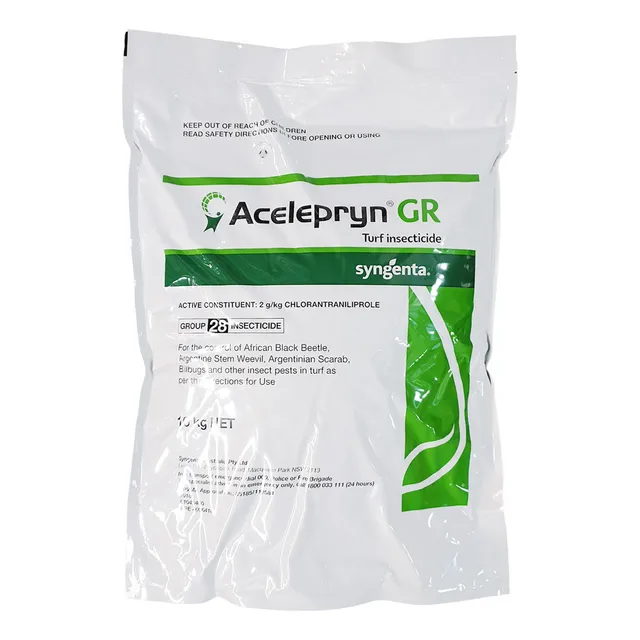
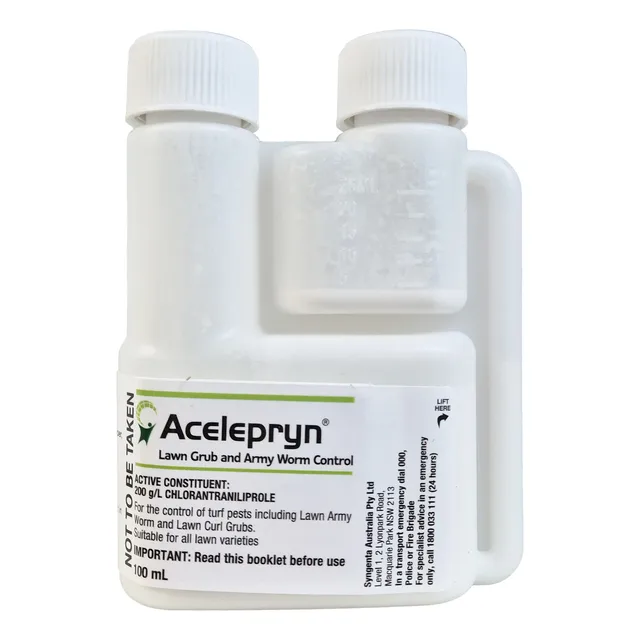
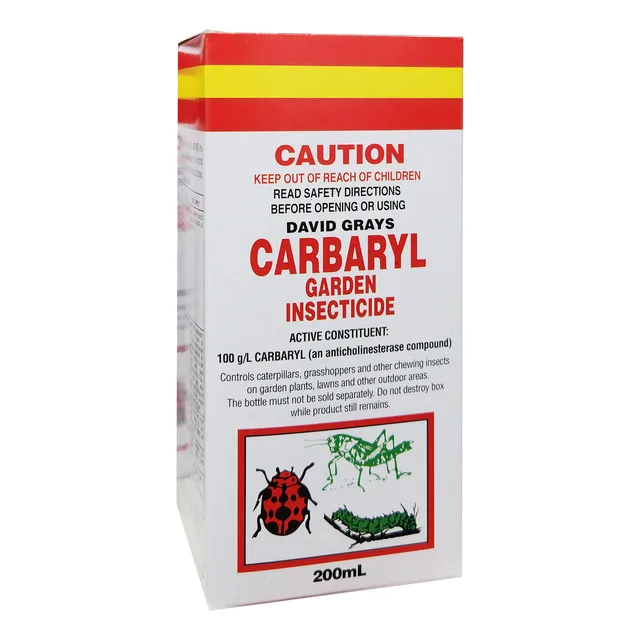
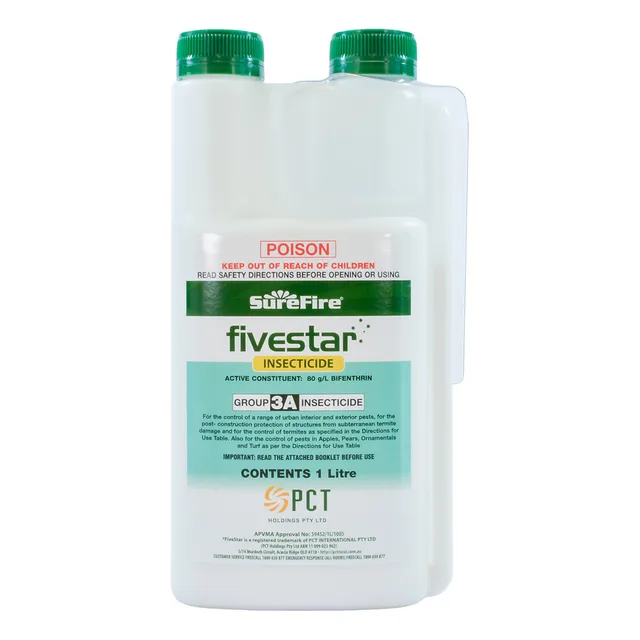
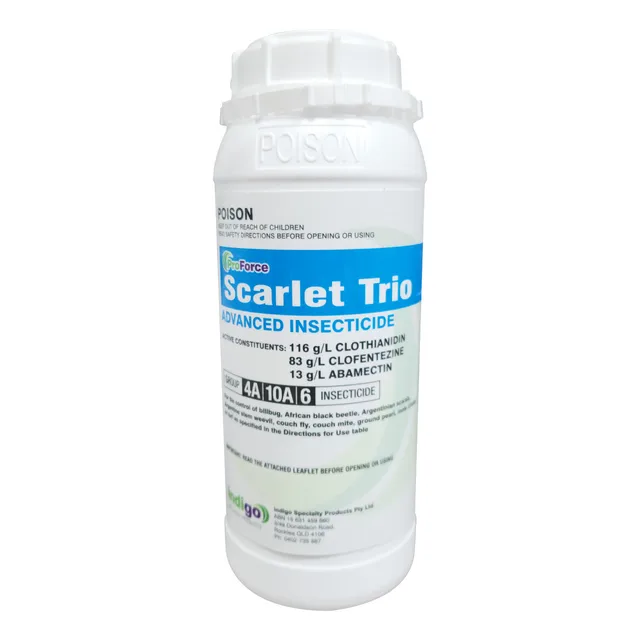
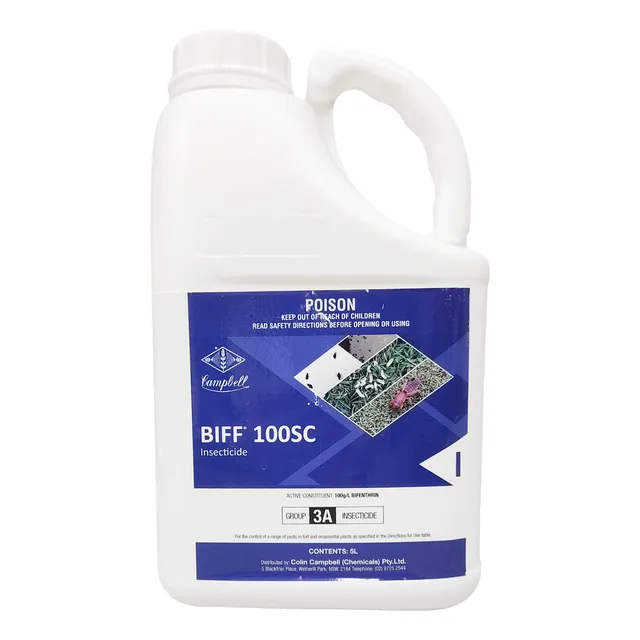
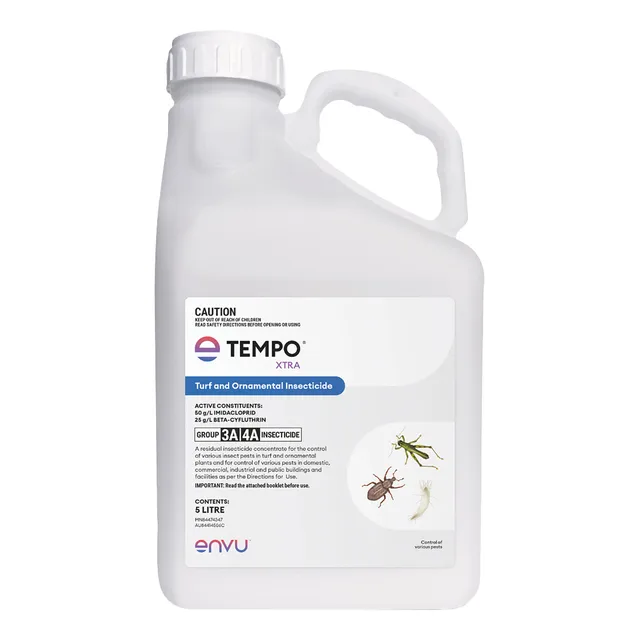
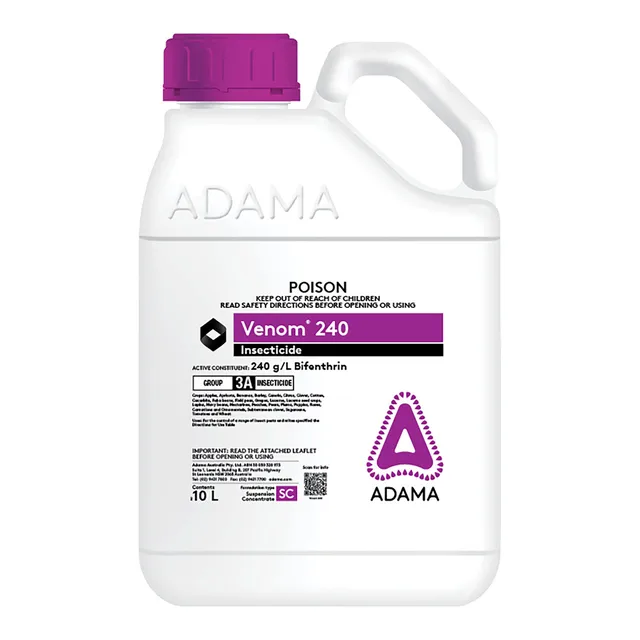
Registered products we stock

No products match those filters.