

Lace Bugs
Tingidae spp.
Lace bugs are sap-sucking insects that mottle and bronze leaves, commonly seen on azaleas, olives and macadamias across Australia.
Lace bugs are small sap-sucking insects named for the intricate, lace-like pattern on the adult's wings and thorax. Adults are around 3-5mm long, flattened, and appear pale brown to straw-coloured with a網-textured, almost transparent wing covering that gives them a delicate, decorative look when viewed closely. Different species specialise in particular hosts, including azalea lace bug, olive lace bug, macadamia lace bug and sycamore lace bug, each preferring the leaves of their namesake plant.
Juveniles (nymphs) are wingless, spiny-looking, and much smaller than adults, ranging from pale translucent to dark brown or black as they mature through several growth stages. Both nymphs and adults feed exclusively on the underside of leaves, where they pierce leaf tissue and suck out cell contents. Their black, tar-like droppings (frass) are often visible on the underside of infested leaves alongside cast skins from moulting nymphs.
These insects are found throughout Australia wherever susceptible host plants grow, with activity peaking in warmer months from spring through to autumn. Populations can build up quickly in still, sheltered conditions, particularly on stressed or drought-affected plants, and on the undersides of dense foliage where predators have difficulty reaching them.
Management relies on regular inspection of leaf undersides, especially during warmer months, and addressing plant stress through adequate watering and mulching, since stressed plants tend to suffer worse infestations. Encouraging natural predators such as lacewings, ladybirds and predatory bugs helps keep populations in check. Heavily infested leaves can be pruned out and disposed of to reduce the breeding population, and a strong jet of water can dislodge nymphs and adults from foliage.
How to identify
- Leaf mottling: Upper leaf surfaces develop a pale, stippled or bleached appearance, sometimes described as a silvery or bronze speckling, caused by feeding damage.
- Leaf undersides: Look for black, varnish-like specks of frass, cast nymph skins, and the insects themselves clustered on the underside of leaves.
- Distorted or discoloured foliage: Heavily affected leaves may yellow, brown, curl, or drop prematurely, particularly on evergreen shrubs like azaleas and olives.
- Field check: Turn over a suspect leaf and look closely with a hand lens for the flattened, lace-winged adults or spiny nymphs; tapping the leaf over a white sheet of paper can dislodge them for easier viewing.
- Lookalikes: Mottling from lace bug feeding can resemble spider mite damage, but spider mites leave fine webbing and tiny moving specks rather than lace-winged insects, and produce a stippled rather than blotchy pattern. Thrips damage tends to show as silvery streaking with black flecks of frass but lacks the distinctive lace-patterned wings visible on lace bug adults.
Registered products we stock
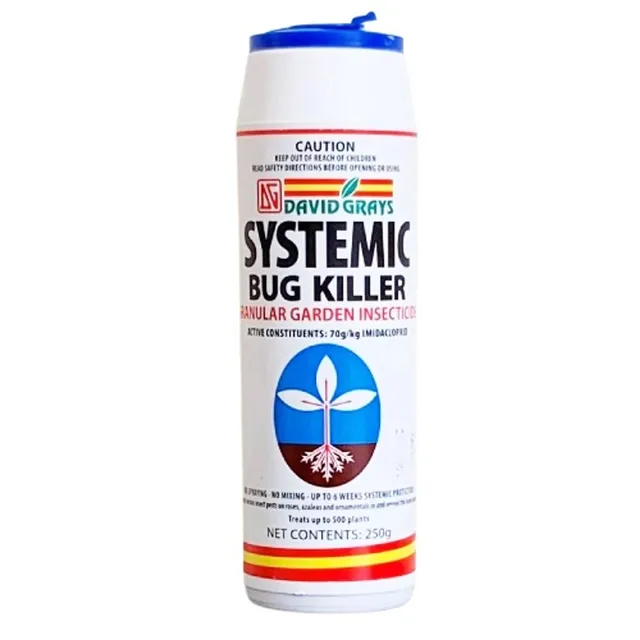
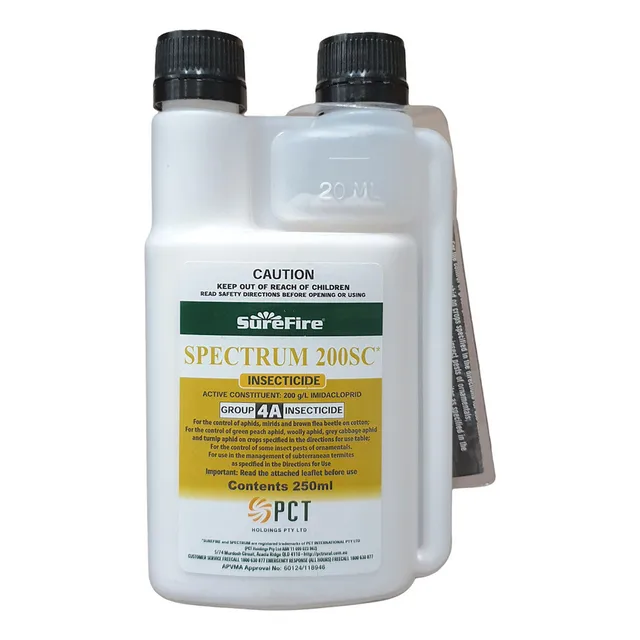
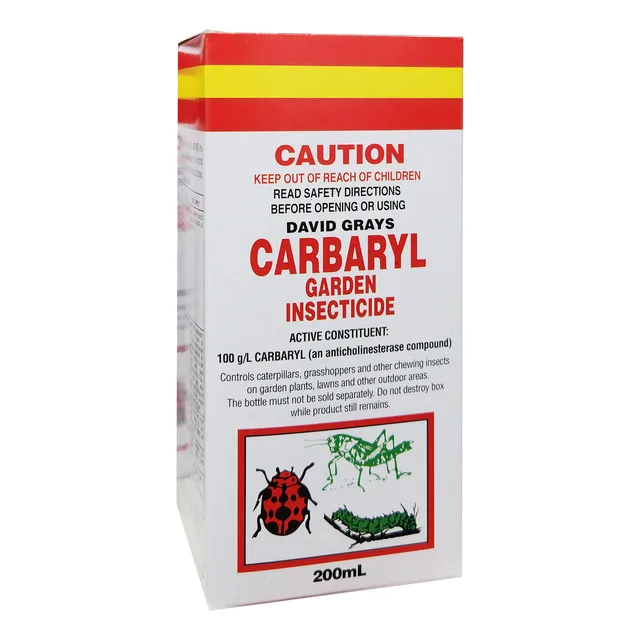
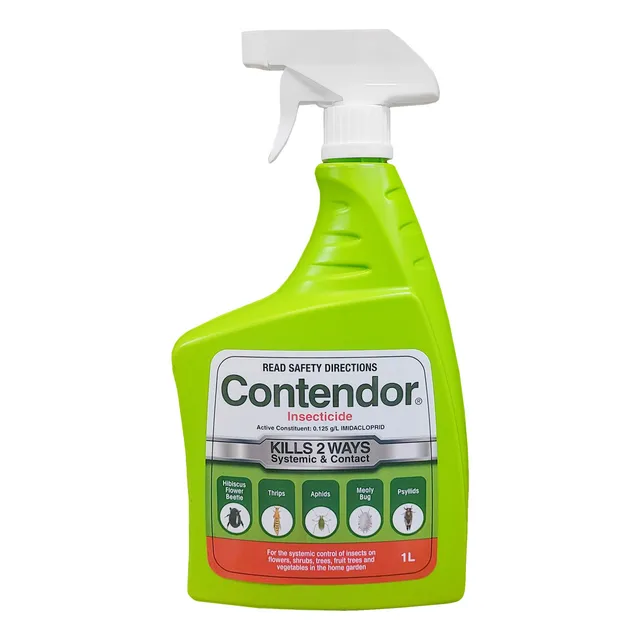


No products match those filters.