

Psyllids
Psyllidae
Psyllids are small sap-sucking insects that cause distorted leaves, sticky honeydew and, on some plants, pimple-like lerps on foliage.
Psyllids are a large family of tiny sap-sucking insects related to aphids. Adults are usually 2-5mm long, with a wedge-shaped body, clear or mottled wings held roof-like over the back, and strong jumping hind legs, which is why they're sometimes called jumping plant lice. Colour varies with species, from pale green or yellow to brown or grey. Nymphs are flatter, wingless, and often paler than adults, and are usually found clustered on the underside of young leaves or along stems where they feed. Many nymphs produce a protective waxy or crystallised sugar cover called a lerp, a small dome-shaped shelter that can range from a fine white speck to a noticeable cone visible to the naked eye.
Most psyllid species in Australia are host-specific, meaning each type feeds on a particular plant or closely related group. Lilly pilly psyllid and tea tree psyllid attack native ornamentals, spotted gum lerp psyllid affects eucalypts, leucaena psyllid targets the fodder tree leucaena, and tomato-potato psyllid feeds on solanaceous crops such as tomato, potato and capsicum. Because of this specificity, correctly identifying the host plant is often the quickest way to work out which psyllid you're dealing with.
Psyllids appear across most of Australia, with activity generally increasing in the warmer months from spring through to autumn. Populations can build quickly in warm, humid conditions and on stressed or over-fertilised plants that produce a lot of soft new growth. Tomato-potato psyllid is of particular concern because it can transmit a bacterium associated with dieback in solanaceous crops.
Management focuses on monitoring regularly, especially new growth and leaf undersides, removing heavily infested shoots, and encouraging natural predators such as ladybirds, lacewings and predatory bugs, which can keep numbers in check on established plants. Avoid excessive nitrogen fertiliser, as it promotes the soft new growth psyllids prefer. On valuable or production plants, control measures registered for the specific psyllid and host plant may be needed if numbers are high or damage is spreading.
How to identify
- Sticky honeydew and sooty mould: a shiny, sticky residue on leaves and anything beneath the plant, often followed by black sooty mould growth.
- Distorted or discoloured new growth: curled, puckered, yellowing or stunted young leaves and shoot tips.
- Lerps on leaves: small white, cream or brown dome or cone-shaped structures on the leaf surface, particularly on eucalypts and lilly pilly.
- Leaf drop or dieback: in heavy or prolonged infestations, especially on stressed plants.
- Field check: turn leaves over and inspect closely, particularly new growth, for tiny flat nymphs and their lerp coverings, or tap affected foliage over a white sheet of paper or your palm to dislodge jumping adults.
- Lookalikes: psyllid damage is often confused with aphid infestation, but aphids are soft-bodied, non-jumping, and don't produce lerps; scale insects also produce a waxy cover but are immobile and don't jump as adults.
Registered products we stock
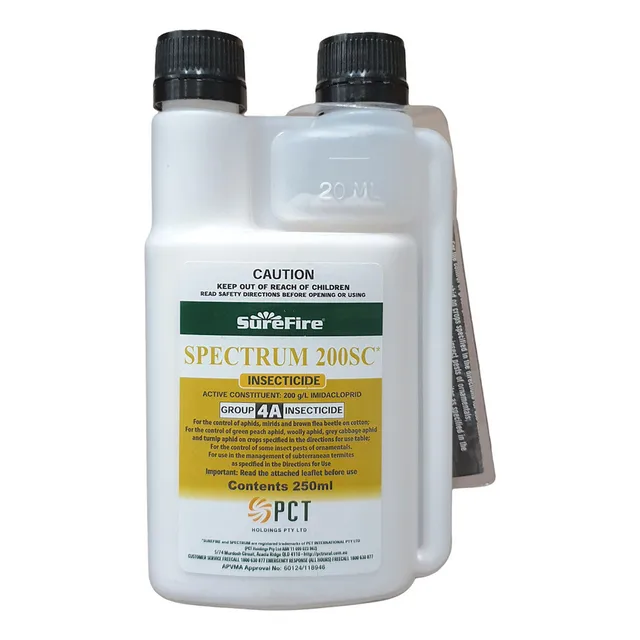
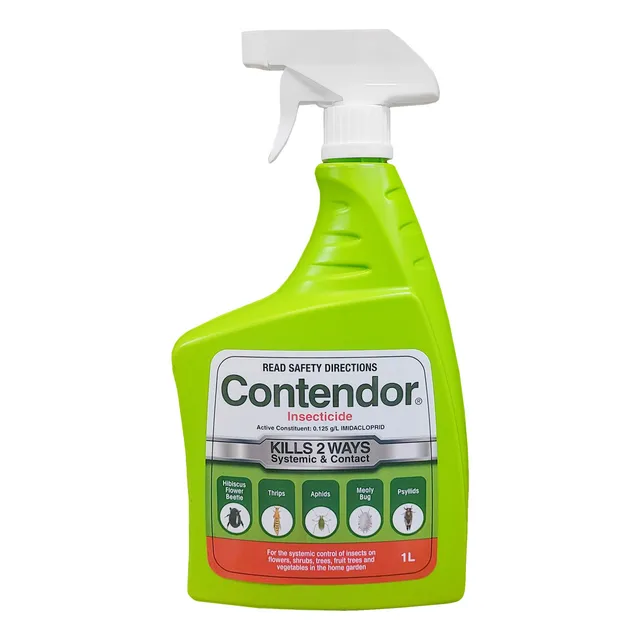
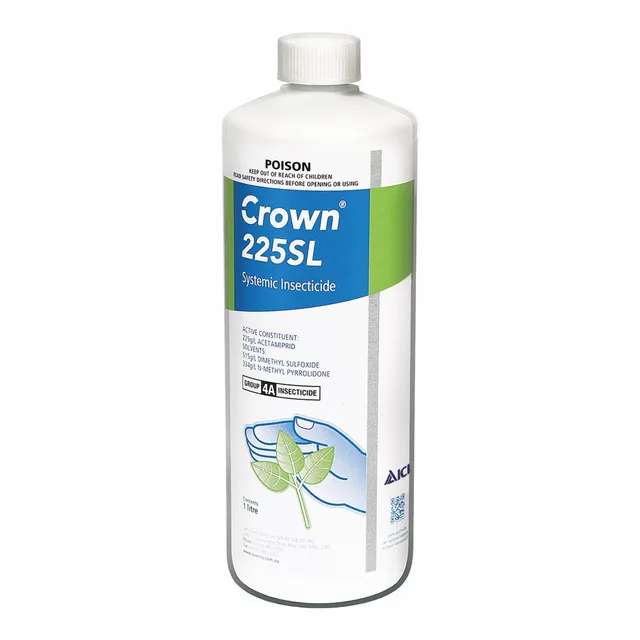
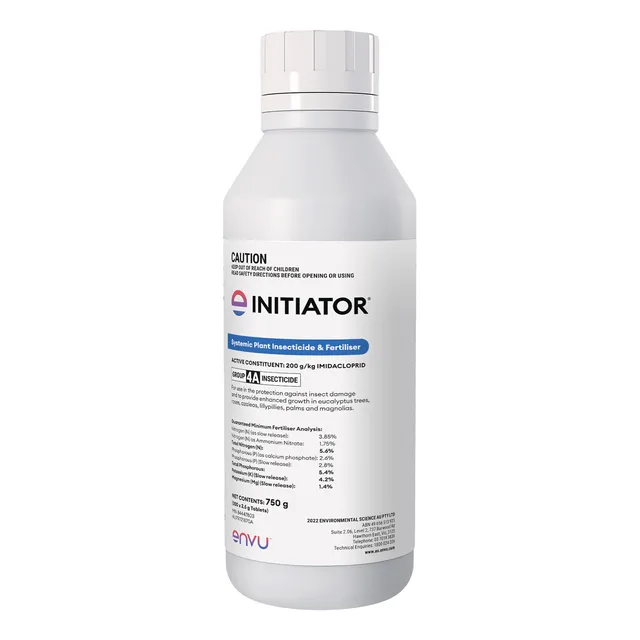
No products match those filters.