

Scarab Beetles
Scarabaeidae spp.
Scarab beetle larvae, known as curl grubs, feed on grass and plant roots underground, causing patchy dieback in lawns and garden beds.
Scarab beetles are a large family that includes several species affecting Australian lawns and gardens, such as the Argentinian scarab, black sunflower scarab, blacksoil scarab and pruinose scarab. Adults are stout, oval beetles roughly 10-25mm long depending on species, ranging from glossy black or dark brown to metallic green, often with a smooth, domed shell. They are most active at dusk and night during warmer months, when they fly to lights and mate.
The larvae, called curl grubs, are the damaging stage. They are creamy white with a brown head and three pairs of small legs near the front of the body, and they curl into a distinctive C-shape when disturbed. Depending on species and age, larvae range from about 10mm up to 40mm long. They live in the soil just below the turf surface or around plant roots, feeding on organic matter and root systems.
Adult beetles typically emerge over spring and summer following rain, mate, and lay eggs in soil. Eggs hatch into larvae that feed through the warmer months, with most damage seen from late spring through autumn when populations and feeding activity peak. Some species overwinter as larvae in the soil, becoming active again as temperatures rise.
Management relies on monitoring for larvae in the root zone, especially in lawns with a history of grub damage, and treating when numbers are high enough to cause visible dieback. Healthy, well-irrigated turf and garden beds recover more readily from light infestations, and encouraging natural predators such as birds can help keep numbers in check.
How to identify
- Patchy, browning turf that doesn't respond to watering, often expanding over weeks as larvae move and feed on roots.
- Turf lifts easily like loose carpet because the root system has been eaten away, and can often be rolled back by hand.
- Increased bird or animal activity such as digging by birds, possums or foxes searching for grubs beneath the turf.
- Wilting or stunted plants in garden beds where larvae have damaged roots, particularly in seedlings or potted plants.
- Field check: cut and peel back a square of affected turf or dig into the soil around damaged plants to look for C-shaped, cream-coloured grubs with brown heads. Counting grubs per square metre helps gauge whether numbers are high enough to justify treatment.
- Lookalikes: curl grubs are sometimes confused with African black beetle larvae, which are similar in shape but tend to be slightly smaller and found in similar turf situations — exact identification usually isn't critical for lawn damage but can help predict adult emergence timing. Adult scarab beetles can also be mistaken for African black beetle adults, which are smaller, uniformly black and more elongated, whereas scarab adults are often larger, more oval and sometimes metallic in colour.
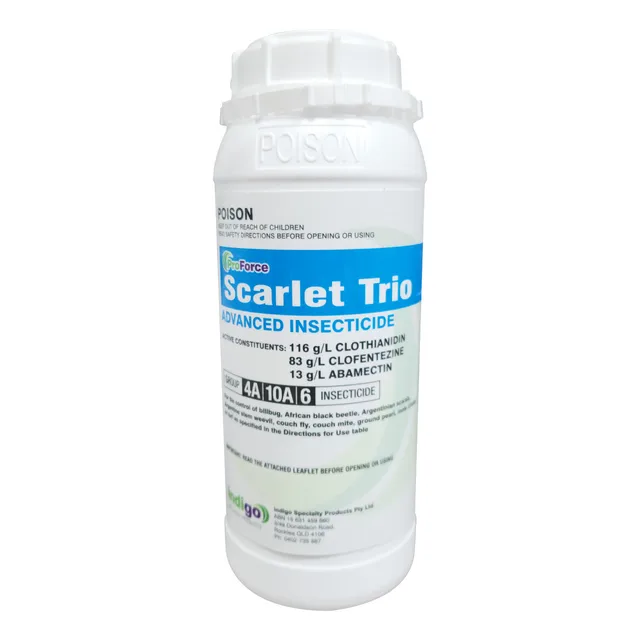
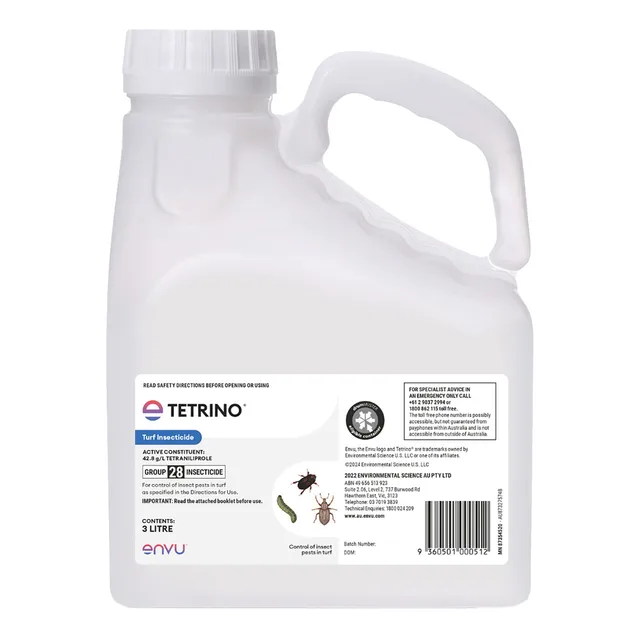
Registered products we stock
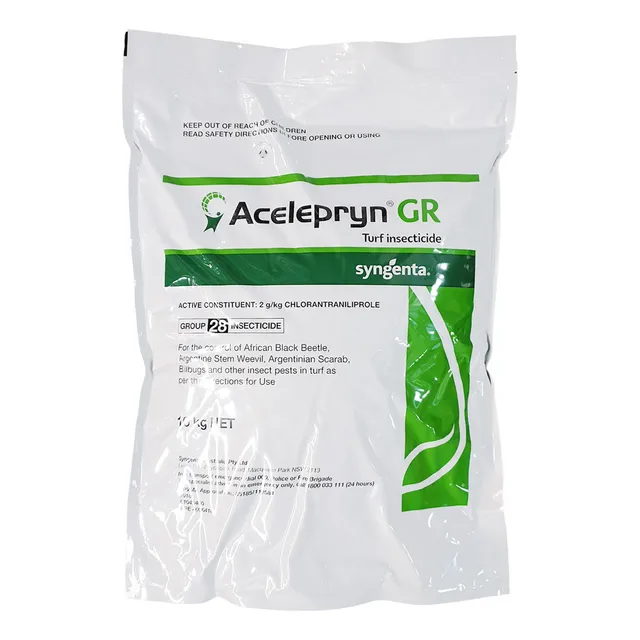
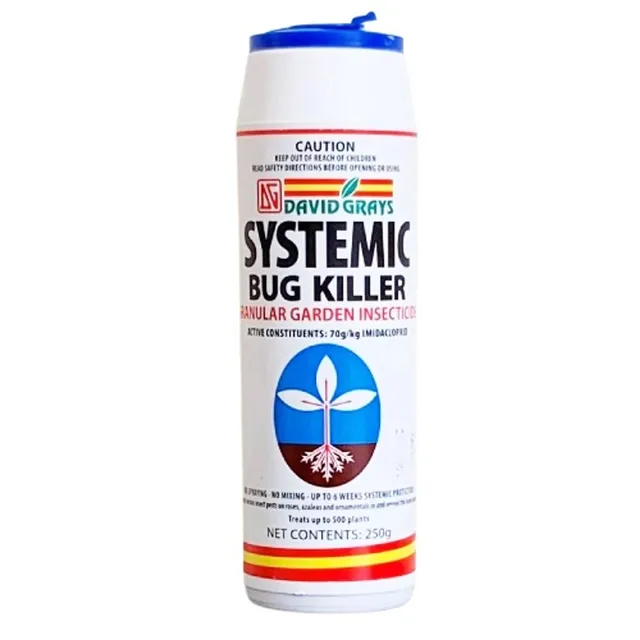

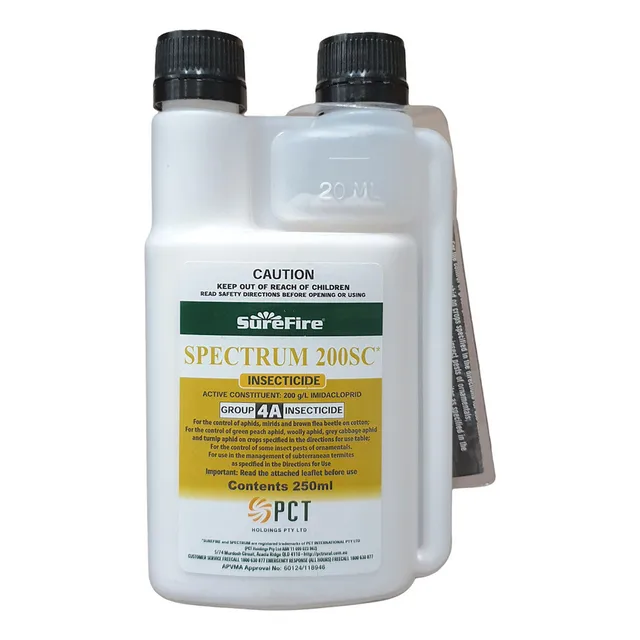


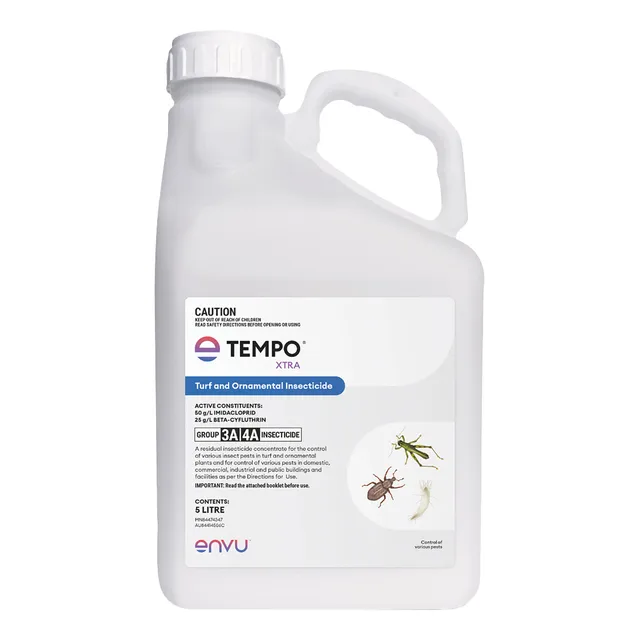


No products match those filters.