

Soursob
Oxalis pes-caprae
Soursob is a persistent winter-growing bulb weed with bright yellow flowers that spreads via underground bulbils and is very hard to eradicate.
Soursob is a perennial bulbous weed that grows from a small brown mother bulb buried deep in the soil, which produces a cluster of tiny bulbils around it each season. The leaves are clover-like, made up of three heart-shaped leaflets on long stalks, often with pale flecking or a slightly folded appearance, and they have a sour, tangy taste and smell when crushed due to high oxalic acid content. Flowers appear from late winter through spring, held above the foliage on slender stems, bright yellow with five petals and a funnel shape, usually in small clusters. In South Australia and parts of Victoria the flowers are typically sterile and do not set viable seed, so the plant relies almost entirely on underground bulbils for reproduction and spread.
This weed is widespread across southern Australia, particularly in South Australia, Victoria, and parts of New South Wales and Western Australia, thriving in the cooler, wetter months of autumn, winter and early spring. It dies back completely over summer, with the mother bulb and bulbils lying dormant underground until the following autumn break, when new growth emerges rapidly from disturbed or undisturbed soil alike.
Soursob is a serious weed of pastures, gardens, roadsides and cultivated ground because the bulbils are extremely persistent, resistant to frost and drought, and easily spread by cultivation, mowing equipment, and moving soil or turf that contains them. Each mother plant can produce dozens of small bulbils, and even a small fragment left in the soil after removal is enough to establish a new infestation the following season.
Management relies on persistence over several seasons because the underground bulbils survive most single treatments. Physical removal by digging is difficult since bulbils sit at varying depths and easily detach and remain in the soil. Smothering with dense mulch or competitive planting can reduce vigour over time, and repeated removal of top growth before flowering helps prevent the mother bulb from replenishing its energy reserves, gradually weakening the infestation.
How to identify
- Clover-like foliage: Clumps of trifoliate, heart-shaped leaflets appearing in dense patches during autumn, winter and spring, dying back over summer.
- Bright yellow flowers: Funnel-shaped yellow blooms on upright stalks above the foliage, typically from late winter into spring.
- Sour taste: Crushed leaves and stems have a distinctly sour, tangy smell and taste from oxalic acid.
- Underground check: Dig around an affected patch to find the small brown mother bulb and surrounding cluster of tiny rice-grain-sized bulbils; their presence confirms soursob rather than a lookalike.
- Lookalikes: True clovers (Trifolium species) have similar three-leaflet foliage but lack the sour taste, produce true seed rather than bulbils, and have white, pink or red flowers rather than yellow. Creeping oxalis (Oxalis corniculata) is a smaller, mat-forming relative with pale yellow flowers and seed capsules rather than a bulb system, and spreads by seed rather than underground bulbils.
Registered products we stock
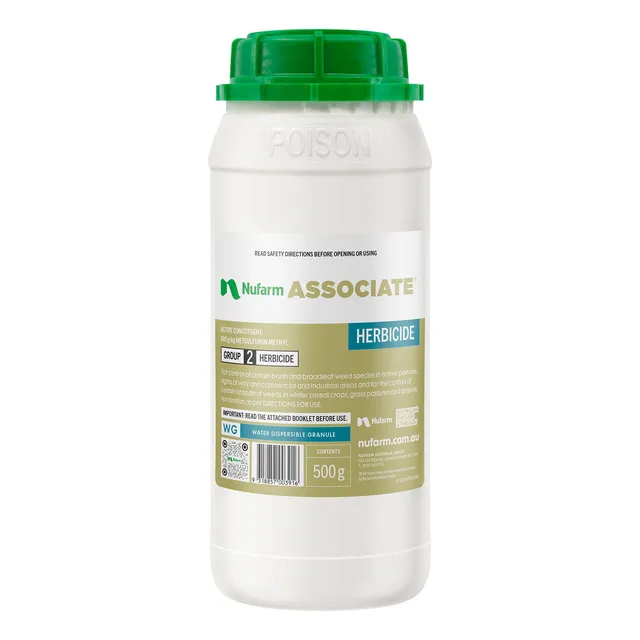

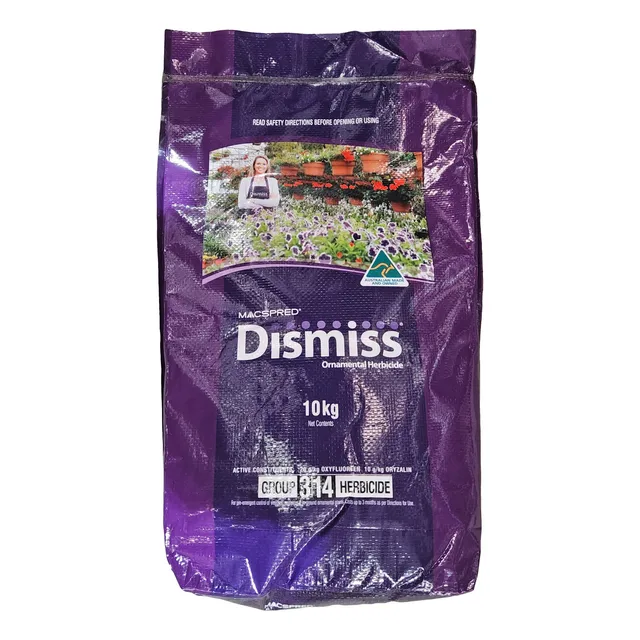
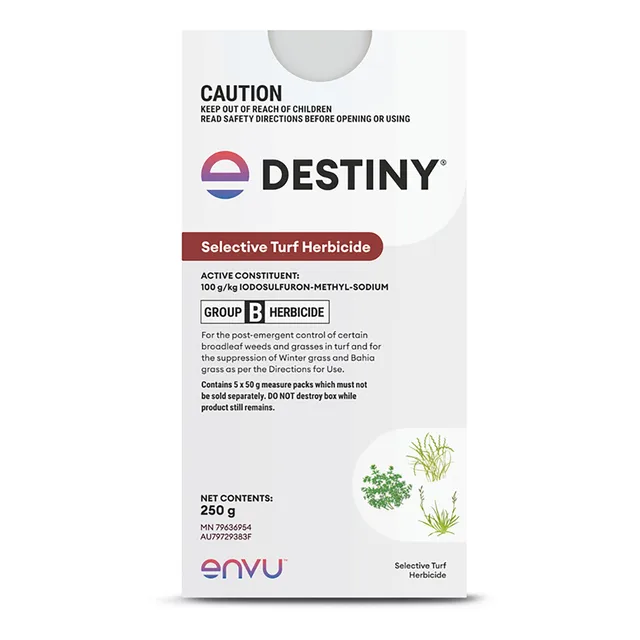
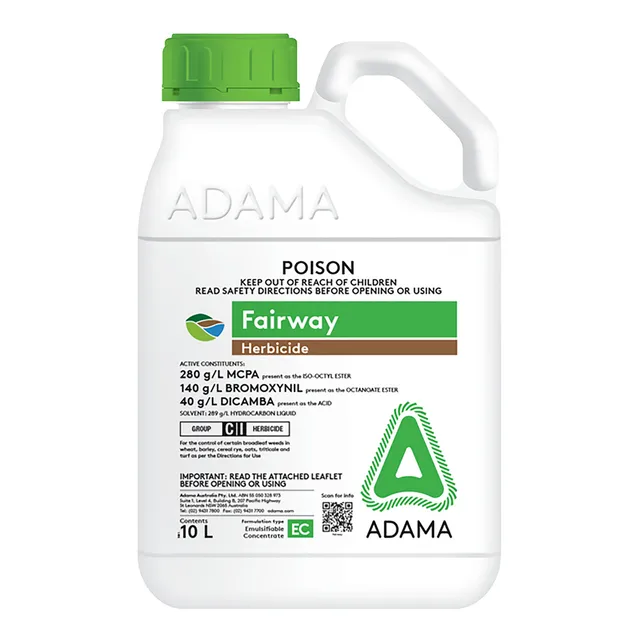
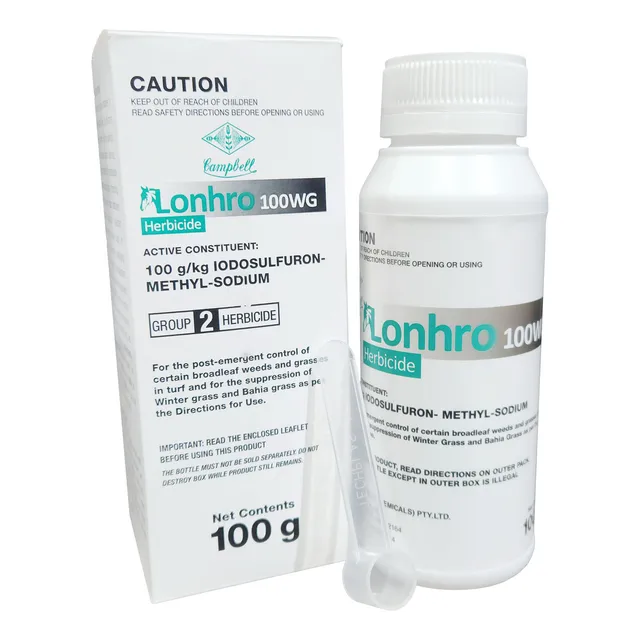
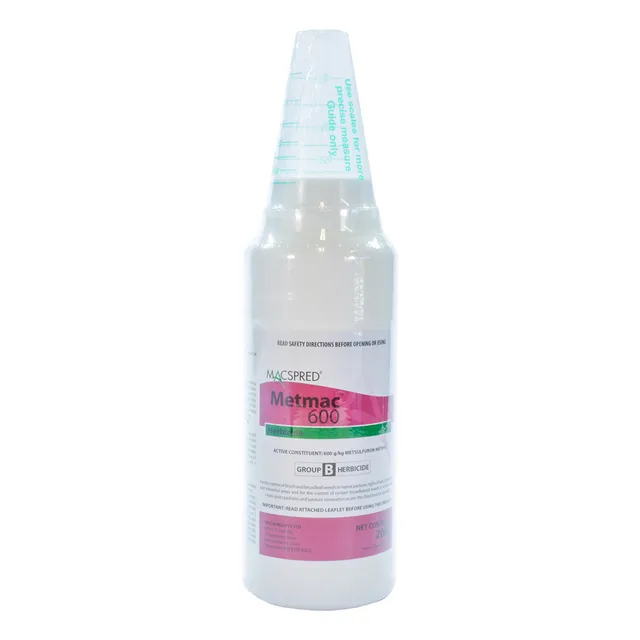
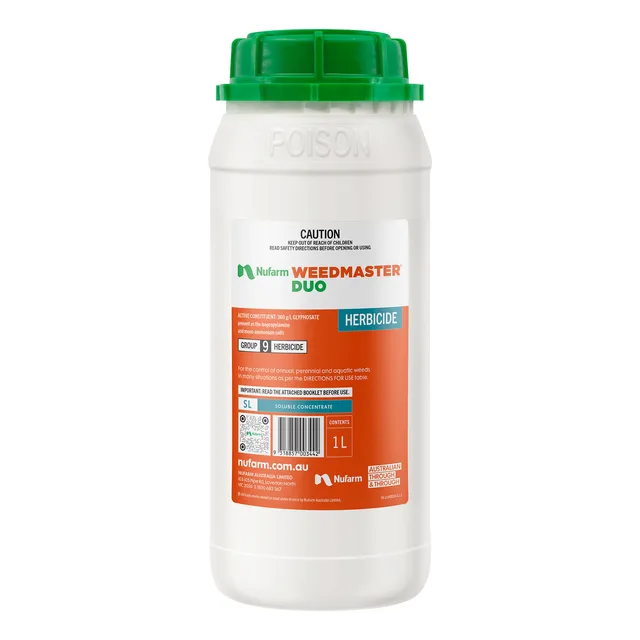
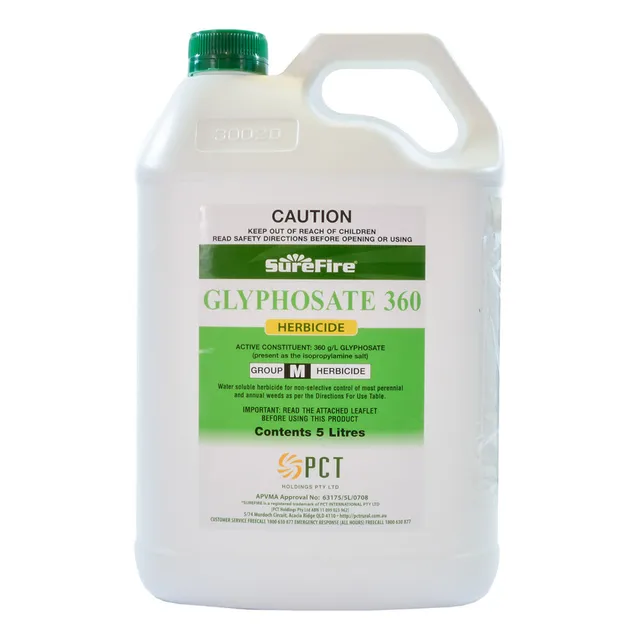
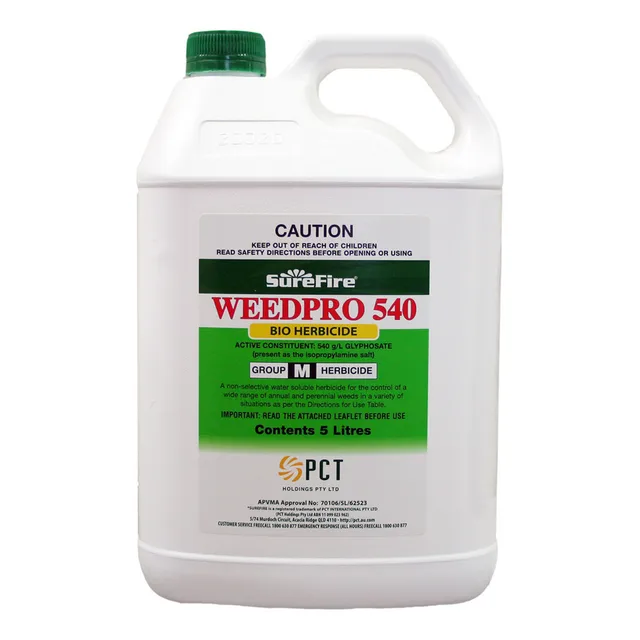
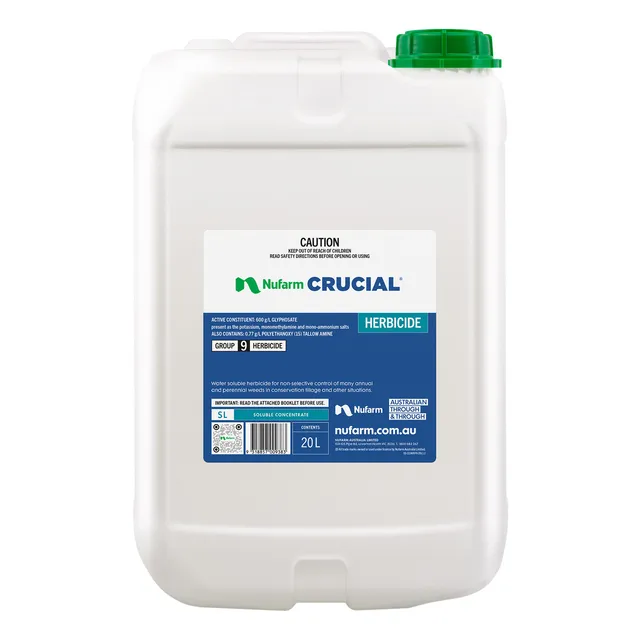
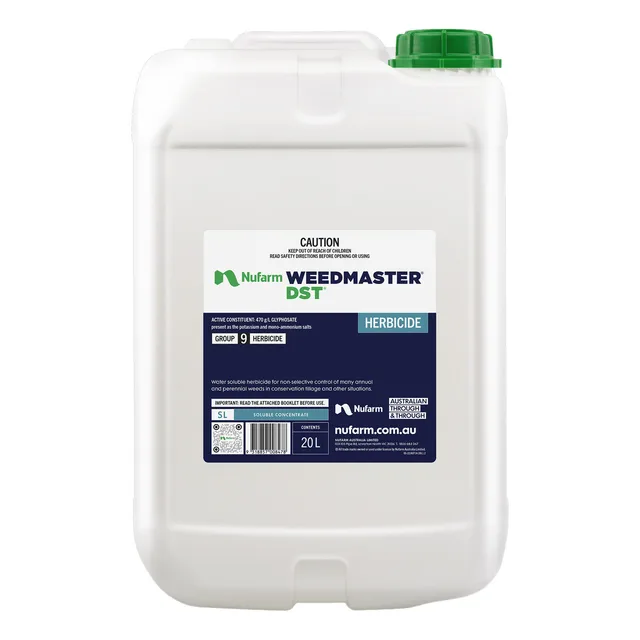
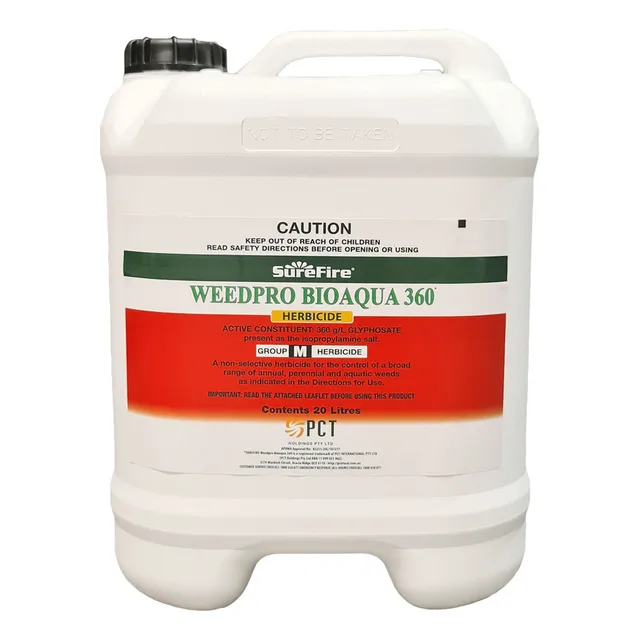
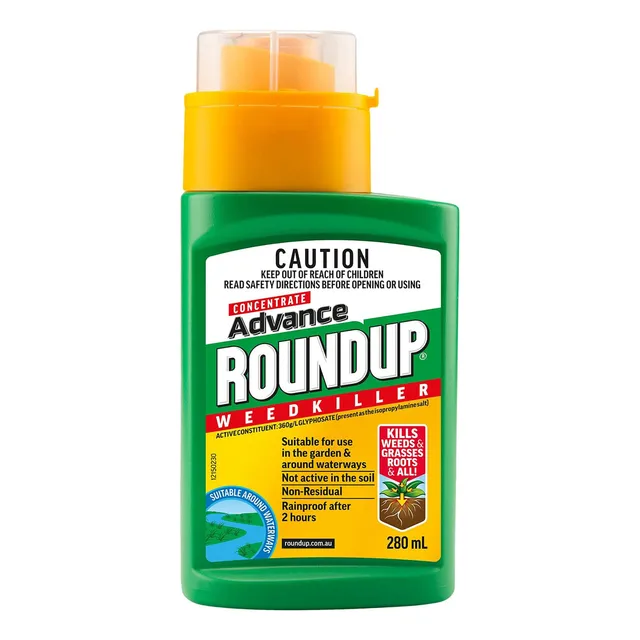
No products match those filters.