

Take-All Patch
Gaeumannomyces graminis
Take-all patch is a root-rotting fungal disease causing circular dead patches in couch and other turf, worst after wet, cool conditions.
Take-all patch is caused by the soil-borne fungus Gaeumannomyces graminis, which attacks the roots, crowns and stolons of turfgrass. The fungus produces dark brown to black runner hyphae that grow along and into the root system, rotting the roots and choking off the plant's ability to take up water and nutrients. Under humid conditions a dark fungal growth (ectotrophic mycelium) can sometimes be seen at the base of infected plants or on stolons if you dig them up and look closely.
The disease is most active in cool, wet soils, typically autumn through spring in temperate parts of Australia, and tends to flare up after periods of prolonged rain or overwatering. It favours turf growing in alkaline or poorly drained soils and is often triggered when grass is under stress from compaction, thatch build-up or nutrient imbalance, particularly high pH or excess nitrogen at the wrong time of year.
Take-all patch affects a range of turf species but is a particular problem in couch and other warm-season grasses recovering from winter dormancy, as well as bentgrass in cooler regions. It spreads slowly through the soil via infected root and stolon fragments, and can persist for years in a lawn once established, especially where drainage and soil health issues aren't addressed.
Management relies on improving turf health and soil conditions rather than relying on chemical control alone. This includes improving drainage, reducing thatch, avoiding excess nitrogen and high soil pH, and maintaining a consistent watering and mowing regime so the grass can recover and outgrow the disease. Aerating compacted soil and topdressing with quality soil or sand can help roots re-establish in affected patches.
How to identify
- Circular or irregular patches of yellowing, thinning or dead turf, ranging from a few centimetres to over a metre across.
- Patches often have a bronze, orange or reddish-brown ring at the outer edge where grass is actively dying, with weakened or bare turf in the centre as the disease progresses.
- Affected grass pulls up easily from the soil due to rotted roots, crowns and stolons.
- Weeds or off-colour grass often colonise the centre of older, dead patches once the surrounding turf has died back.
- To confirm, dig up a plug from the margin of a patch and wash the roots — look for blackened, rotted roots and dark runner hyphae running along the stolons or root surface.
- Take-all patch can be confused with other patch diseases such as spring dead spot or fairy ring. Fairy ring often shows a distinct ring of dark green, fast-growing grass and sometimes mushrooms, which take-all patch does not produce. Spring dead spot tends to reappear in the same spot each year and is more common in cooler climates on couch grass specifically — a root and stolon check for the dark fungal growth helps distinguish take-all from these look-alikes.
Registered products we stock
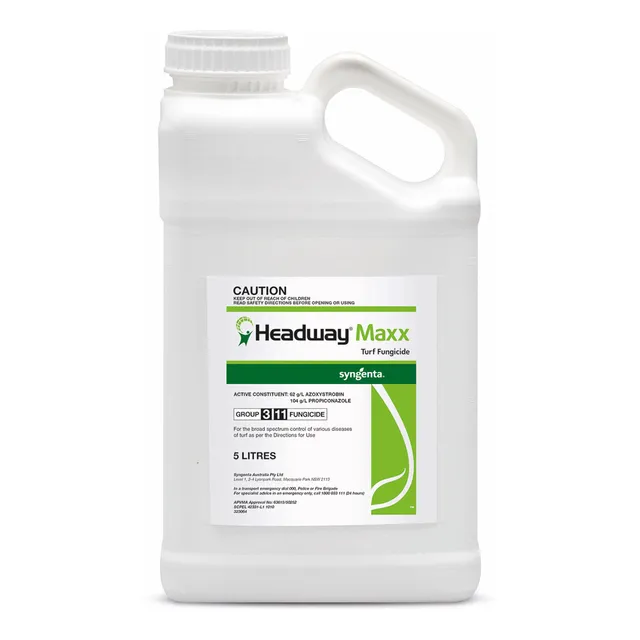
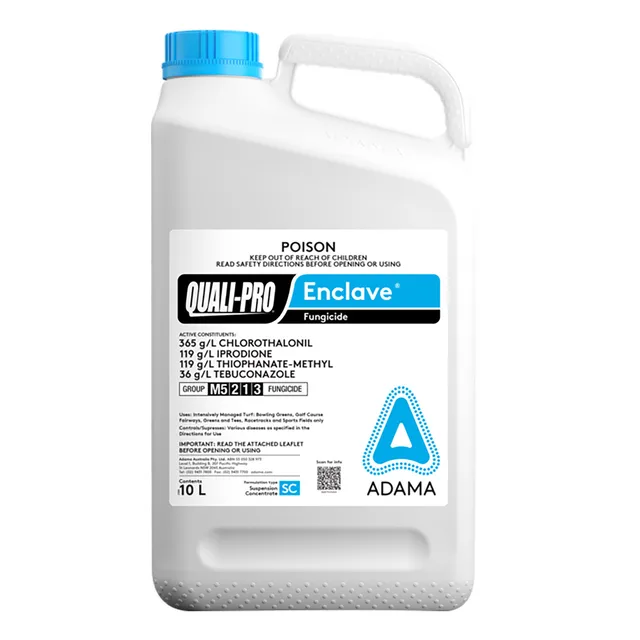
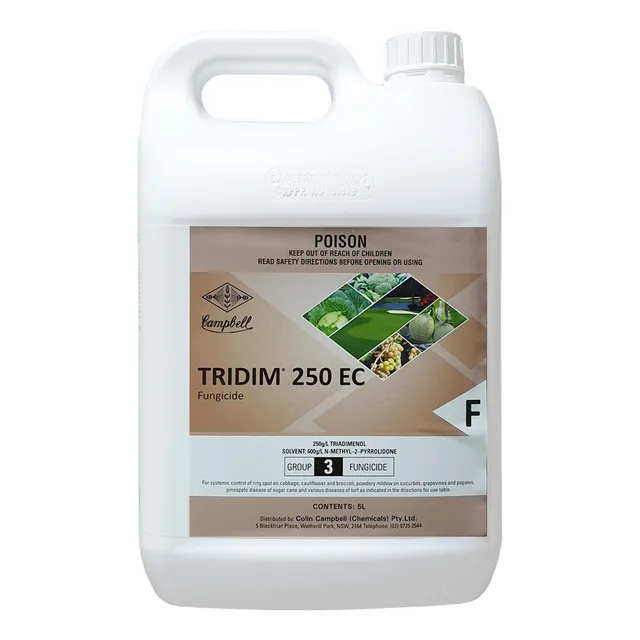
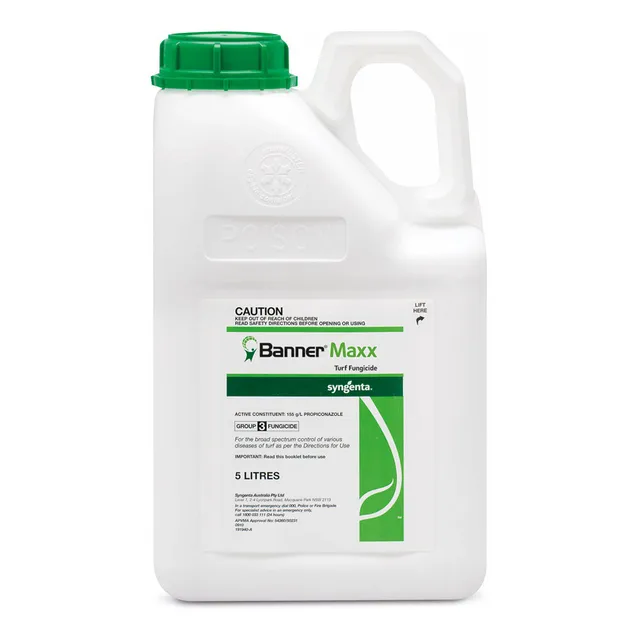
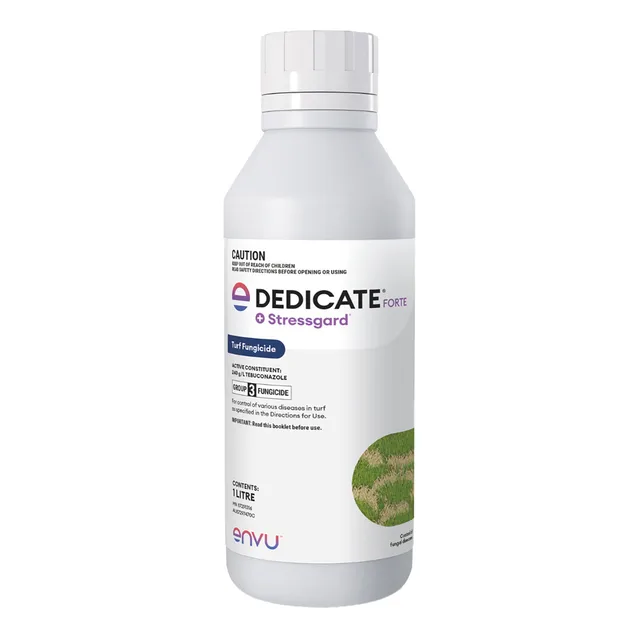
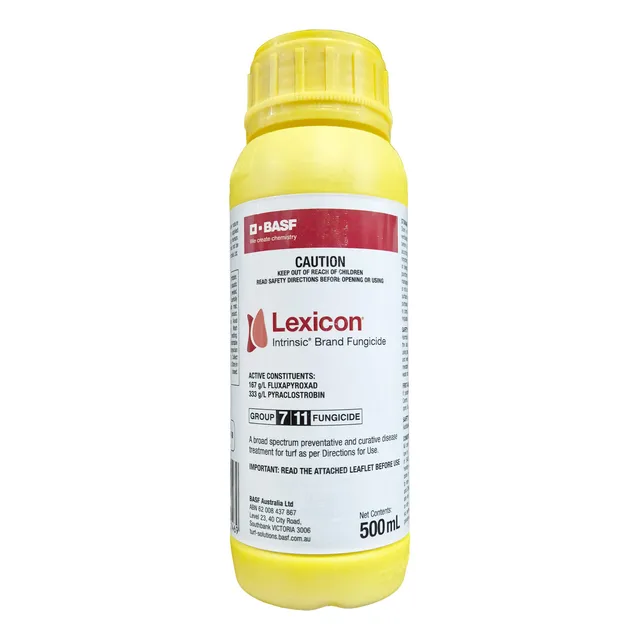
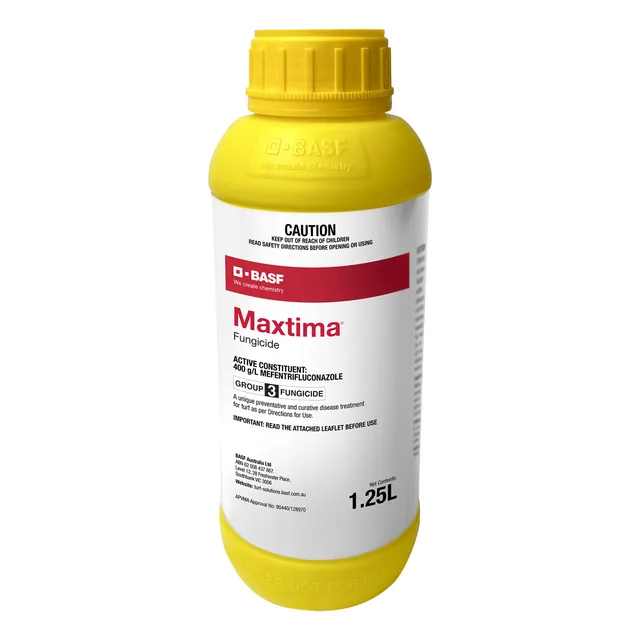
No products match those filters.