

Thrips
Thysanoptera
Thrips are tiny sap-sucking insects that scar leaves and petals with silvery streaks and can spread plant viruses.
Thrips are slender, fast-moving insects usually only 1-2mm long, so they're easily overlooked until damage appears. Adults are winged and range from pale yellow to dark brown or black depending on species, with narrow bodies and fringed wings held flat along the back when at rest. The immature nymphs are wingless, cream to pale yellow, and even smaller, often found clustered in the same tight spots as adults: inside flower buds, along leaf veins, and in the folds of new growth.
Thrips feed by rasping the surface of leaves, flowers and fruit and sucking up the sap that's released. This piercing action damages plant cells and leaves behind the characteristic silvery or bronzed scarring. Australia has many thrips species affecting home gardens, from western flower thrips and plague thrips to onion thrips and greenhouse thrips, each with slightly different host preferences but similar feeding habits and damage.
They're active year-round in warmer parts of Australia and become a bigger problem over spring and summer when populations build quickly in warm, dry weather. Thrips reproduce fast, with a new generation possible every two to three weeks in favourable conditions, and can move between plants on wind currents as well as by crawling and short flights.
Management relies on regular monitoring, since thrips hide in tight plant structures where sprays don't always reach well. Removing spent flowers and weeds that host thrips, encouraging predatory mites and lacewings, and using sticky traps to monitor adult activity all help keep numbers down. Heavy infestations or virus transmission may require targeted control at the right life stage.
How to identify
- Silvering or bronzing on leaf surfaces, often with fine black flecks of thrips excrement scattered through the damaged area.
- Distorted or streaked flowers, with petals showing pale blotches or brown streaking, and buds that fail to open properly.
- Stunted or curled new growth on heavily infested plants, sometimes with a silvery sheen along leaf midribs.
- Scarring on fruit such as a rough, corky finish on citrus or capsicum skin.
- Some species spread plant viruses (such as tomato spotted wilt virus), causing ring spots, mottling or wilting beyond typical feeding damage.
Field check: tap a suspect flower or leaf firmly over a sheet of white paper or your palm — thrips will fall off and appear as tiny, fast-moving yellow to dark specks. Opening up flower buds or new shoot tips often reveals adults and nymphs sheltering inside.
Lookalikes: silvering damage can resemble two-spotted mite injury, but mites leave fine webbing and tiny stippled dots rather than the streaky, papery scarring thrips cause. A hand lens or the paper tap test will confirm which pest is present.
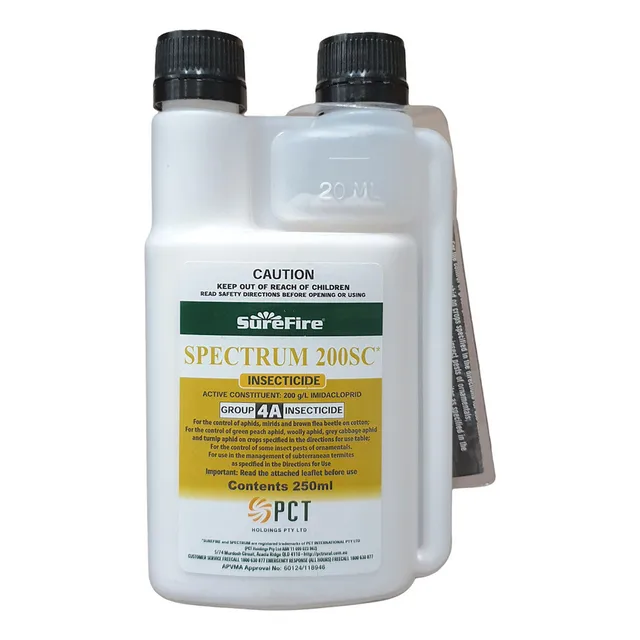
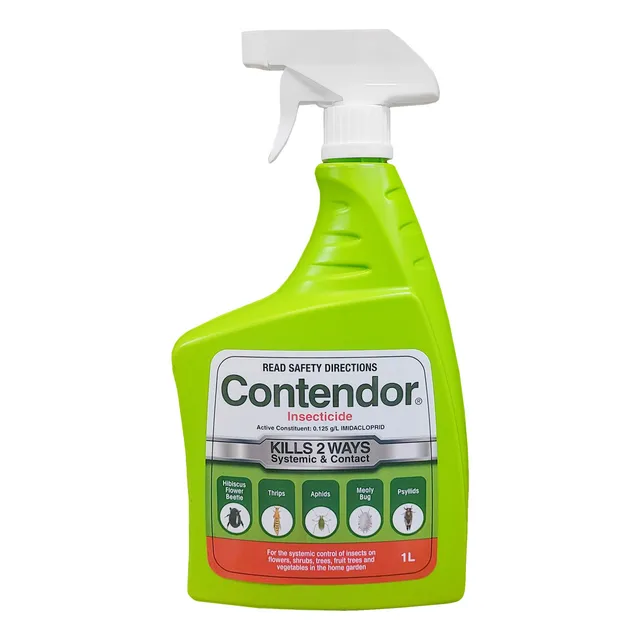
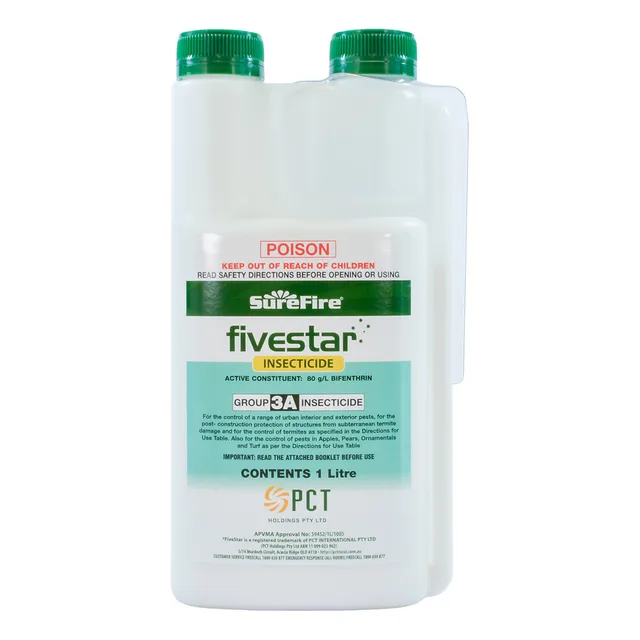
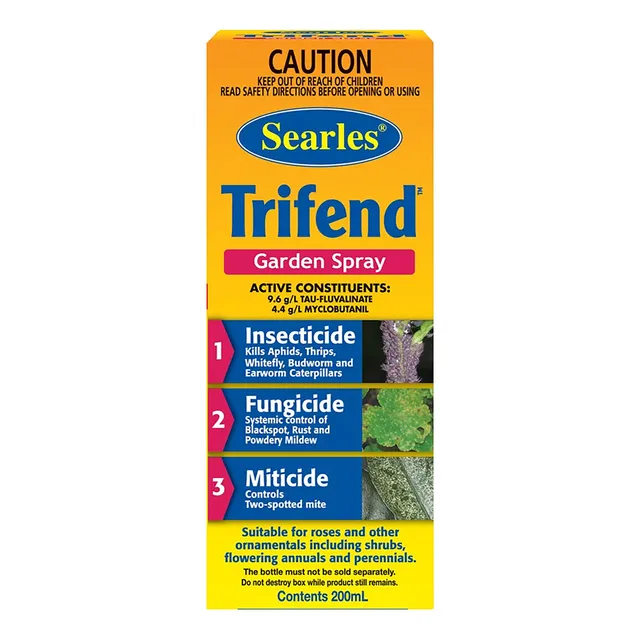
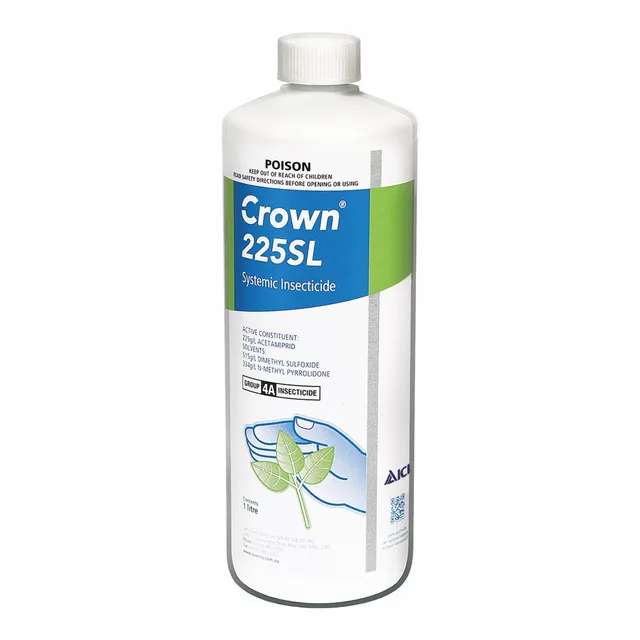
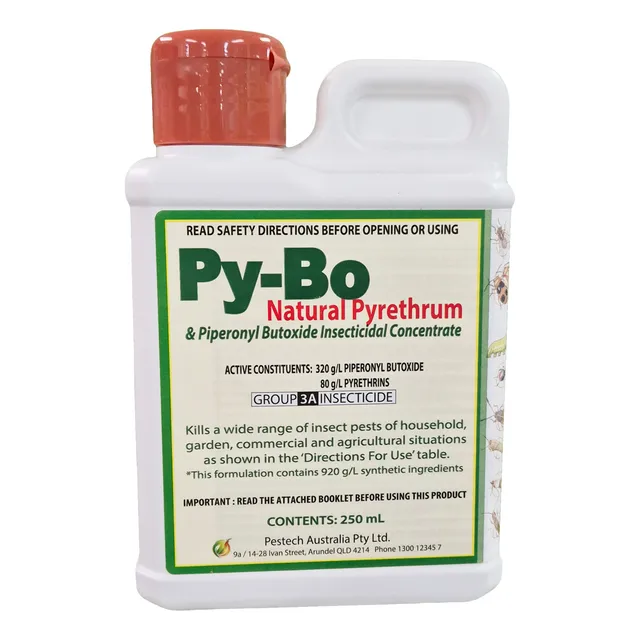
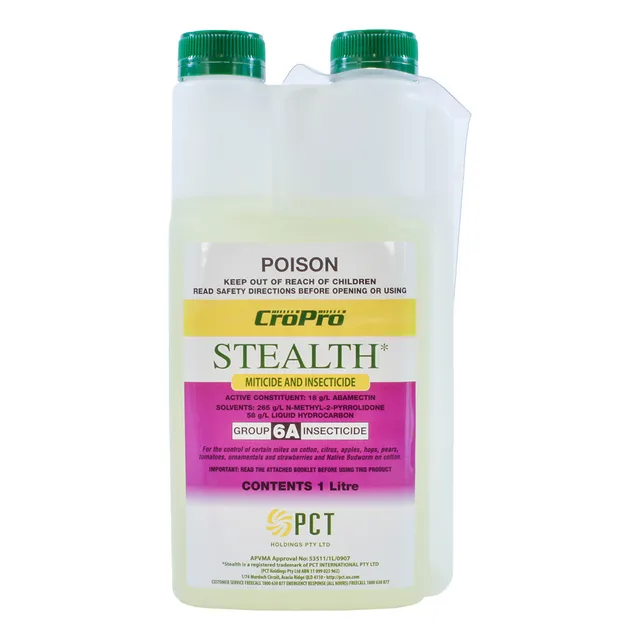
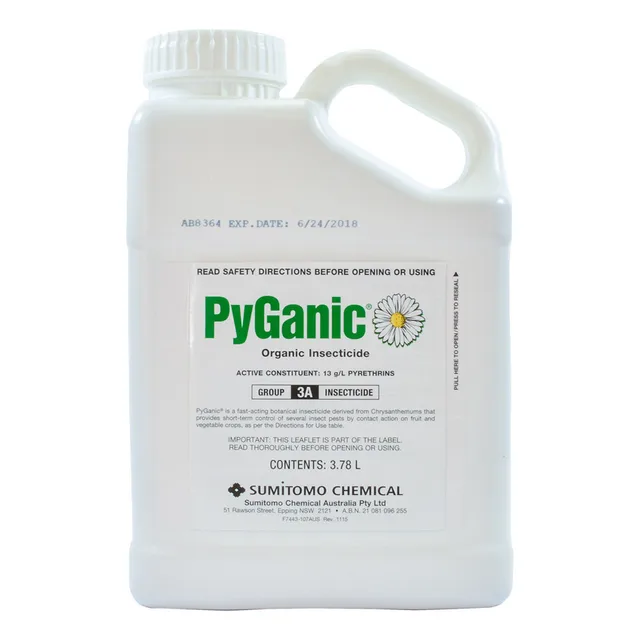
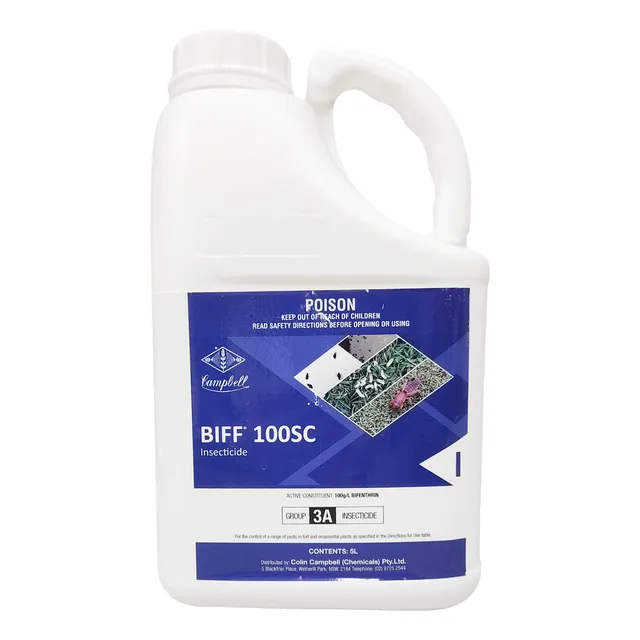
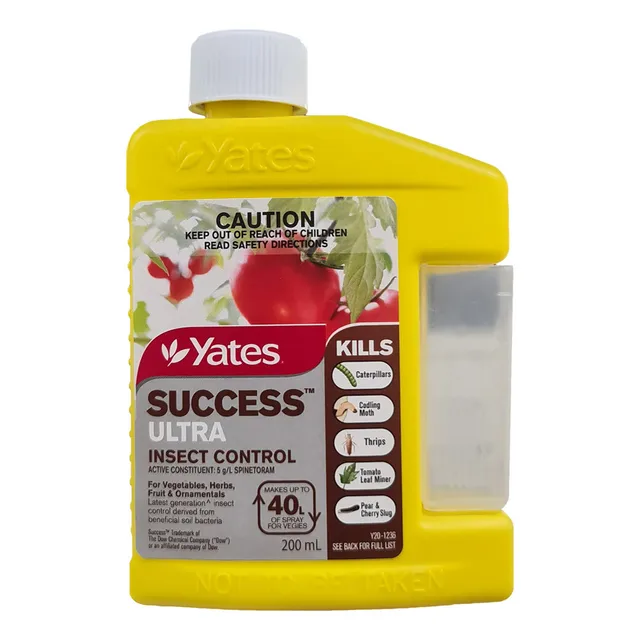
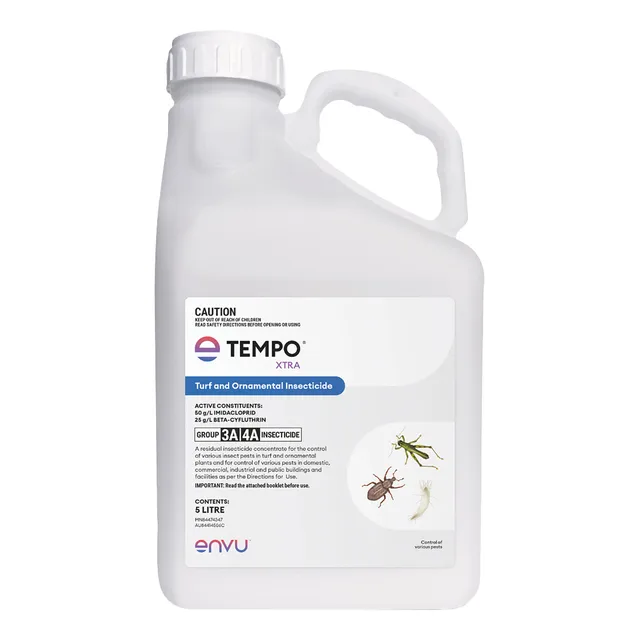
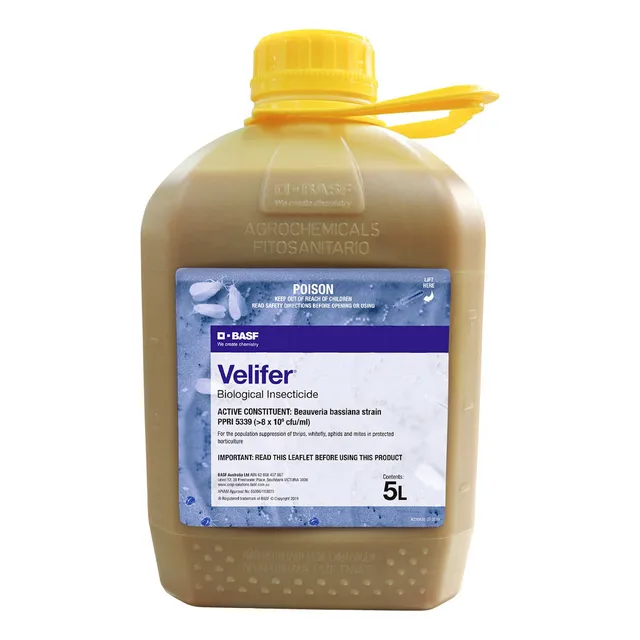
Registered products we stock

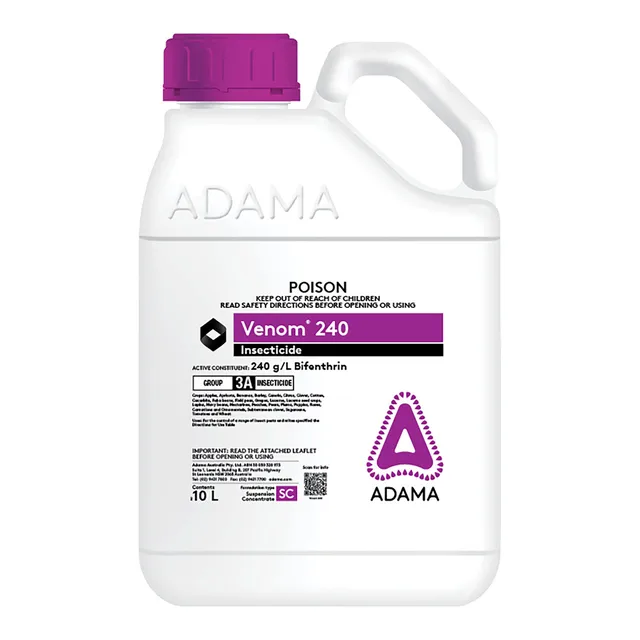
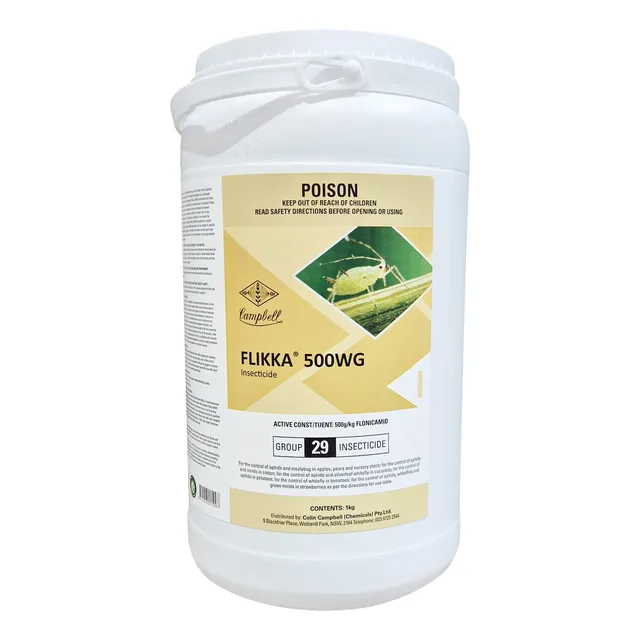
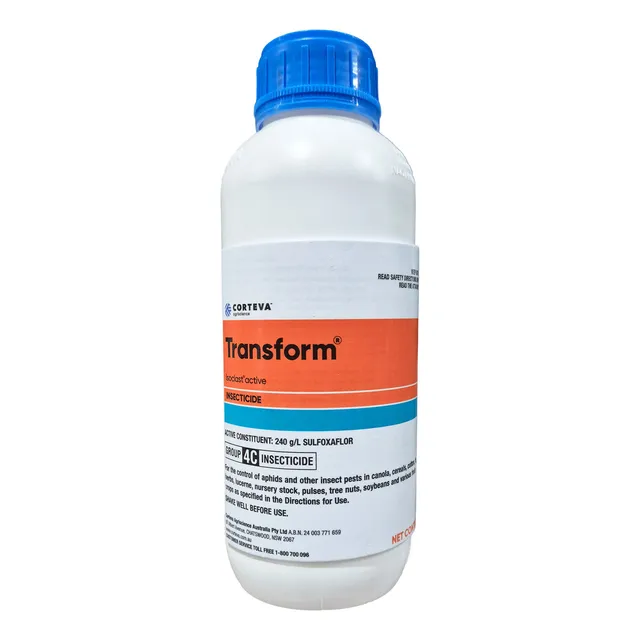
No products match those filters.