

Crowsfoot Grass
Eleusine indica
Crowsfoot grass is a summer annual weed that forms tough, flattened rosettes in thin turf, lawns edges and garden beds.
Crowsfoot grass, also known as goose grass, is a summer-growing annual grass weed common across Australia, particularly in warmer regions. It germinates from seed once soil temperatures warm up in spring and grows rapidly through summer, setting seed and dying off as conditions cool in autumn.
The plant forms a flattened, low-growing clump with numerous tillers radiating out from a central crown, giving it a distinctive rosette shape that can smother surrounding turf or garden plants. Leaves are flat, folded, dark green and slightly glossy, tapering to a point, with a distinctly white, compressed leaf sheath at the base that is a useful identifying feature. Flower stems emerge from the centre of the clump and stand upright, each topped with two to several finger-like spikes (usually two to seven) arranged like a crow's foot, from which the common name derives. Seed heads mature quickly, releasing large numbers of small seeds that fall close to the parent plant and persist in the soil, allowing rapid re-infestation.
Crowsfoot grass has a fibrous, fairly shallow root system but is notably tolerant of compacted, low-fertility soils, drought and foot traffic, which is why it thrives in high-wear areas such as lawn edges, driveways, cracks in paving and sports turf. It is often found colonising thin or stressed turf where desirable grass cover has weakened.
Management relies on maintaining dense, healthy turf or garden cover to reduce germination opportunities, along with physical removal of young plants before they set seed. Because seed can persist in the soil for extended periods, ongoing monitoring through the warmer months is important to prevent build-up of the weed seed bank.
How to identify
- Rosette clumps: Look for flattened, spreading clumps of coarse, dark green grass with a whitish, compressed base, appearing in bare patches, lawn edges or compacted soil during warmer months.
- Finger-like seed heads: Confirm identity by checking for upright flower stems topped with two or more slender spikes radiating from a single point, resembling a bird's foot.
- Thinning turf: Dense crowsfoot grass clumps can crowd out and shade nearby turf or garden plants, leaving patches of weakened or bare cover once the annual weed dies back in autumn.
- Field check: Pull back a clump gently — a shallow, fibrous root mass and the pale sheath at the base help distinguish it from similar grasses.
- Lookalikes: Often confused with summer grass (Digitaria species), which has a more sprawling, less rosette-like habit and lacks the distinct finger-like seed head arrangement; also confused with couch grass, which spreads by stolons/rhizomes rather than forming a central rosette.
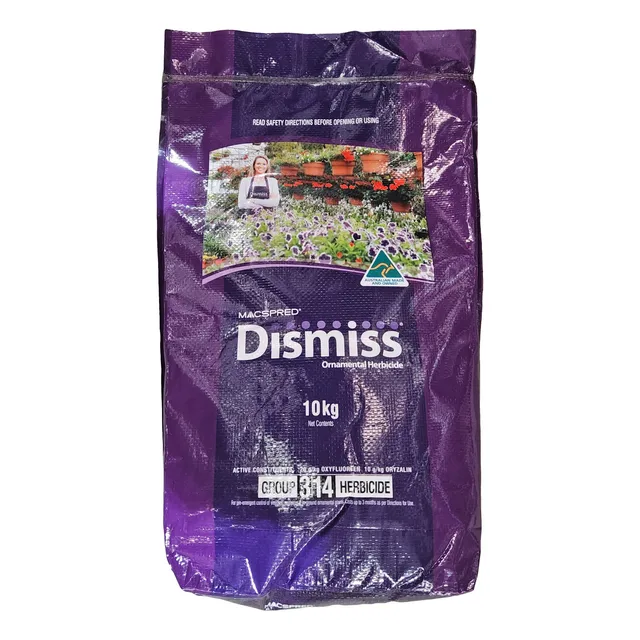
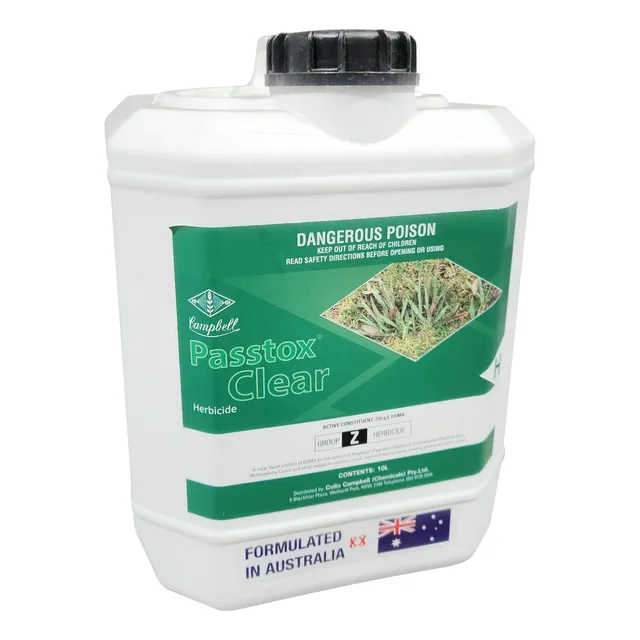
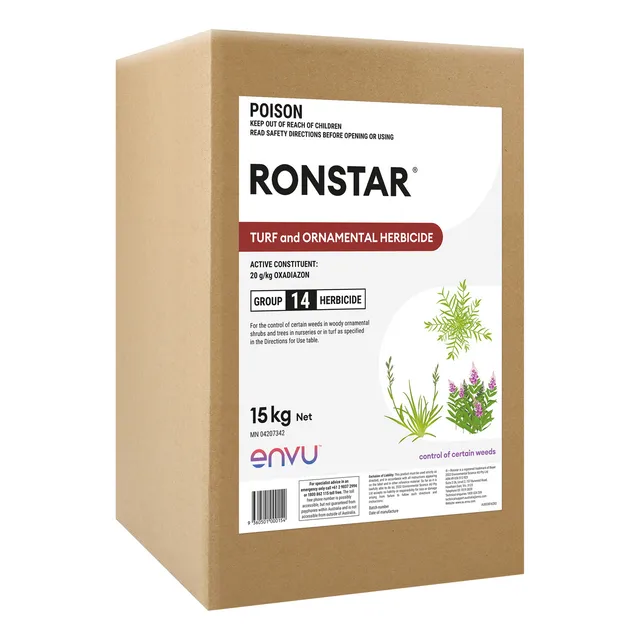
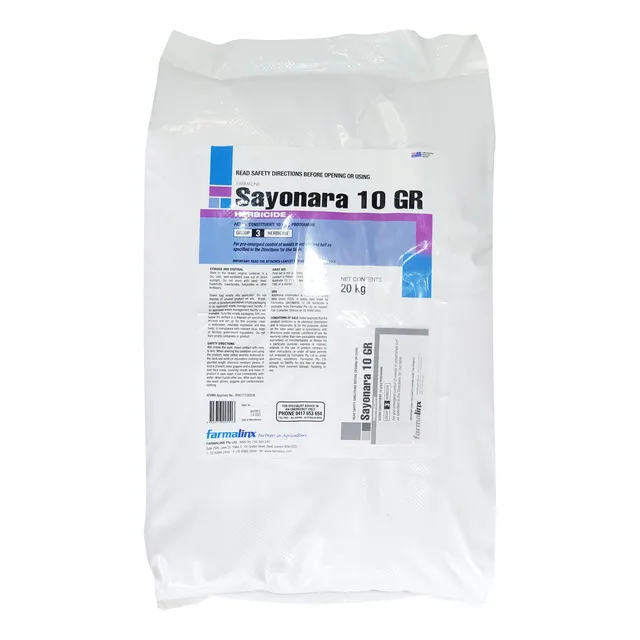
Registered products we stock











No products match those filters.