

Mealybug
Pseudococcidae
Mealybugs are sap-sucking insects that coat stems and leaf joints in white waxy fluff, weakening plants and attracting sooty mould.
Mealybugs are small, soft-bodied sap-sucking insects related to scale. Adult females are 2-4mm long, oval and flattened, and covered in a white, mealy or cottony wax coating that often extends into short waxy filaments around the body edge, with some species (like the longtailed mealybug) having long tail filaments. They are slow-moving and usually found clustered in leaf axils, along stems, under leaf midribs, on fruit, and around the crown and roots of some plants. Nymphs look similar but smaller and less waxy, while young crawlers are tiny, yellowish and mobile before settling to feed and secrete wax.
There are many mealybug species in Australia affecting ornamentals, citrus, grapes, succulents, indoor plants and even turf grasses such as couch, where the couch mealy bug and grass-crown mealybug attack the crown and root zone. Most species favour warm, humid, still conditions and are more active in spring through autumn, though sheltered infestations (glasshouses, dense foliage, indoors) can persist year-round.
Mealybugs feed by sucking sap from soft plant tissue, weakening growth and causing distortion, yellowing and dieback in heavy infestations. Like other sap-suckers, they excrete sticky honeydew that coats leaves and fosters black sooty mould, and they can also spread some plant viruses. Ants are frequently attracted to the honeydew and will protect mealybug colonies from natural predators.
Management relies on regular inspection, pruning out heavily infested growth, encouraging natural predators such as ladybirds and lacewings, and controlling ant activity that protects colonies. Isolating new plants before introducing them to a collection helps prevent spread, and good airflow and reduced humidity in glasshouses or dense plantings makes conditions less favourable.
How to identify
- White, cottony or waxy masses clustered in leaf axils, along stems, under leaf midribs, on fruit, or around the crown/roots of turf and pot plants.
- Sticky honeydew on leaves and surrounding surfaces, often followed by black sooty mould growth.
- Ants actively trailing up stems or across turf, attracted to the honeydew.
- Yellowing, wilting, stunted growth or dieback in heavily infested plants; in turf, affected patches may thin and lift easily due to root and crown feeding.
- Field check: part foliage or peel back turf at the margin of a declining patch and look for the waxy, slow-moving insects clustered at leaf bases, stems or crown/root zone; gently touching the wax confirms a soft-bodied insect rather than plant debris.
- Lookalikes: woolly aphids also produce white waxy fluff but are usually found on woody stems and pear/apple in cooler areas and move faster when disturbed; soft scale insects lack the loose, mealy wax coating and instead have a smooth, waxy or shell-like covering fixed to the stem.
Registered products we stock
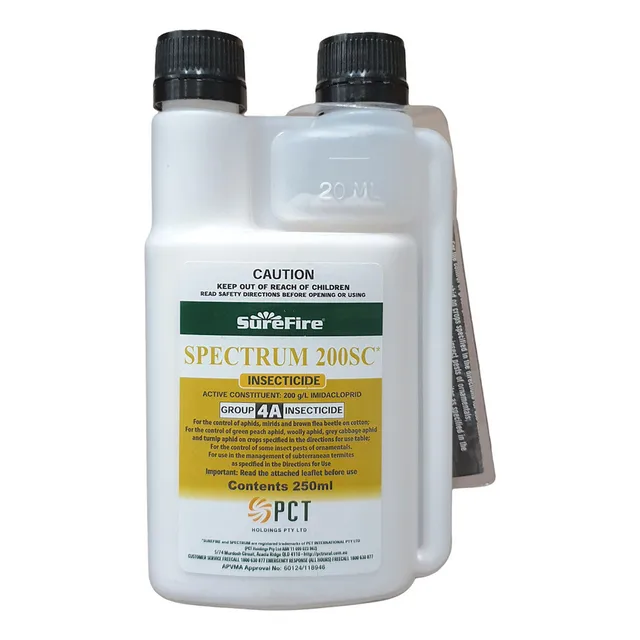
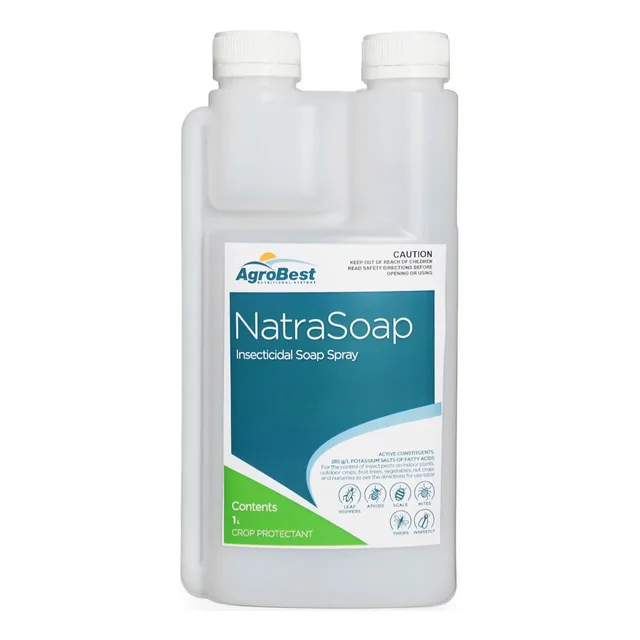
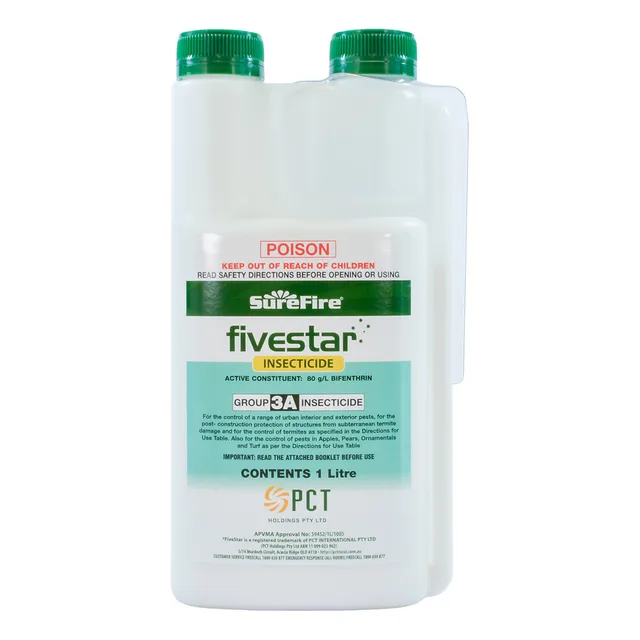
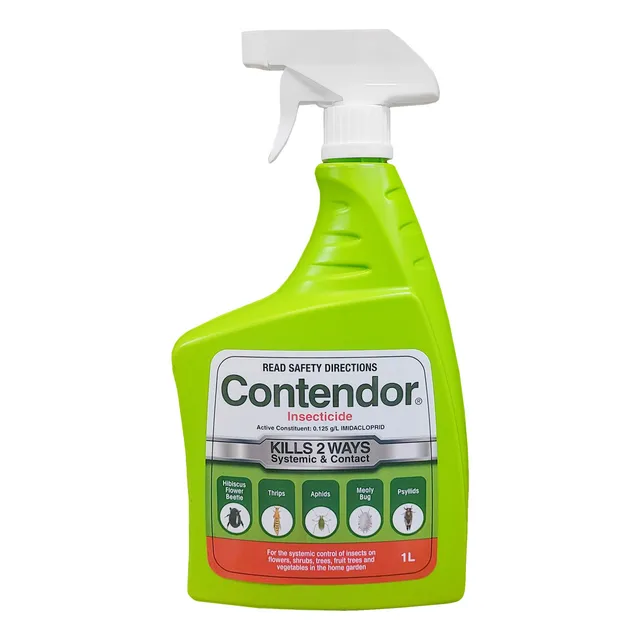
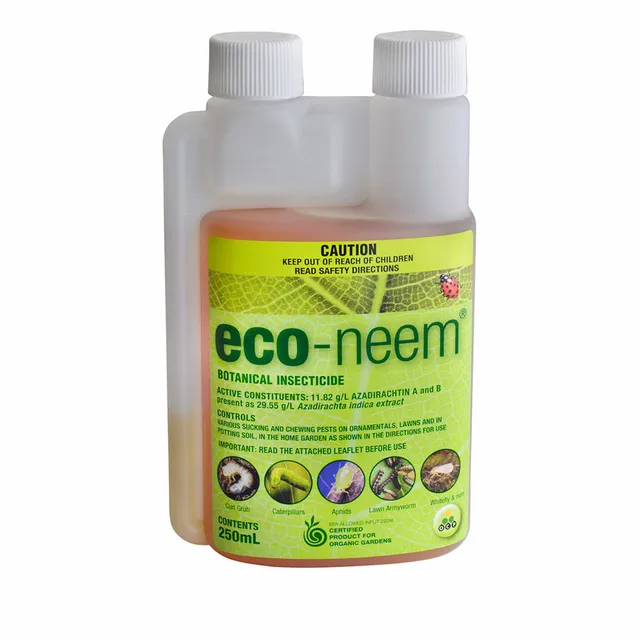
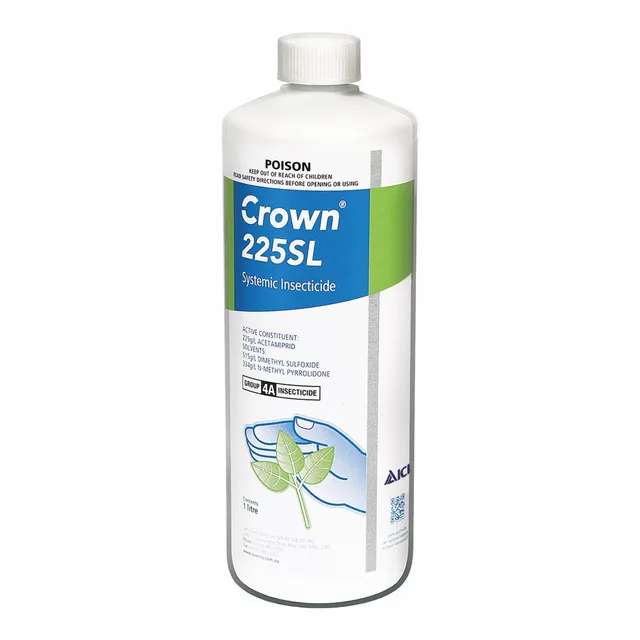

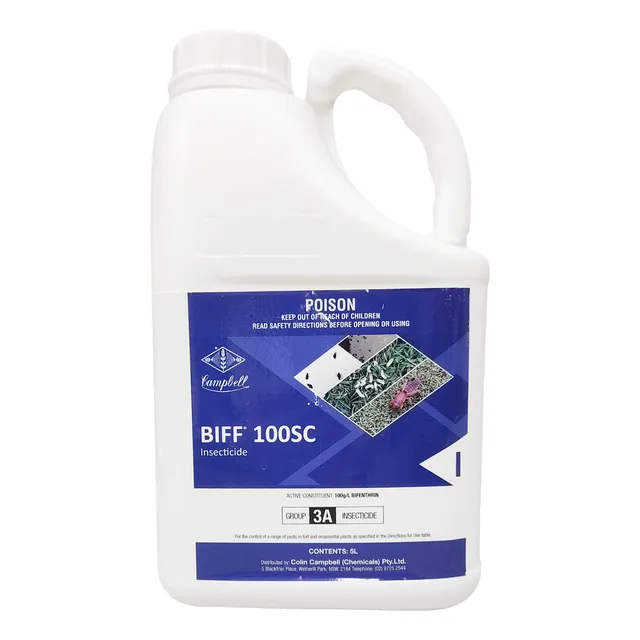
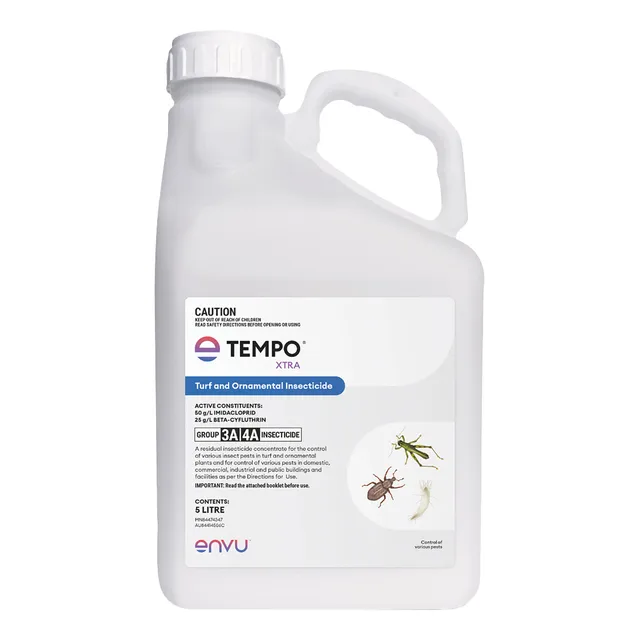
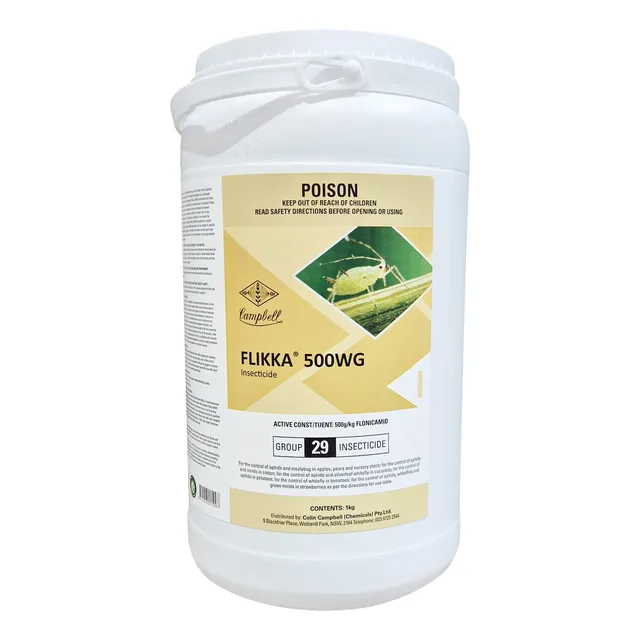
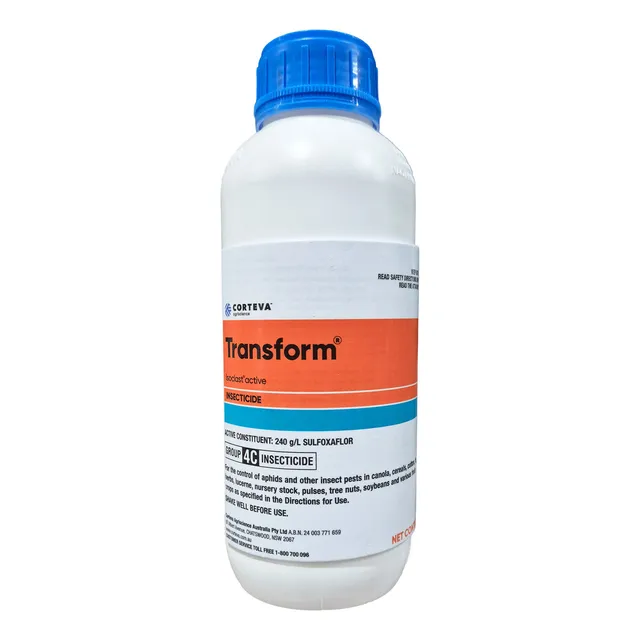
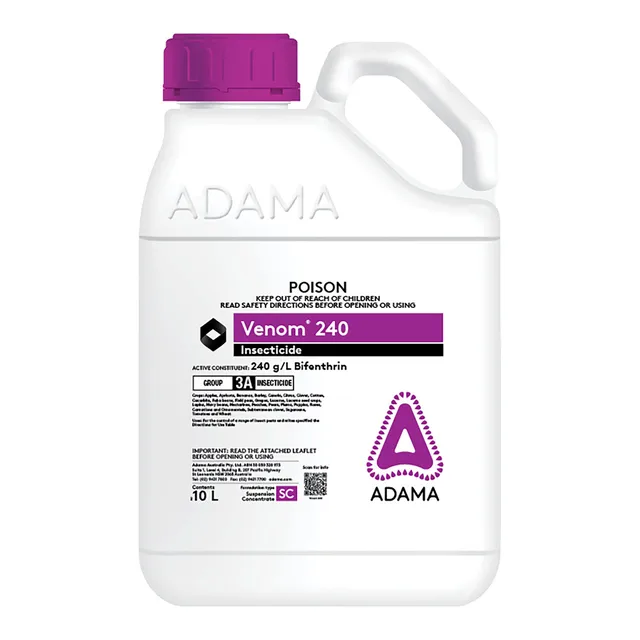
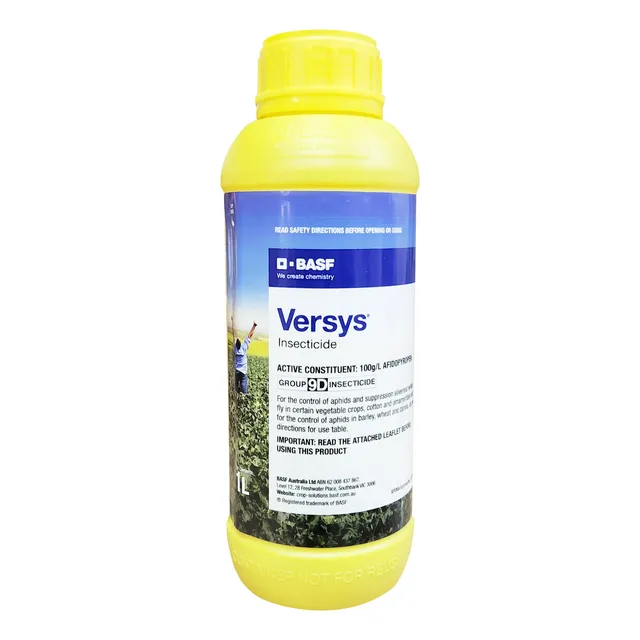
No products match those filters.