

Mites
Acari
Tiny sap-sucking mites like two-spotted mite cause stippled, bronzed or distorted leaves on garden plants, especially in hot, dry weather.
Mites are not insects but tiny arachnids, related to spiders and ticks. In the home garden, the most common troublemakers are plant-feeding mites such as two-spotted (spider) mite, bryobia mite, broad mite and various rust and bud mites. Most are so small they're hard to see without a hand lens, and populations can build up quickly in warm, dry conditions.
Adult spider mites are roughly 0.5mm long, oval-bodied, and range from pale green or yellow to reddish-brown depending on species and season. Two-spotted mite gets its name from the two darker patches visible on its back. Juveniles (larvae and nymphs) look like smaller, paler versions of the adult and pass through several moults before maturing. Eggs are round, translucent to straw-coloured, and are laid in clusters on leaf undersides, often surrounded by fine silk webbing. Broad mites and rust mites are even smaller and cause distinctive distortion rather than visible webbing.
These pests occur throughout Australia and are most active from spring through to autumn, with numbers peaking during hot, dry, dusty spells. They feed on a huge range of plants including vegetables, ornamentals, fruit trees, roses and indoor plants. Stress from drought, heat and dust favours rapid population increase, since mites reproduce faster in warm, low-humidity conditions and their natural predators are less active.
Management relies on regular monitoring, especially in hot weather, and keeping plants adequately watered since stressed, dusty foliage is far more attractive to mites. Hosing foliage down periodically disrupts colonies and reduces dust. Encouraging predatory mites and other beneficial insects by avoiding unnecessary broad-spectrum spraying helps keep numbers in check. Isolate and treat heavily infested plants promptly, and remove badly affected leaves where practical to reduce the source population.
How to identify
- Fine stippling or speckling on leaf surfaces, giving foliage a dull, silvery or bronzed look.
- Leaves turning yellow, bronze or dropping prematurely on heavily infested plants.
- Fine silk webbing on leaf undersides or between leaves and stems, particularly with two-spotted mite.
- Distorted, curled or blistered new growth — typical of broad mite, rust mite and bud mites rather than webbing species.
- Reduced flowering or fruit set on badly affected plants.
Field check: hold a sheet of white paper or card under a suspect leaf and tap it firmly. Mites and their eggs will dislodge and appear as tiny moving specks against the white background — a hand lens confirms the oval body shape and colour. Checking leaf undersides closely, especially along veins, is the best way to spot webbing and live mites.
Lookalikes: early mite stippling can resemble nutrient deficiency or sunscorch, but these don't produce fine webbing or move when disturbed. Thrips damage also causes silvering, but thrips leave dark speck-like droppings and are visible as slender, fast-moving insects rather than tiny stationary specks.
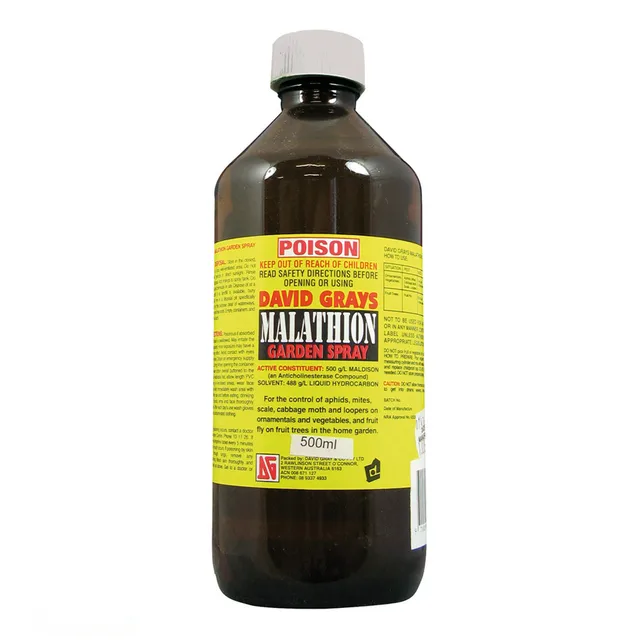
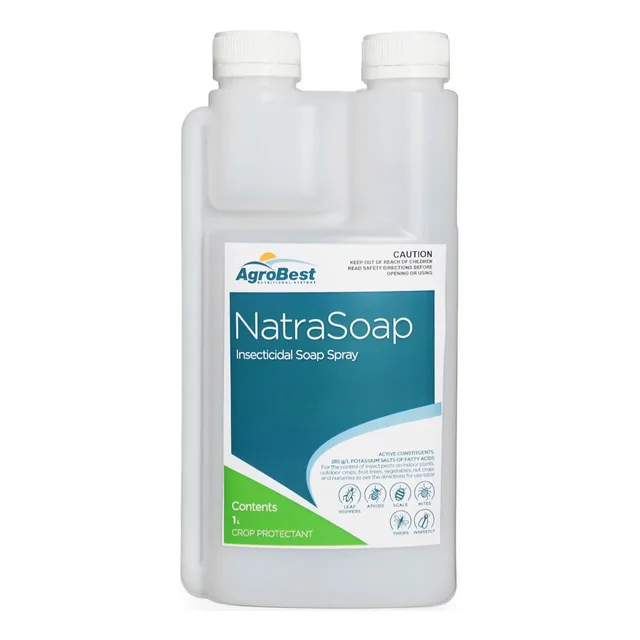
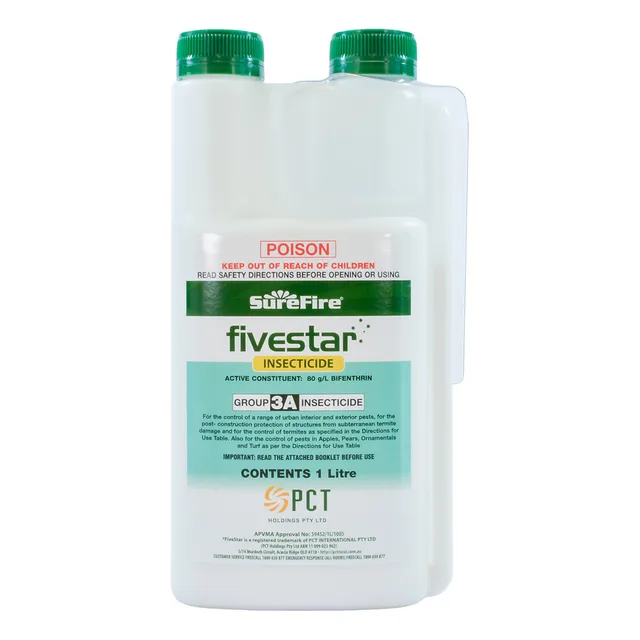
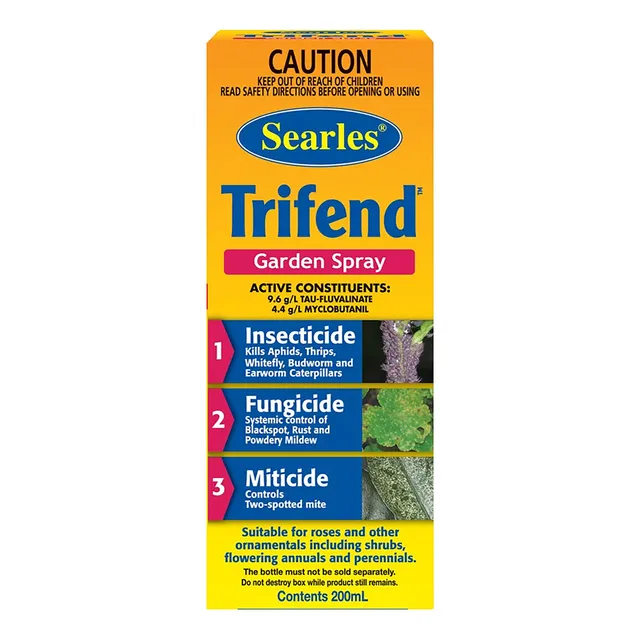
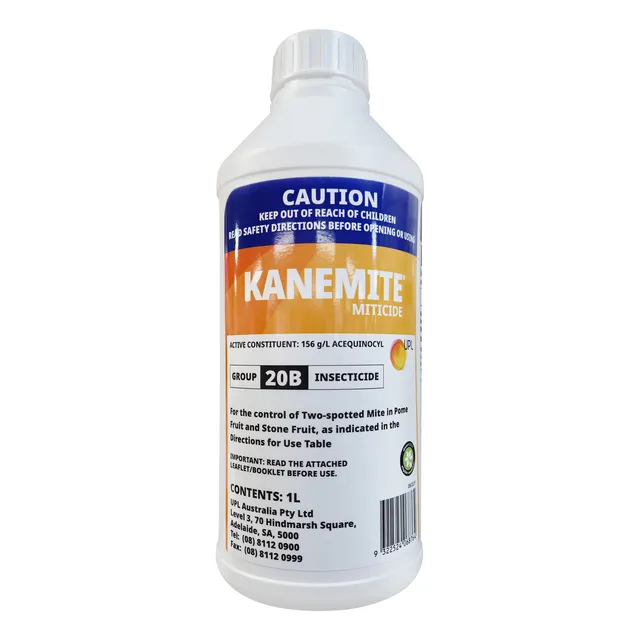
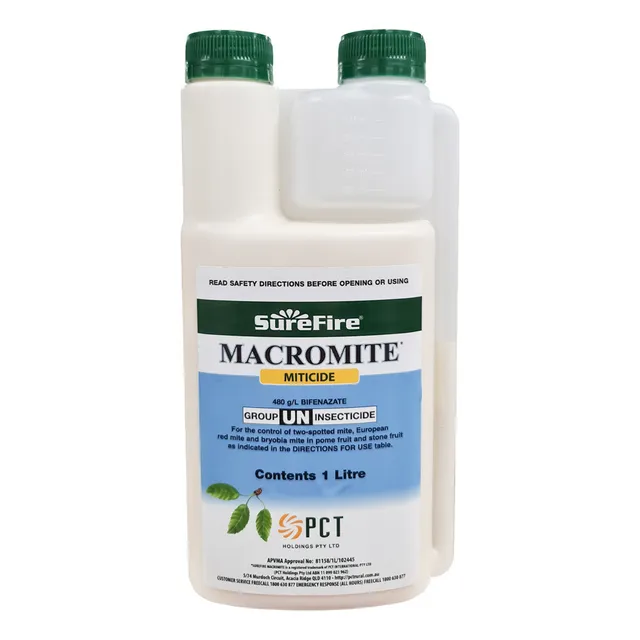
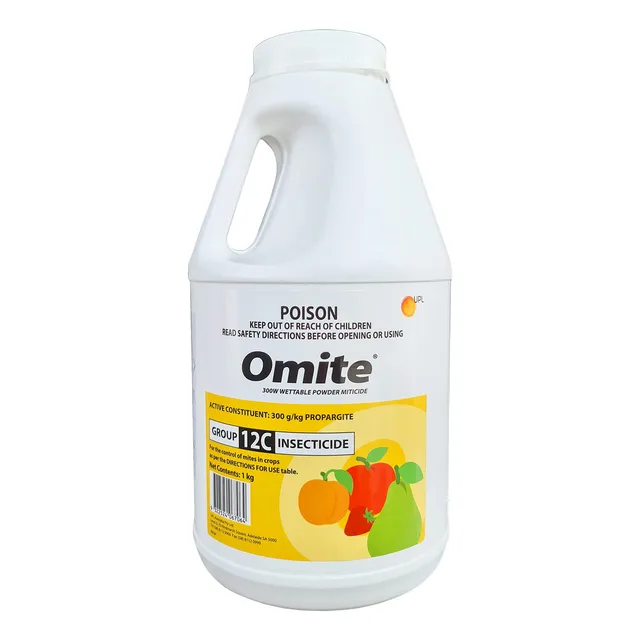
Registered products we stock
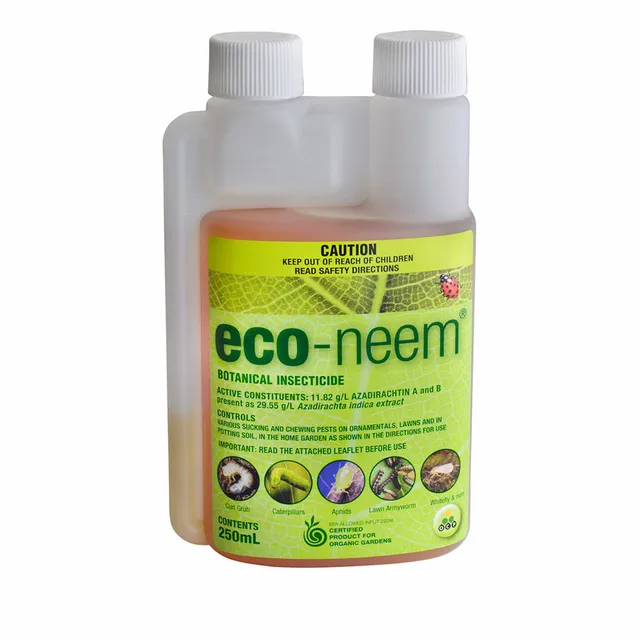
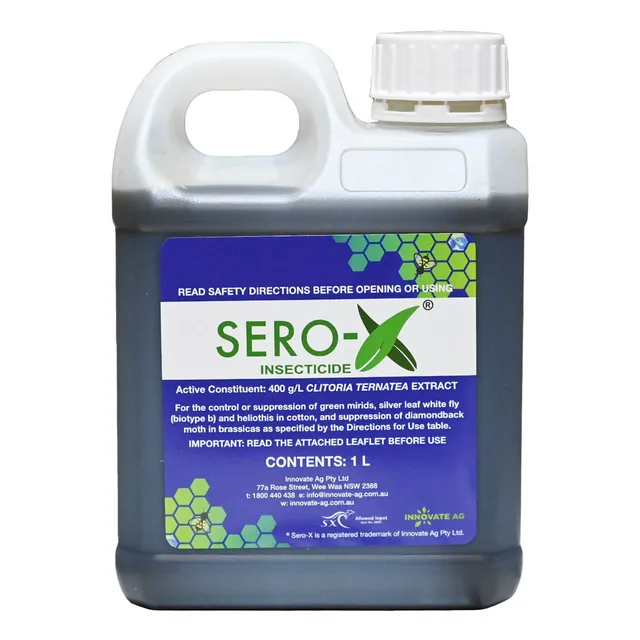
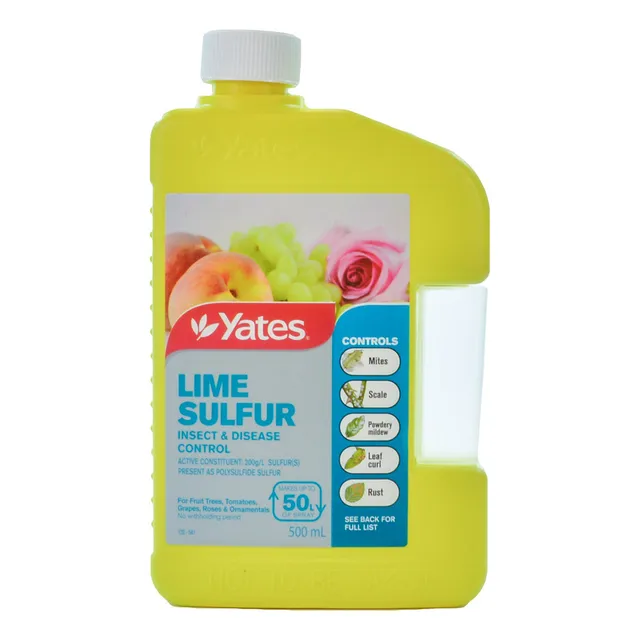
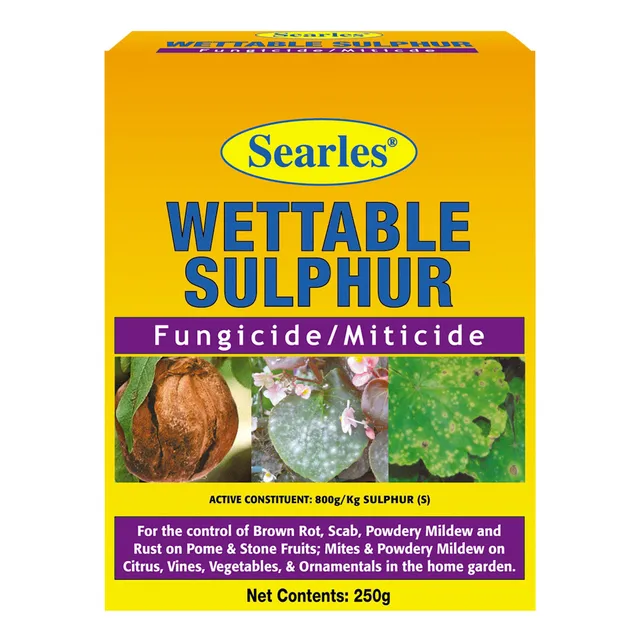
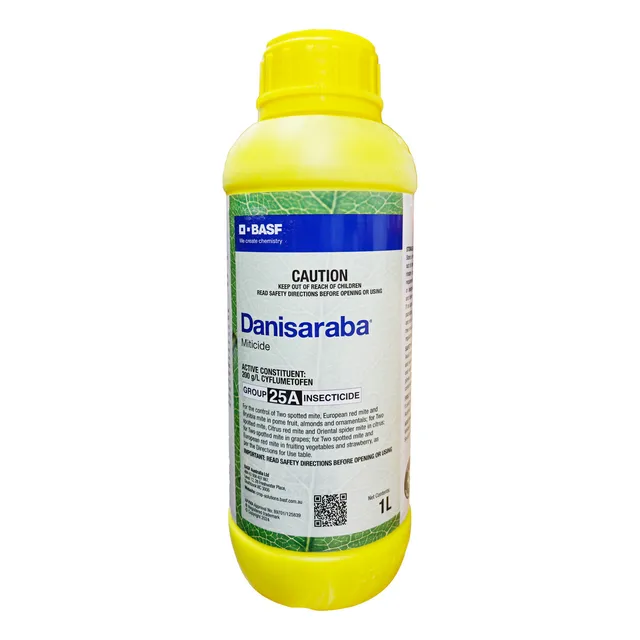
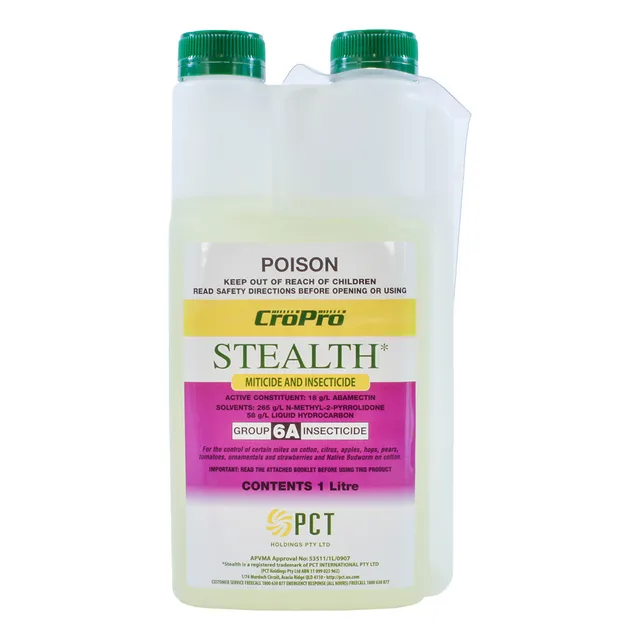
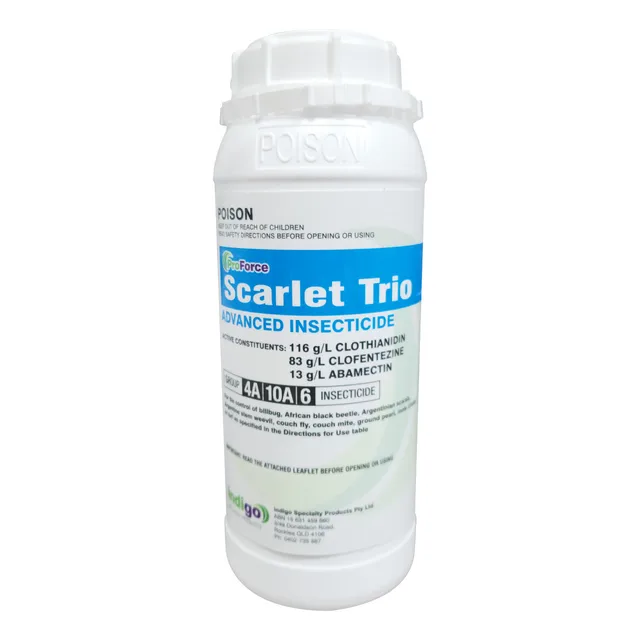
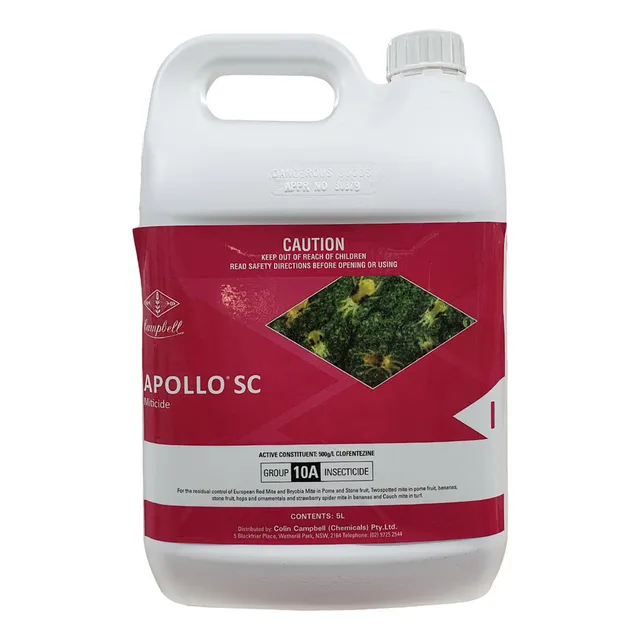
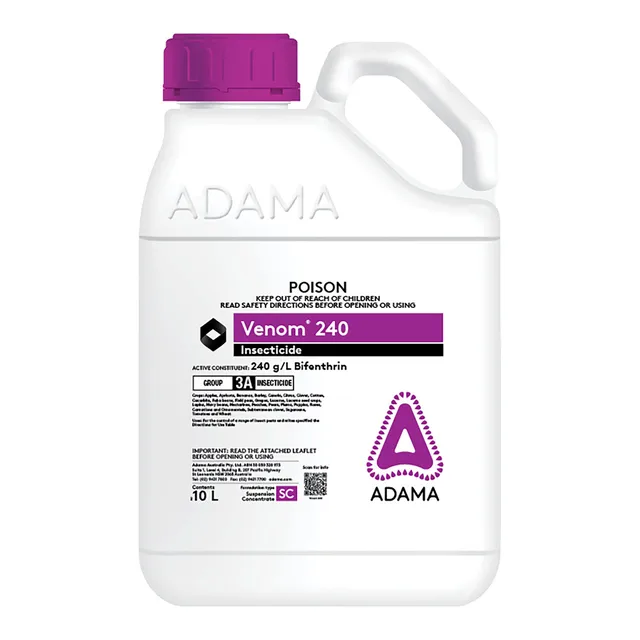
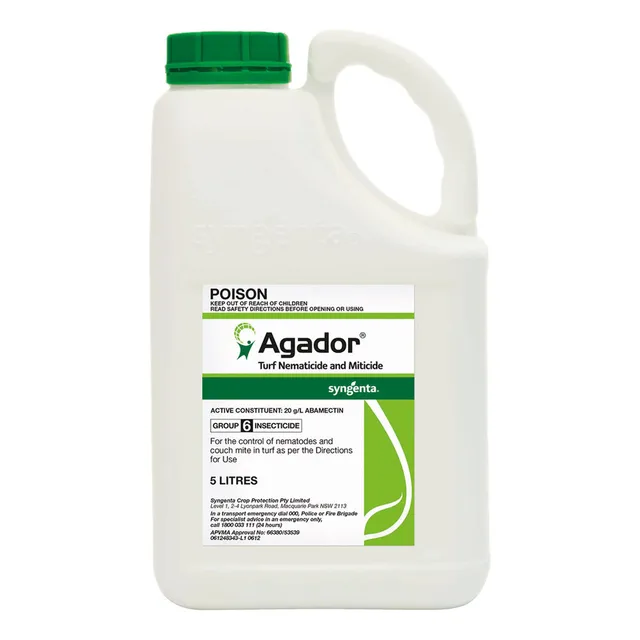
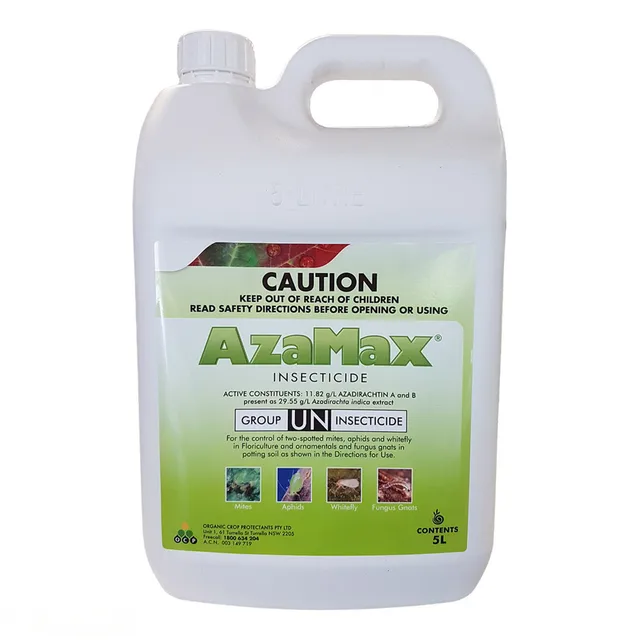
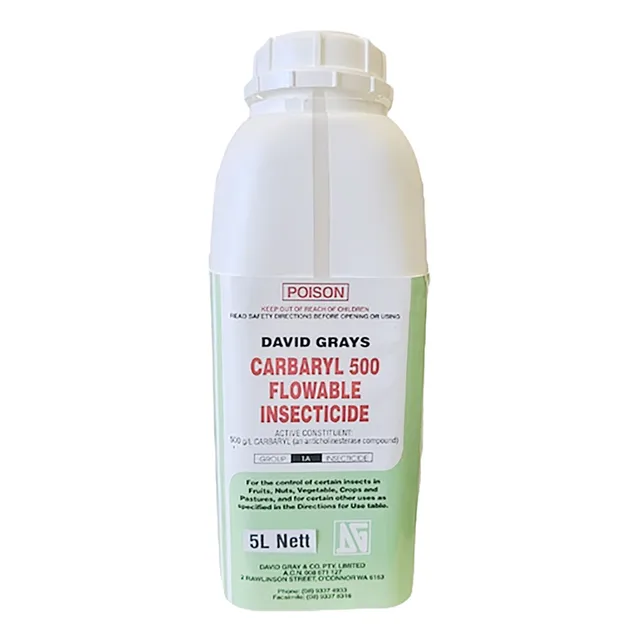

No products match those filters.