

Paspalum Grass
Paspalum dilatatum
Paspalum is a coarse, clumping perennial grass weed that invades lawns, forming unsightly tussocks with tall seed heads.
Paspalum is a tufted, perennial grass that grows in clumps distinct from the finer-leafed turf grasses around it. Individual clumps have broad, flat, mid-to-dark green leaves with a prominent midrib and a slightly hairy leaf base. Left uncut, it produces tall seed stalks up to 1.5 metres high, topped with a distinctive branched seed head made up of two to many finger-like spikes carrying rows of small, dark, hairy-fringed seeds. Below ground, paspalum has a dense, fibrous root system with short, thick rhizomes that allow the clump to slowly expand and make it difficult to pull out by hand.
Common paspalum is a warm-season perennial that is well established throughout coastal and inland eastern Australia, particularly in Queensland, New South Wales and Victoria. It thrives in damp, poorly drained soils and is often found along creek lines, in pastures, roadsides and neglected lawns before spreading into managed turf.
It germinates and grows most actively in spring through to autumn when soil temperatures are warm, becoming semi-dormant over winter in cooler regions. Seed is spread readily by mowers, foot traffic, water movement and contaminated soil or turf, and a single clump can persist and enlarge for years if not controlled.
Management relies on preventing seed set by mowing before seed heads mature, maintaining a dense, healthy, competitive lawn to limit germination space, and physically removing young clumps including their root system before they establish. In established turf, selective control is more difficult because paspalum is a grass and many broadleaf weed controls will not affect it, so persistent clumps often need spot treatment or digging out.
How to identify
- Coarse, clumping tussocks of broader, lighter or darker green leaf blades standing out against the finer texture and colour of surrounding turf grass
- Tall, upright seed stalks appearing above the mown lawn surface within days of cutting, carrying distinctive finger-like seed spikes
- Uneven, patchy lawn appearance with clumps regrowing quickly after mowing due to their rhizome base
- Thinning or bare turf around clumps where paspalum has outcompeted finer lawn species for light and moisture
To confirm paspalum, look closely at a suspect clump: pull back the leaves at the base and check for the short, thick rhizome and fibrous root mass typical of an established plant. Allow a seed head to develop if unsure — the branched, finger-like spike arrangement with hairy-fringed seeds is a reliable identifying feature.
Paspalum is sometimes confused with couch grass or summer grass (Digitaria species). Couch has a much finer leaf and spreads by stolons rather than forming tussocks, while summer grass is a shallow-rooted annual that pulls out easily and lacks paspalum's thick rhizome base. The clumping growth habit and distinctive seed head of paspalum are the clearest ways to tell it apart.
Registered products we stock





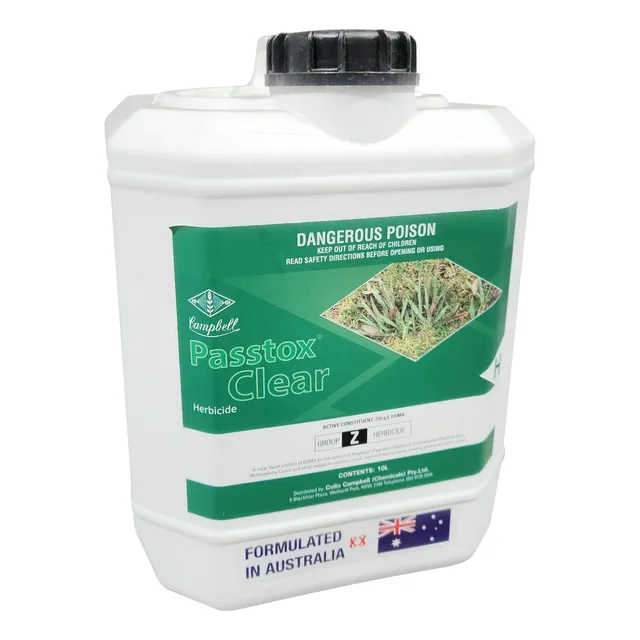


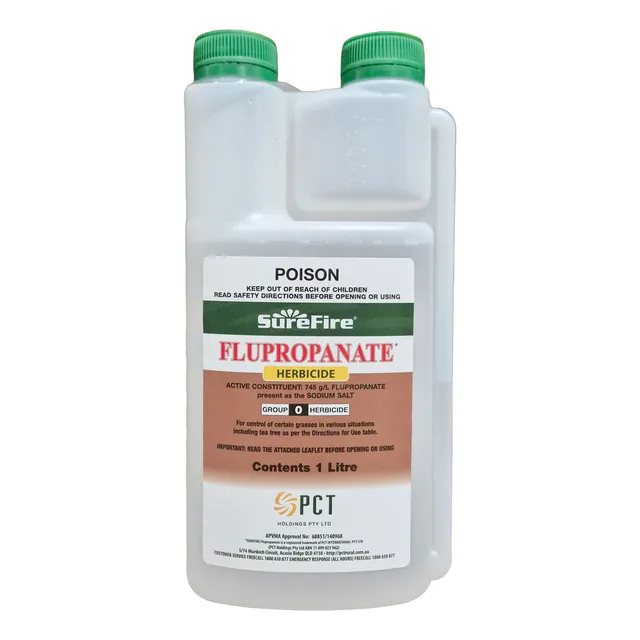
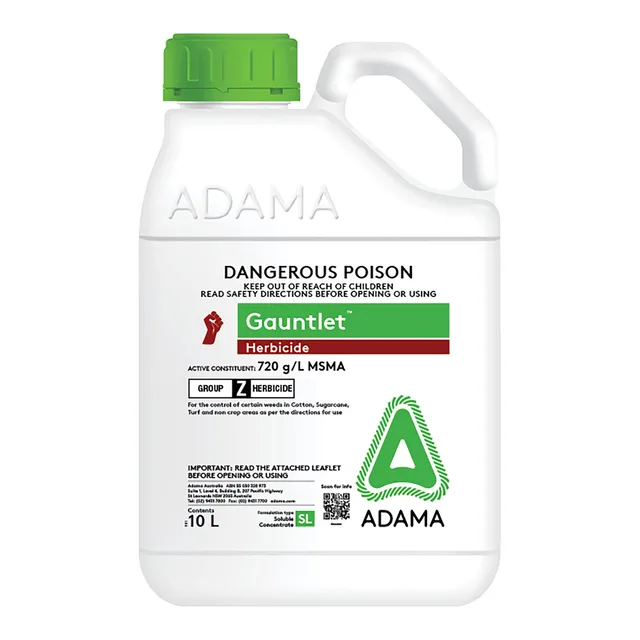
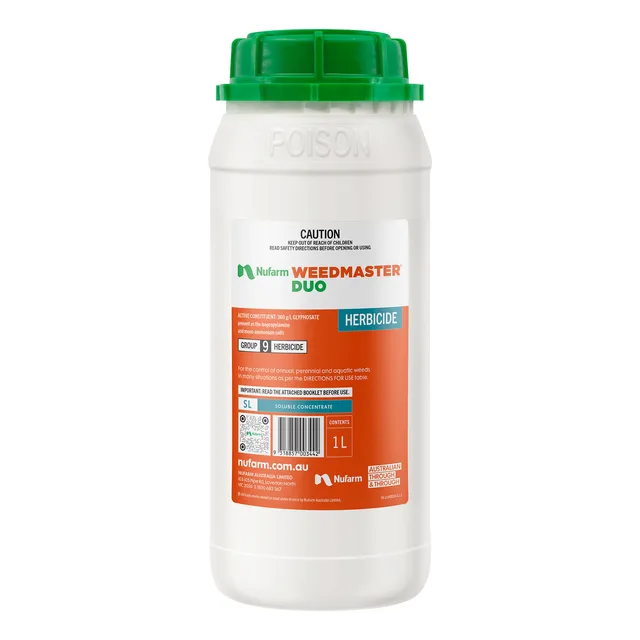





No products match those filters.