

Powdery Mildew
Erysiphaceae
Powdery mildew is a common fungal disease that coats leaves, buds and stems in a white-grey powdery layer, weakening plants without killing them outright.
Powdery mildew isn't a single organism but a large family of related fungi, with different species specialising in different host plants. Roses, cucurbits (pumpkin, cucumber, zucchini), grapevines, strawberries, azaleas and many ornamentals each tend to have their own powdery mildew species, so an infection on your roses won't spread to your vegie patch even if the symptoms look identical.
What you see on the leaf surface is the fungus itself: a fine, talcum-powder-like coating made up of mycelium (thread-like fungal growth) and thousands of spores. It usually starts as small, roughly circular white or greyish-white patches on the upper side of leaves, young stems, buds and sometimes flowers, and these patches expand and merge until whole leaves look dusted with flour. On some hosts the underlying leaf tissue yellows, browns or becomes distorted and puckered as the infection progresses. Unlike most fungal diseases, powdery mildew doesn't need free water on the leaf to infect — it thrives in humid air with dry leaf surfaces, moderate temperatures (around 15–28°C) and poor airflow, which is why it's so common in crowded garden beds, shaded positions and glasshouses.
In Australian gardens it's active from spring through autumn wherever conditions are mild and humid, and can persist year-round in warmer or protected areas. It survives between seasons on plant debris, dormant buds or as resistant spore structures, then spreads rapidly once conditions suit it, with spores carried on wind, splashing water and garden tools.
Management relies on improving airflow through pruning and sensible plant spacing, avoiding overhead watering late in the day, removing and binning infected leaves and debris rather than composting them, and choosing resistant varieties where available. Because different powdery mildew species affect different plants, a treatment that works on one host isn't guaranteed to work on another.
How to identify
- White or grey powdery coating on upper leaf surfaces, stems, buds and sometimes fruit, often starting as small circular patches that spread and merge.
- Leaf distortion, curling or puckering, especially on new growth, as infected tissue is pulled out of shape.
- Yellowing, browning or premature leaf drop on heavily infected leaves.
- Stunted growth and reduced flowering or fruiting on badly affected plants, though the disease rarely kills outright.
- Field check: rub a finger across the white coating — true powdery mildew smears off as a fine dusty residue. If it doesn't wipe away easily, or the coating looks fluffy and grey rather than powdery, consider other causes.
- Lookalikes: downy mildew produces a similar pale coating but appears mainly on the underside of leaves with yellow blotching on top, and prefers wetter conditions. Dusty residue from dry soil, chalky sprays, or insect activity (like whitefly casts) can also be mistaken for mildew — check for the characteristic spreading, powdery patches and the way it thickens over days if left untreated.
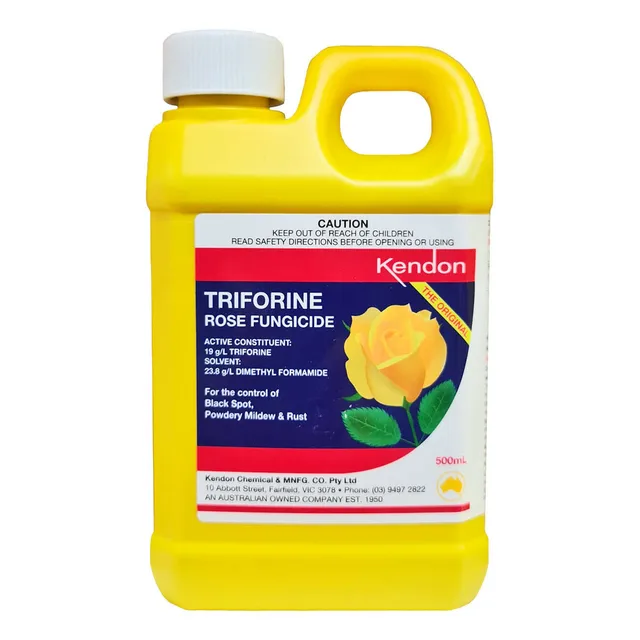
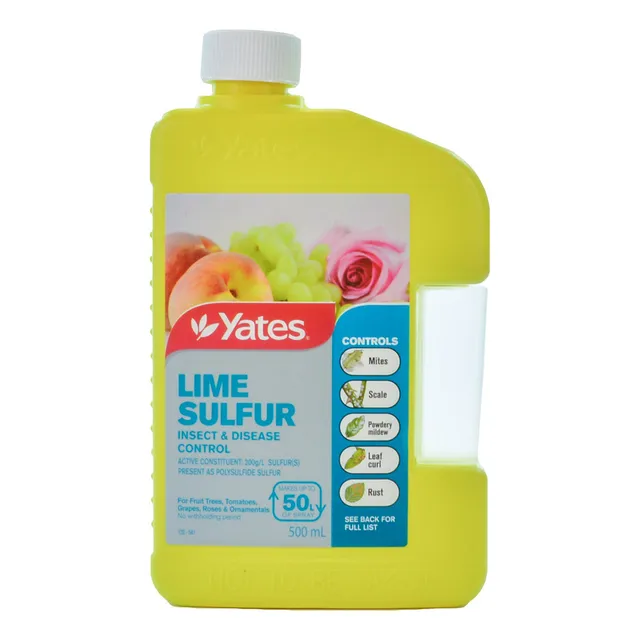
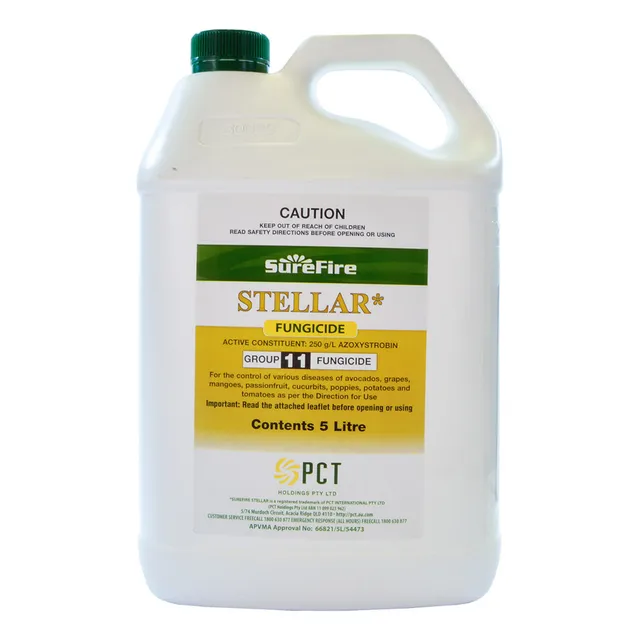
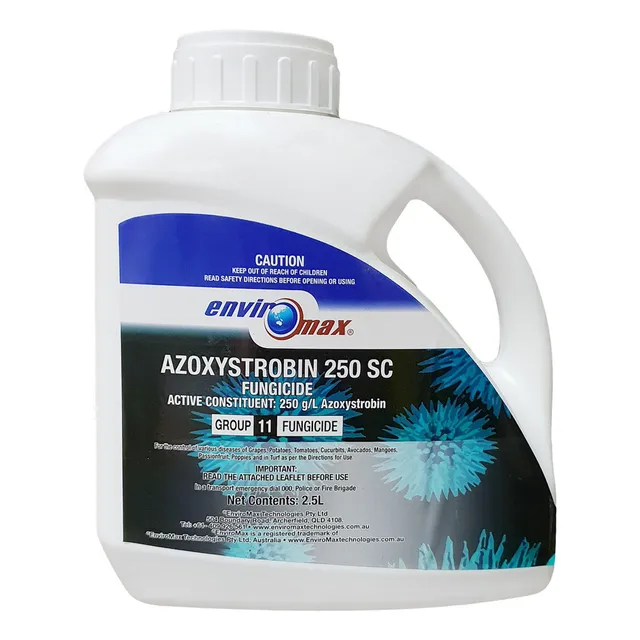
Registered products we stock
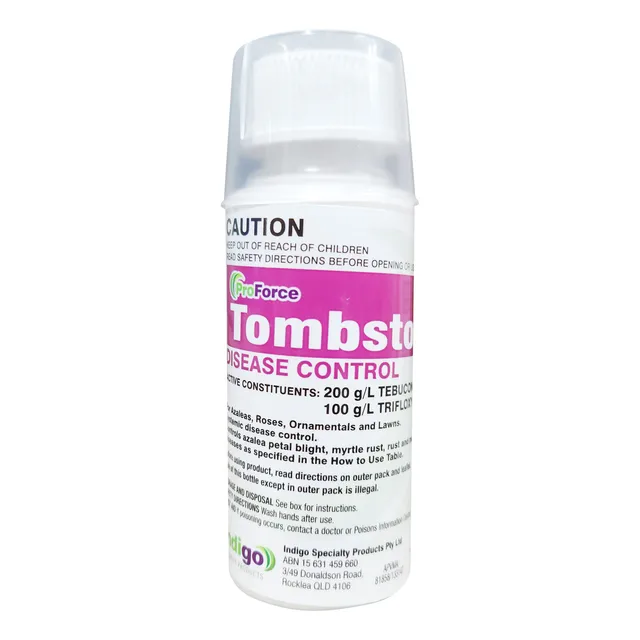
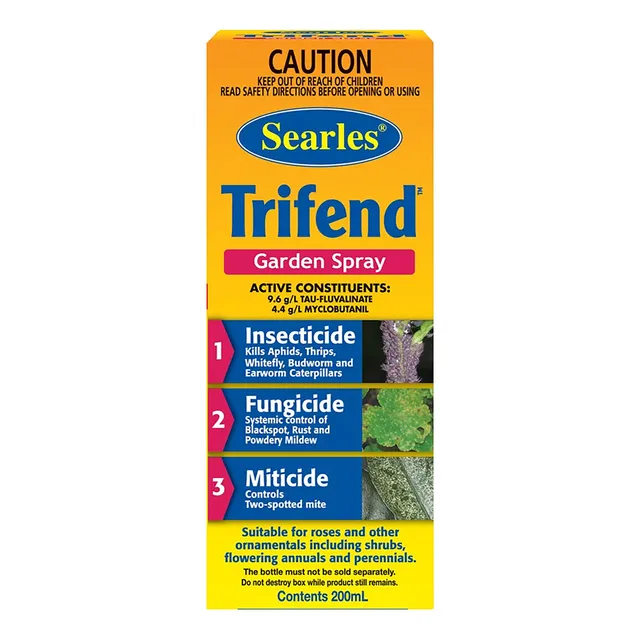
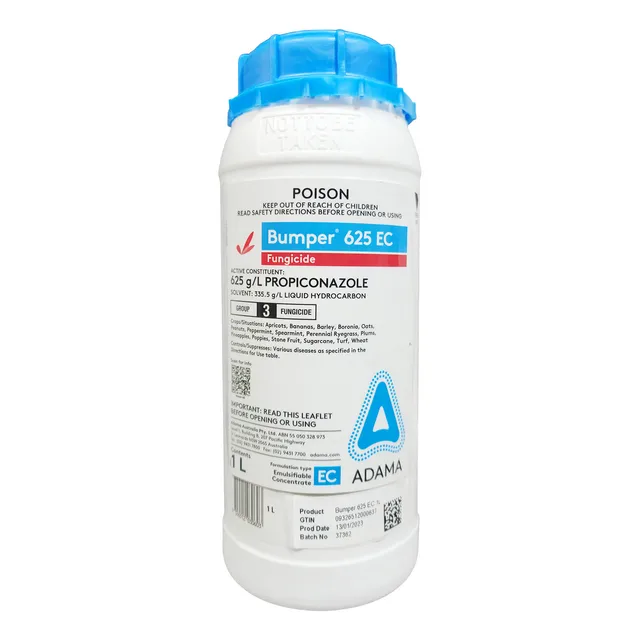
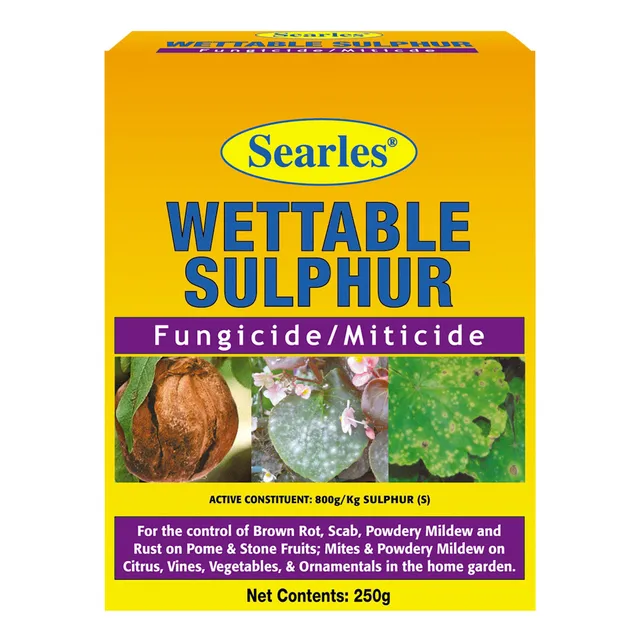

No products match those filters.