

Pythium
Pythium spp.
Pythium is a water-mould pathogen causing damping off, root rot and turf blight in warm, wet or waterlogged conditions.
Pythium is not a true fungus but an oomycete, sometimes called a water mould, that behaves much like one in the garden. It survives in soil and plant debris as tough resting spores called oospores, which can persist for years waiting for the right conditions. When soil becomes saturated and warm, the spores germinate and produce swimming zoospores that move through water films in the soil to find and infect roots, stems or seedlings.
On seedlings, infected tissue at the soil line turns dark, water-soaked and thin, causing the classic damping off collapse. On established plants and turf, affected roots appear brown, soft and stripped of fine root hairs, while the outer root layer can slip off easily when gently pulled between fingers, leaving a stringy inner core. In turf, Pythium blight shows up as small, irregular, greasy-looking patches that are dark green to bronze before turning brown, sometimes with a fine white or grey cottony growth visible in the early morning while dew is still present.
This pathogen is common across Australia wherever drainage is poor or irrigation is excessive, and it is most active during warm, humid weather, particularly over summer in southern states and year-round in the tropics and subtropics. Poorly drained garden beds, overwatered pots, compacted turf and low-lying areas that hold moisture after rain or irrigation are all high-risk sites.
Management relies heavily on improving drainage and avoiding waterlogging, since Pythium needs free water to spread. Avoid overwatering, especially in the evening, improve soil structure and drainage, raise mowing height on affected turf, and remove thatch or compacted layers that trap moisture. Sanitise pots and tools between uses and avoid overcrowding seedlings, since dense, poorly ventilated growth holds humidity at ground level and encourages infection.
How to identify
- Seedlings: stems collapse or pinch off at the soil line, tissue looks water-soaked and dark, and seedlings topple over or fail to emerge at all.
- Roots: brown, mushy roots with few fine root hairs; the outer root tissue often slides off easily when pulled, leaving a thin, thread-like core behind.
- Turf: irregular, greasy dark patches from a few centimetres to larger blighted areas, sometimes with a fluffy white or grey growth visible in cool, humid early morning conditions before it dries off.
- Field check: lift a patch of affected turf or a wilting plant and inspect the roots directly; healthy roots are firm and white, while Pythium-affected roots are discoloured, slimy and weak. On turf, pressing the blighted patch in early morning may reveal a slightly oily or matted feel to the leaf blades.
- Conditions check: symptoms worsen after heavy rain, overwatering or in low spots that stay wet, which supports a Pythium diagnosis over other causes.
- Lookalikes: Rhizoctonia (brown patch) also causes turf patches but tends to have a more defined smoke-grey margin without the greasy sheen, and its damage is less linked to standing water. Fusarium patch produces pink to reddish mycelium rather than the white or grey seen with Pythium, and general overwatering stress can mimic early symptoms but will not show the water-soaked root breakdown typical of Pythium.
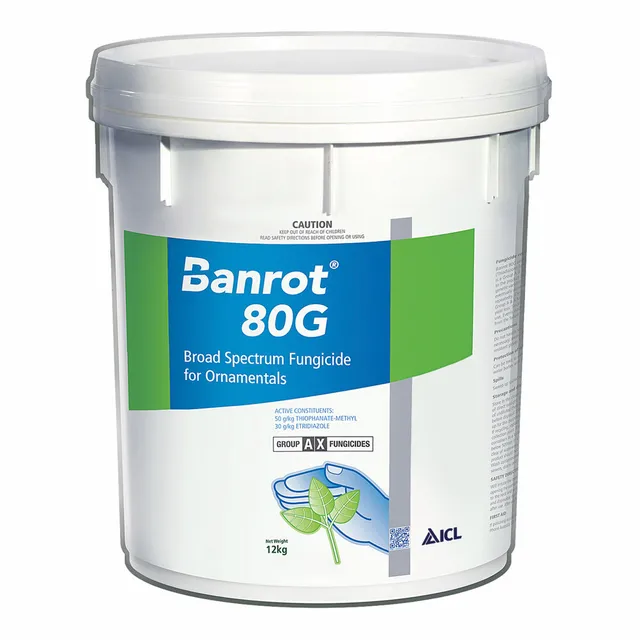
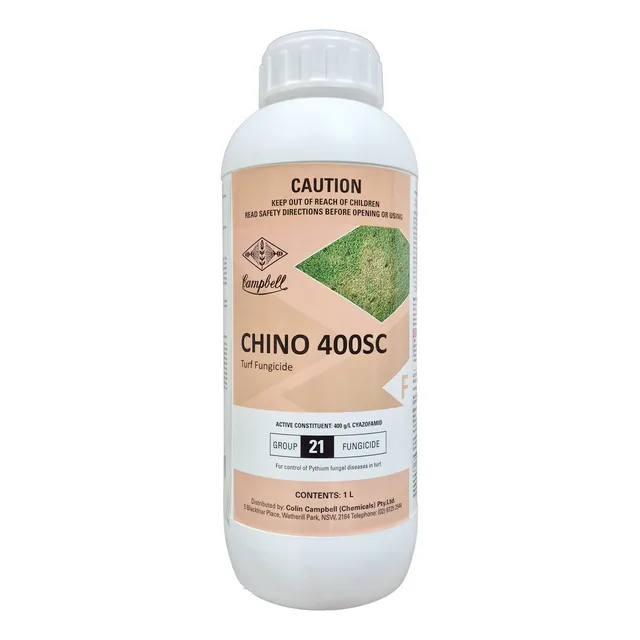
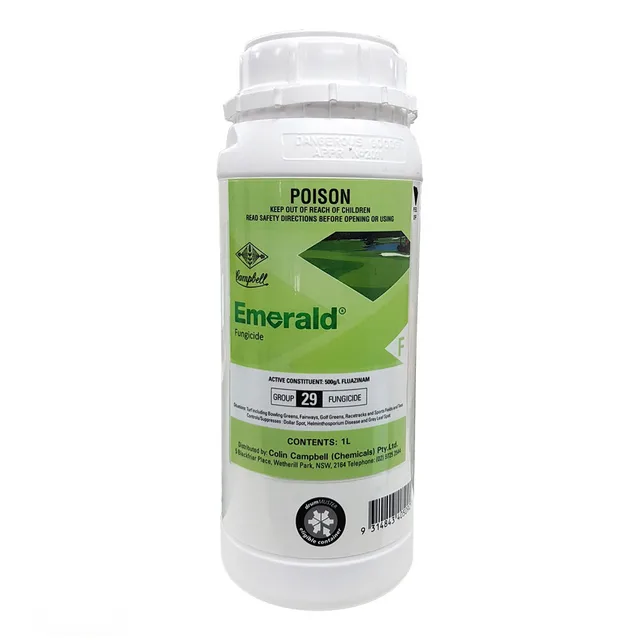
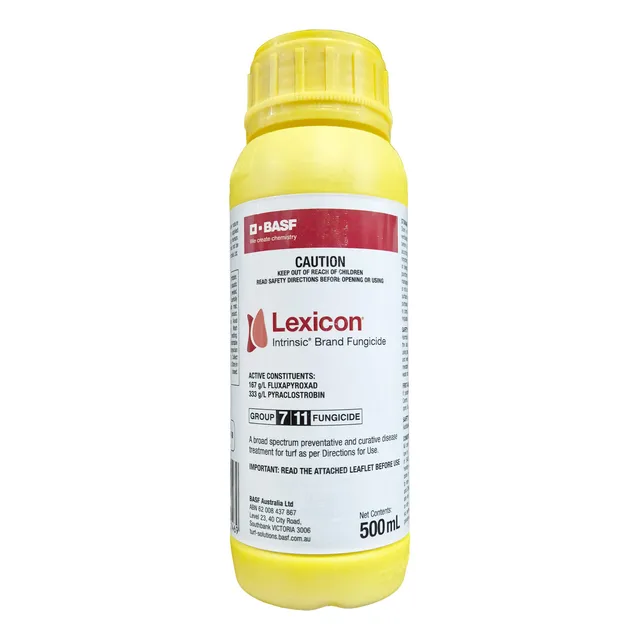
Registered products we stock
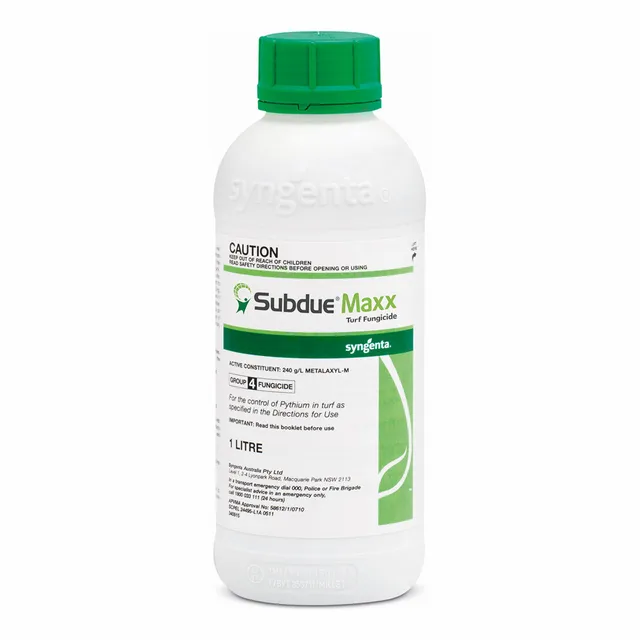
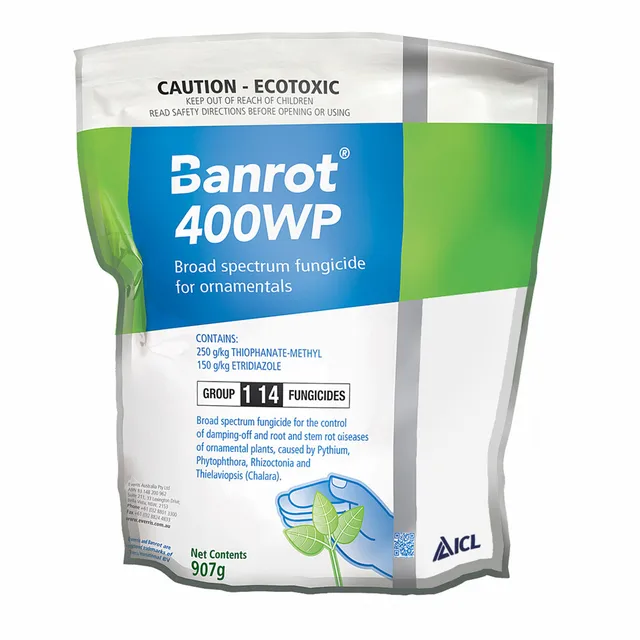
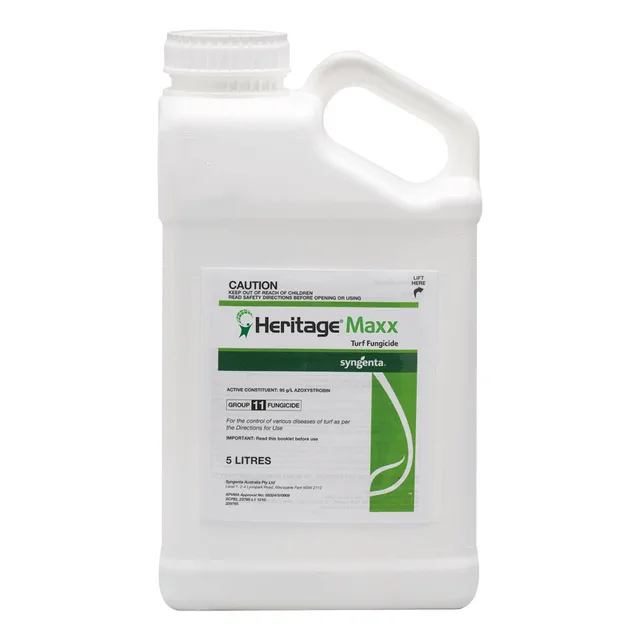
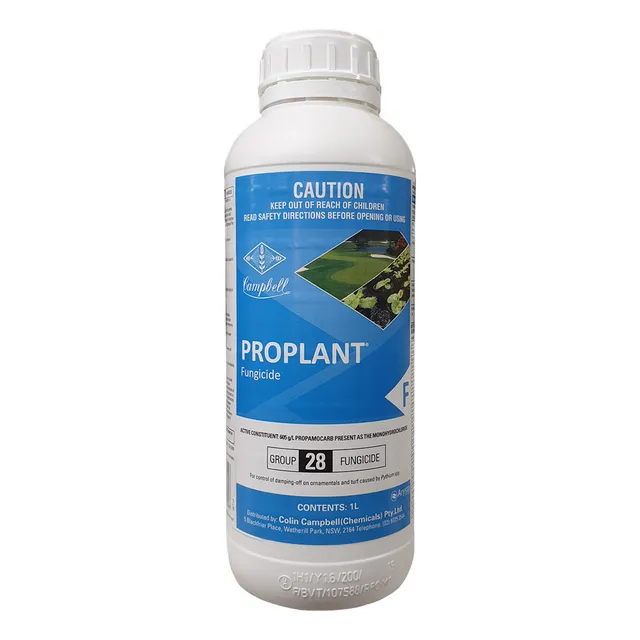
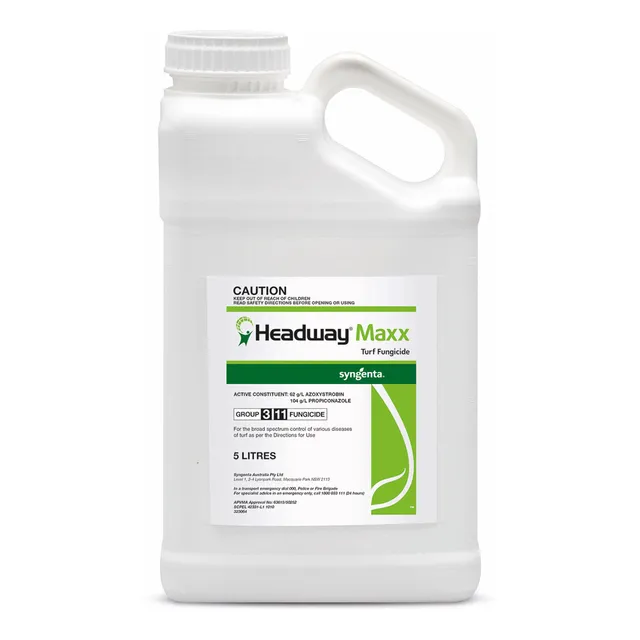
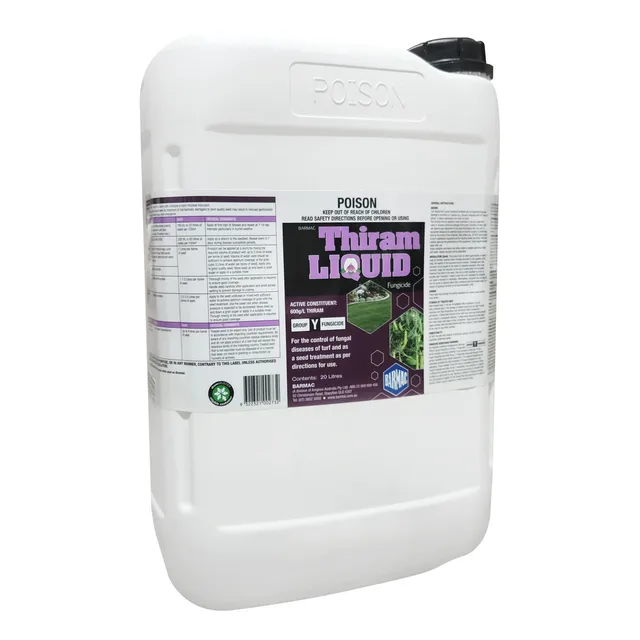
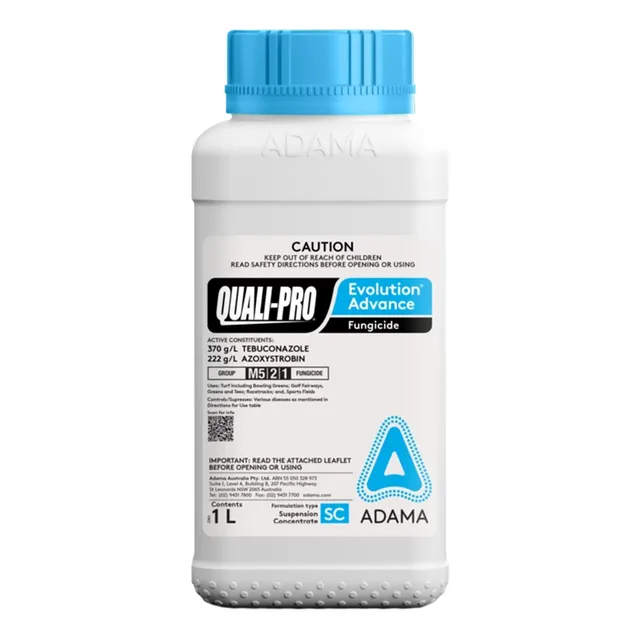
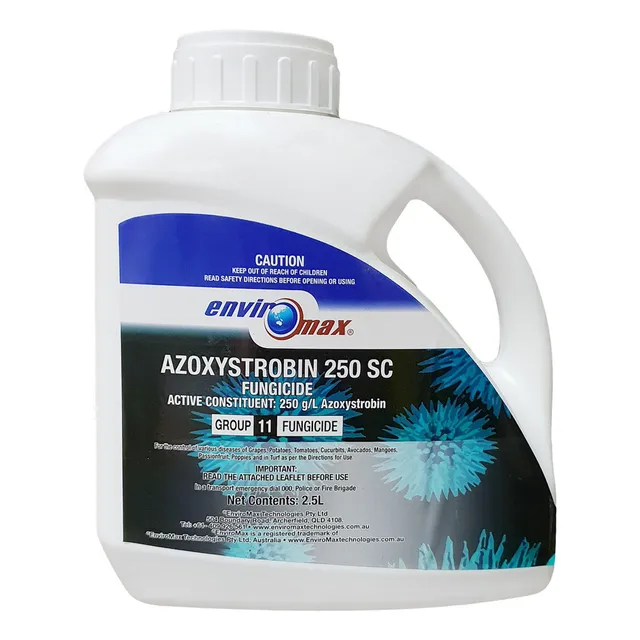
No products match those filters.