

Scale
Coccoidea
Scale insects are sap-sucking pests that form waxy or shell-like bumps on stems and leaves, weakening plants and attracting sooty mould.
Scale insects are a large group of sap-sucking bugs that protect themselves under a waxy, shell-like or cottony covering. Adult females are usually the stage you notice: small, oval to round or mussel-shaped bumps from about 1mm to 6mm across, coloured brown, grey, black, white or pink depending on the species. They sit motionless on stems, leaf undersides or along leaf veins and fruit, and once settled they lose their legs and stay fixed in one place for the rest of their life. Males, where present, are tiny, rarely seen, and may develop wings to fly off and mate.
The juvenile stage, called a crawler, is the only mobile phase. Crawlers are tiny (under 1mm), flat, oval and yellow, orange or pale in colour. They hatch from eggs or are born live under the mother's cover, then walk out over the plant, or get blown or carried by ants, to find a new feeding spot. Once a crawler inserts its mouthparts into the plant it settles down, begins forming its own protective covering, and moves very little from then on.
Scale is found on a huge range of garden plants, fruit trees, citrus, roses, ornamentals and even some turf situations across Australia. Different species suit different climates, but most are active from spring through to autumn when temperatures are warm, with crawler emergence often timed to coincide with new growth flushes. Heavily shaded, crowded or stressed plants with poor airflow tend to carry heavier infestations, and ants that farm scale for their honeydew will often protect colonies from natural predators.
Management relies on regular inspection, especially of new growth and the undersides of leaves, so infestations are caught while crawlers are still exposed and vulnerable. Encouraging natural predators such as ladybirds, lacewings and parasitic wasps helps keep numbers down, as does controlling ant activity that protects scale colonies. Pruning out heavily infested stems, improving airflow around plants, and avoiding excess nitrogen fertiliser (which encourages soft, attractive new growth) all reduce the conditions scale thrives in.
How to identify
- Visible bumps: small, immobile brown, grey, white or waxy lumps stuck to stems, leaf undersides, leaf veins or fruit that don't brush off easily like dirt.
- Sticky honeydew: a clear, sticky residue on leaves and anything beneath the plant, often followed by black sooty mould growing on the honeydew.
- Ant activity: ants trailing up and down stems are a strong clue, as they farm scale for the honeydew and will defend colonies from predators.
- Plant decline: yellowing leaves, leaf drop, dieback of small branches, and reduced vigour or fruiting on heavily infested plants.
- Field check: scrape a suspected scale bump with a fingernail; if it lifts off cleanly and the plant tissue underneath looks undamaged, it may just be a leaf lenticel or bark texture, but a true scale will often reveal a soft insect body or egg mass beneath the cover, and squashing it may leave a stain.
- Lookalikes: mealybugs are related sap-suckers but are mobile, soft-bodied and covered in loose white waxy fluff rather than a fixed shell; natural leaf bumps or lenticels are part of the plant's own bark or leaf structure and won't lift off or contain an insect underneath.
Registered products we stock
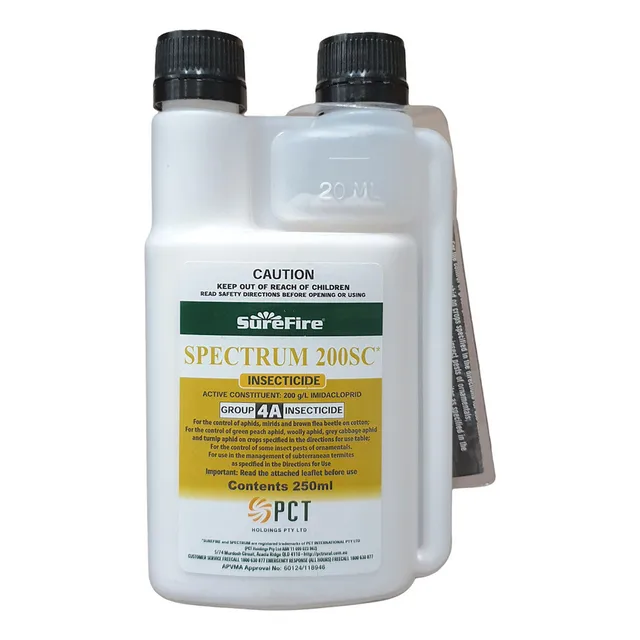
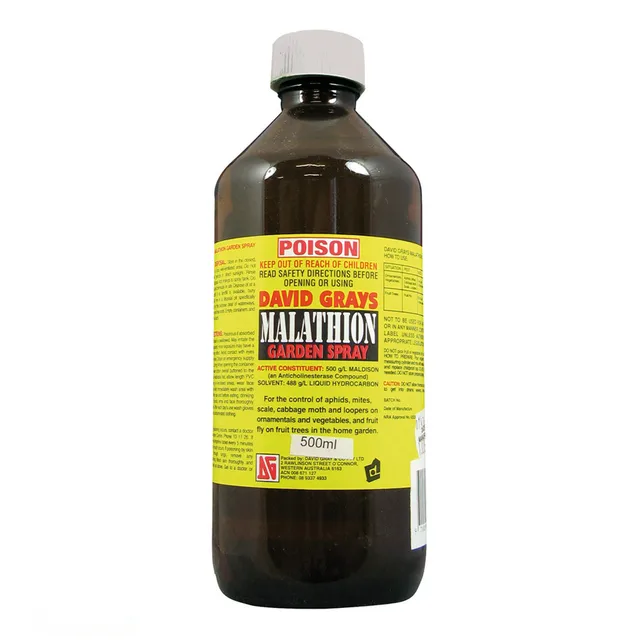
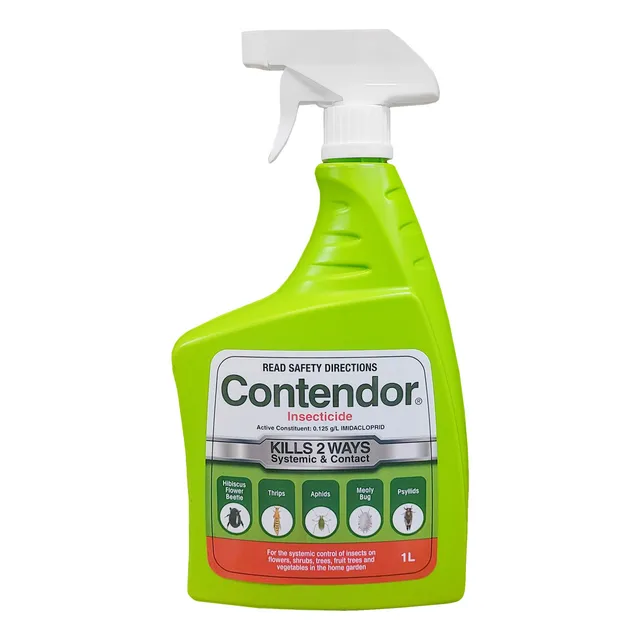
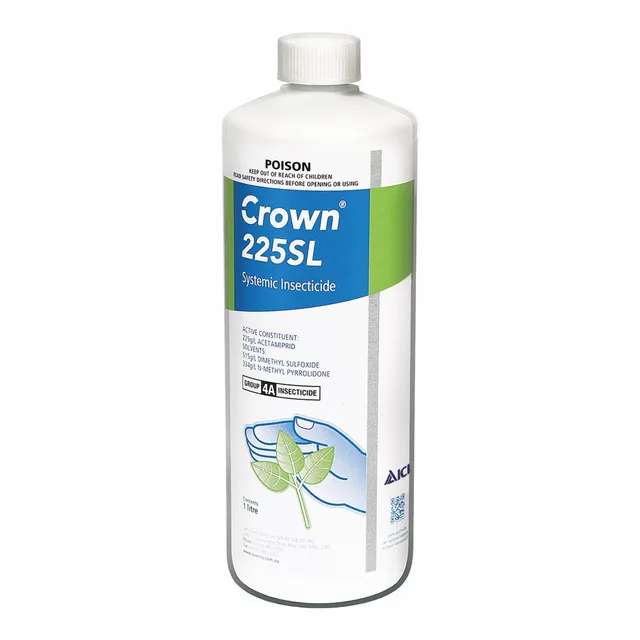
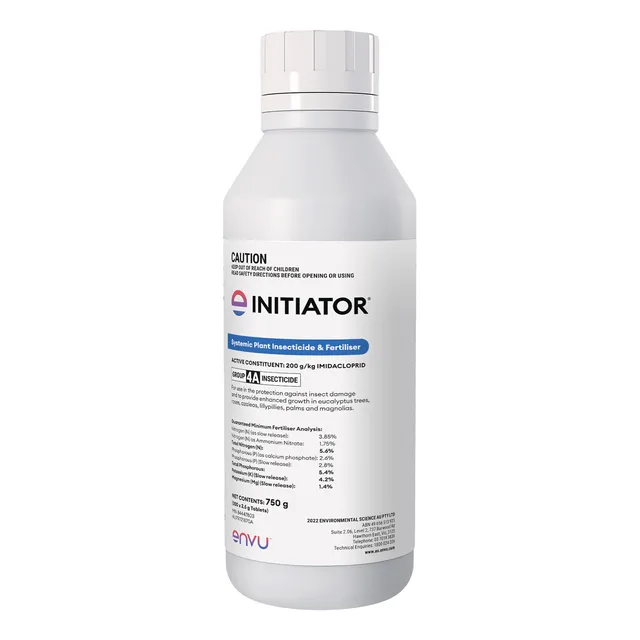
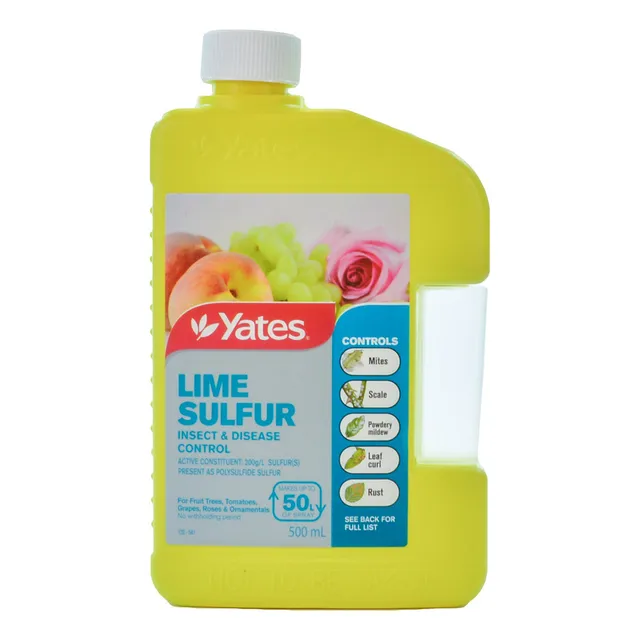
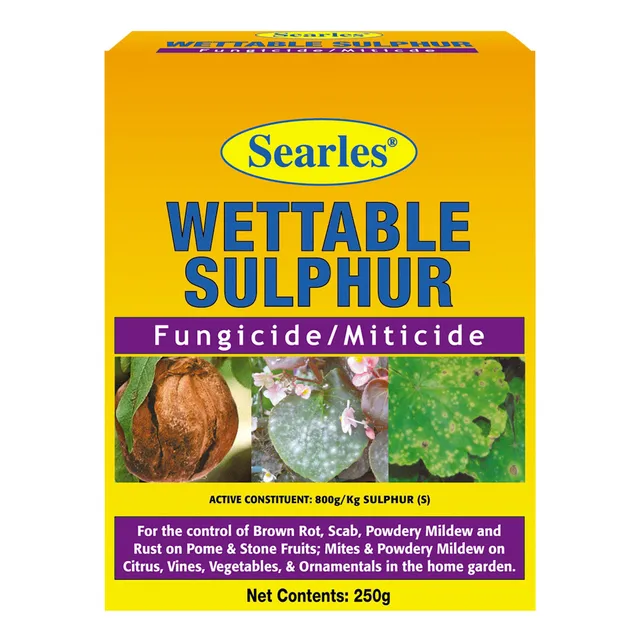
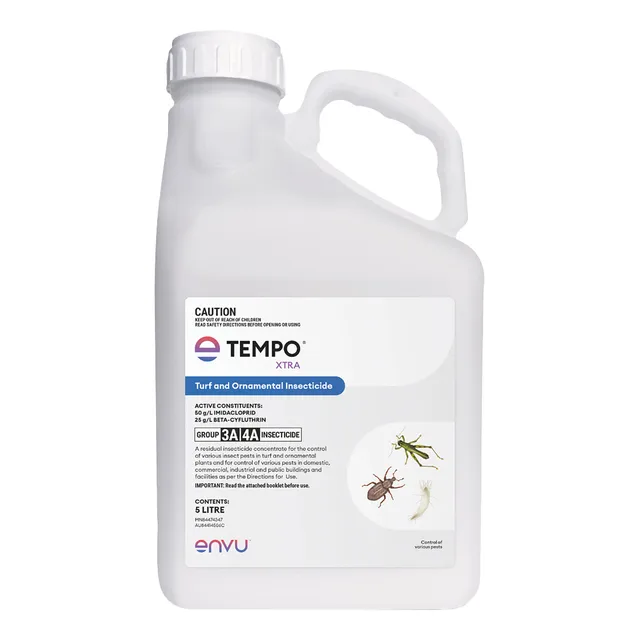
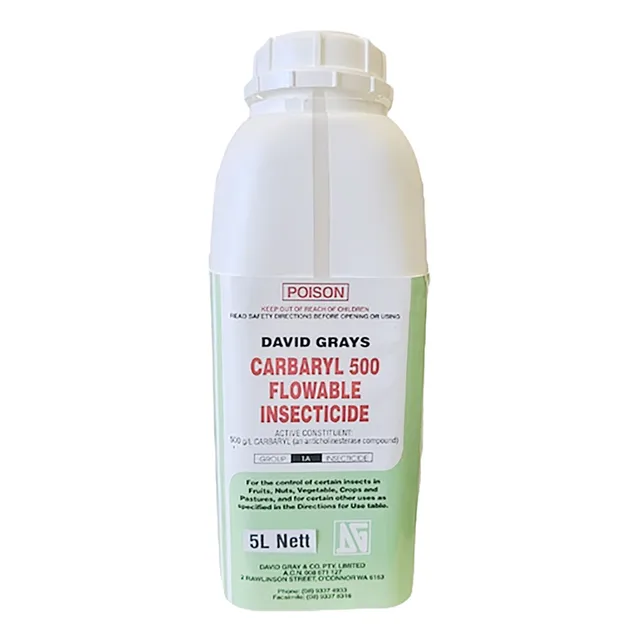

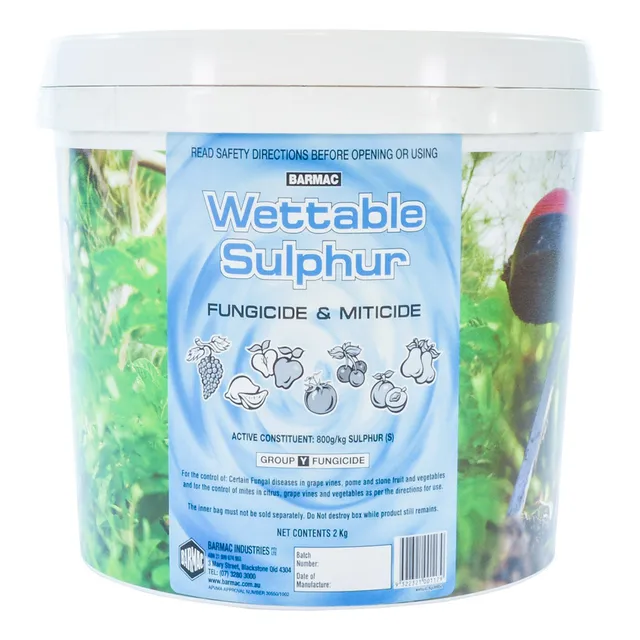
No products match those filters.