

Whiteflies
Aleyrodidae
Tiny sap-sucking insects that swarm from foliage when disturbed, weakening plants and coating leaves in sticky honeydew.
Whiteflies are small, moth-like insects belonging to the family Aleyrodidae. Several species are common in Australian gardens and greenhouses, including greenhouse whitefly and silverleaf whitefly, and they behave similarly enough that most home gardeners don't need to tell them apart to manage them.
Adults are about 1-2mm long, with a pale yellow body covered in a fine white waxy powder that gives the wings their chalky-white appearance. They hold their wings roof-like over the body and tend to cluster on the undersides of leaves, flying up in a small cloud when the plant is brushed or shaken. Eggs are laid in small groups on leaf undersides and are tiny, oval and pale. The nymphs (immature stage) are flattened, oval, greenish-yellow to translucent, and largely stationary once they settle on the leaf underside to feed, moulting through several stages before becoming a pupa-like final instar that's often mistaken for a scale insect.
Whiteflies feed by sucking sap from the underside of leaves, mostly on soft new growth. They favour warm, humid conditions and populations build quickly over spring, summer and autumn, often exploding in glasshouses, poly tunnels or sheltered courtyard gardens where temperatures stay mild year-round. Outdoors, cold winter weather usually knocks numbers back, though in warmer parts of Australia they can persist through the year.
Heavy infestations stress plants and reduce vigour, and the honeydew they excrete promotes sooty mould growth on leaves. Management relies on regular monitoring, encouraging natural predators such as ladybirds, lacewings and parasitic wasps, removing heavily infested leaves, and using targeted control methods when numbers are high. Yellow sticky traps are a useful way to monitor adult activity and gauge whether intervention is needed.
How to identify
- Leaves become pale, mottled or yellowed, and growth may become stunted on heavily infested plants
- A sticky honeydew coats leaves and anything beneath the plant, often followed by black sooty mould growth
- Small white flying insects rise in a cloud when the plant is disturbed or shaken
- Turning leaves over reveals pale, flattened, oval nymphs clustered on the undersides, often alongside adults and tiny pale eggs
- Field check: gently shake or tap an affected branch over a white sheet of paper or your hand — a burst of tiny white insects taking flight confirms whitefly presence
- Lookalikes: aphids also cause honeydew and sooty mould but are larger, pear-shaped, wingless or winged, and don't fly up in a cloud when disturbed; scale insects are immobile bumps on stems and leaves rather than flying adults, though whitefly's final nymphal stage can resemble small scale at first glance
Registered products we stock
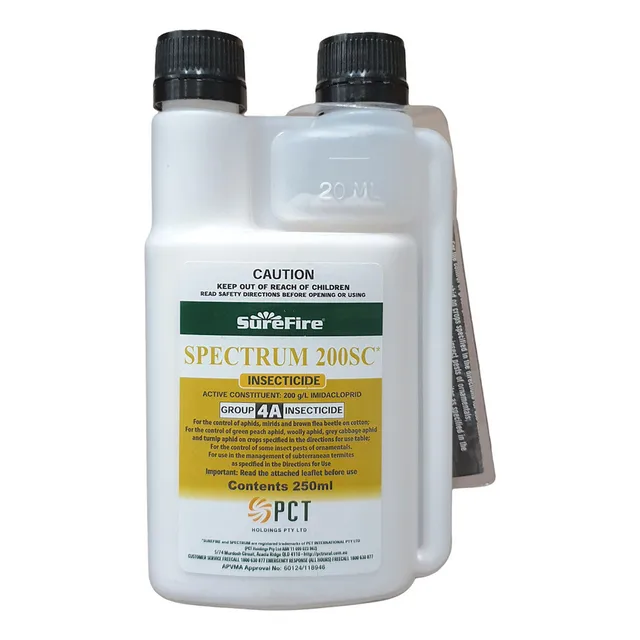
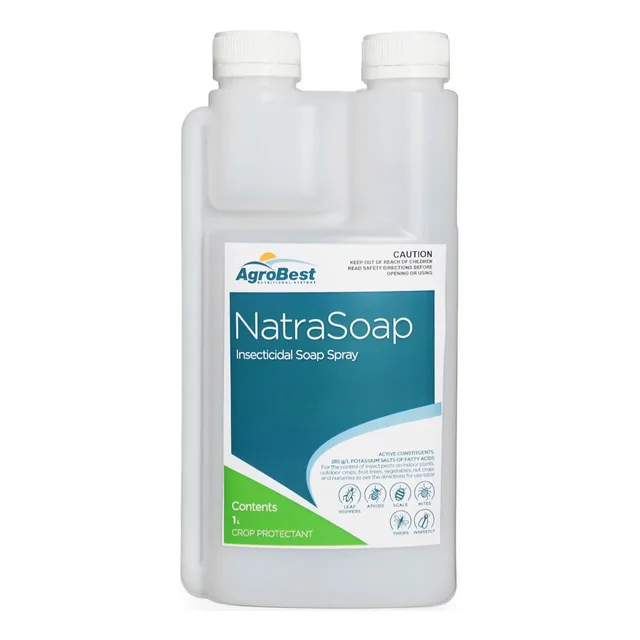
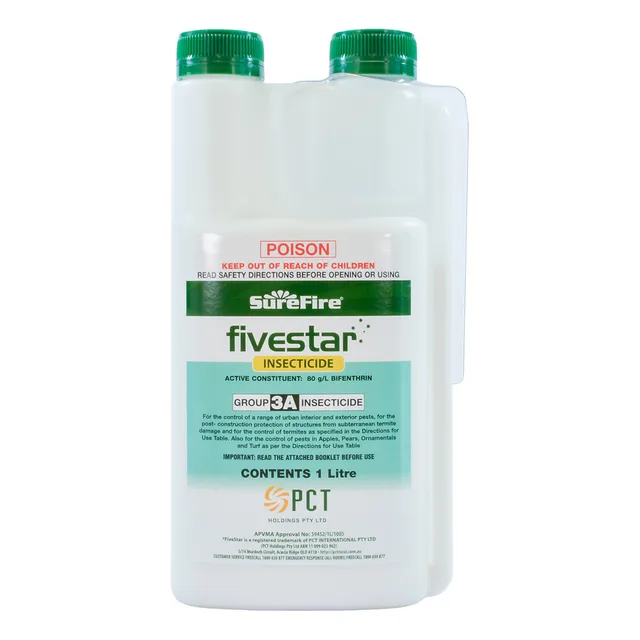
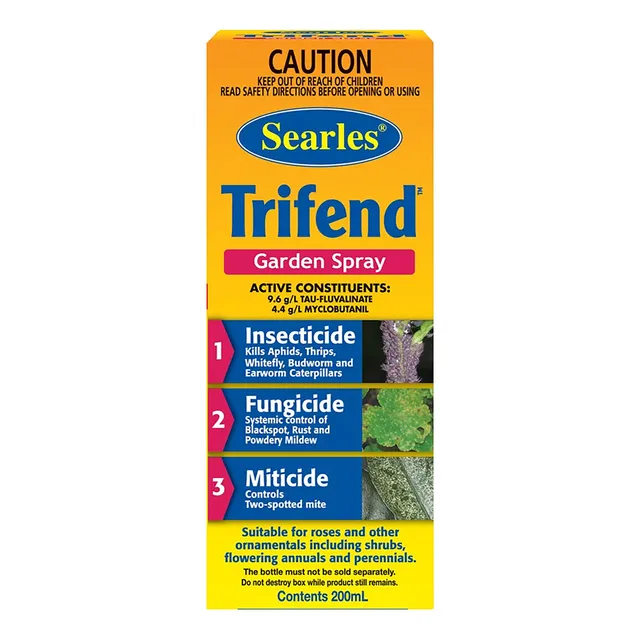
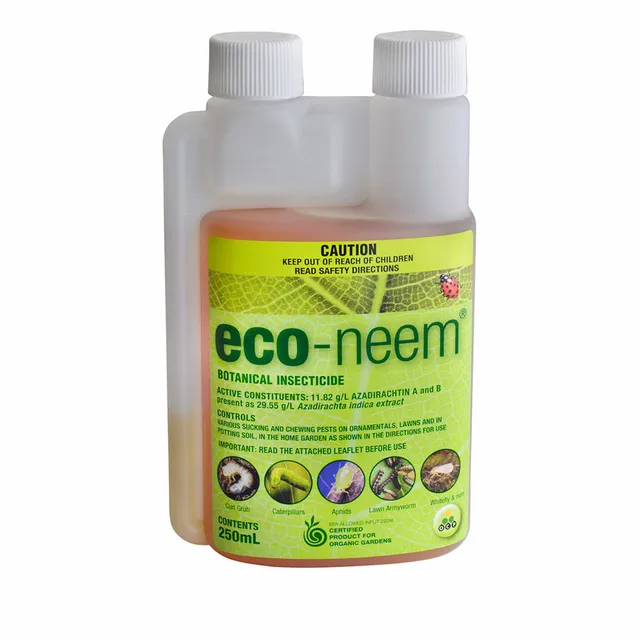
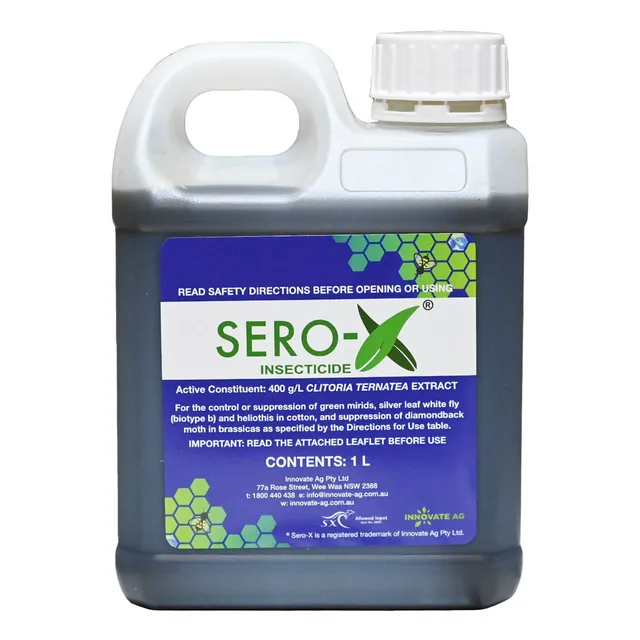
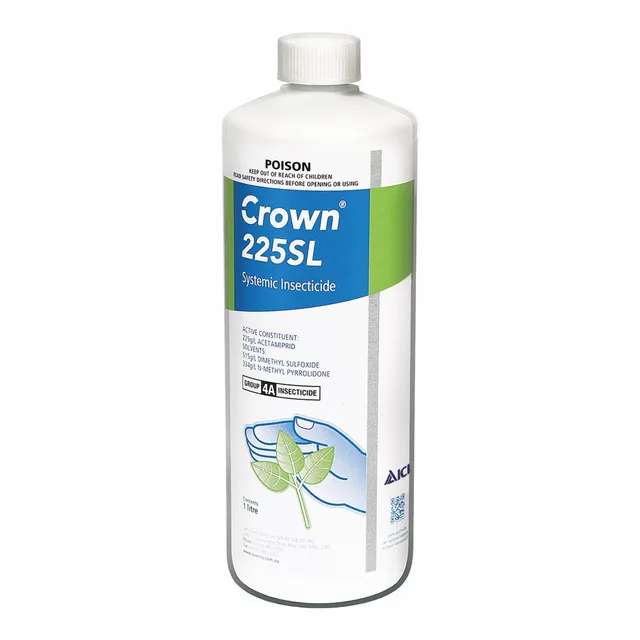
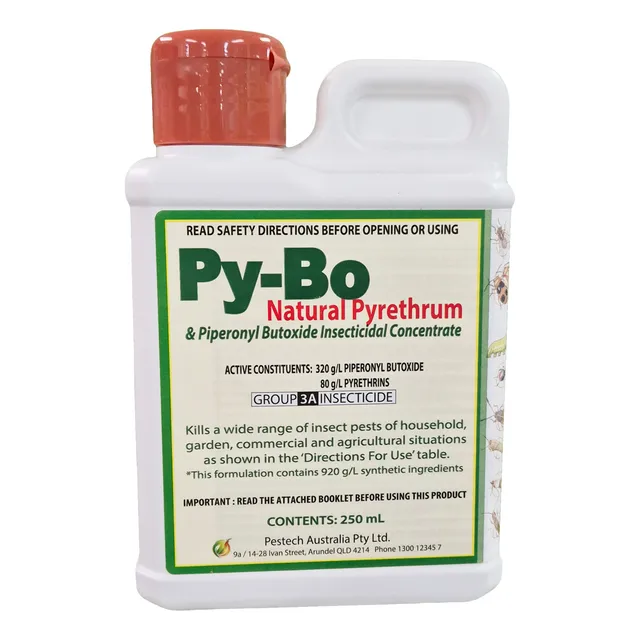
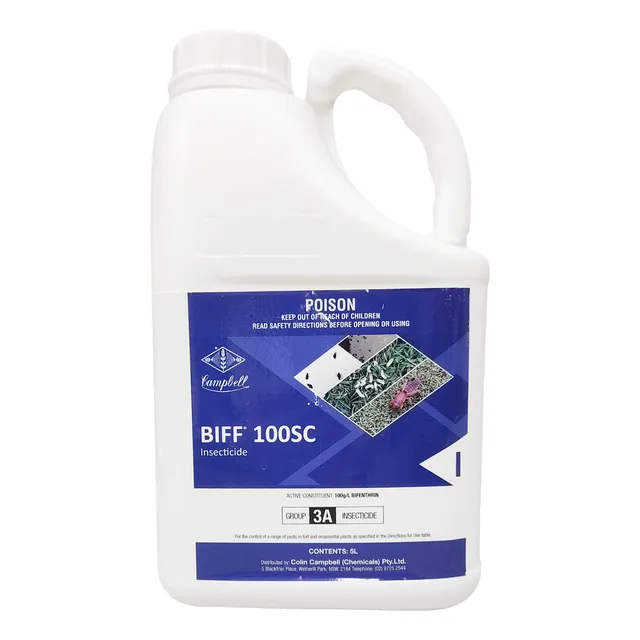
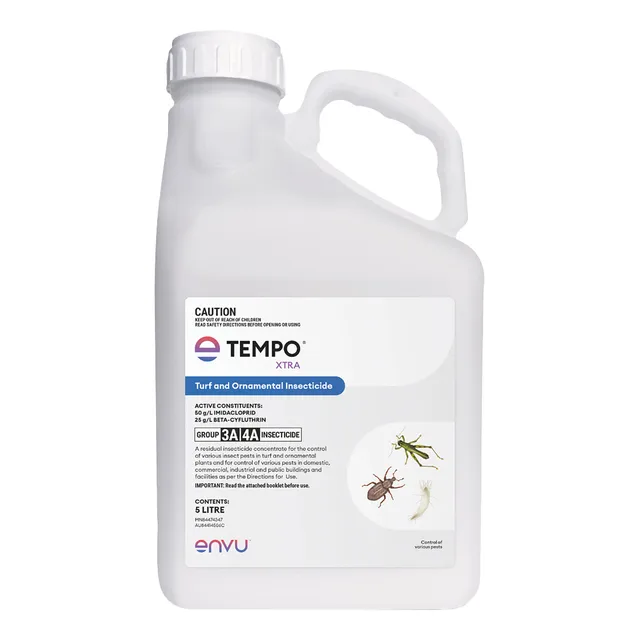
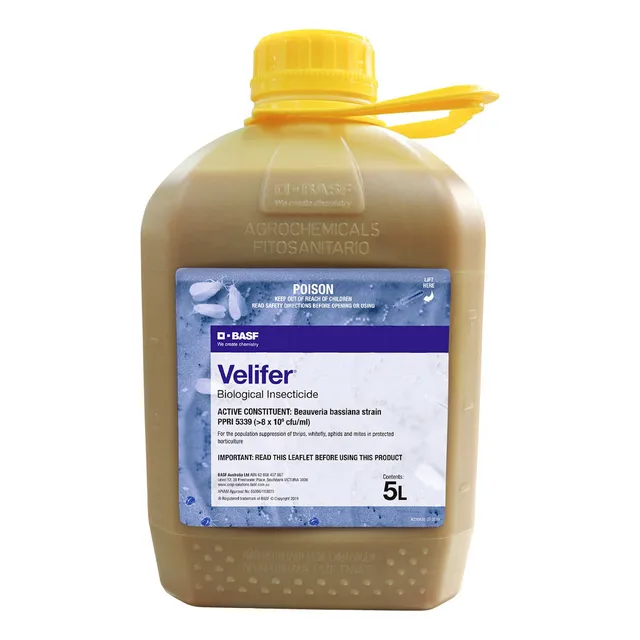
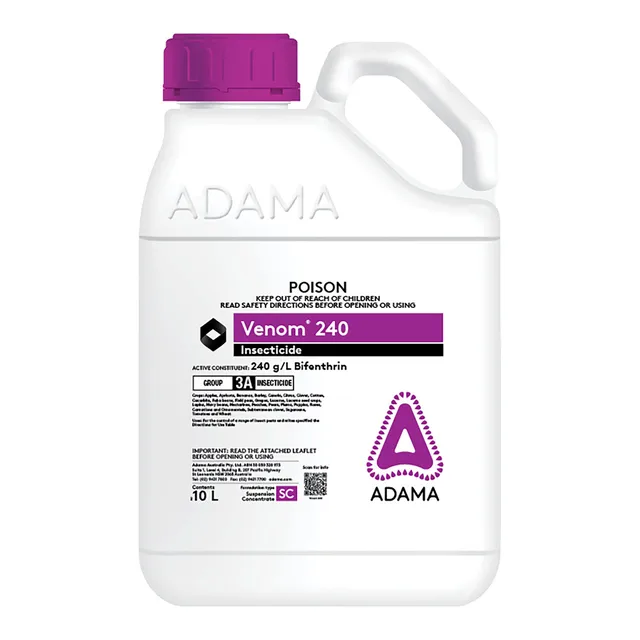
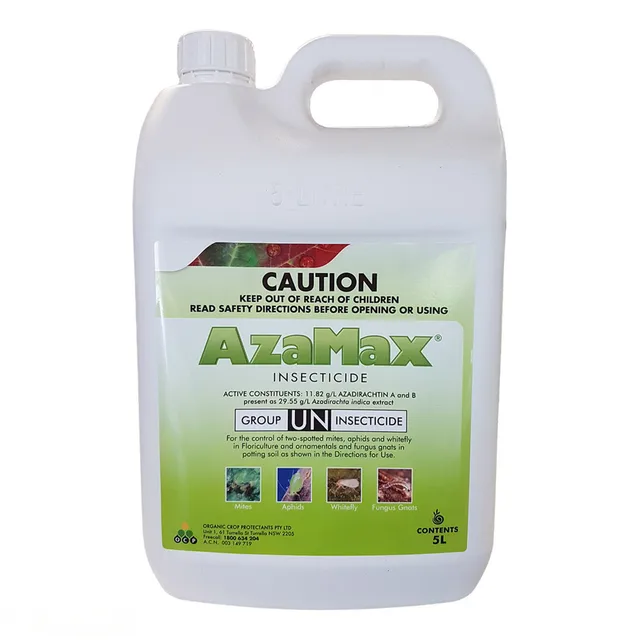
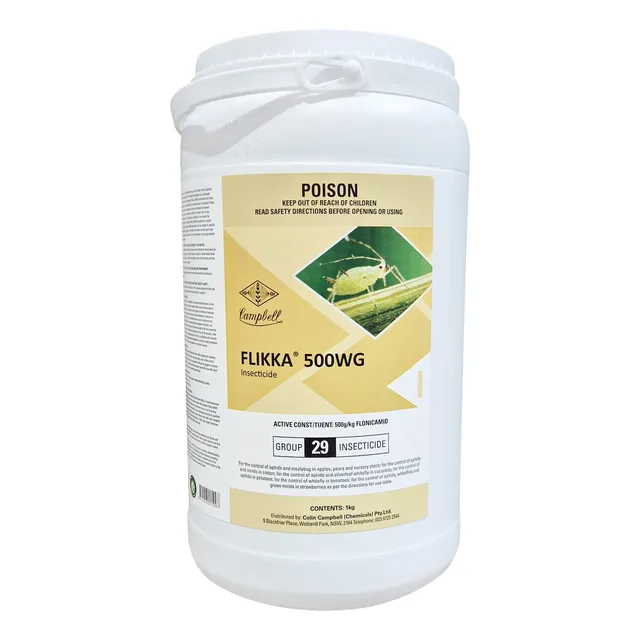
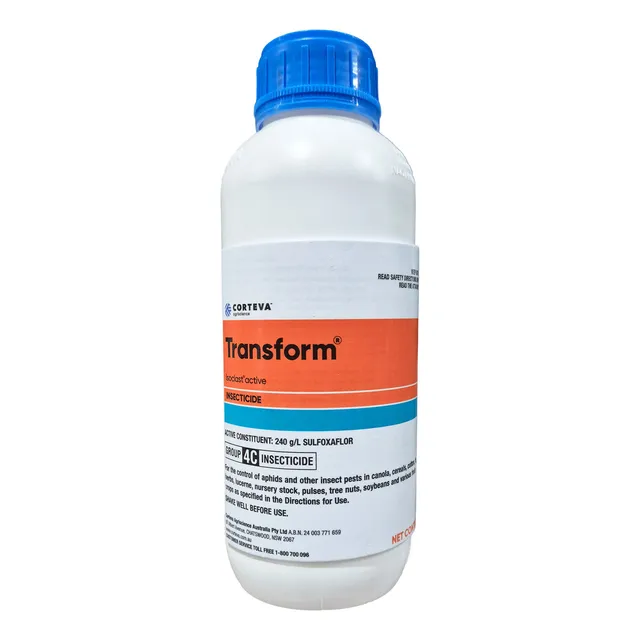
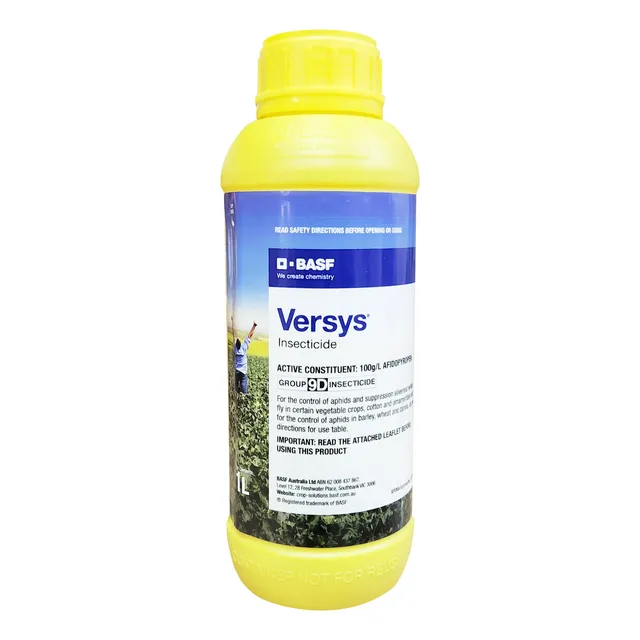
No products match those filters.