

Wilt
Fusarium & Verticillium spp.
Fusarium and Verticillium wilt are soil-borne fungal diseases that block a plant's water-conducting tissue, causing sudden wilting and dieback.
Fusarium and Verticillium wilts are caused by soil-dwelling fungi that infect plants through the roots and colonise the water-conducting (vascular) tissue in the stem. As the fungus spreads internally, it clogs these tissues and produces toxins, restricting water movement to the leaves. This is different from a leaf-spot or rot disease, as most of the damage happens inside the plant and isn't visible until the vascular tissue is cut open.
On the plant itself, the fungi are microscopic and not visible to the naked eye, but their effect is distinctive. If you slice open a wilting stem near the base, the internal tissue often shows brown or reddish-brown streaking running lengthwise, in contrast to healthy white or pale green tissue. In humid conditions, Fusarium can sometimes produce a faint pinkish or salmon-coloured fungal growth at the stem base or on dying tissue, while Verticillium tends to show darker grey-brown staining. Both fungi persist in soil for years as tiny resting structures, surviving between susceptible crops.
These wilts affect a wide range of vegetables, ornamentals, and some turf and tree species across Australia, and are more common in warmer months and in soils that have grown susceptible crops repeatedly. Fusarium wilt tends to favour warmer soil temperatures, while Verticillium wilt is often more active in cooler soil. Both are worsened by plant stress, root damage, and poor drainage.
Management relies heavily on prevention rather than cure, since there is no way to treat the vascular infection once established. This includes choosing resistant or tolerant varieties where available, practising crop rotation to reduce soil-borne fungal load, avoiding waterlogged or compacted soil, minimising root damage during cultivation, and removing and destroying infected plant material rather than composting it. Improving soil health and drainage, and disinfecting tools between plants, also helps reduce spread.
How to identify
- Wilting: leaves and stems wilt, often starting on one side of the plant or one branch, even when soil moisture is adequate.
- Yellowing and browning: lower or older leaves often yellow first, followed by browning and leaf drop, progressing upward through the plant.
- Stunted growth: affected plants are often smaller and weaker than healthy neighbours, with reduced vigour.
- Sudden collapse: in severe cases, whole plants or sections of turf can collapse and die quickly, particularly during hot weather or moisture stress.
- Internal discolouration: the key confirming sign — cut a wilting stem lengthwise near the base and look for brown, reddish-brown or grey-brown streaking in the vascular tissue, distinguishing it from healthy pale tissue.
Field check: slice through the lower stem or crown of an affected plant. Discoloured, streaked vascular tissue strongly suggests a wilt disease rather than simple water stress or nutrient deficiency.
Lookalikes: root rot from waterlogged soil can cause similar wilting and yellowing, but affected roots are usually soft, dark and rotten rather than showing internal stem streaking. Drought stress causes uniform wilting across the whole plant without internal discolouration, and plants usually recover once watered.
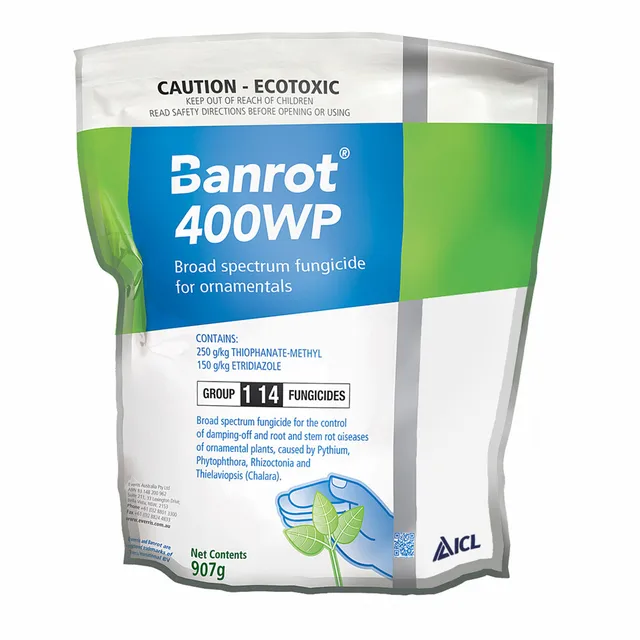
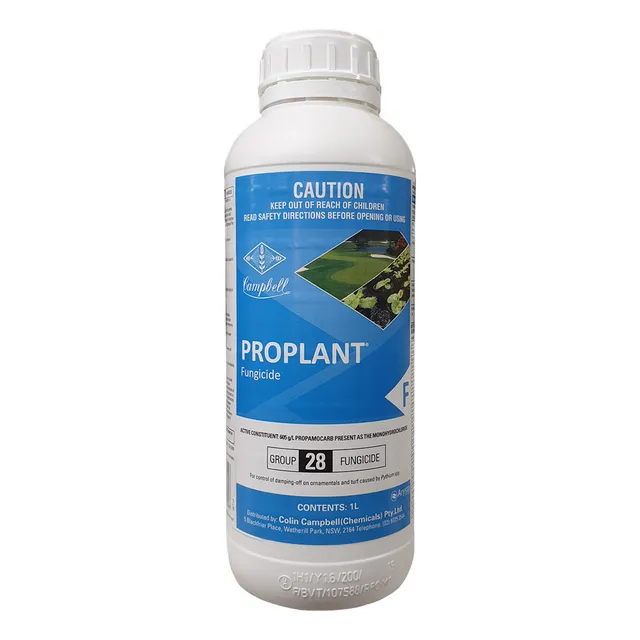
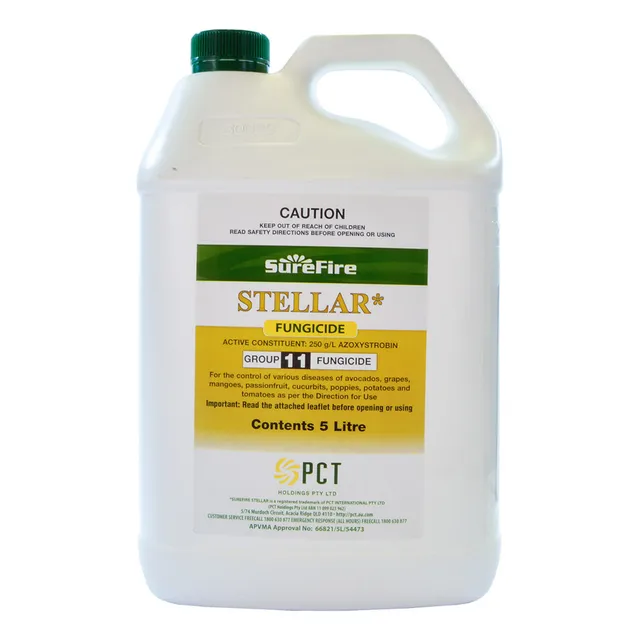
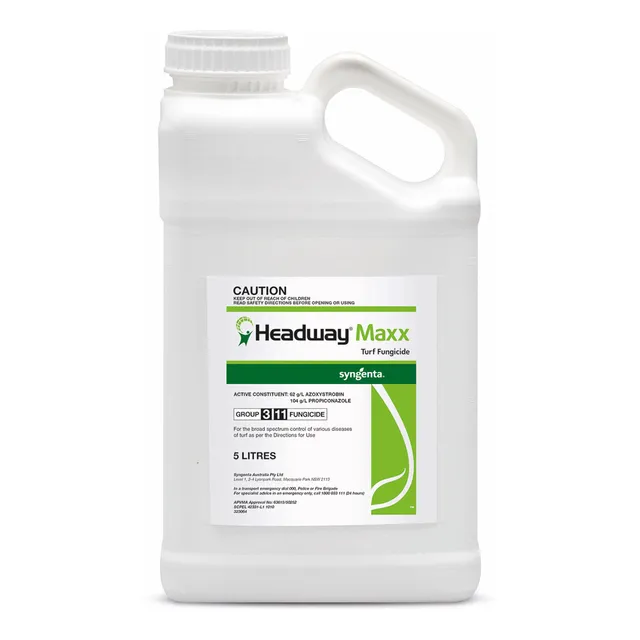
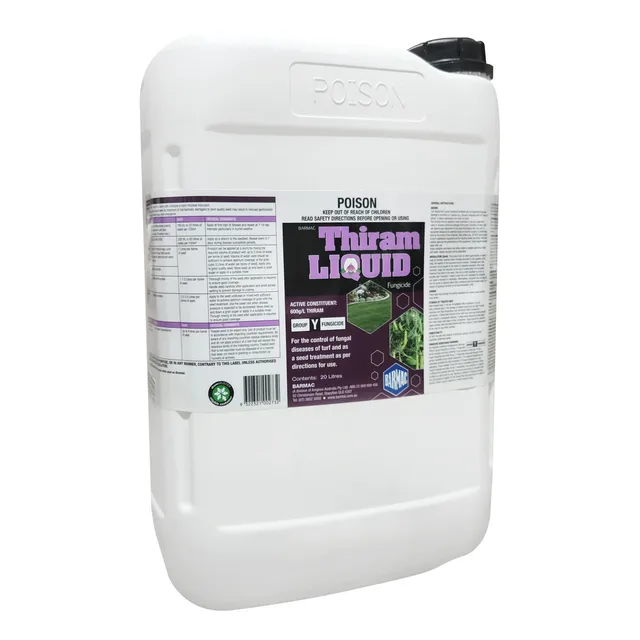
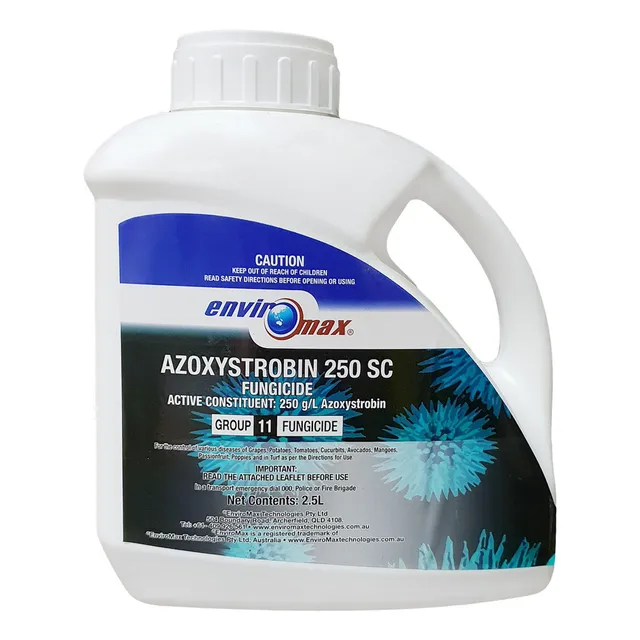
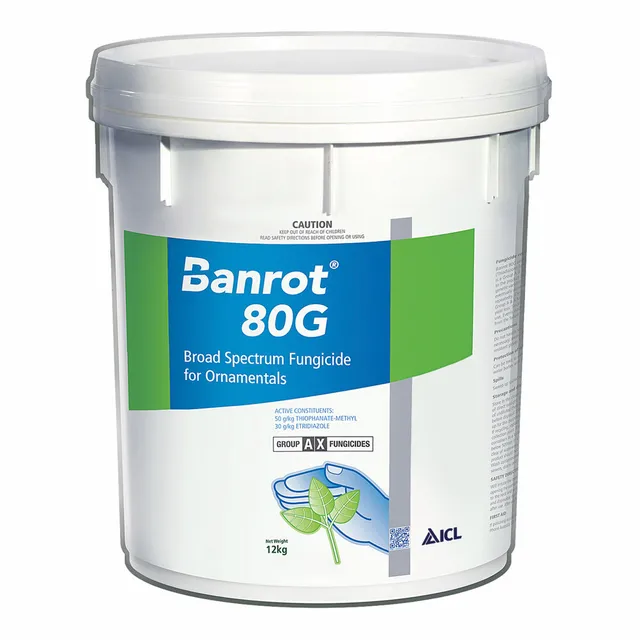
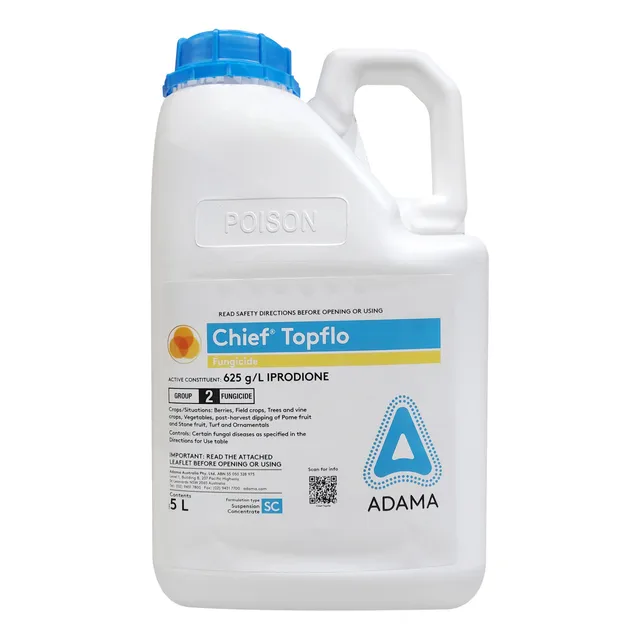
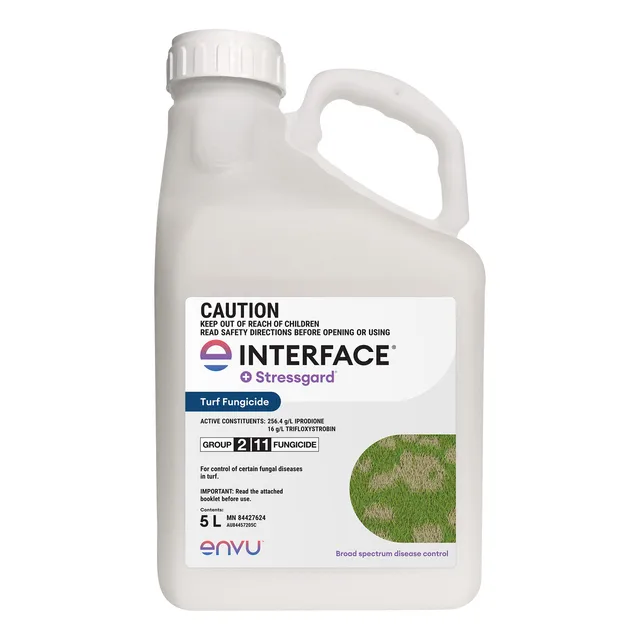
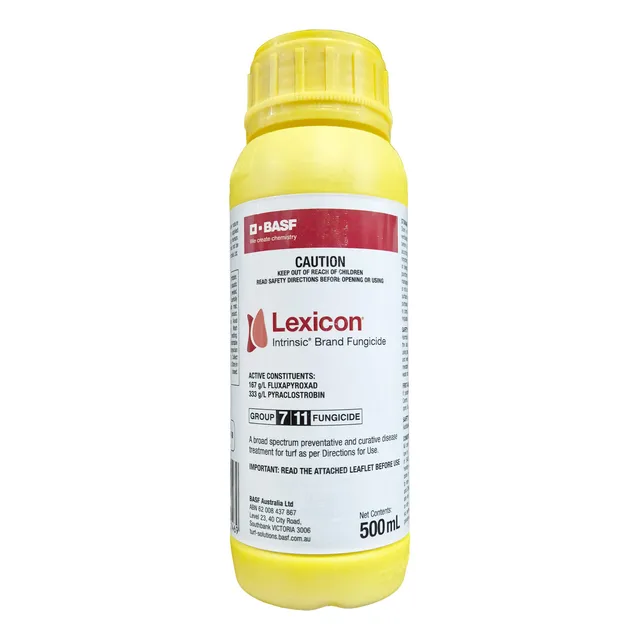
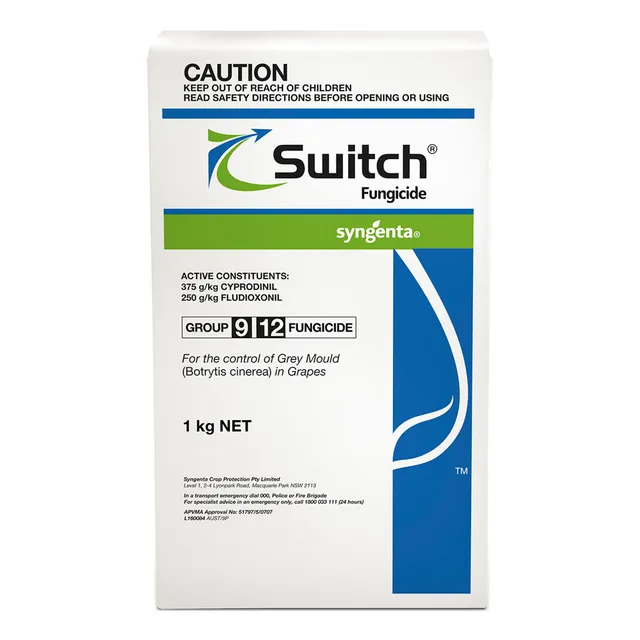
Registered products we stock
No products match those filters.