

Rust
Pucciniales
Rust is a fungal disease causing orange, yellow or brown powdery spore pustules on leaves and stems of many garden plants and lawns.
Rust is the common name for a large group of related fungi, all belonging to the order Pucciniales, that infect a wide range of garden plants including roses, mint, boronia, cereals, beans, chrysanthemums, pelargoniums and turf grasses. Each rust fungus is usually quite host-specific, meaning the rust on your roses is a different species to the rust on your lawn or your broad beans, but they all produce similar symptoms and are managed in similar ways.
The fungus itself is visible as small raised pustules that erupt through the leaf surface, releasing a mass of powdery spores. Depending on the species and stage of the disease, these pustules range from bright orange or yellow through to rust-red, brown or almost black. On close inspection the pustules are often arranged in clusters or rings, and the spores will readily rub off onto a finger or a piece of white paper, which is a useful way to confirm rust rather than another leaf marking. There is no visible larval or nymph stage since this is a fungus, not an insect, but the disease does have several microscopic spore stages that can look slightly different through a season.
Rust diseases are common across most of Australia and tend to flare up in mild, humid conditions, typically during spring and autumn when day and night temperatures fluctuate and leaves stay damp for extended periods from dew, rain or overhead watering. Spores spread easily by wind, splashing water, on tools, and on hands and clothing, and can survive on fallen leaves, plant debris and sometimes in the soil or on nearby weed hosts between seasons.
Management relies on reducing humidity around foliage by improving airflow through pruning or thinning, avoiding overhead watering late in the day, removing and destroying infected leaves and debris promptly, and choosing rust-resistant varieties where available. Badly affected plants may need cutting back hard to remove the bulk of infected growth and allow clean regrowth.
How to identify
- Small raised pustules on leaves, stems or occasionally flowers, coloured orange, yellow, rust-red or brown depending on the rust species
- Powdery spore masses that rub off easily onto fingers or paper when touched
- Yellowing, distortion or premature drop of affected leaves
- Stunted growth or reduced vigour on heavily infected plants
- On lawns, orange-brown dust on mower blades, shoes or clothing after walking on affected turf, and a general orange-brown cast to the grass when viewed from a distance
Field check: rub a suspect leaf or blade of grass between your fingers or against white paper — a orange, yellow or rust-coloured powder confirms rust spores. This distinguishes rust from sooty mould, which wipes off as a dark grey-black film rather than a coloured powder, and from simple nutrient-deficiency yellowing, which shows no powdery residue at all.
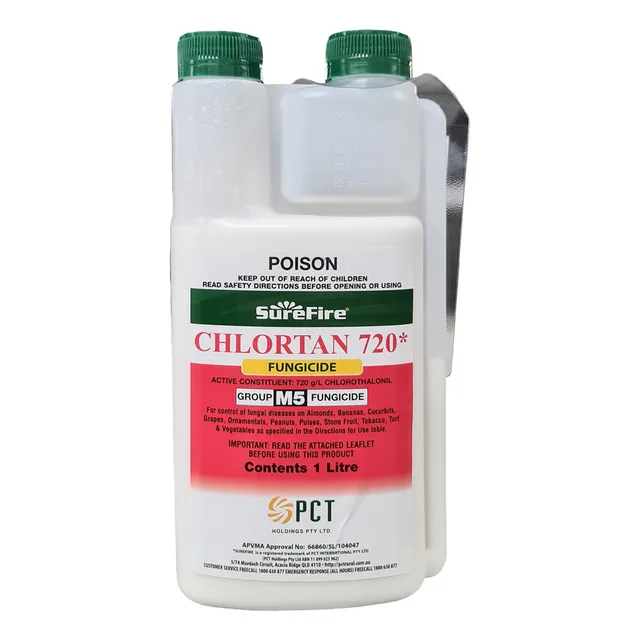
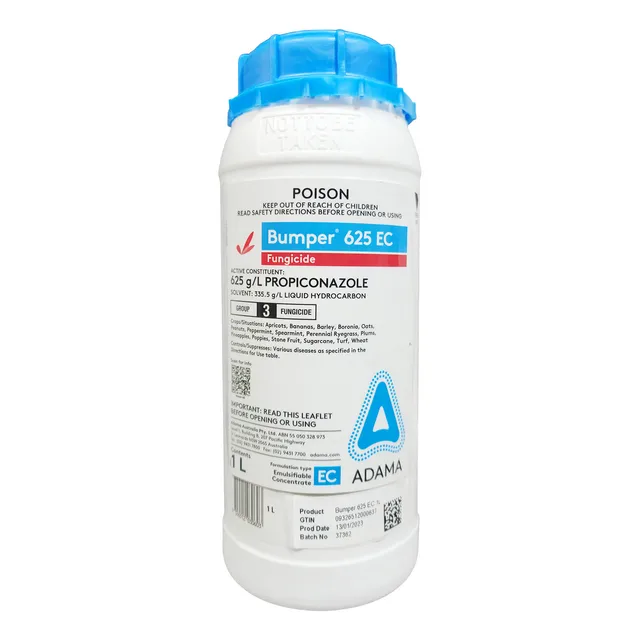
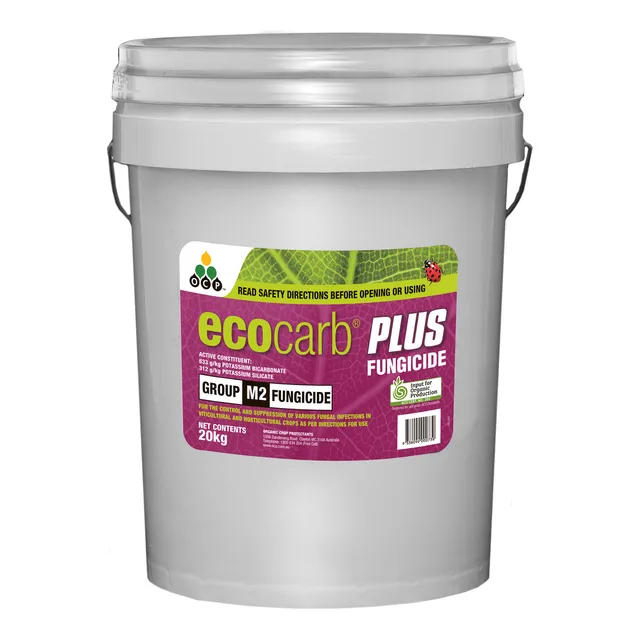
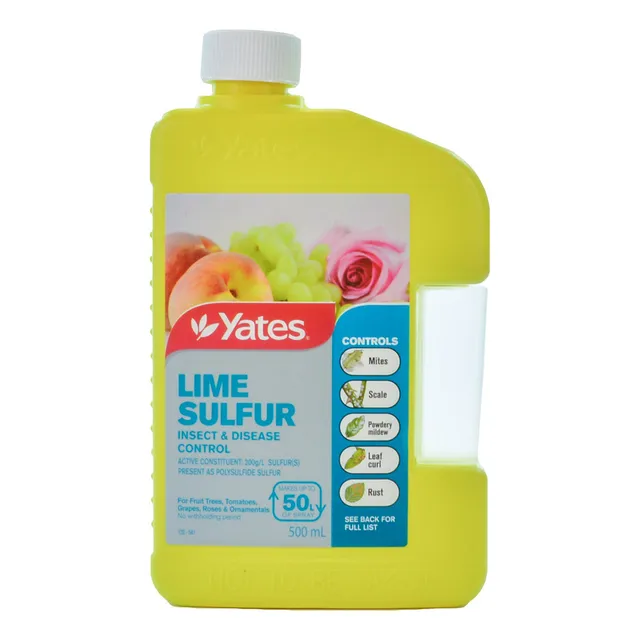
Registered products we stock
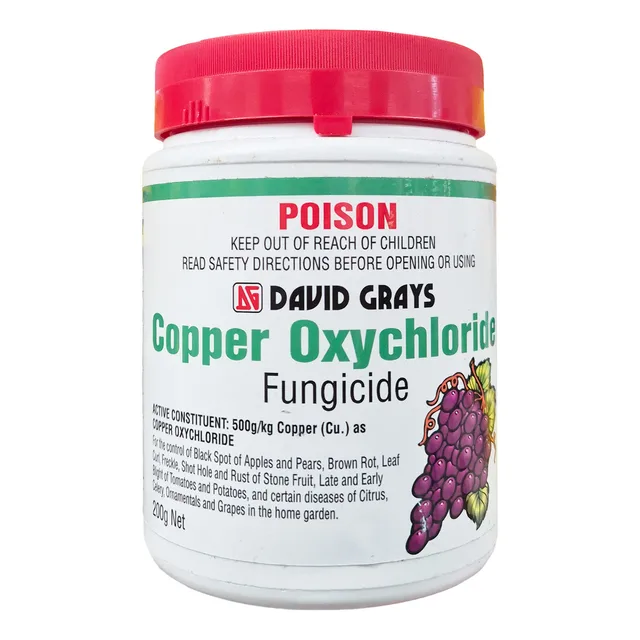
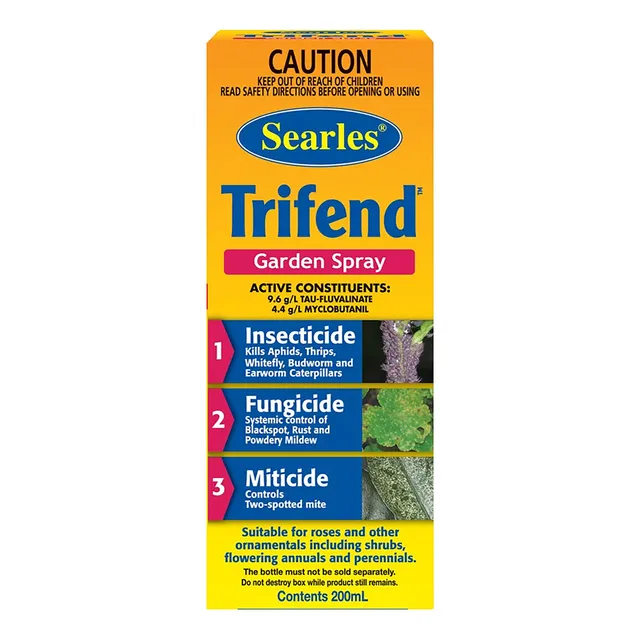
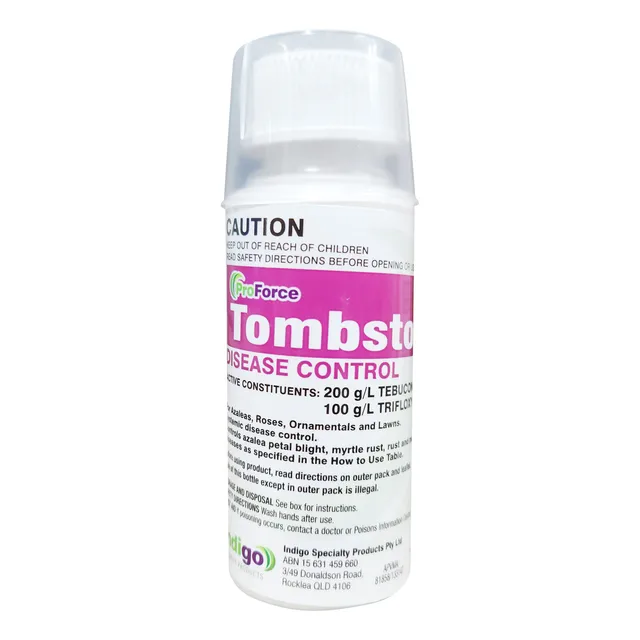
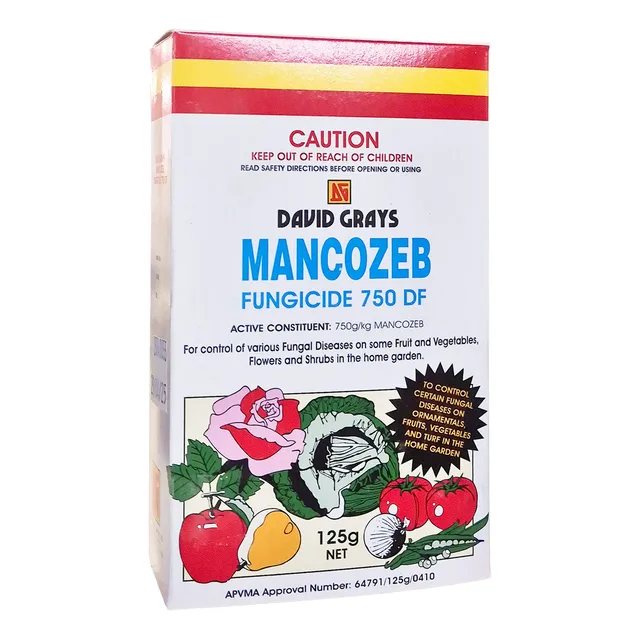
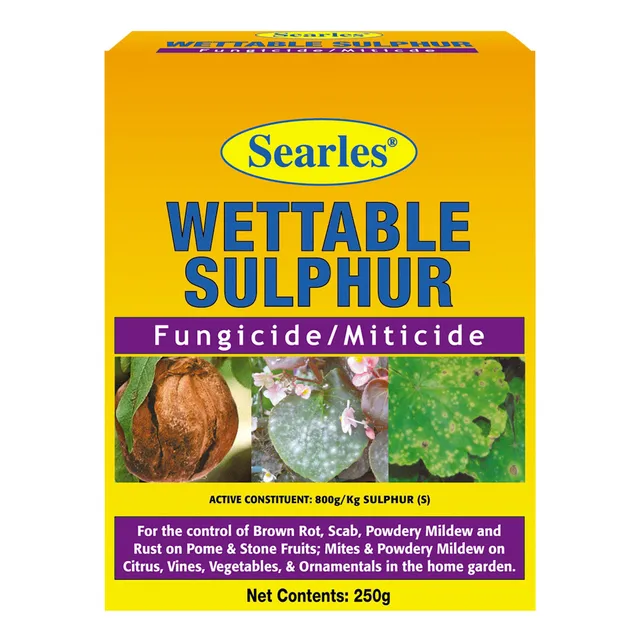
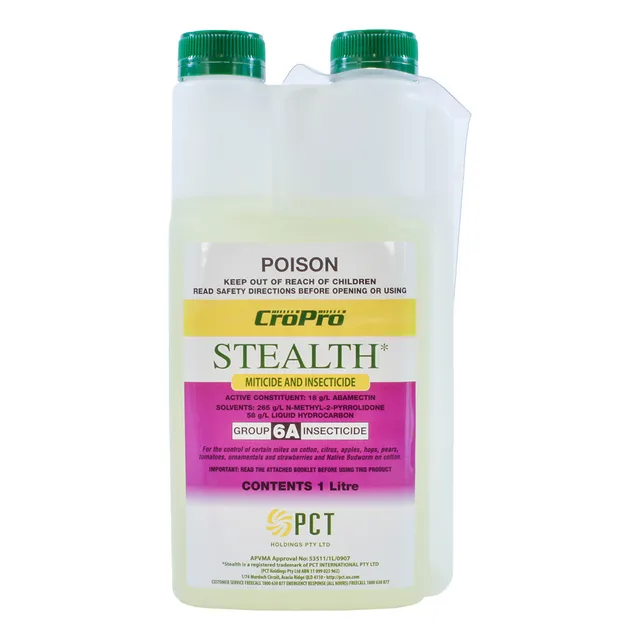
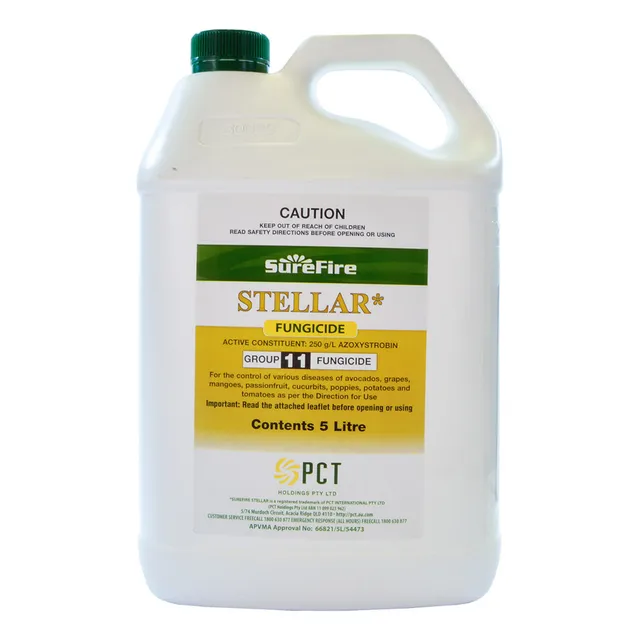
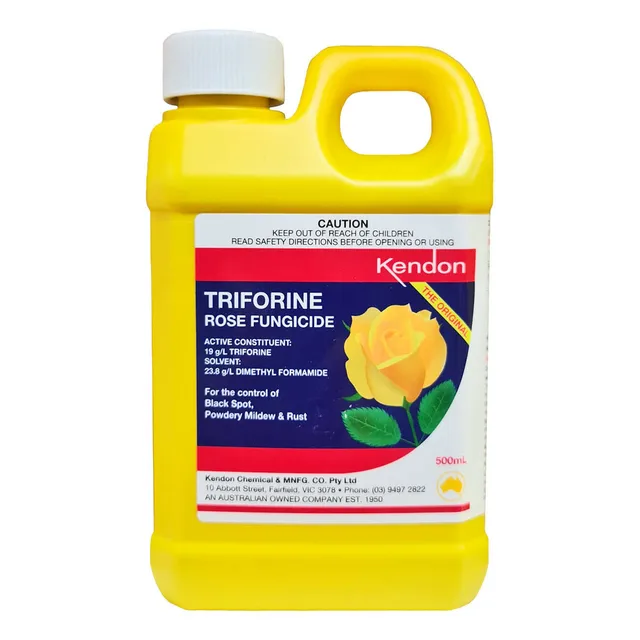
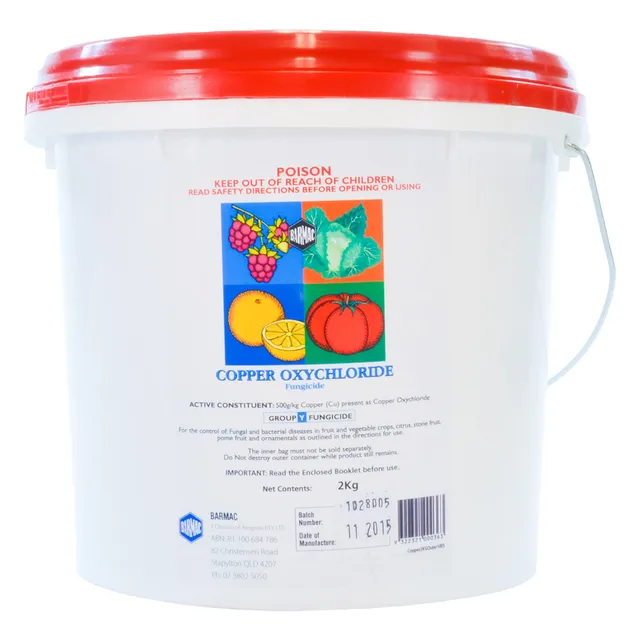
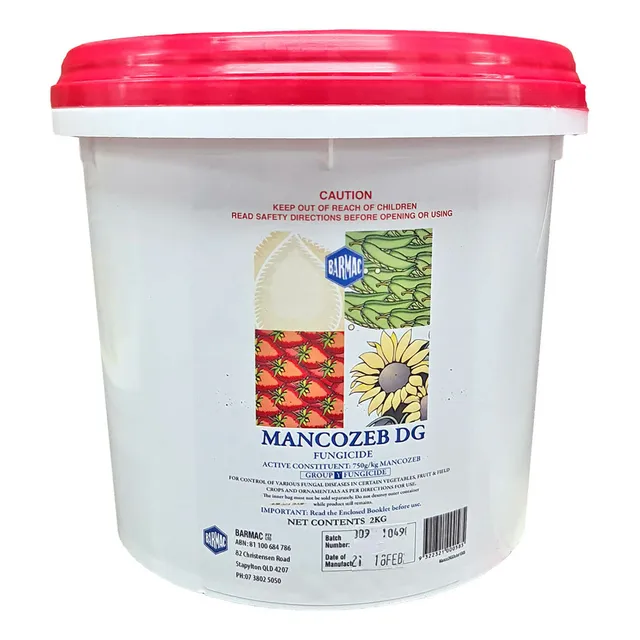
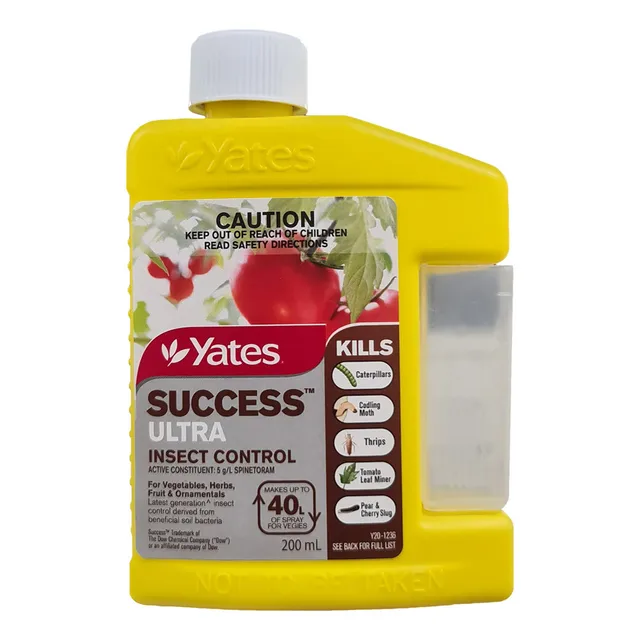
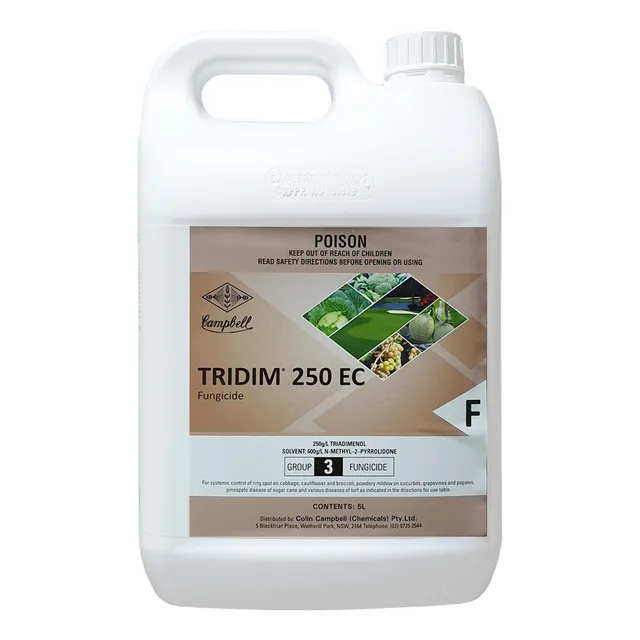
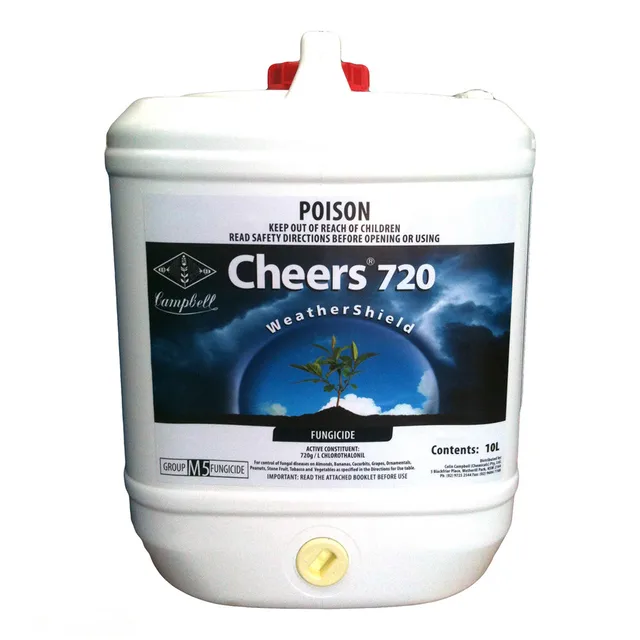
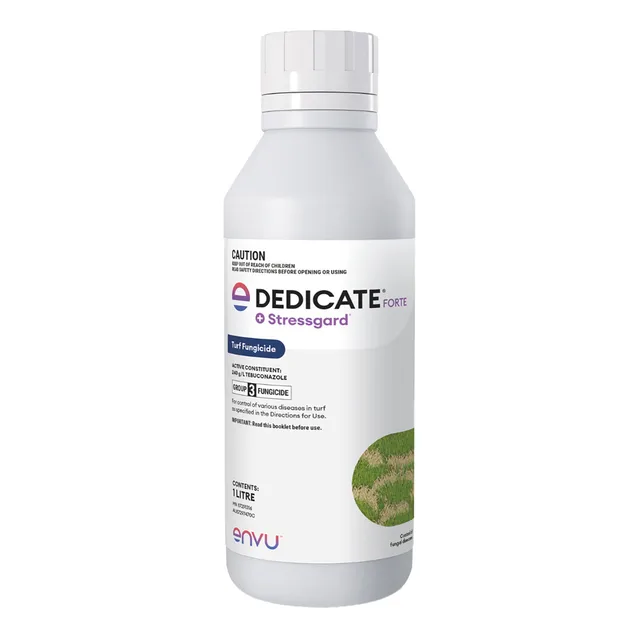
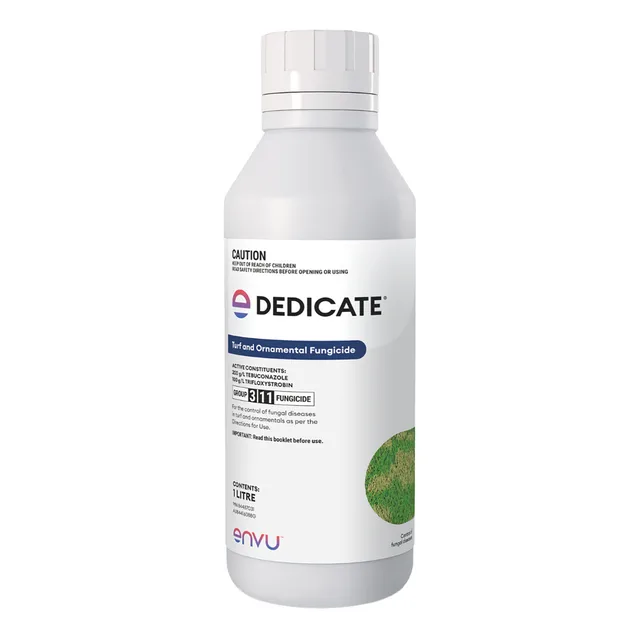
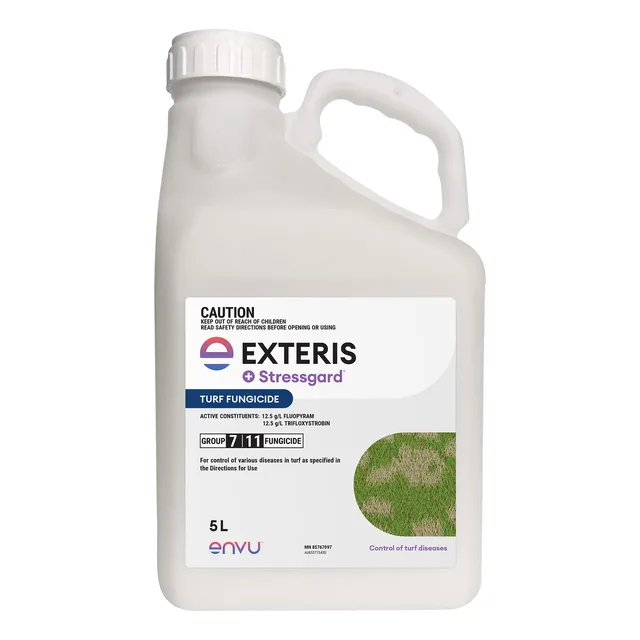
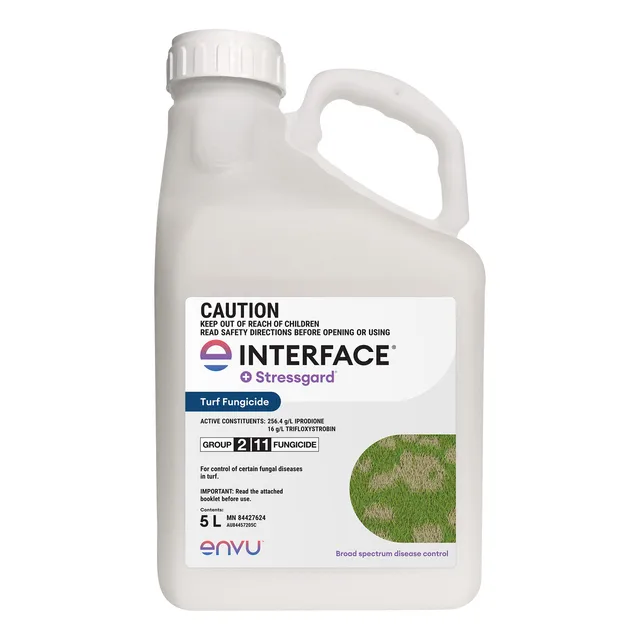
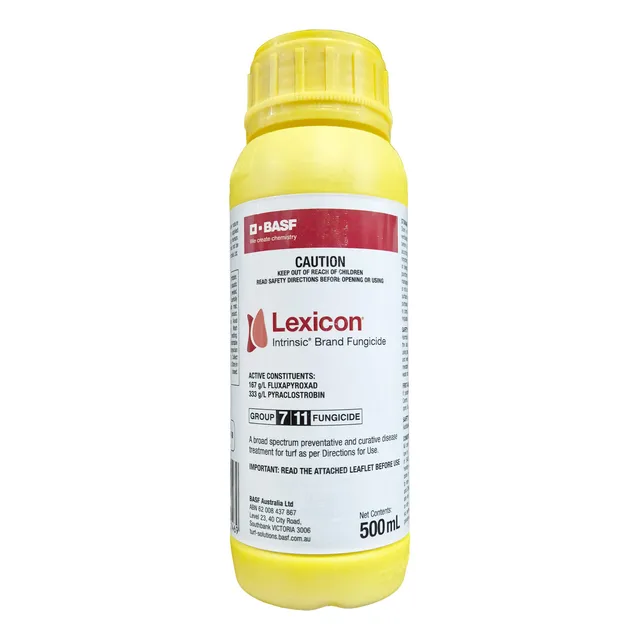
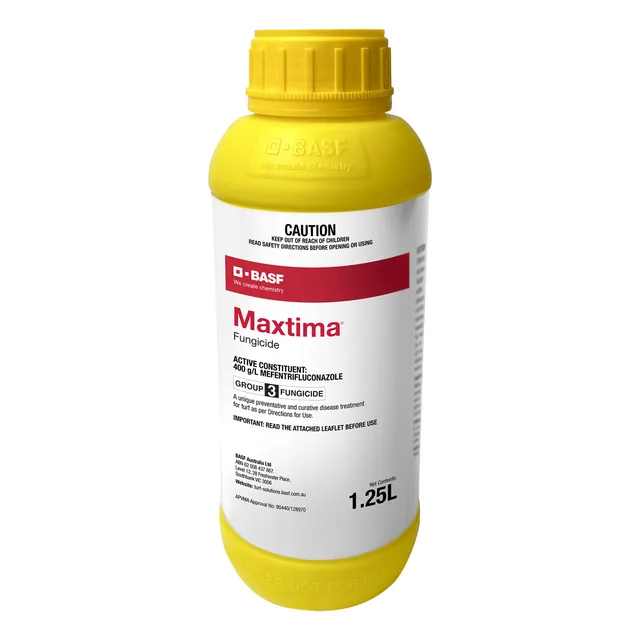
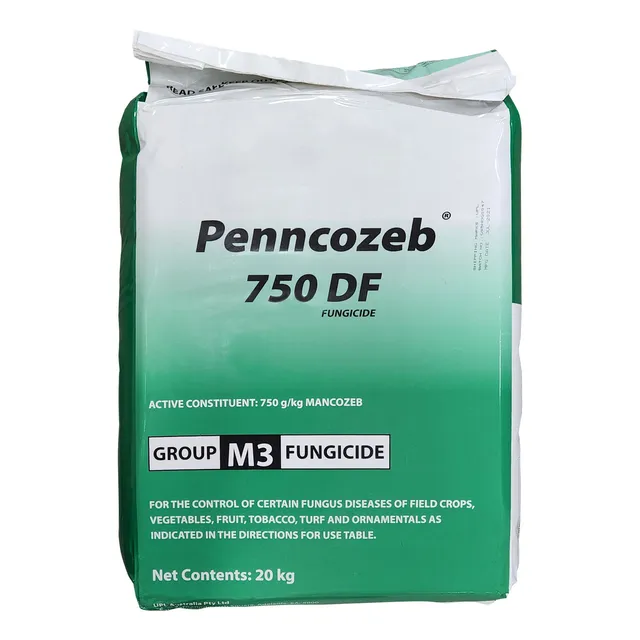
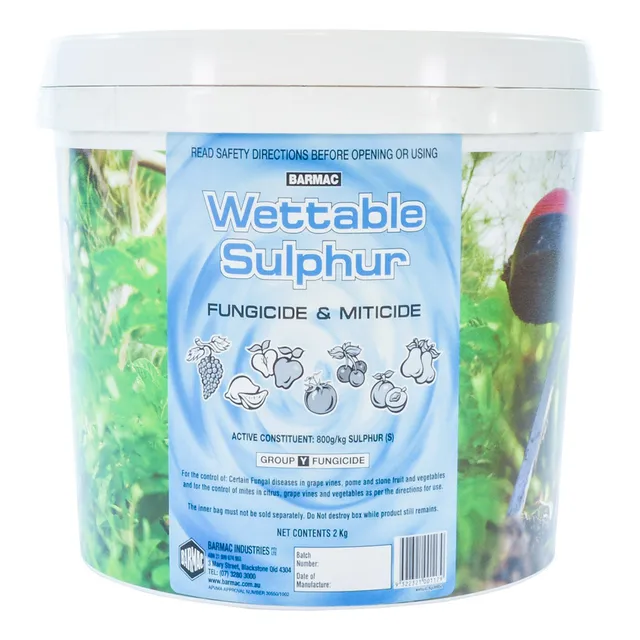
No products match those filters.