

Thistles
Various Genera: Primarily Cirsium, Carduus, and Onopordum
Thistles are prickly broadleaf weeds that invade lawns, pastures and garden beds, competing with desirable plants and spreading rapidly by seed.
"Thistle" covers a range of related but distinct weeds from the genera Cirsium, Carduus, Onopordum and Sonchus, all sharing spiny leaves and, in most cases, purple or yellow flower heads. Common types found across Australia include spear thistle, saffron thistle, variegated thistle, Scotch thistle, slender thistle and sowthistle. Despite differences in size and detail, they are grouped together because they cause similar problems and are managed in similar ways.
The plant itself is usually a rosette-forming biennial or annual, though some, like Californian thistle, are deep-rooted perennials. Leaves are typically deeply lobed or serrated with sharp spines along the margins, ranging from grey-green to dark green, and often have a waxy or slightly hairy surface. Flower heads appear from late spring through summer, sitting atop tall, sometimes branching stems that can reach 30cm to over 1.5m depending on species. Flowers are usually purple, pink or yellow, surrounded by spiny bracts, and mature into a fluffy white seed head that disperses on the wind, much like a dandelion. Roots vary from a simple taproot in annual types to extensive lateral root systems in perennial thistles like Californian thistle, which allows them to regrow from root fragments.
Thistles are widespread throughout Australia in pastures, roadsides, disturbed ground, lawns and garden beds. Most germinate in autumn or spring, grow through winter as a rosette, then bolt to flower in spring and summer. They thrive in compacted, overgrazed or nutrient-poor soil and readily colonise bare patches in lawns or garden beds where turf or ground cover is thin.
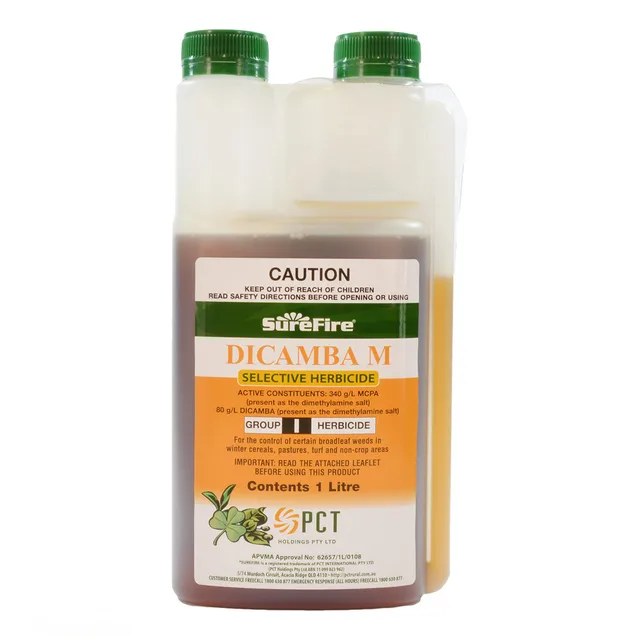
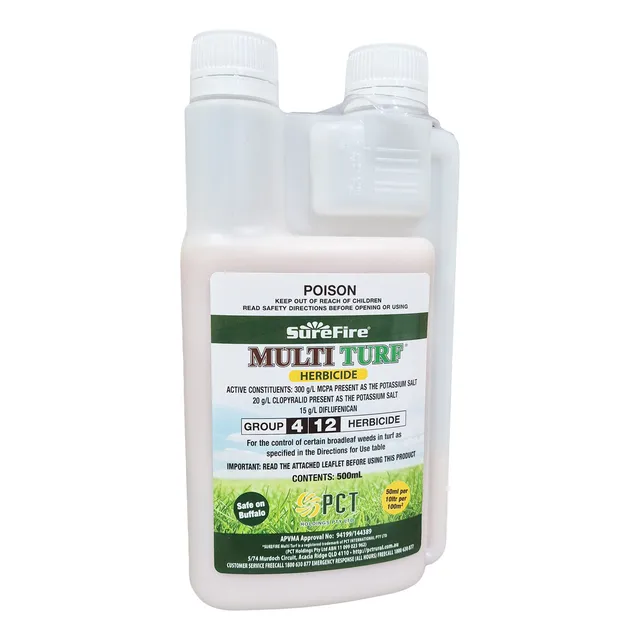
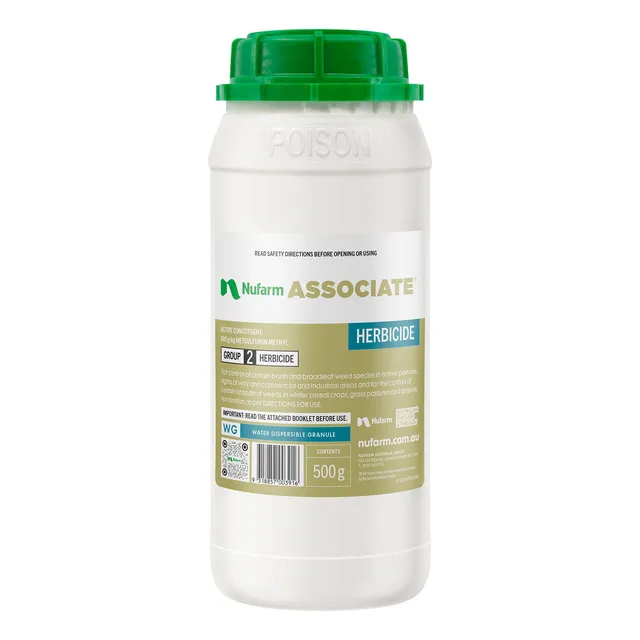
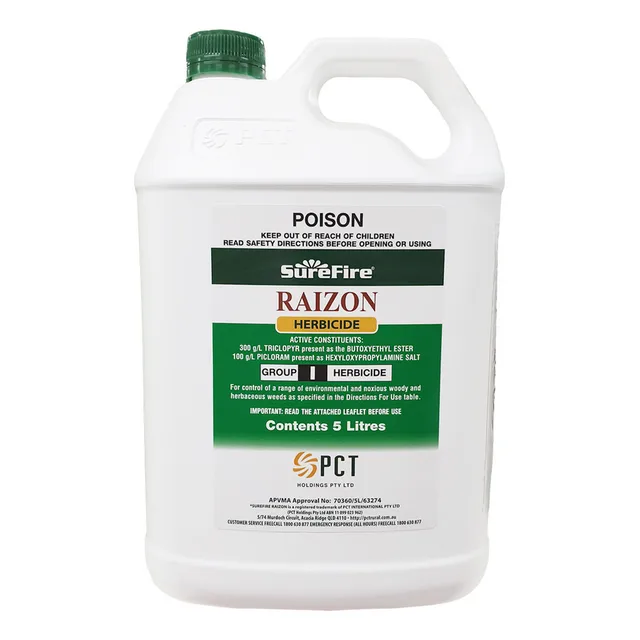
Management relies on preventing seed set, since a single plant can produce thousands of wind-borne seeds. Physical removal by digging out the taproot before flowering works well for scattered plants, especially in garden beds. In lawns, maintaining dense, healthy turf through correct mowing height, regular feeding and overseeding of bare patches reduces the open ground thistles need to establish. Slashing pastures before flowering helps prevent seed spread but won't kill established perennial roots. For larger infestations, selective broadleaf herbicides registered for thistle control are commonly used, with best results achieved when plants are young and actively growing (seedling to rosette stage).
How to identify
- Spiny, lobed rosettes appearing in bare or thin patches of lawn, garden beds or pasture, usually noticed first in autumn or spring
- Rapid bolting to a tall, spiny flower stem in spring/summer, topped with purple, pink or yellow flower heads
- Fluffy white seed heads forming after flowering, spreading seed on the wind
- Dense stands of thistles outcompeting grass or garden plants, leaving bare ground once they die back
- Sharp spines on leaves and stems make the plant unpleasant to touch or walk through, a useful field check to confirm you're dealing with a thistle rather than another rosette weed
Lookalikes: Sowthistle (Sonchus oleraceus) is often confused with true thistles but has softer, less spiny leaves and a hollow stem that exudes milky sap when cut — true thistles like spear or Scotch thistle have firm, spiny leaves throughout and no milky sap. Capeweed can also be mistaken for a thistle rosette from a distance, but its leaves are soft, woolly and spine-free, and its flowers are daisy-like rather than the tufted thistle flower.
Registered products we stock







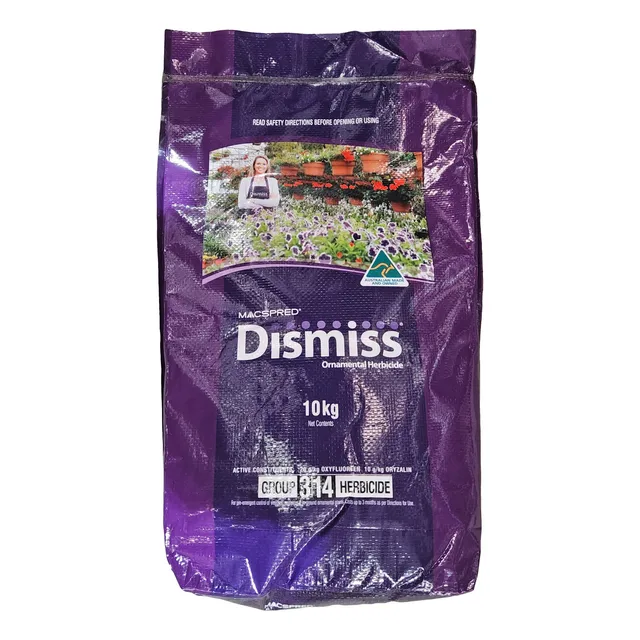


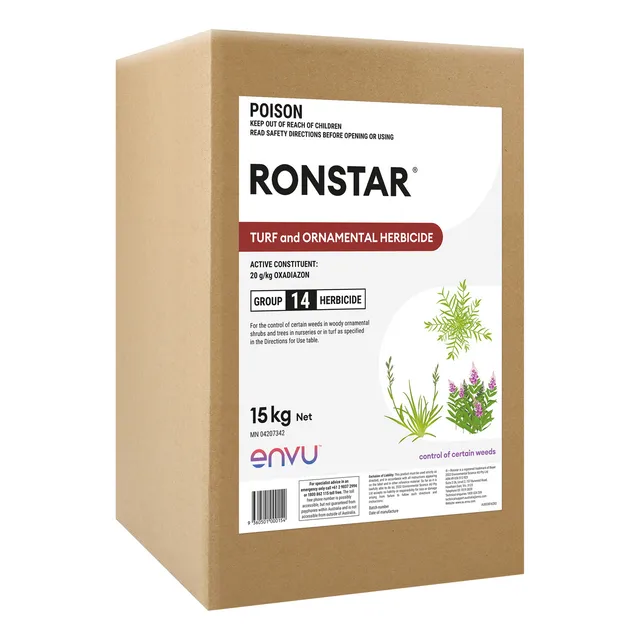

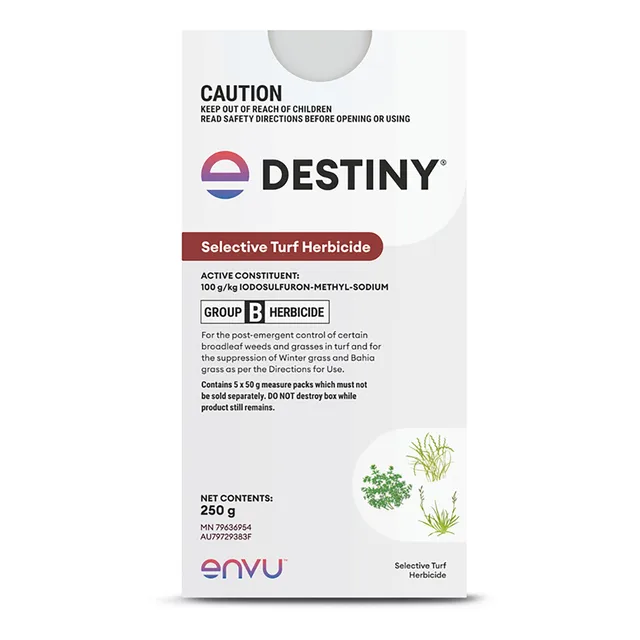


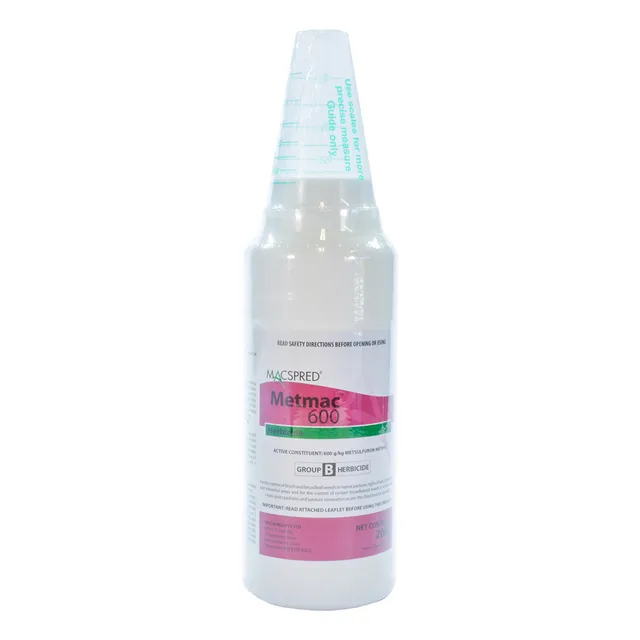


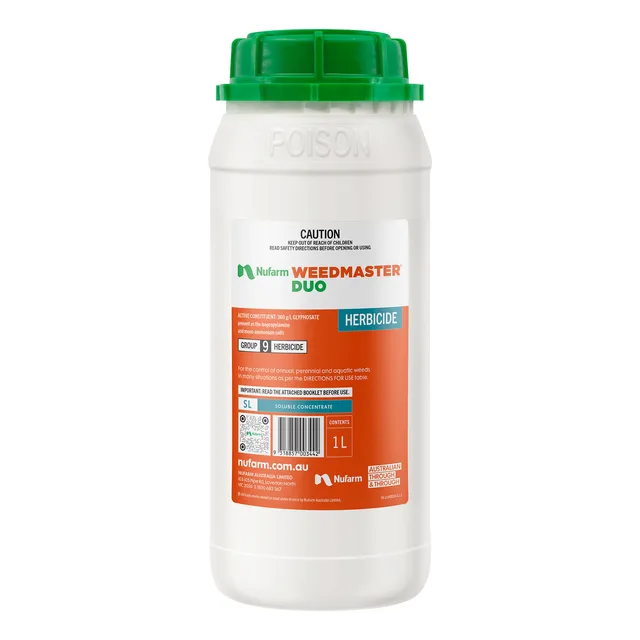








No products match those filters.