

Winter Grass
Poa annua
Winter grass is a fast-seeding annual weed grass that invades lawns, garden beds and turf during the cooler months across Australia.
Winter grass is a low-growing annual (occasionally short-lived perennial) grass with a distinctive light apple-green colour that stands out against darker turf species. It grows in small tufted clumps with flattened stems and soft, hairless leaf blades that end in a blunt, boat-shaped tip, similar to other grasses in the Poa family. The seed heads are the giveaway feature: small, pale, branching flower spikes held just above the foliage that can form even when the plant is mown very short.
The root system is shallow and fibrous, which makes winter grass easy to pull by hand but also means it competes poorly for water in dry conditions, often dying off and leaving bare patches as the weather warms.
It's one of the most common and widespread weeds in Australian lawns, garden beds, nature strips and sports turf. Germination occurs mainly in autumn as soil temperatures cool, with plants growing through winter and setting seed prolifically from late winter into spring before dying back in summer.
Management relies on preventing seed set, since a single plant can produce large numbers of seeds that remain viable in the soil for several years. Maintaining a dense, healthy, competitive lawn through correct mowing height, fertilising and irrigation reduces the bare ground winter grass needs to establish. Physical removal before seed heads form, along with pre-emergent control ahead of the autumn germination window, are the main non-chemical strategies home gardeners rely on.
How to identify
- Patchy, lighter green clumps appearing in lawns and garden beds through autumn and winter, contrasting with the colour of surrounding turf or mulunderstorey.
- Pale, branching seed heads visible above the leaf canopy, often present even after mowing, since winter grass can flower and seed at very low heights.
- Bare, dead patches appearing in the same spots over summer as the shallow-rooted plants die off in heat and dry conditions, leaving space for the next generation to germinate in autumn.
- Field check: pull up a suspect clump — winter grass has a shallow, fibrous root system and comes away easily, and the leaf tip is blunt and boat-shaped like other Poa species rather than pointed.
- Lookalikes: can be confused with couch or kikuyu seedlings, but those have a running, stoloniferous growth habit and lack the pale seed heads; annual ryegrass is coarser and more upright, without winter grass's low, clumping form.
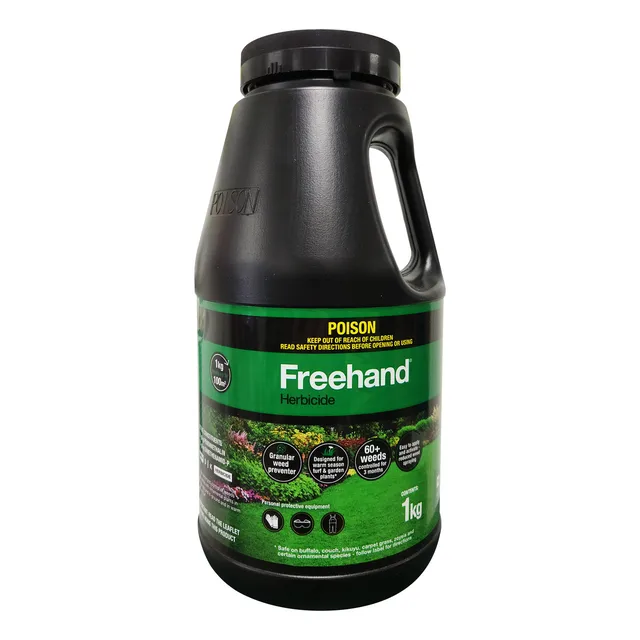
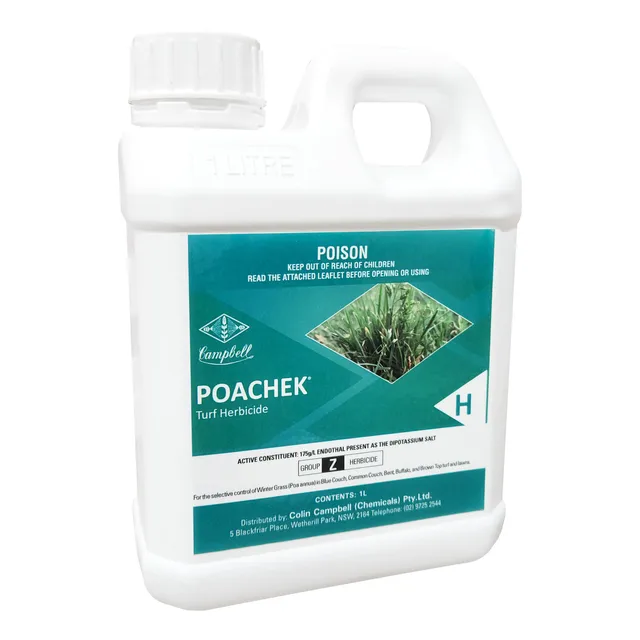
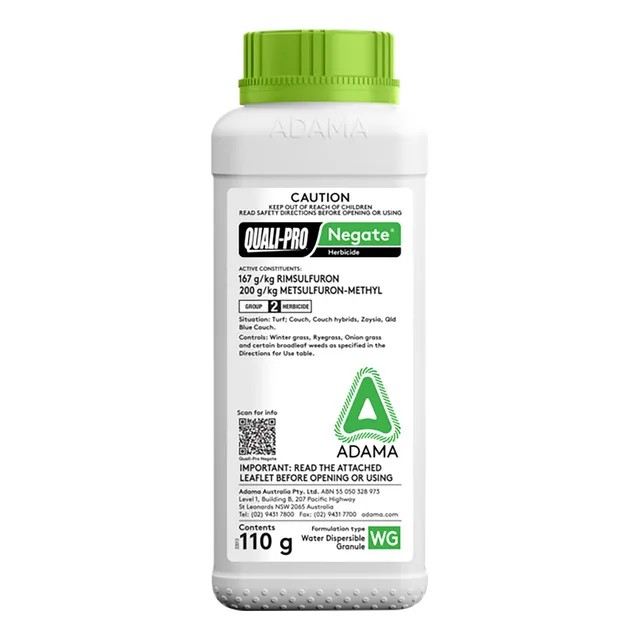
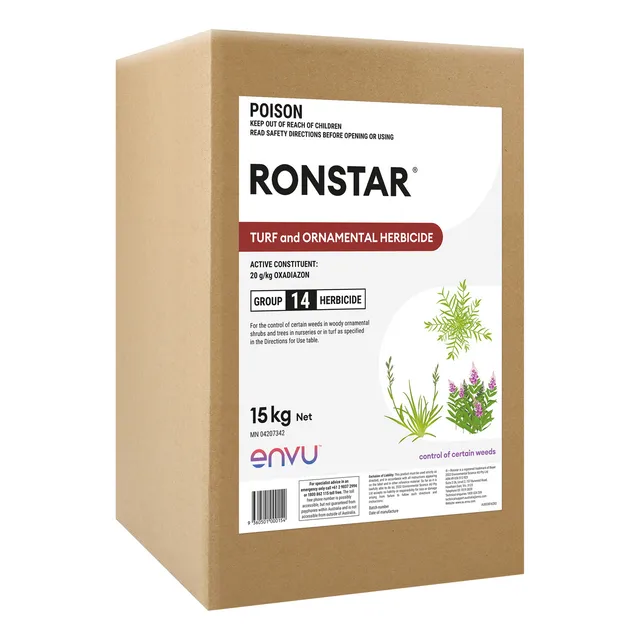
Registered products we stock



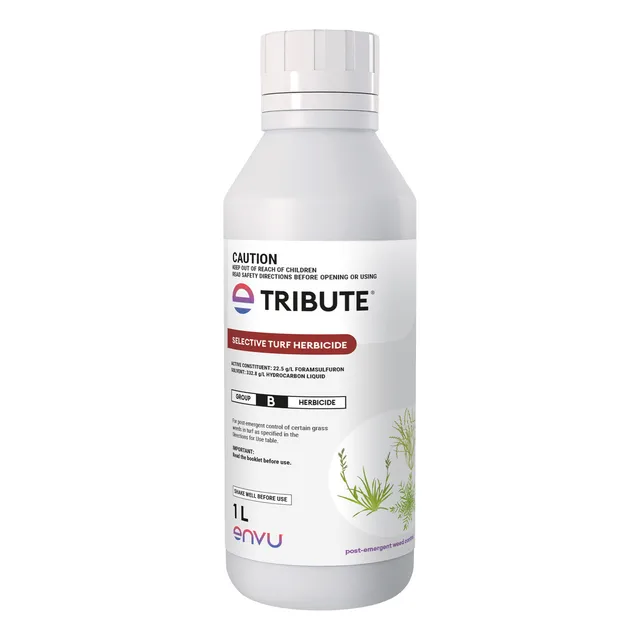
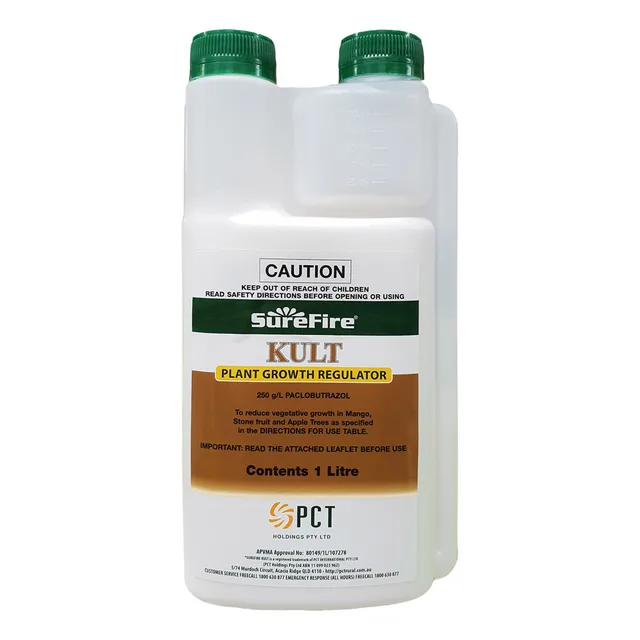
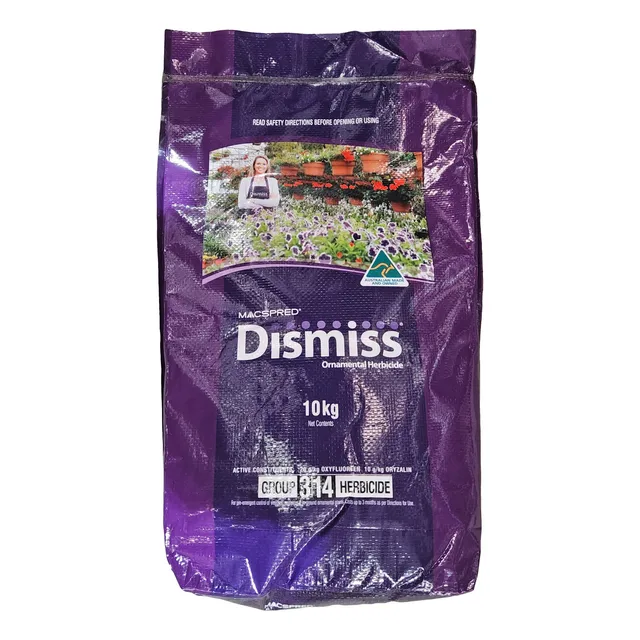

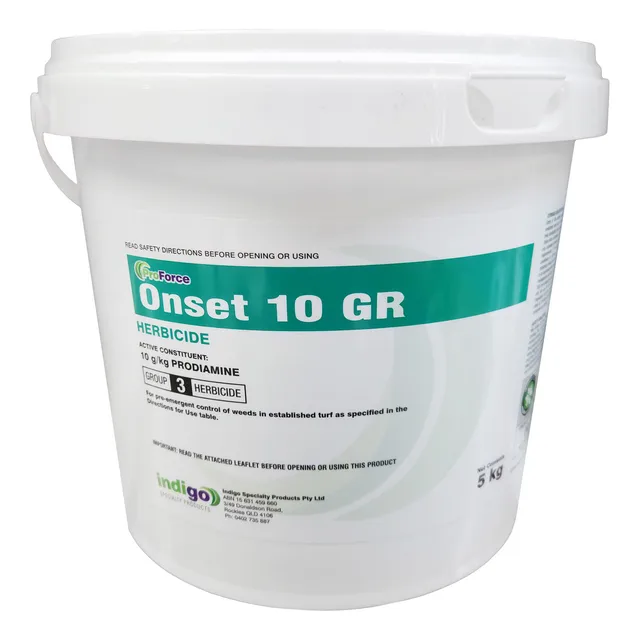

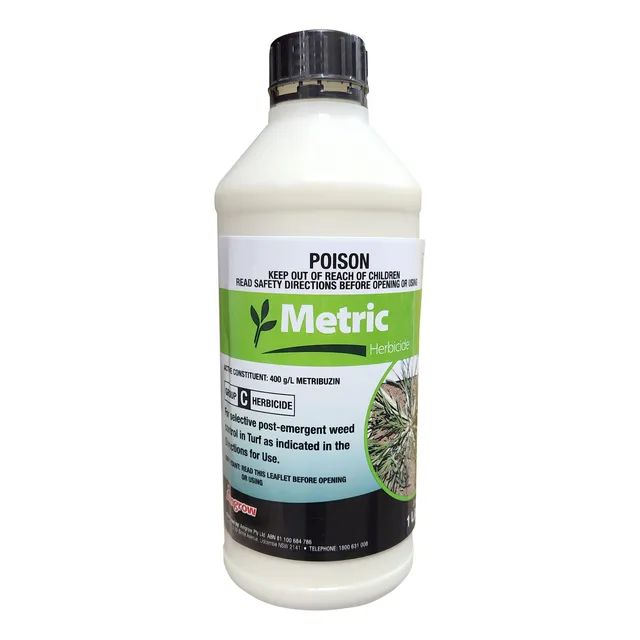
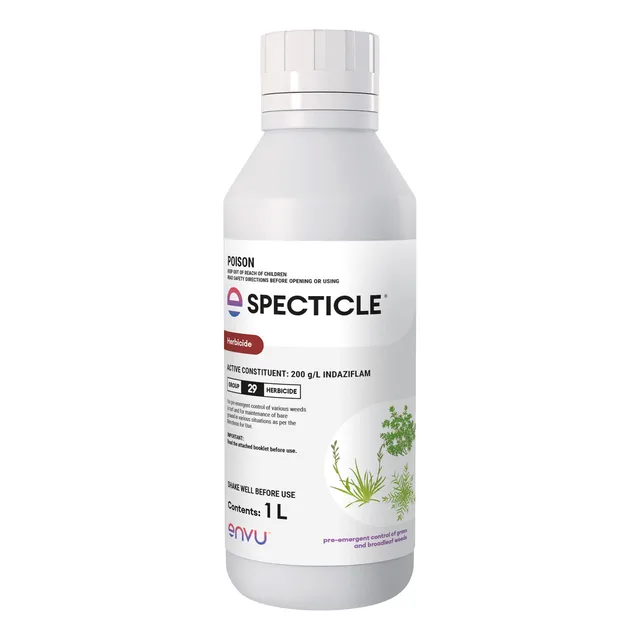
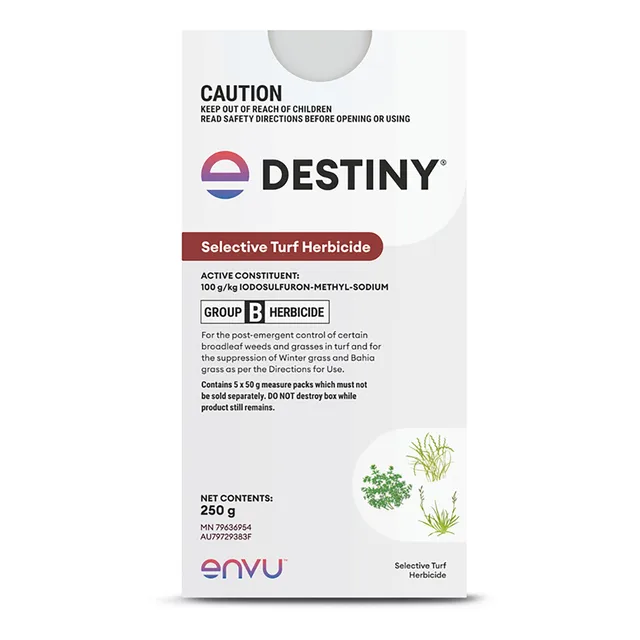
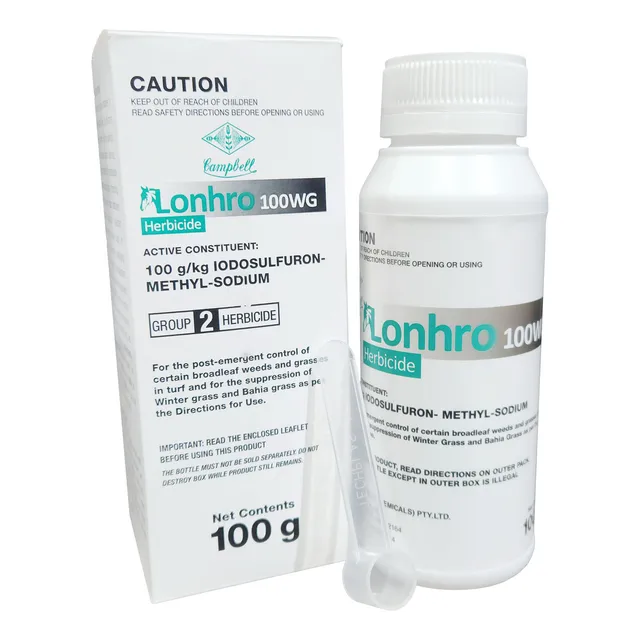


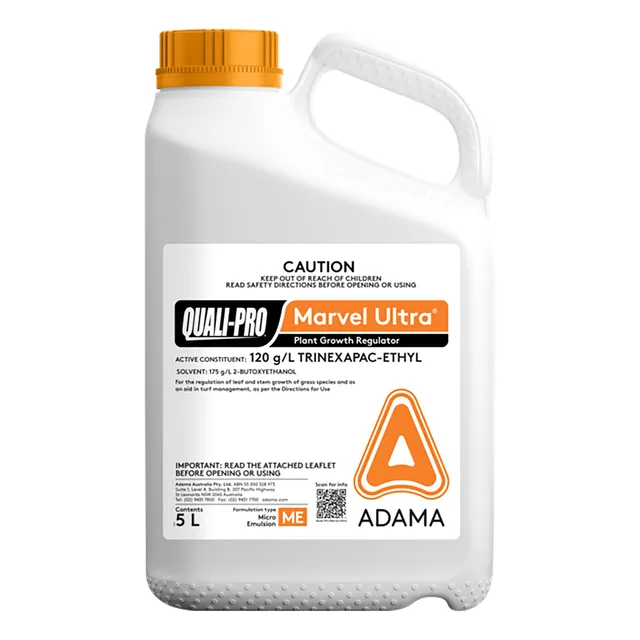
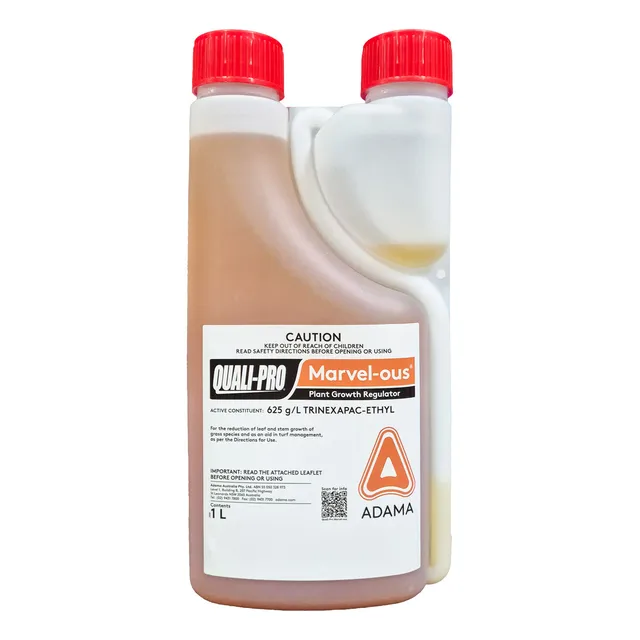
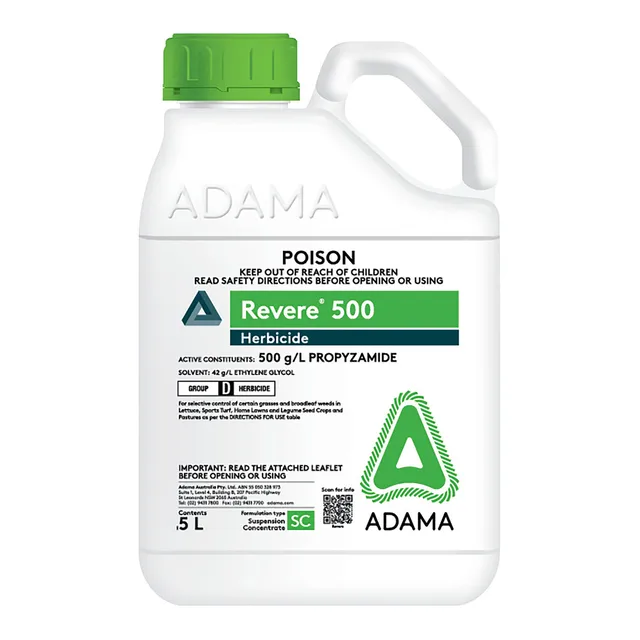
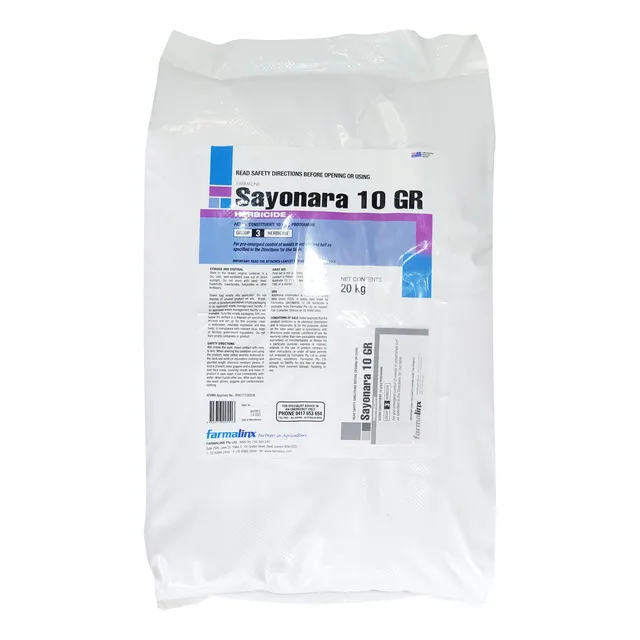
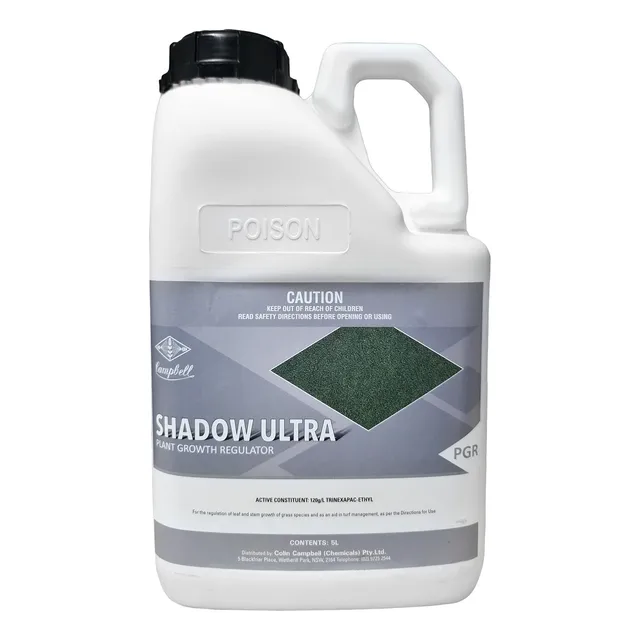
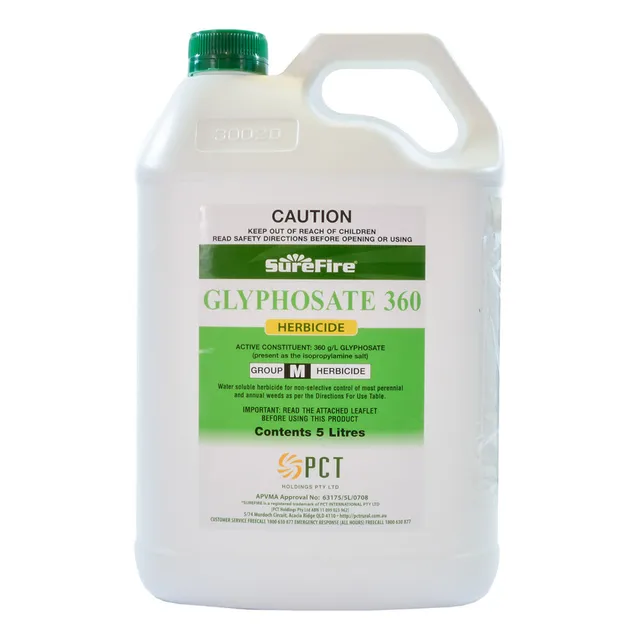
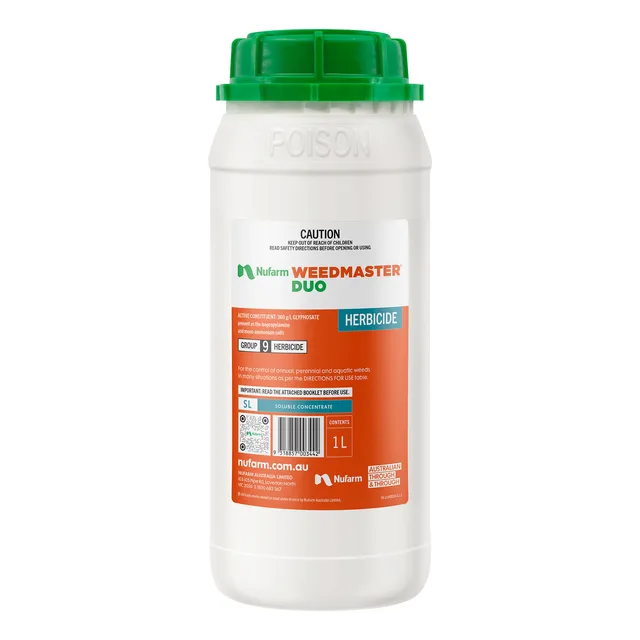
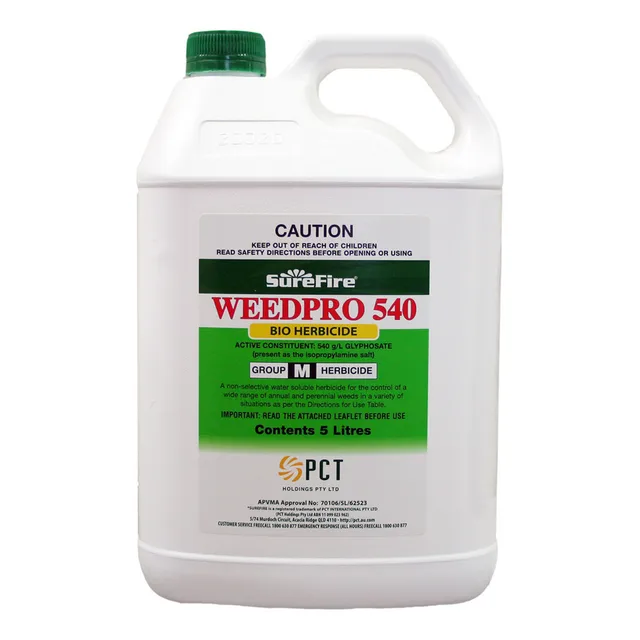
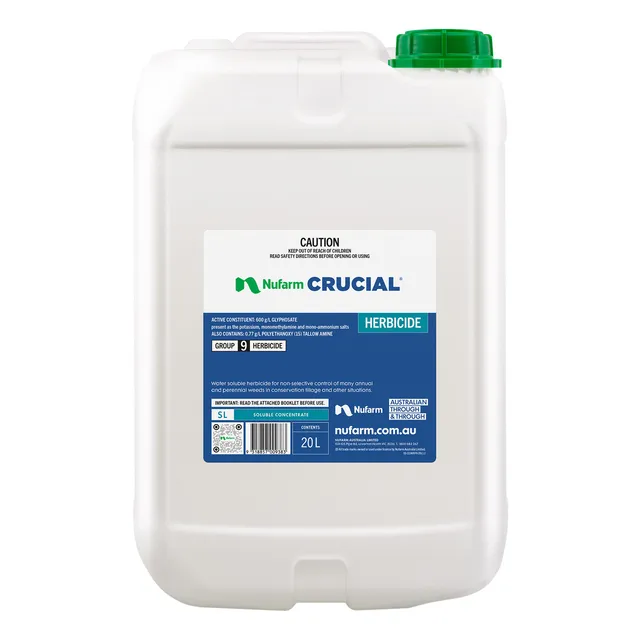
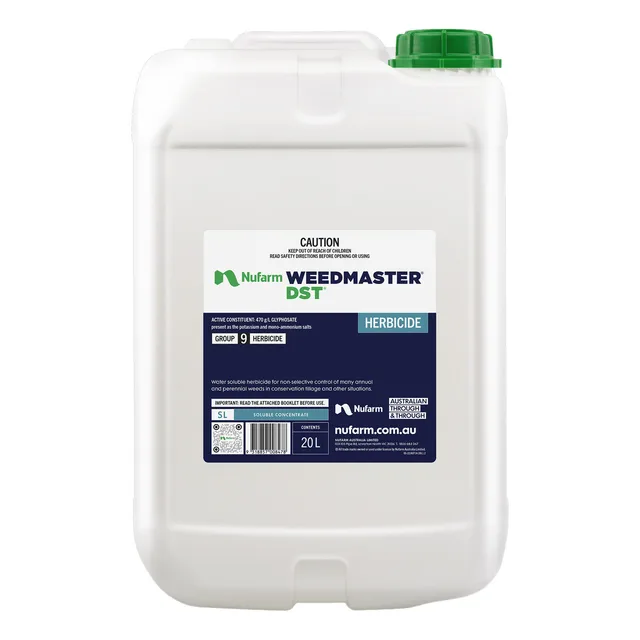
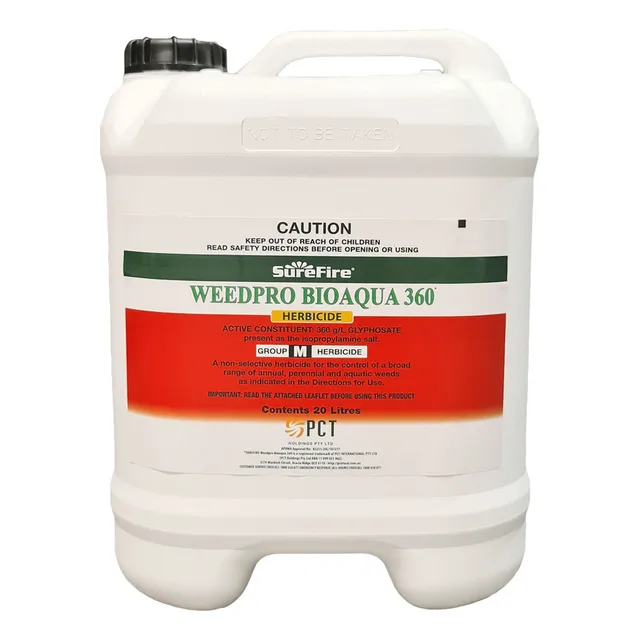
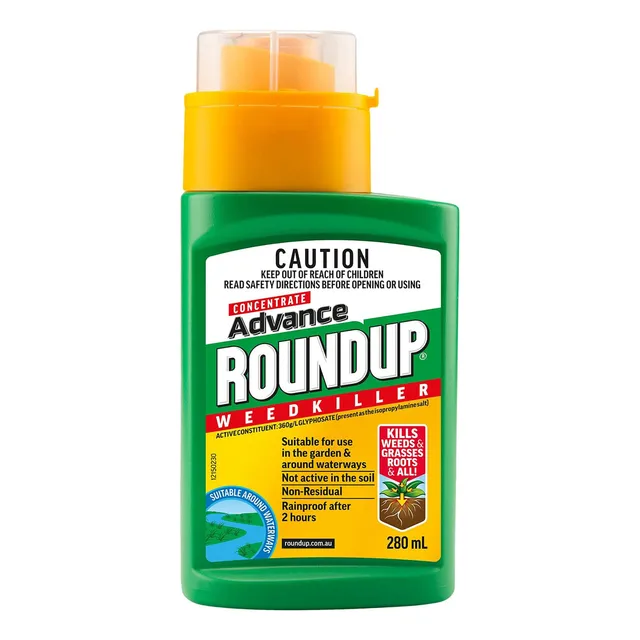
No products match those filters.