

Dollar Spot
Clarireedia spp.
Dollar spot is a fungal turf disease causing small sunken straw-coloured patches, most active in warm, humid weather with heavy dew.
Dollar spot is caused by fungal pathogens in the genus Clarireedia (previously classified under Sclerotinia and later Ophiosphaerella). It affects most turf species grown in Australia, including couch, kikuyu, buffalo, bentgrass and fine fescues, and is one of the most common diseases seen on home lawns and fine turf alike.
On close inspection, the fungus produces fine, cobweb-like white mycelium across affected leaves, most visible in early morning while dew is still present. Individual leaf blades develop small lesions that are tan or straw-coloured with a distinct reddish-brown to purple margin, often hourglass-shaped as they pinch in at the midpoint of the leaf blade. No visible spores are produced above ground; the fungus survives between seasons as dormant mycelium in thatch and dead leaf tissue, spreading via mowing equipment, foot traffic, water movement and infected clippings.
The disease is favoured by warm days (18–28°C), cool nights, high humidity and prolonged leaf wetness from dew, irrigation or poor drainage. It is particularly common in spring and autumn in southern states and can persist year-round in warmer, humid parts of northern Australia. Turf that is nitrogen-deficient, under drought stress, or has excessive thatch build-up is more susceptible.
Management relies on improving turf vigour and reducing the conditions that favour the fungus. This includes maintaining adequate (not excessive) nitrogen fertility, watering deeply but infrequently early in the day to reduce prolonged leaf wetness, improving airflow and light penetration by pruning overhanging vegetation, dethatching where thatch layers are heavy, and mowing at the correct height for the turf species since low, stressed turf is more prone to infection.
How to identify
- Patch appearance: Small, circular, sunken patches roughly the size of a coin up to about 5–10cm across, straw-coloured to bleached white. Patches can merge into larger irregular dead areas on closely mown turf such as bowling greens or golf fairways.
- Leaf symptoms: Individual blades show tan lesions with a reddish-brown to purplish border, often forming an hourglass shape that crosses the width of the leaf.
- Field check: Inspect affected turf early in the morning while dew is present — look for fine, white, cobweb-like mycelium lying across the leaf surface within and around the patches. This mycelium disappears once the leaf surface dries out, so timing the check matters.
- Lookalikes: Fusarium patch (Microdochium nivale) produces similar small patches but tends to appear in cool, wet conditions (autumn–winter) and often shows pinkish mycelium rather than white, with a slimy, water-soaked look to affected leaves. Large patch/brown patch diseases produce much bigger, often ring-shaped patches with a darker, water-soaked margin rather than the small coin-sized spots typical of dollar spot.
- Recovery pattern: Turf usually recovers from the crown if conditions improve and nitrogen levels are corrected; persistent recurring patches in the same areas suggest ongoing moisture or fertility issues that need addressing rather than a one-off outbreak.
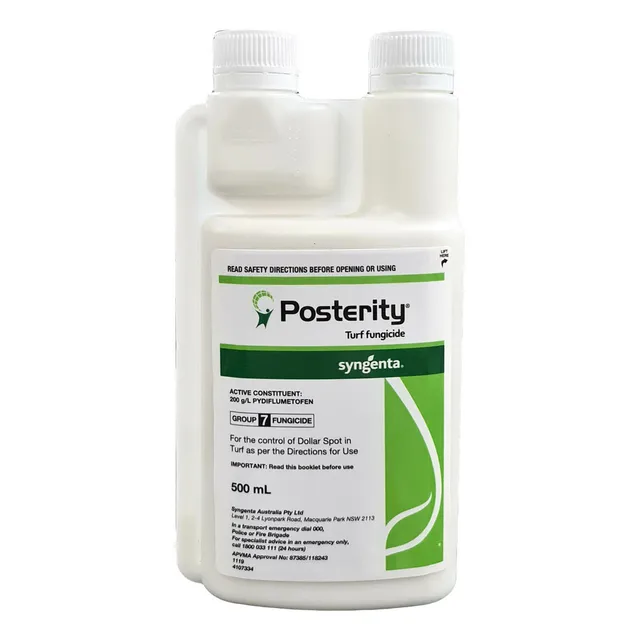
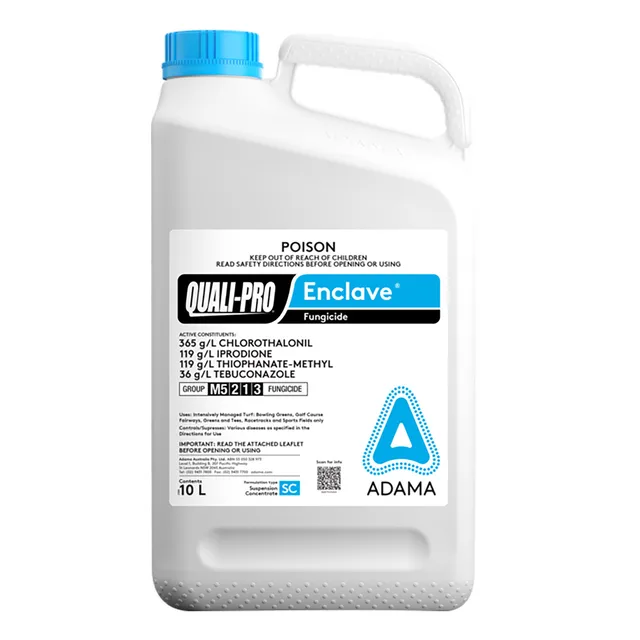
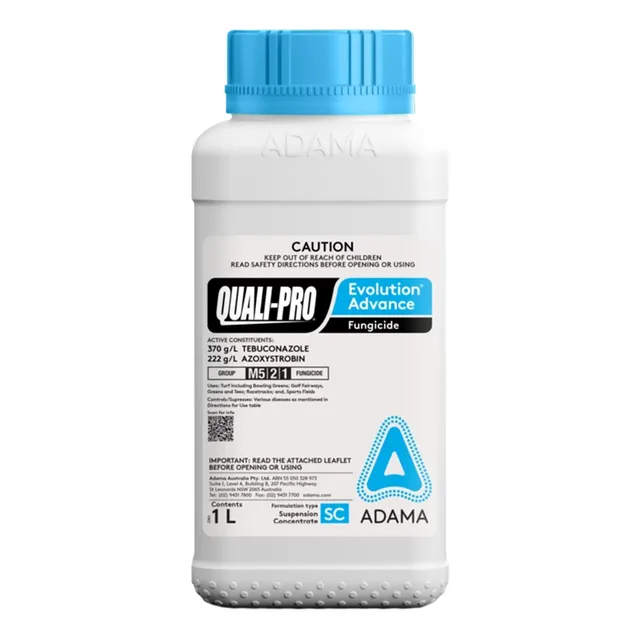
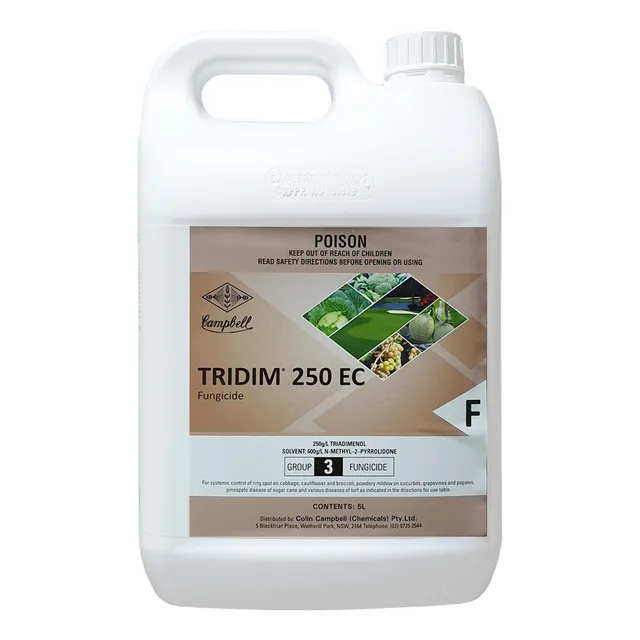
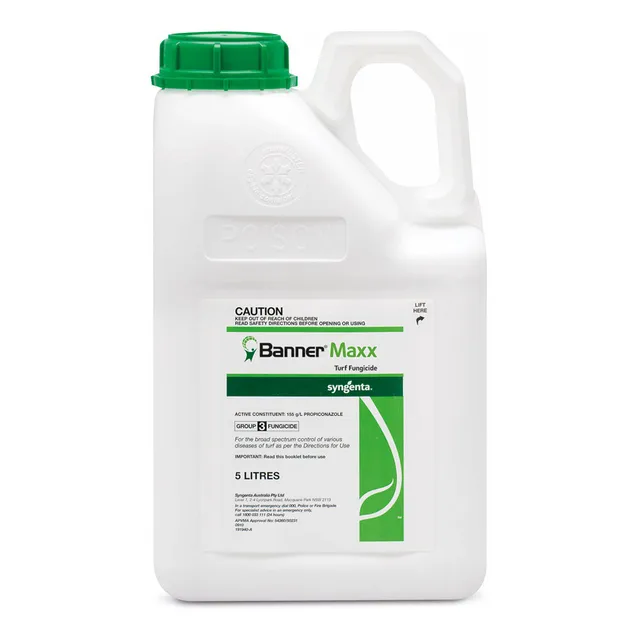
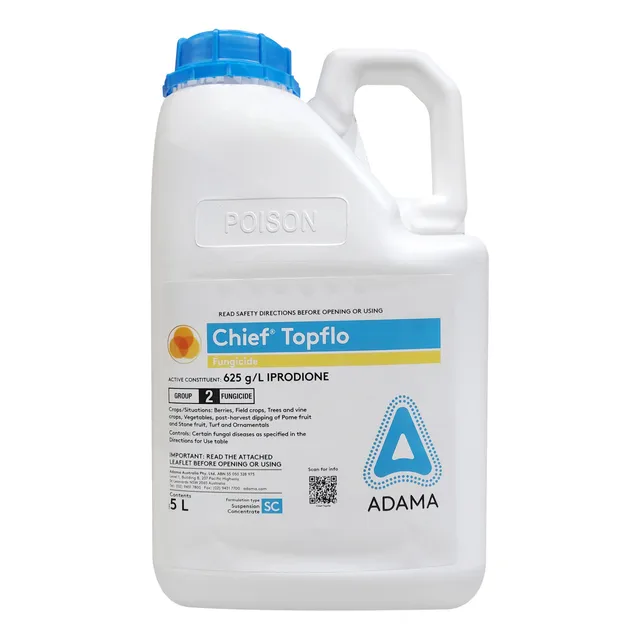
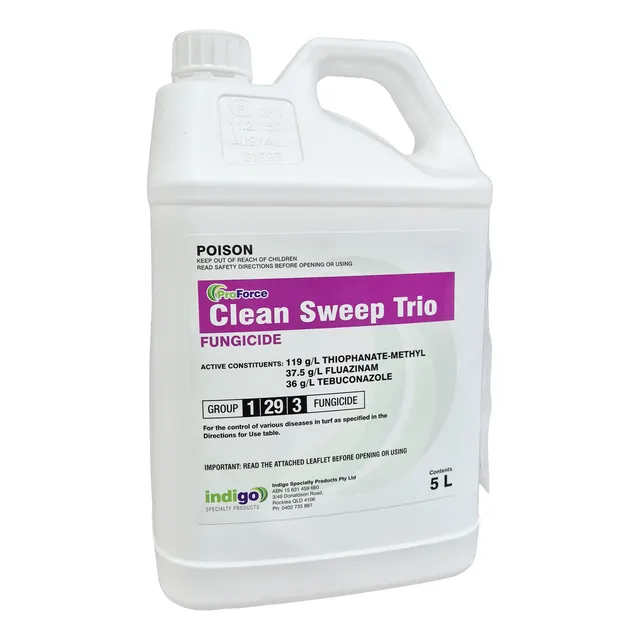
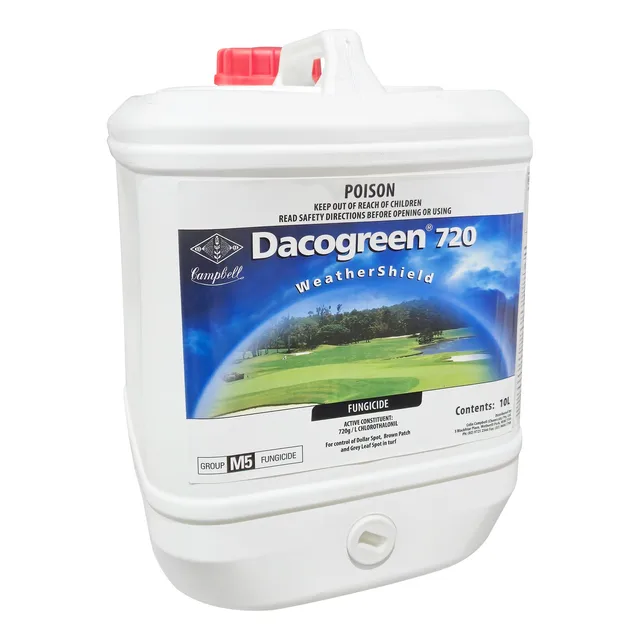
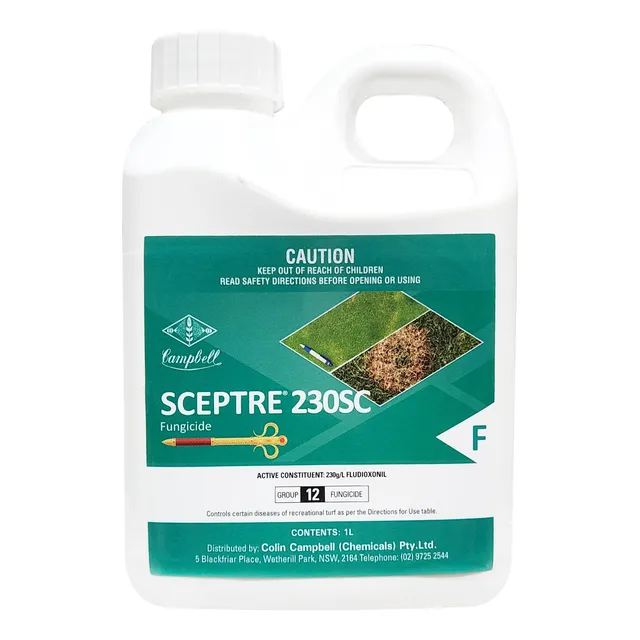
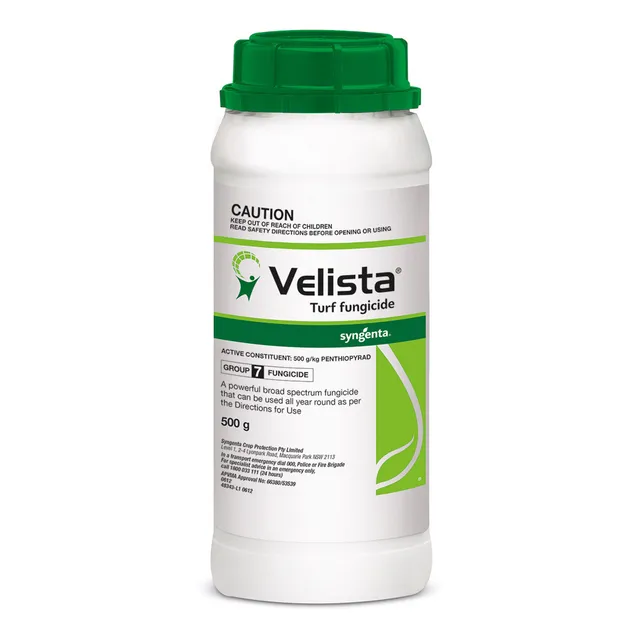
Registered products we stock
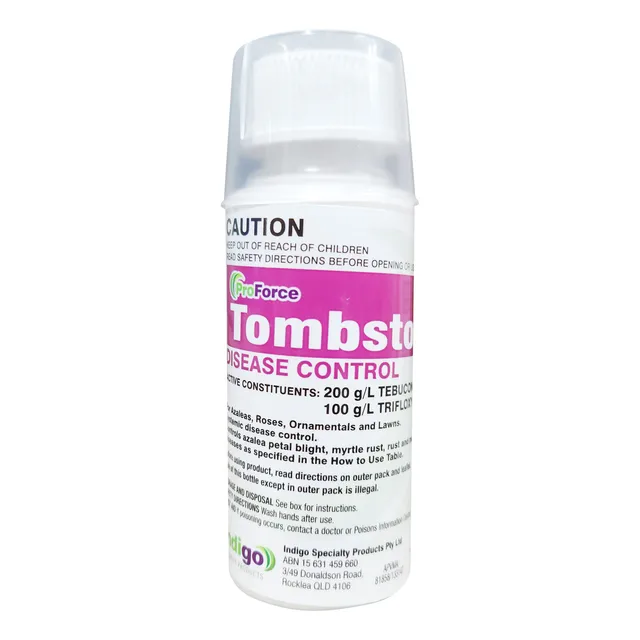
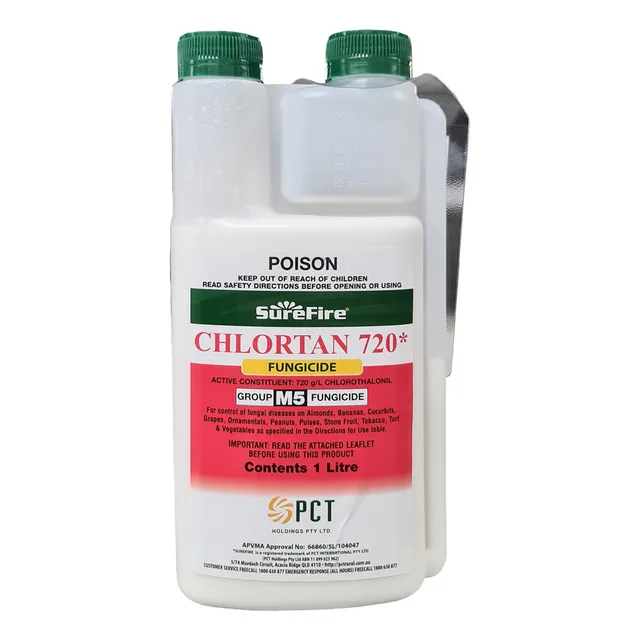
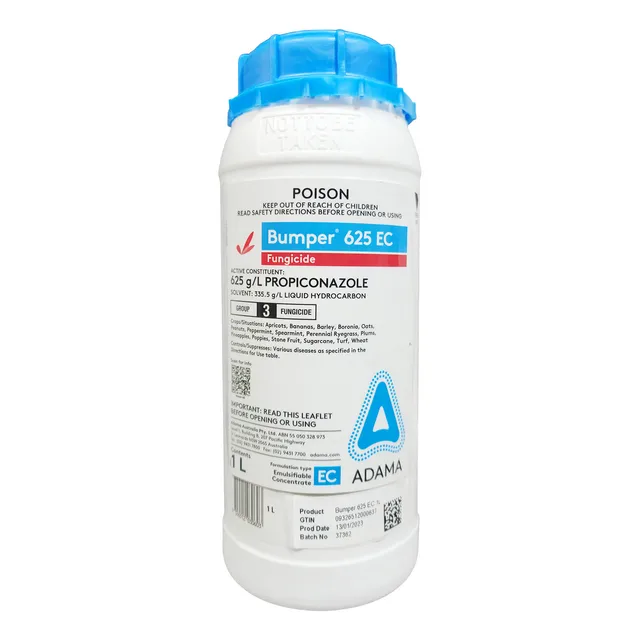
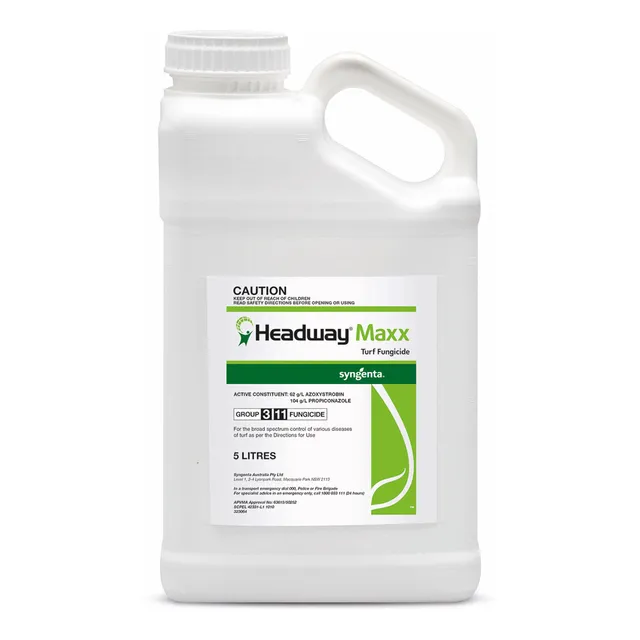
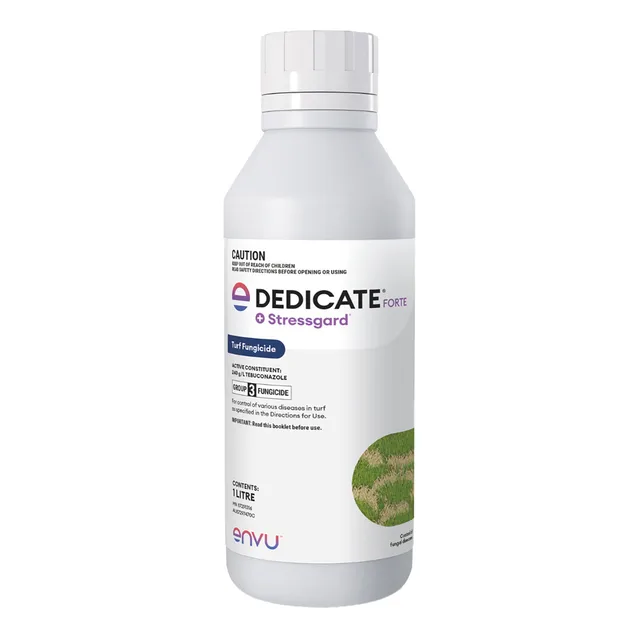
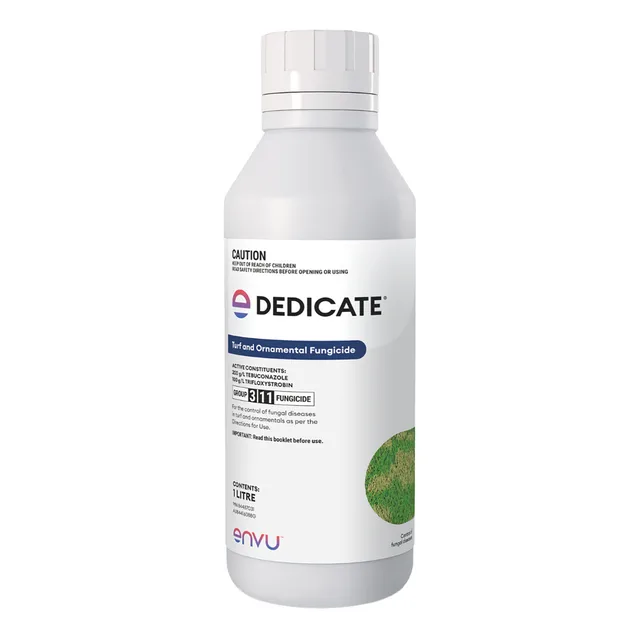
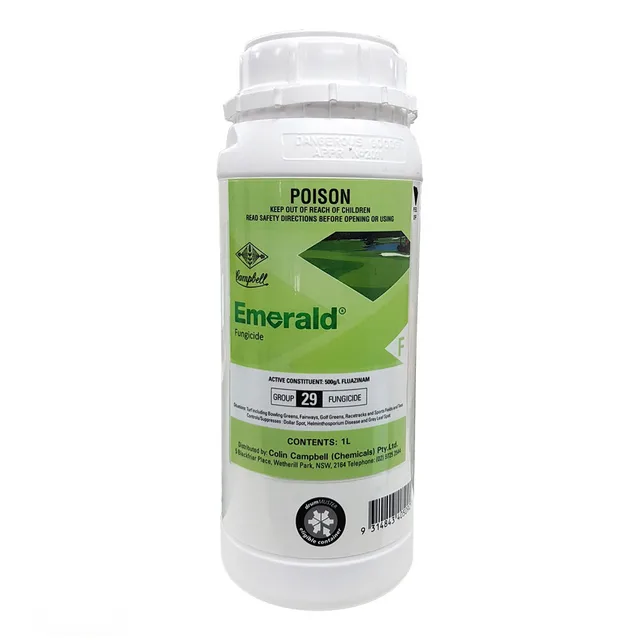
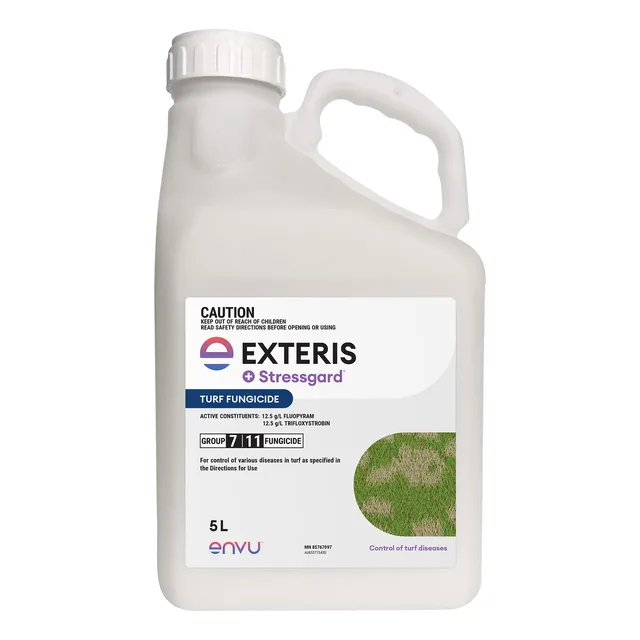
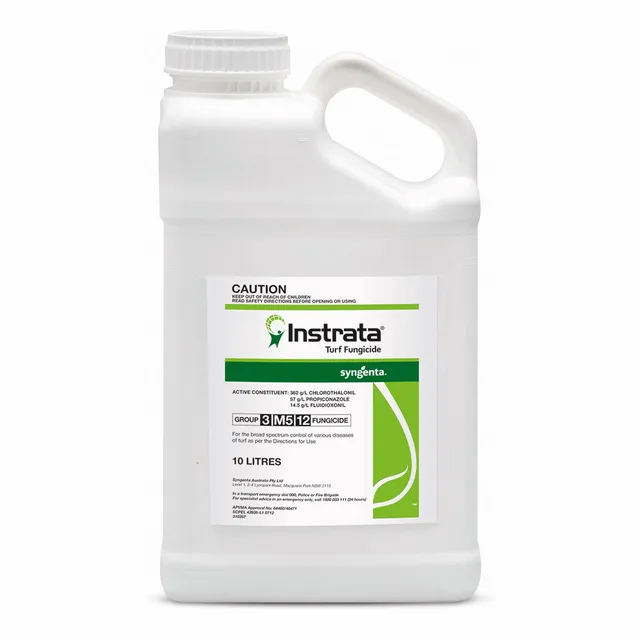
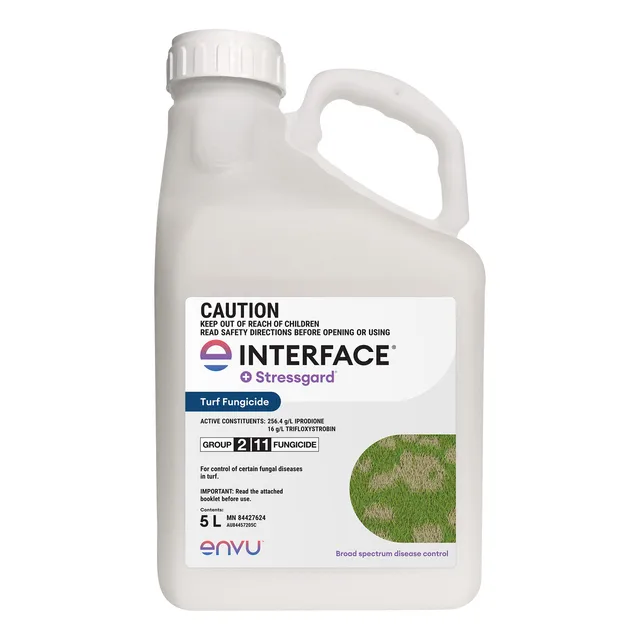
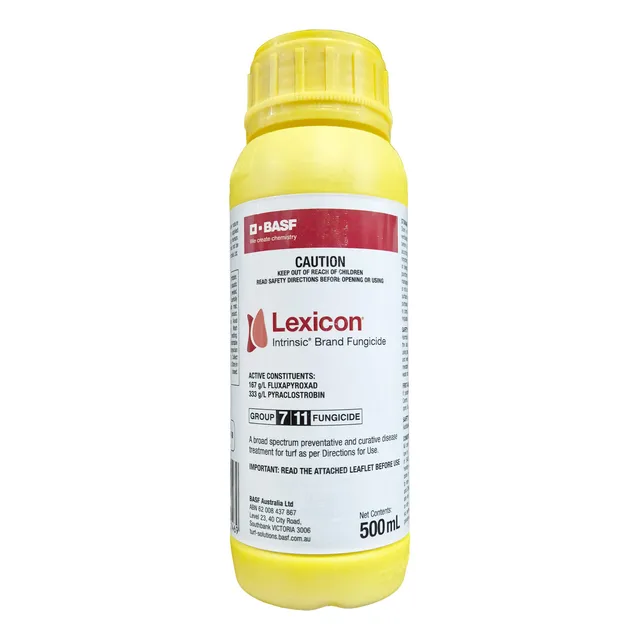
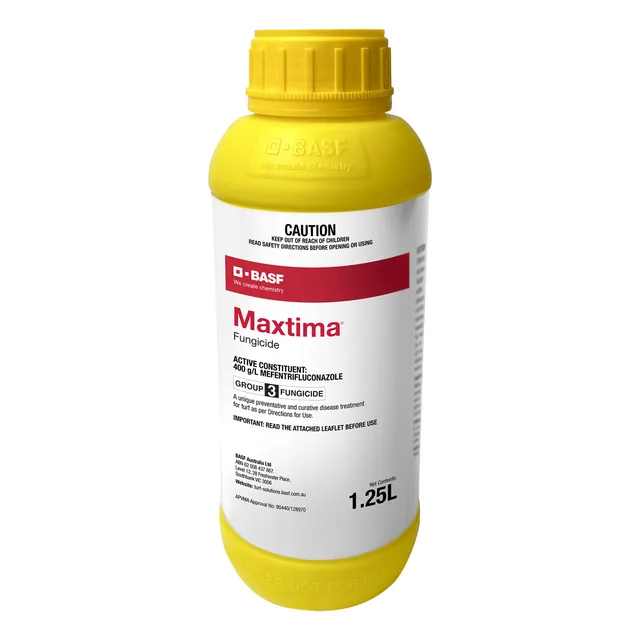
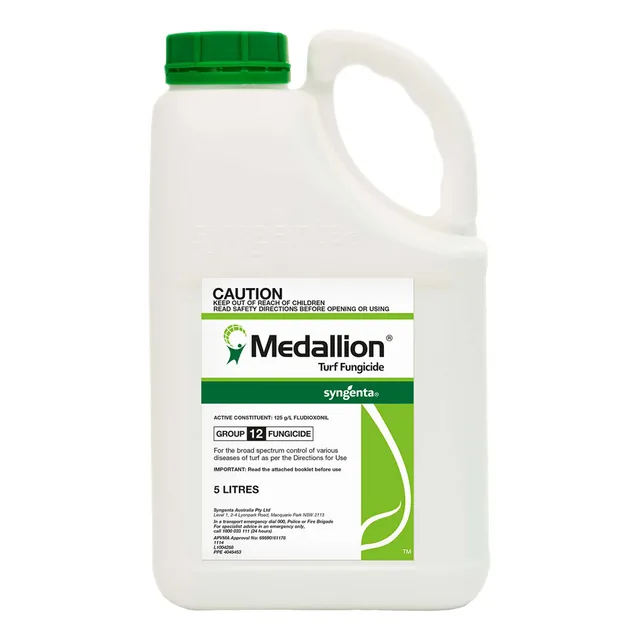
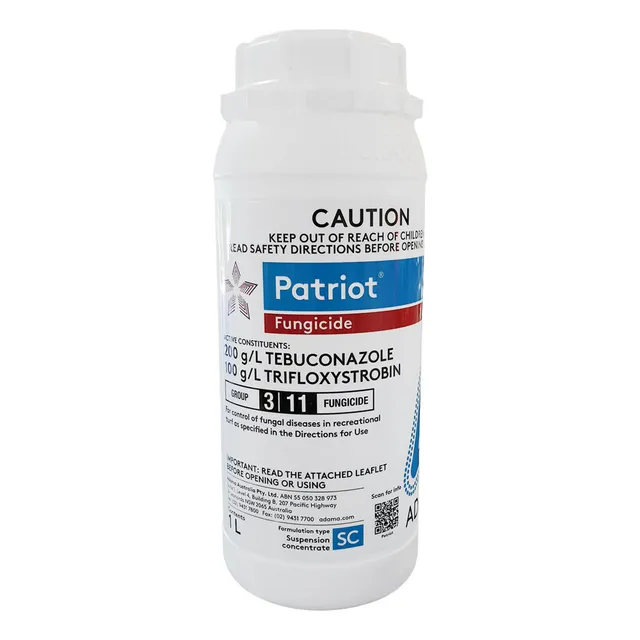
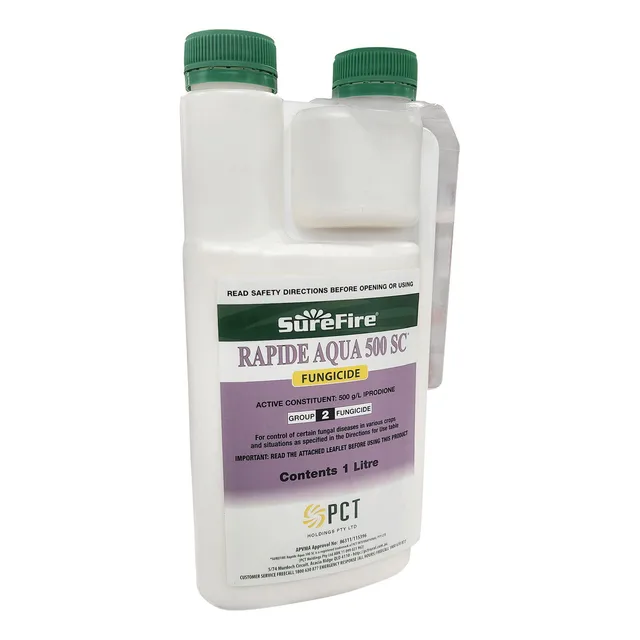
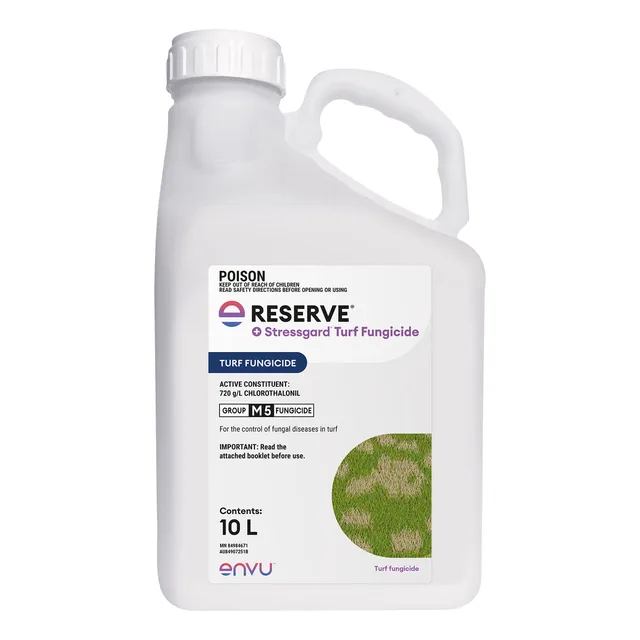
No products match those filters.