

Anthracnose
Colletotrichum spp.
Anthracnose is a fungal disease causing dark, sunken lesions on fruit, leaves and stems of many garden and turf plants in warm, humid weather.
Anthracnose is caused by several fungal species in the genus Colletotrichum, along with a few related fungi grouped under the same common name. On affected plants you'll see dark brown to black, sunken lesions on leaves, stems, flowers or fruit. Within these lesions, especially in humid weather, tiny raised black fruiting bodies appear, often oozing pink, orange or cream spore masses in concentric rings. On fruit such as mango, avocado and pawpaw, lesions start as small dark spots that enlarge and sink as fruit ripens. On lawns, the disease shows as irregular patches of thinning, yellow to reddish-brown turf, with tiny black spore-producing structures (acervuli) visible at the base of the grass blades under close inspection.
Anthracnose affects a very wide range of hosts across Australian home gardens, including vegetables (beans, cucurbits, brassicas, lettuce, onion), fruit trees (mango, avocado, pawpaw, guava, olives), ornamentals (violets, roses), grapevines and berries, and turf grasses such as couch and kikuyu.
The disease is most active during warm, wet or humid conditions, typically spring through to autumn in most of Australia, and tropical/subtropical regions can see it year-round. Spores spread by splashing rain or irrigation water, on tools, and on infected plant debris or seed. Extended leaf wetness and poor air movement favour infection.
Management relies on reducing humidity and leaf wetness around plants: improve airflow through spacing and pruning, water at the base rather than overhead, and avoid watering late in the day. Remove and dispose of infected leaves, fruit and prunings rather than composting them, and practise crop rotation for vegetables. In turf, avoid drought stress and excess nitrogen, and maintain a balanced fertility and mowing program, as anthracnose often follows plant stress.
How to identify
- Fruit and vegetables: small water-soaked spots that enlarge into sunken, dark brown to black lesions, sometimes with concentric rings of tiny black dots (fruiting bodies) that ooze pink or orange spore masses in humid weather.
- Leaves and stems: irregular brown to black spots, sometimes with yellow haloes, which can merge and cause leaves to die back; stems may develop dark cankers or girdling lesions.
- Turf: irregular yellow to reddish-brown patches, thinning grass, and blackened stem bases; pulling on affected grass often shows a rotted, dark crown or roots.
- Field check: examine lesions closely with a hand lens in humid conditions – the presence of tiny black pimple-like fruiting bodies with spore ooze confirms anthracnose rather than simple sunburn or physical damage.
- Lookalikes: bacterial spots usually lack the black fruiting bodies and spore ooze; other fungal leaf spots (e.g. septoria, black spot on roses) tend to have more defined, uniform circular lesions without the sunken, spore-oozing centre typical of anthracnose.
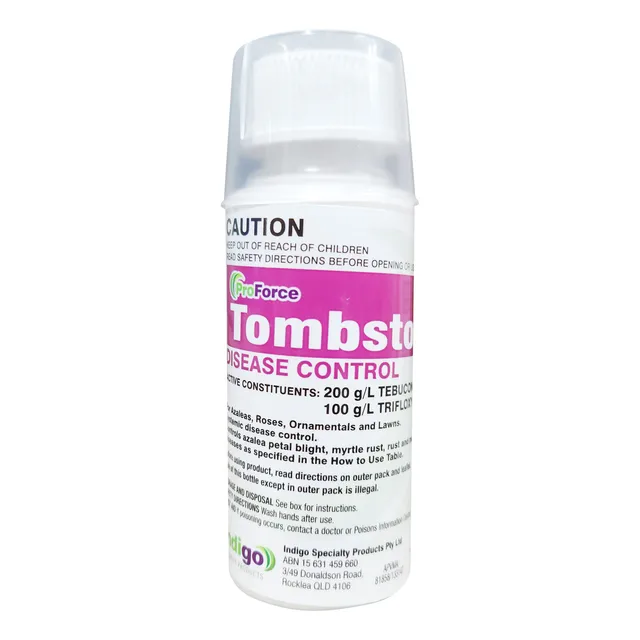
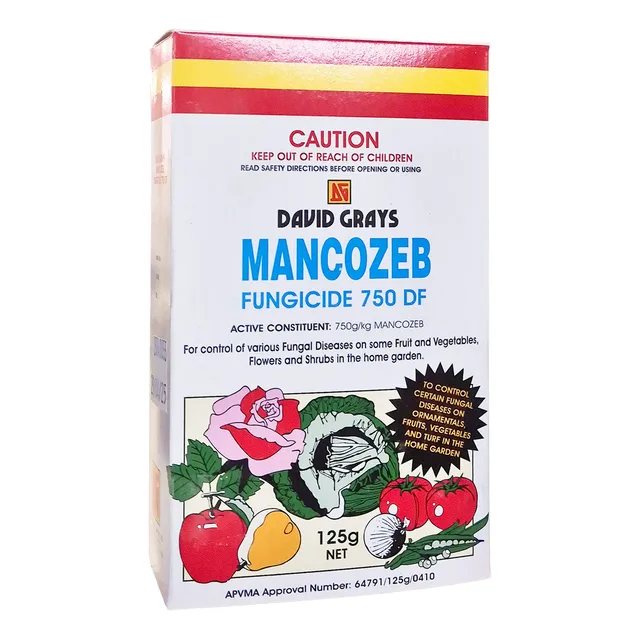
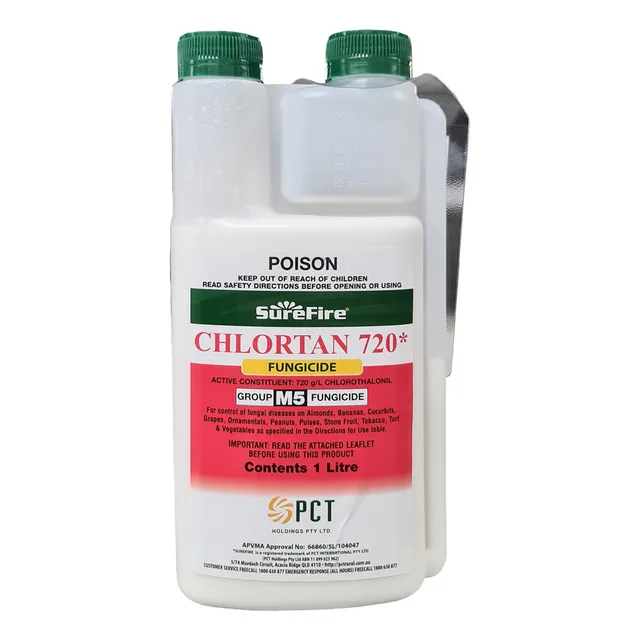
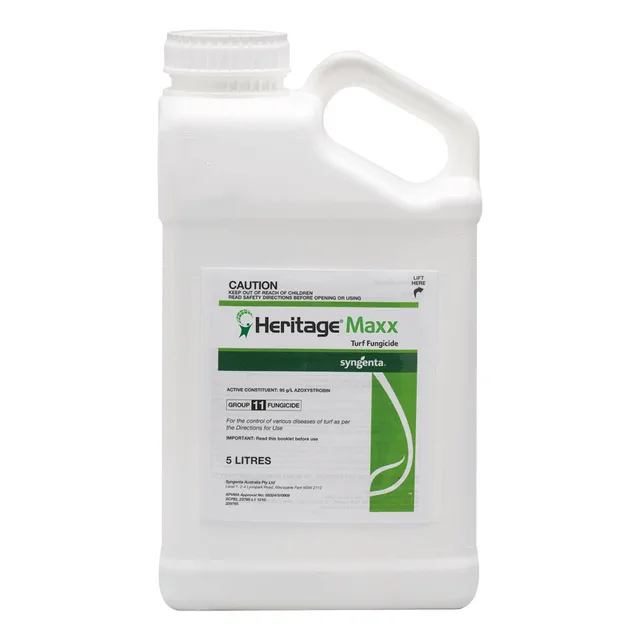
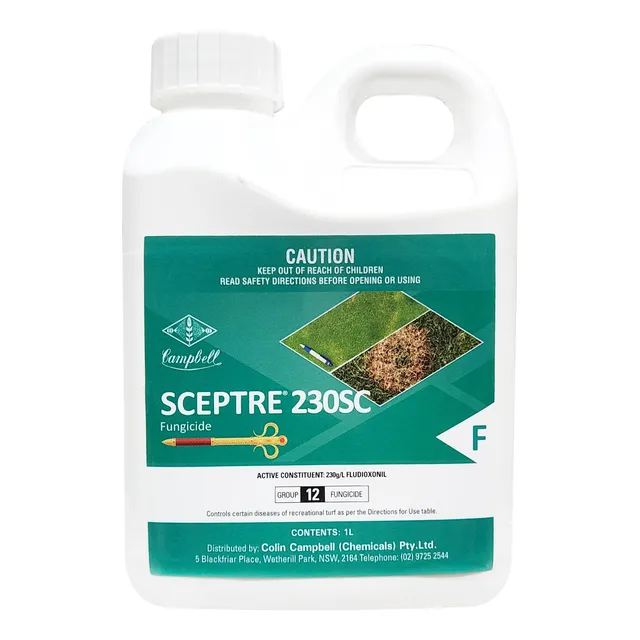
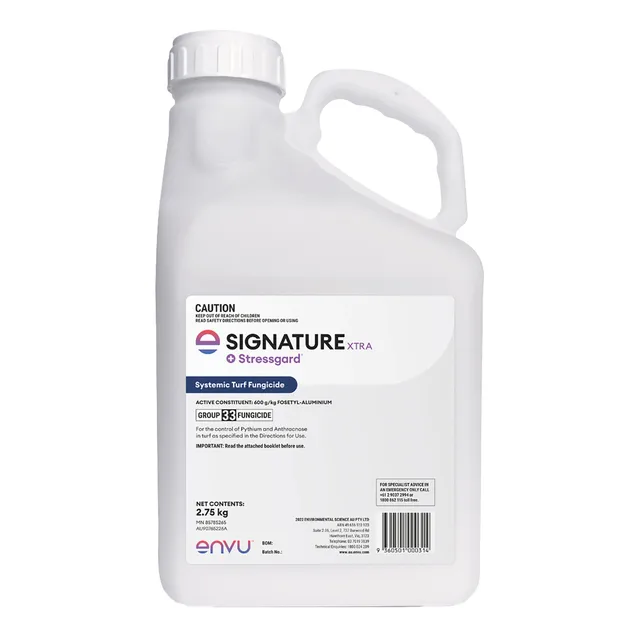
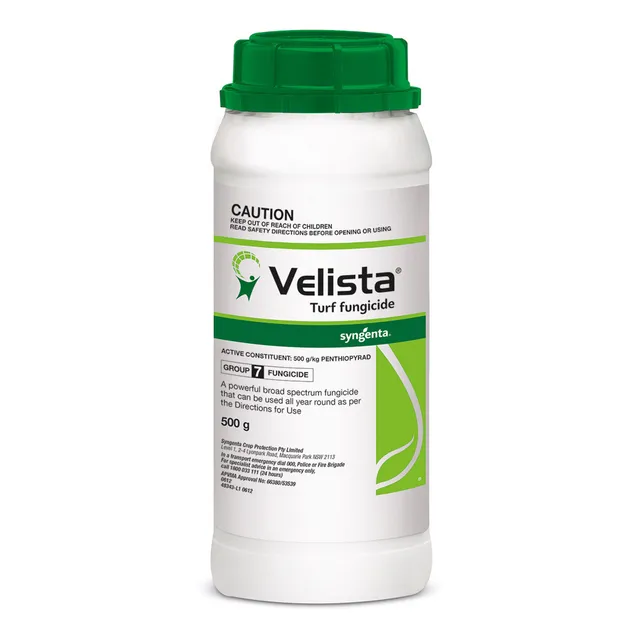
Registered products we stock
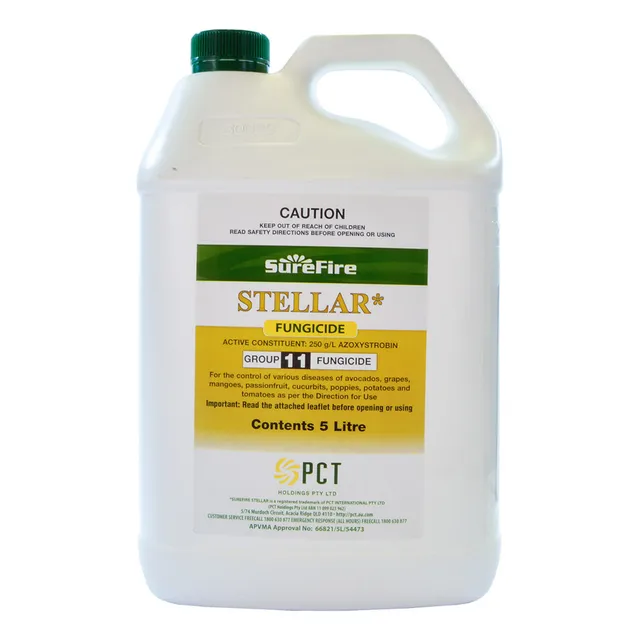
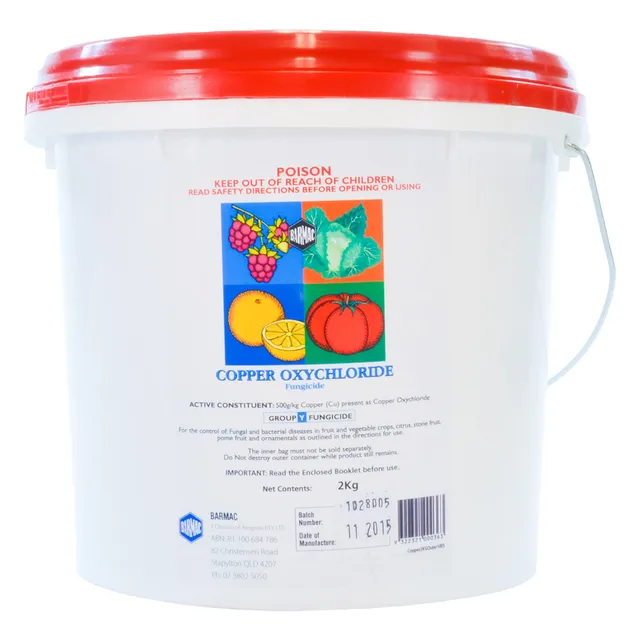
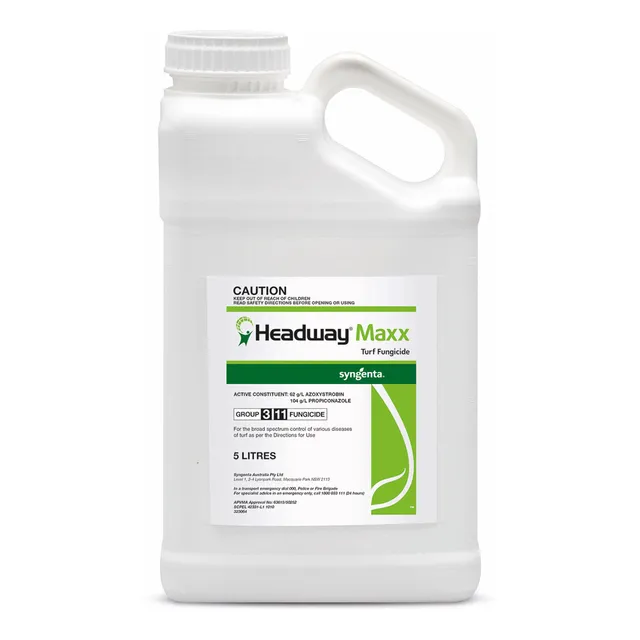
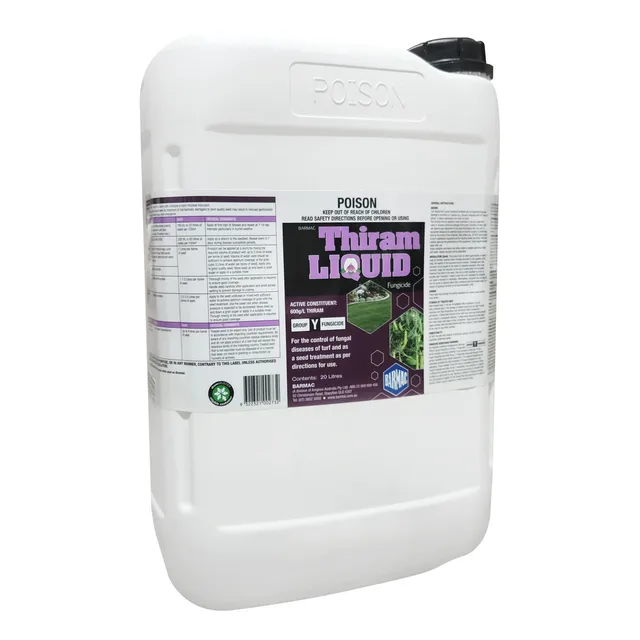
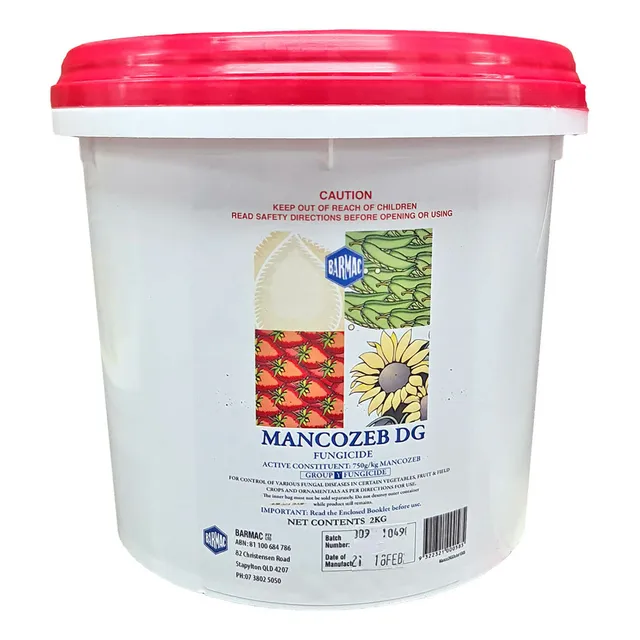
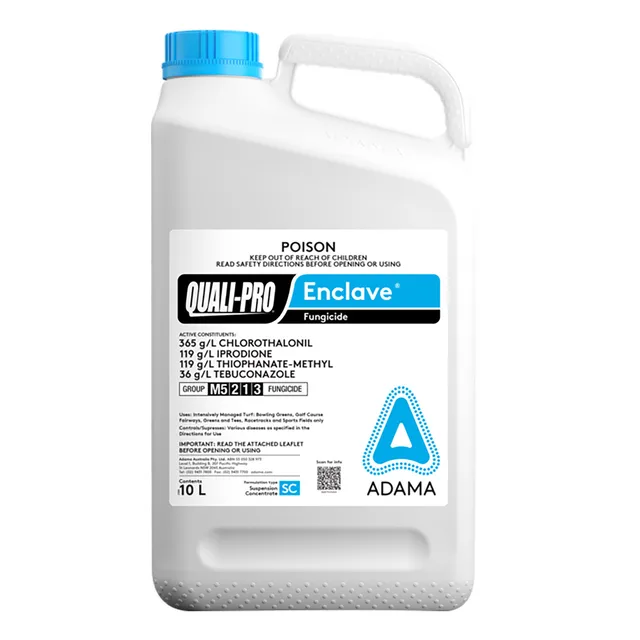
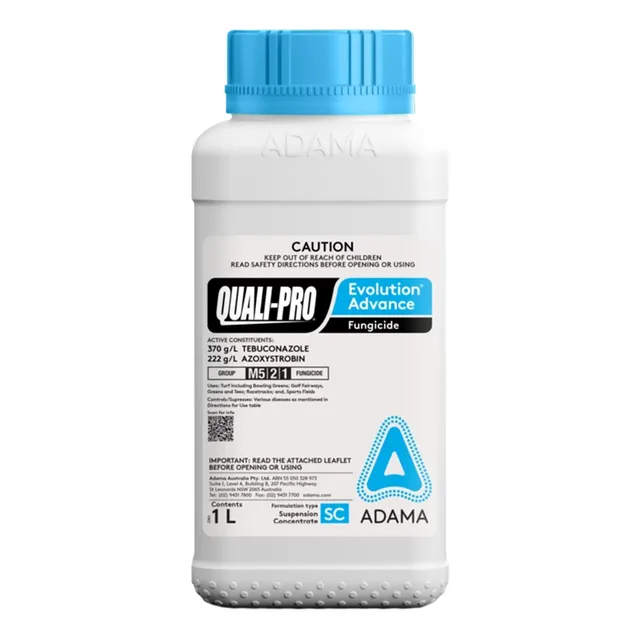
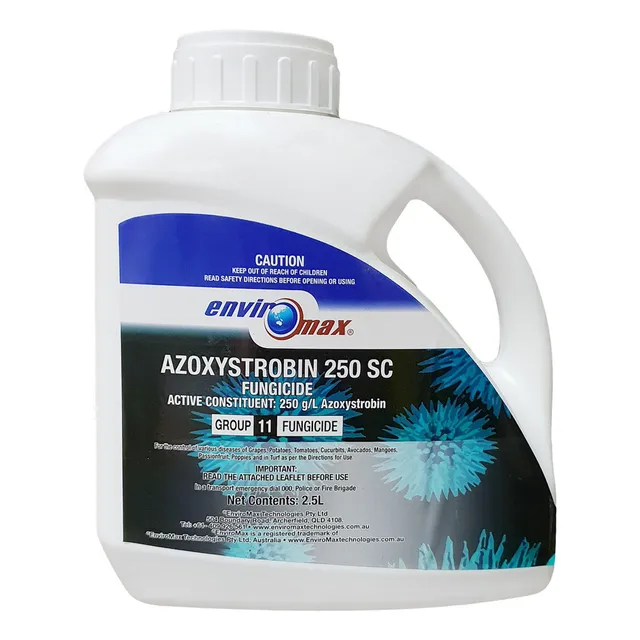
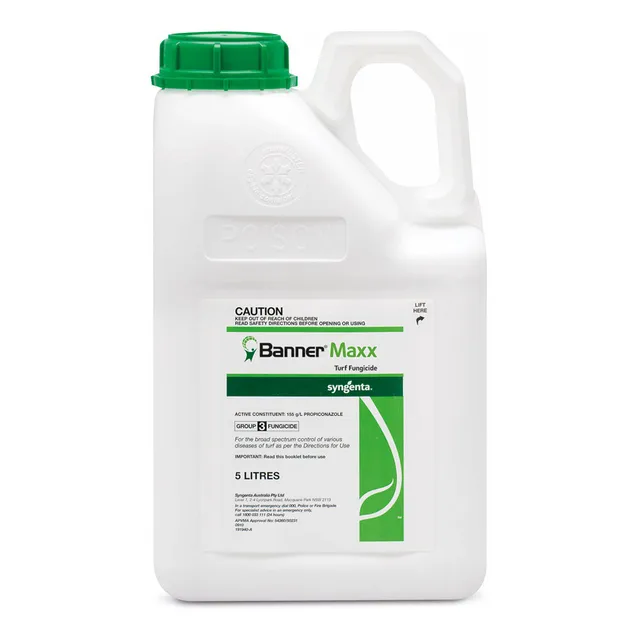
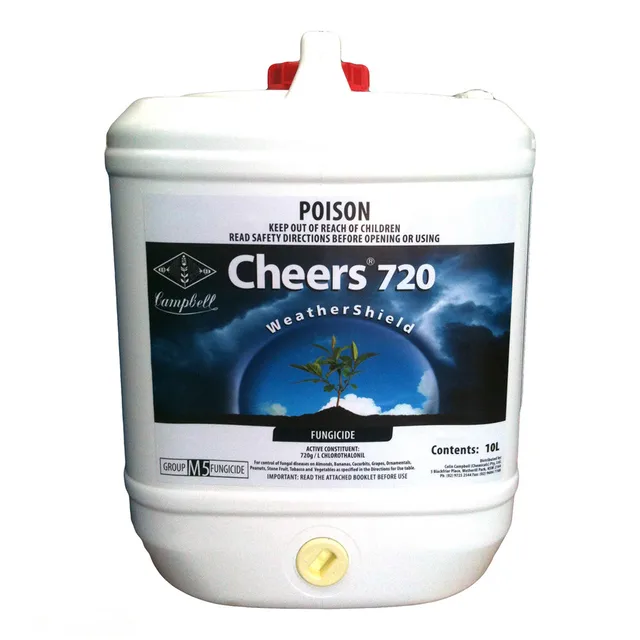
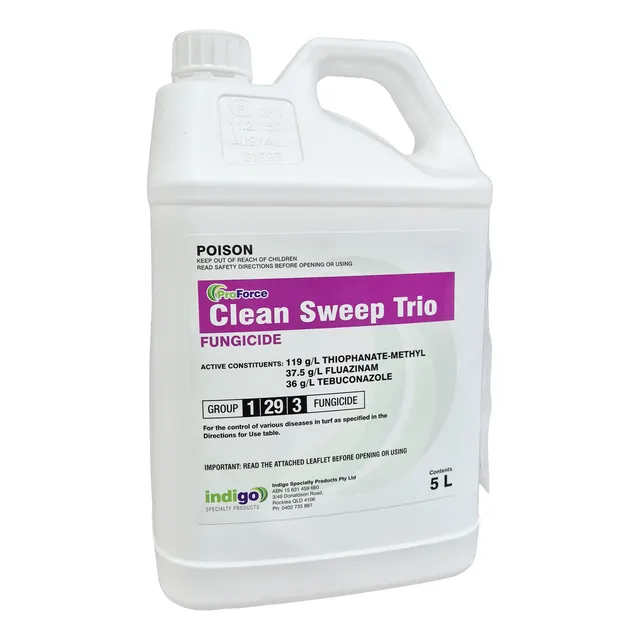
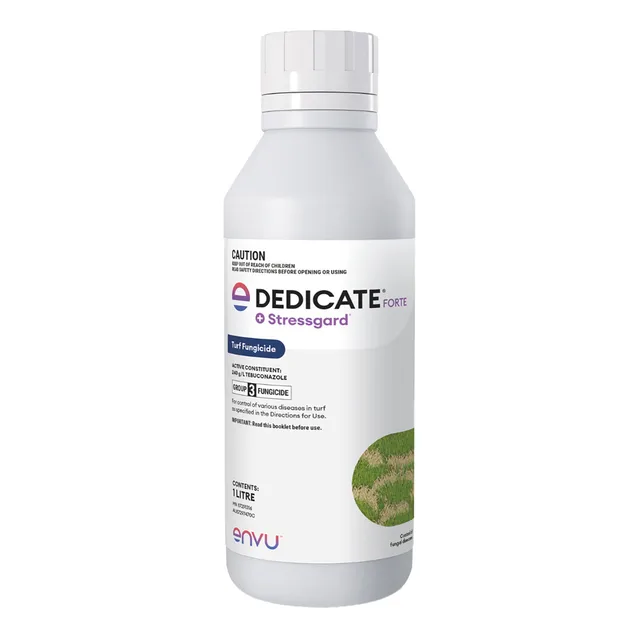
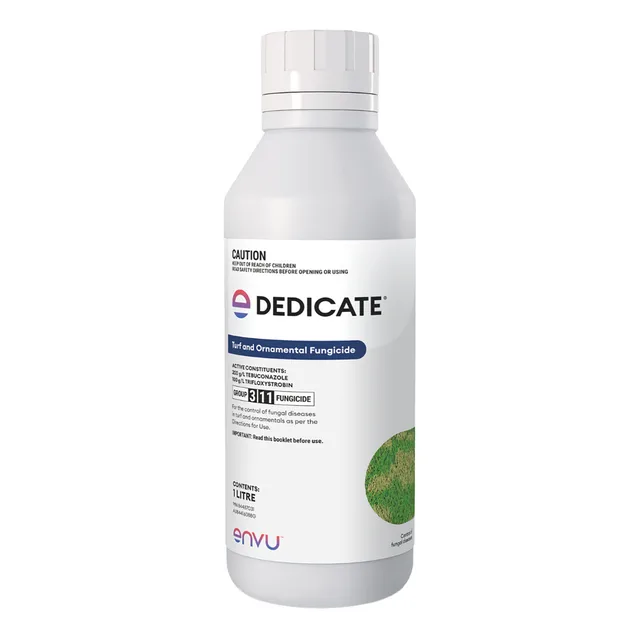
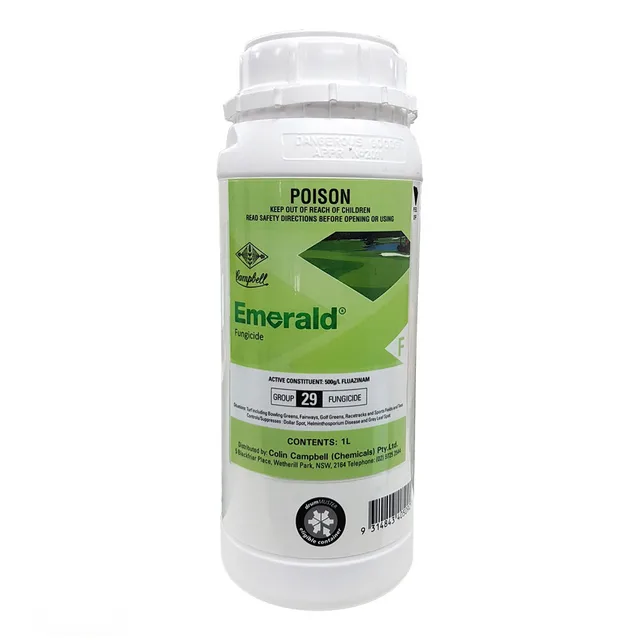
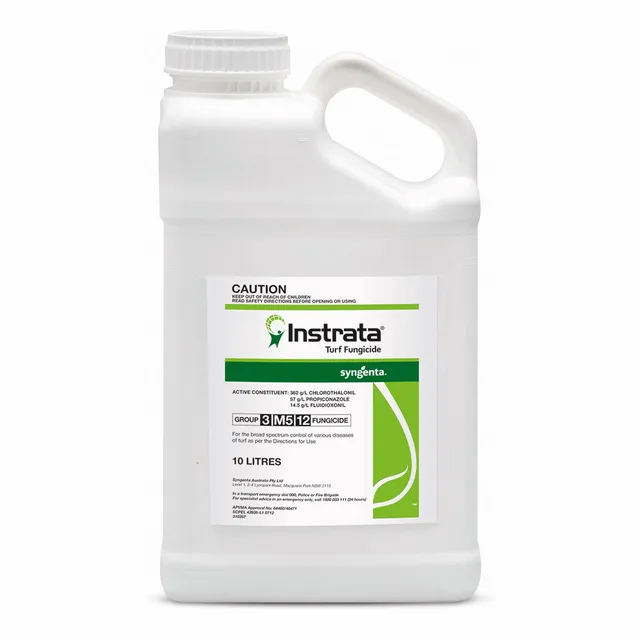
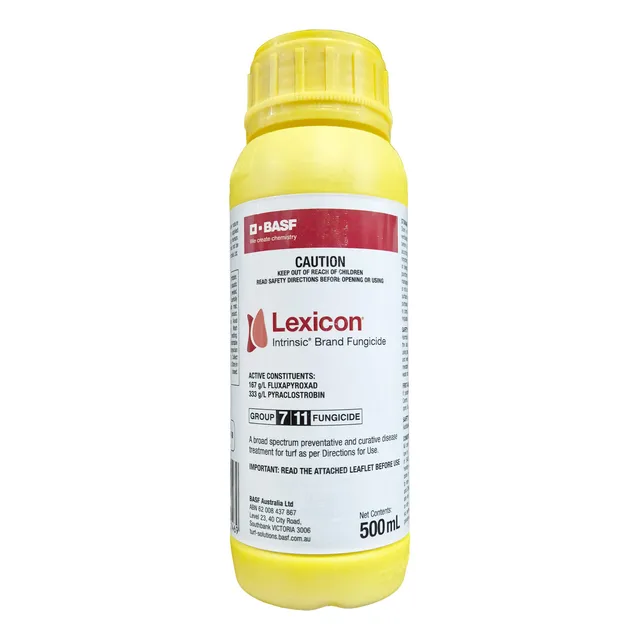
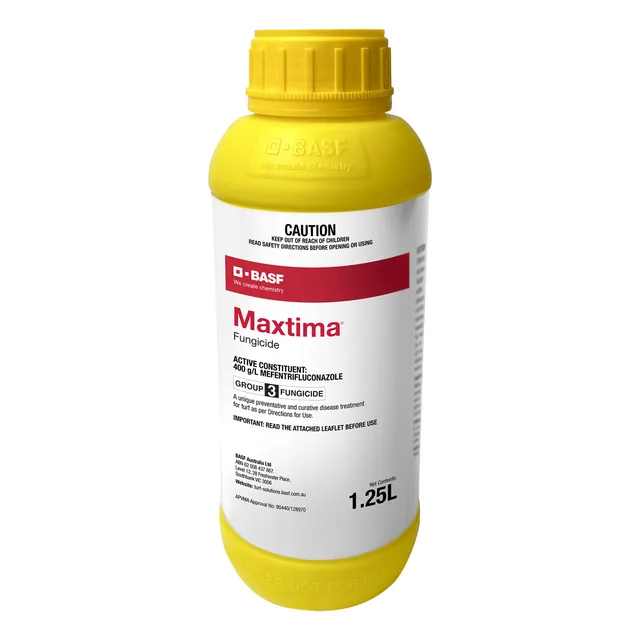
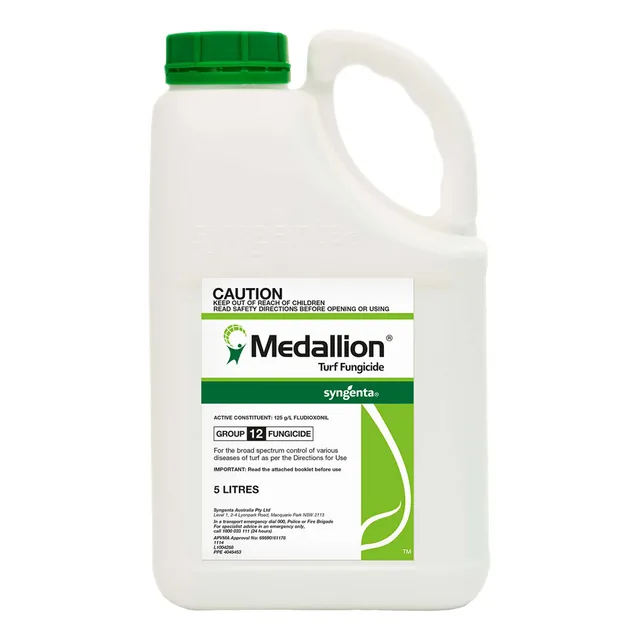
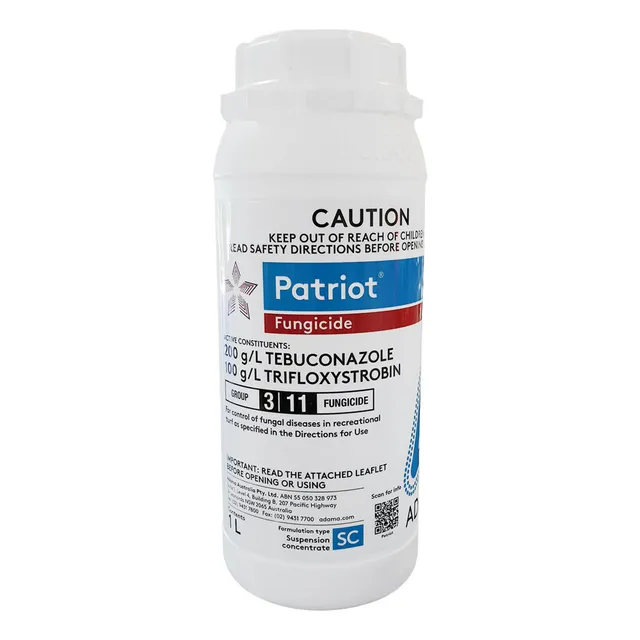
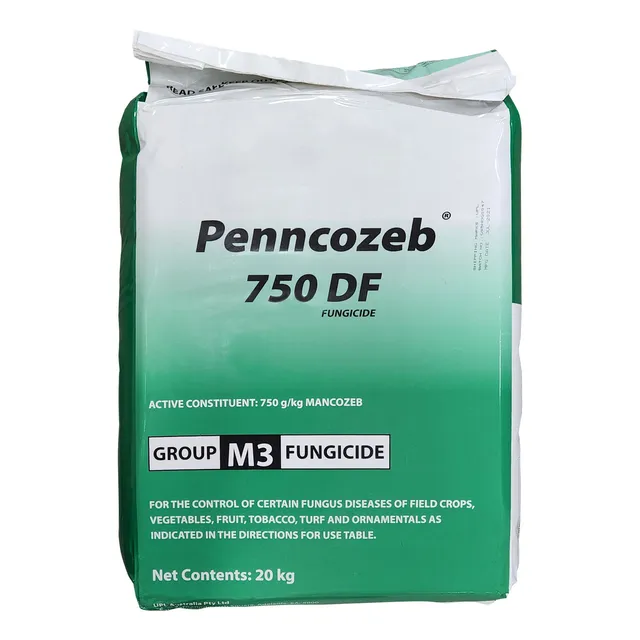
No products match those filters.