

Brown Patch
Rhizoctonia solani
Brown Patch is a fungal lawn disease that causes circular brown patches in warm, humid weather, especially on cool-season grasses.
Brown Patch is a fungal disease caused by the soil-borne pathogen Rhizoctonia solani. It affects a wide range of turf species but is particularly damaging on cool-season grasses such as tall fescue, ryegrass and bentgrass, though it can also appear on warm-season lawns under the right conditions.
The disease is most active during warm, humid weather, typically in late spring through to autumn, when night temperatures stay mild and leaves remain wet for extended periods. It spreads through prolonged leaf wetness, poor air circulation and excess nitrogen fertiliser, which encourages soft, lush leaf growth that is more susceptible to infection.
Management focuses on reducing the conditions that favour the fungus. This includes watering deeply but less frequently, watering early in the morning so leaves dry out during the day, improving airflow and light penetration by pruning back overhanging vegetation, avoiding heavy nitrogen applications during high-risk periods, and removing thatch build-up. Mowing equipment should be kept clean to avoid spreading the pathogen between areas.
How to identify
- Circular or irregular brown or straw-coloured patches in the lawn, ranging from a few centimetres to over a metre wide
- A dark, greyish 'smoke ring' border around the patch edge, especially visible in early morning when the lawn is still damp
- Affected leaf blades show water-soaked, olive-green lesions that turn tan or brown
- Patches may appear sunken or thinned rather than completely dead
- Disease activity is worse after periods of high humidity, warm nights and heavy dew or overwatering
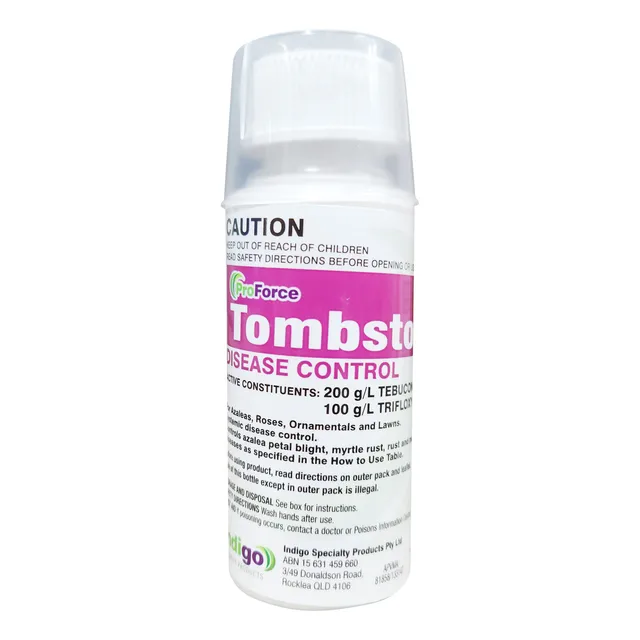
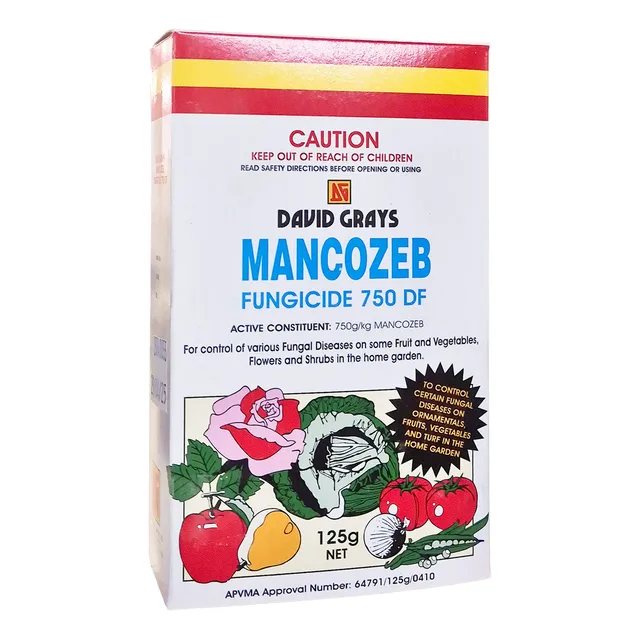
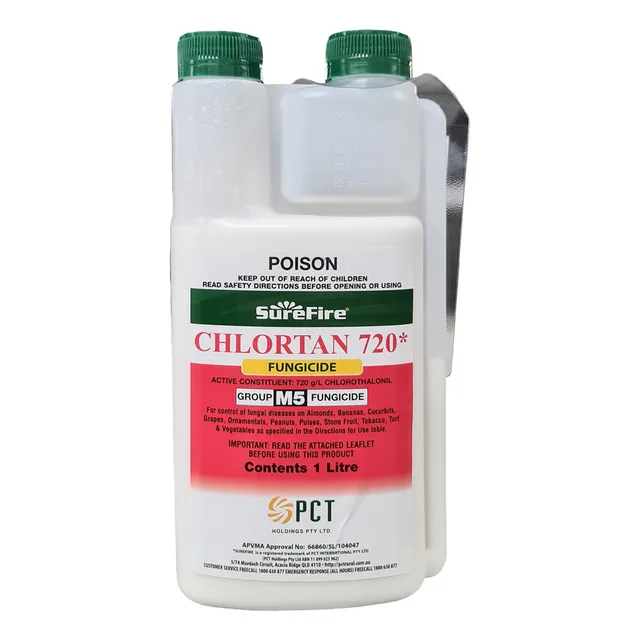
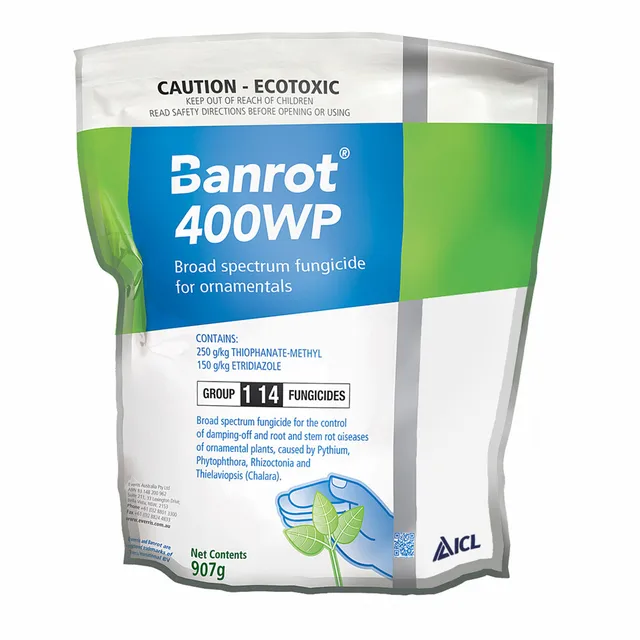
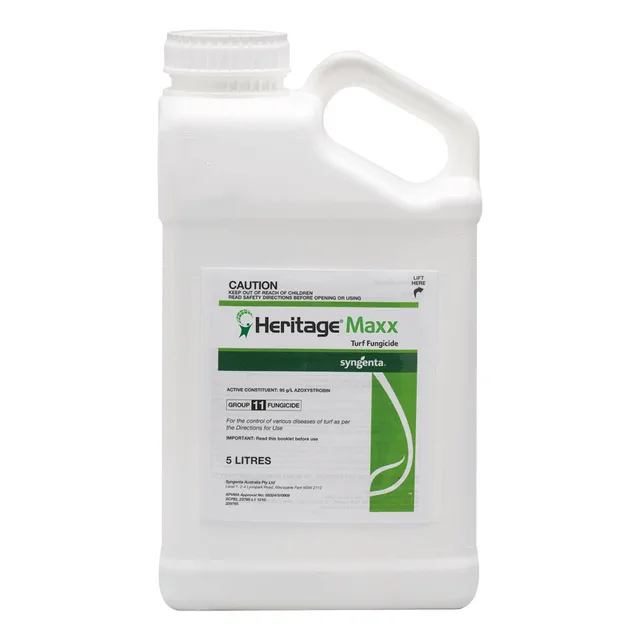
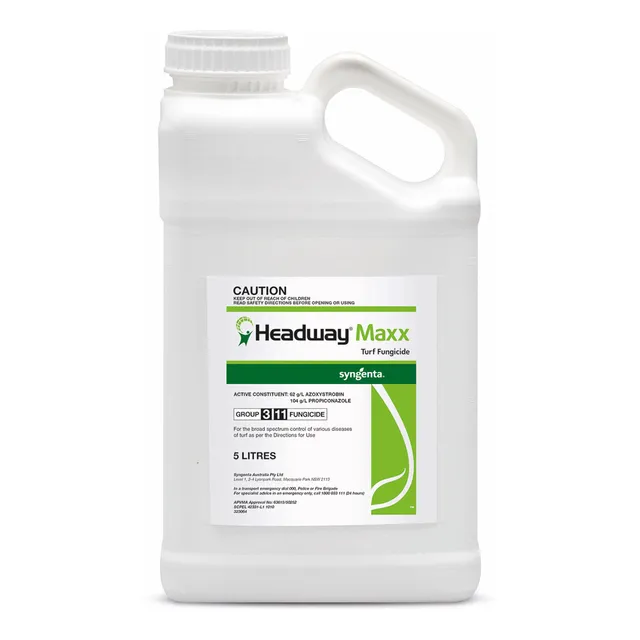
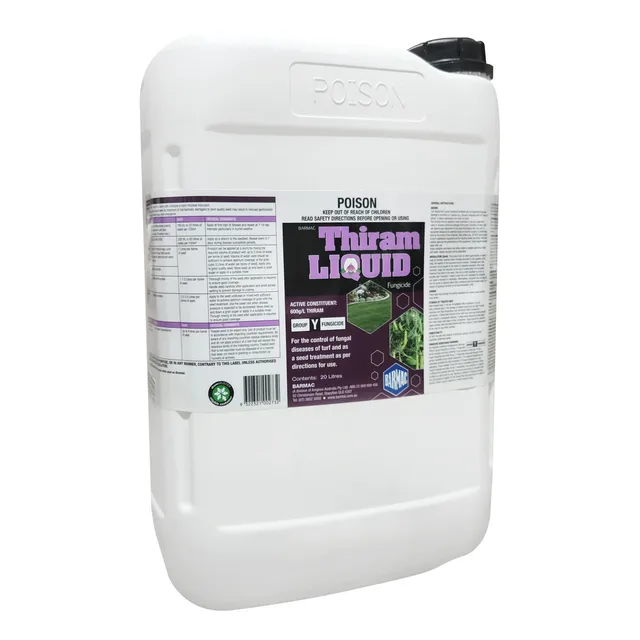
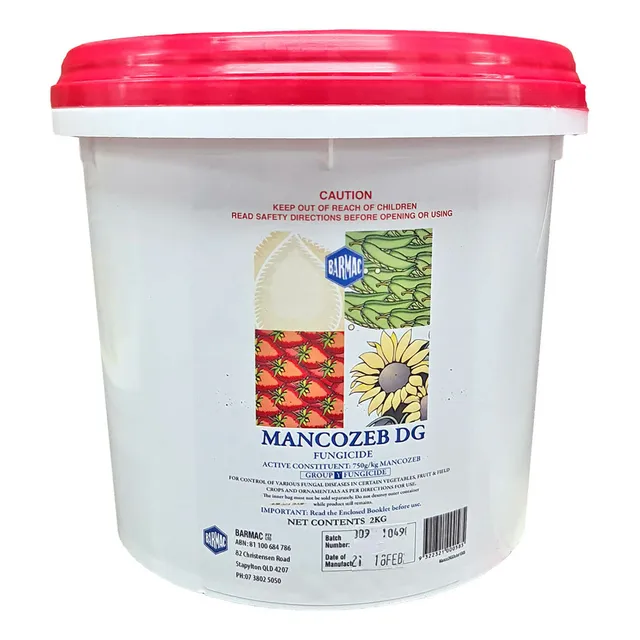
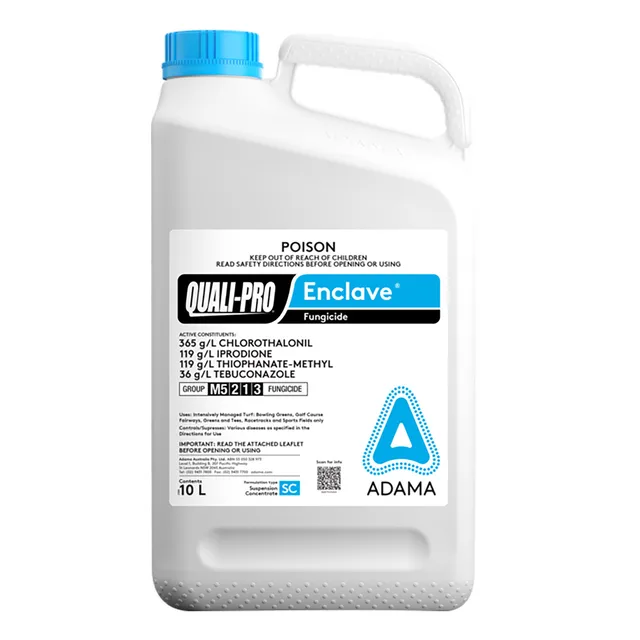
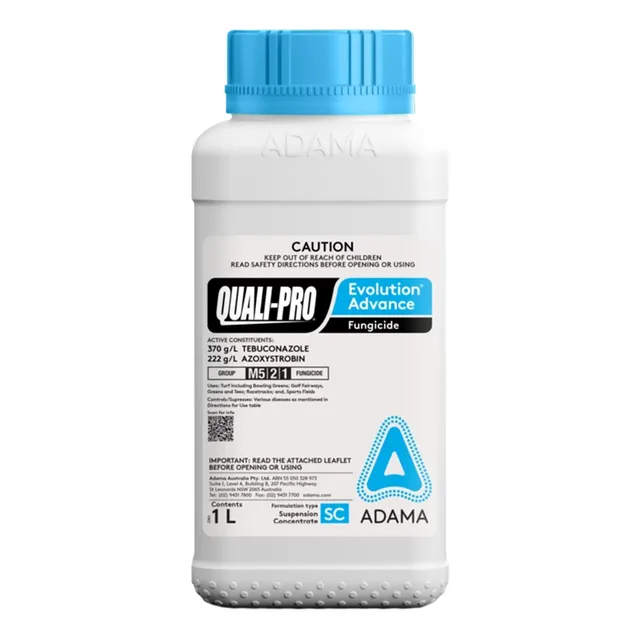
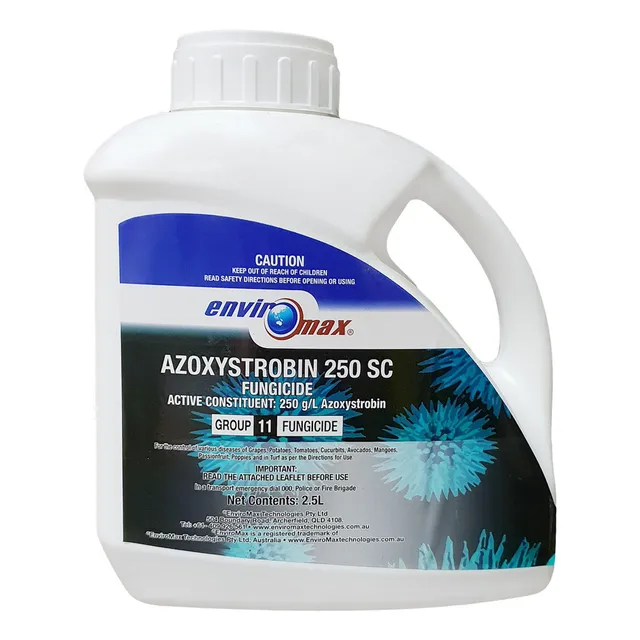
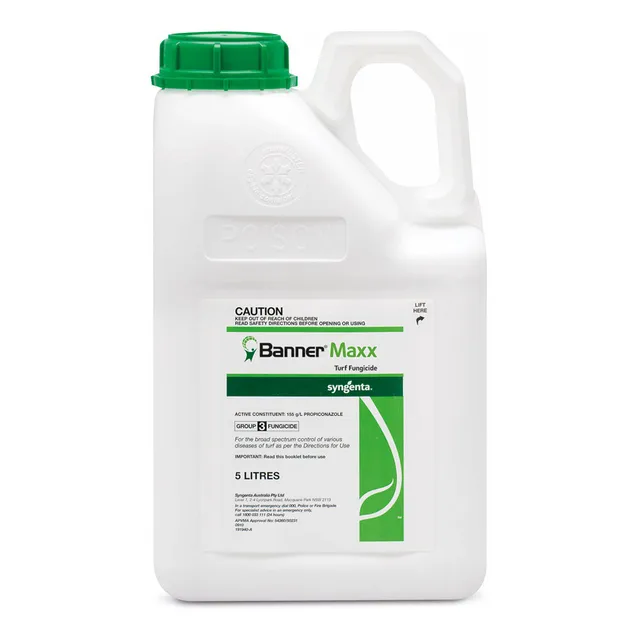
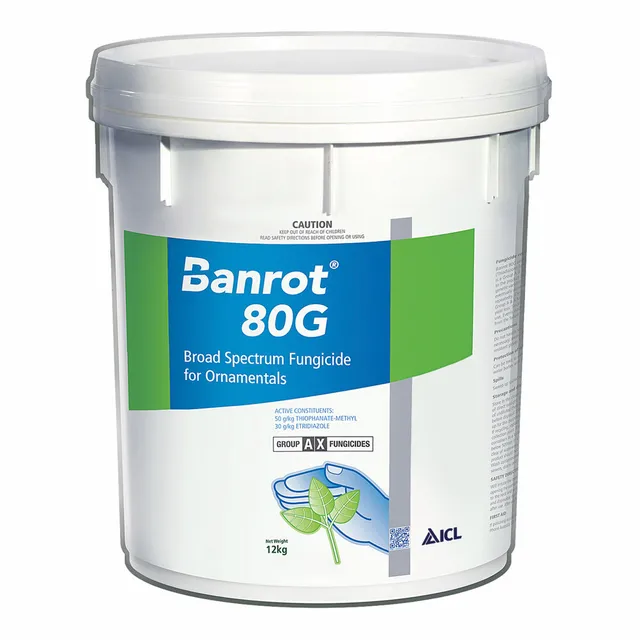
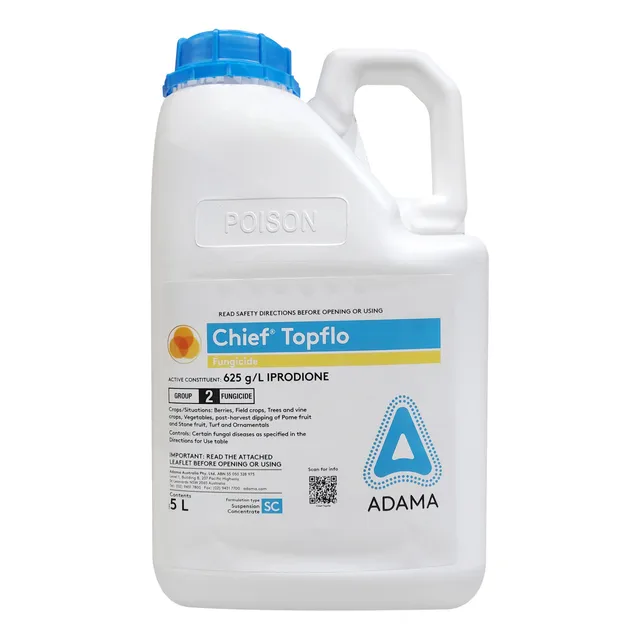
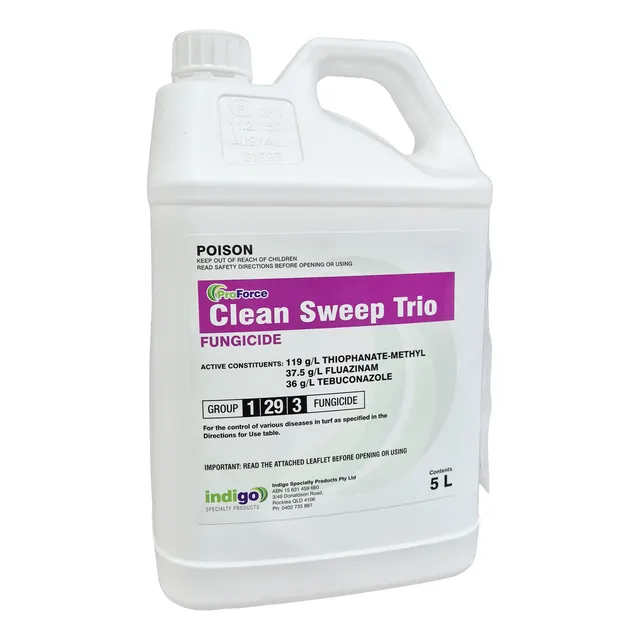
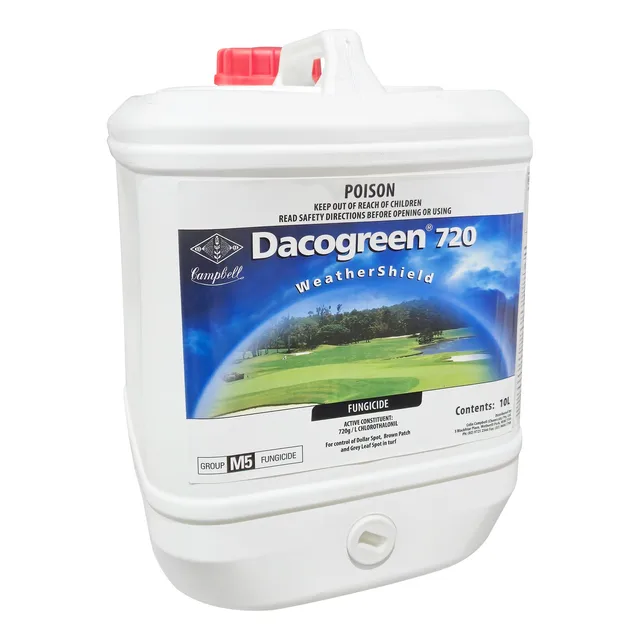
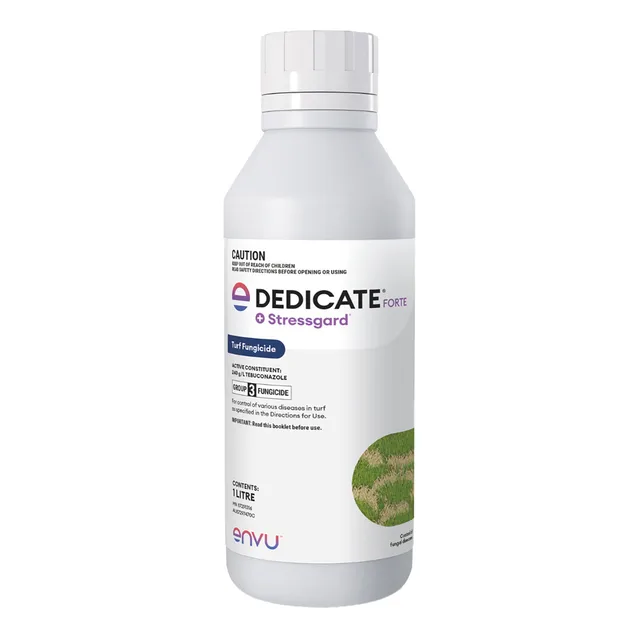
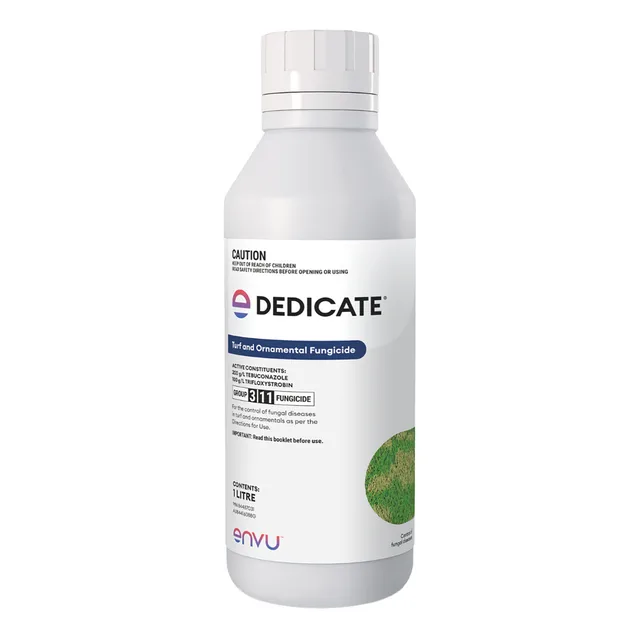
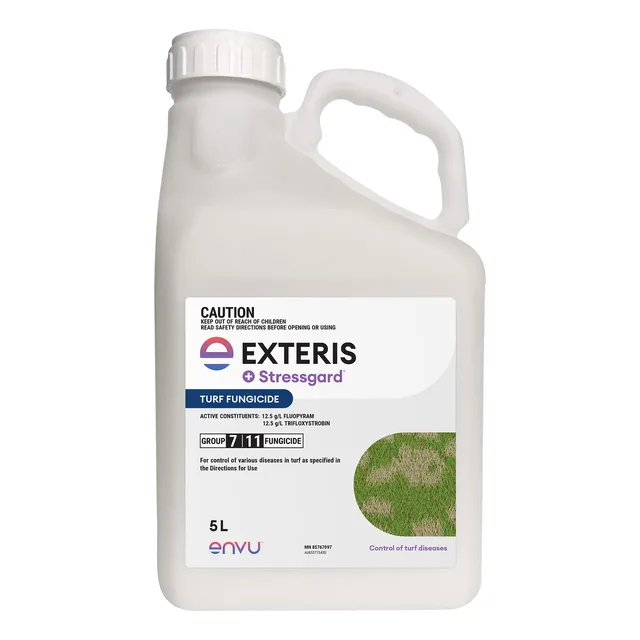
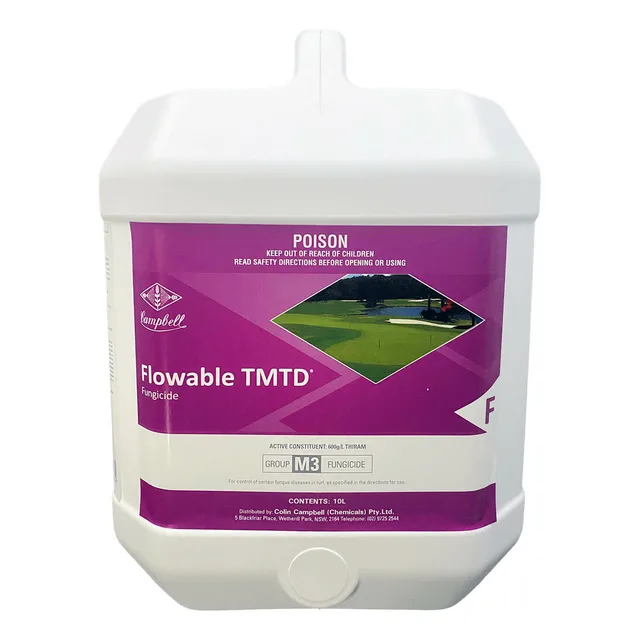
Registered products we stock
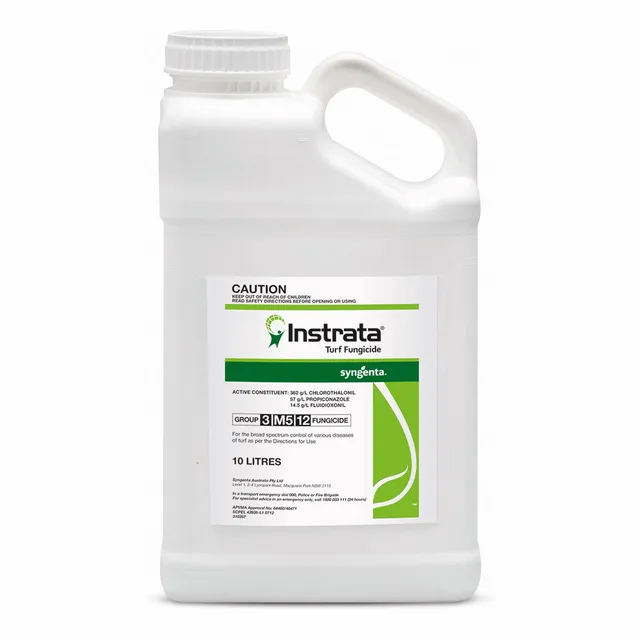
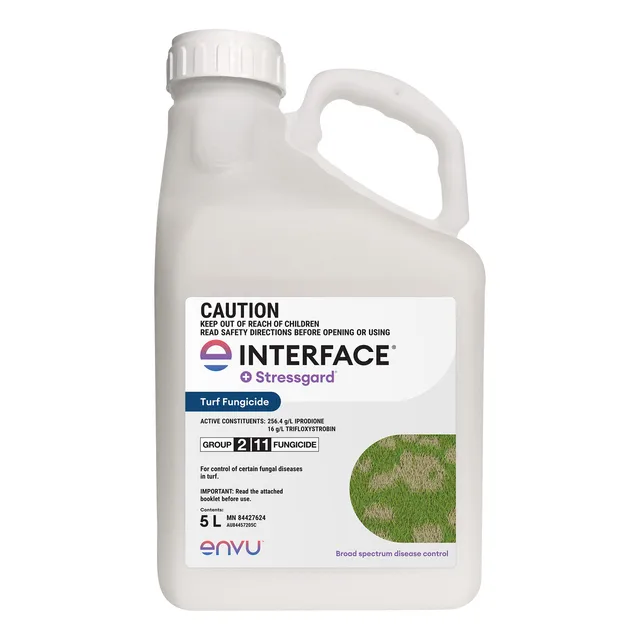
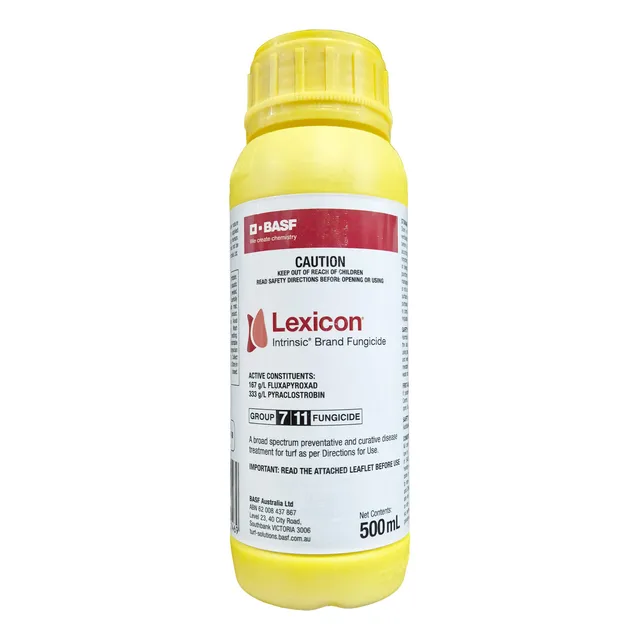
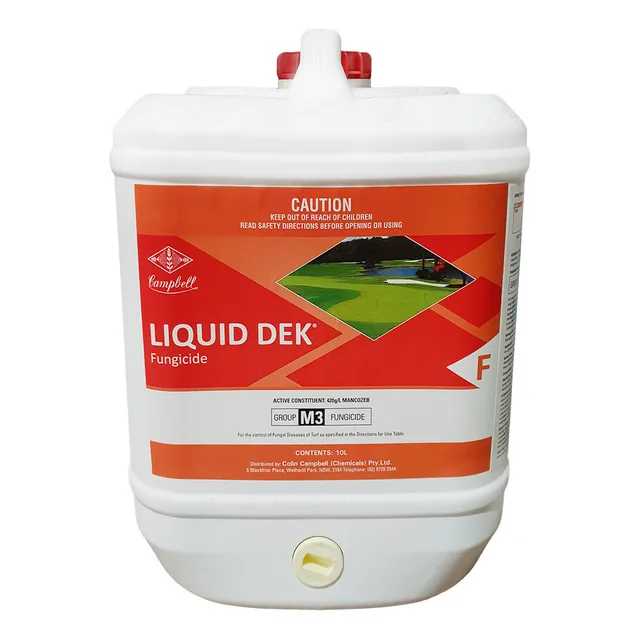
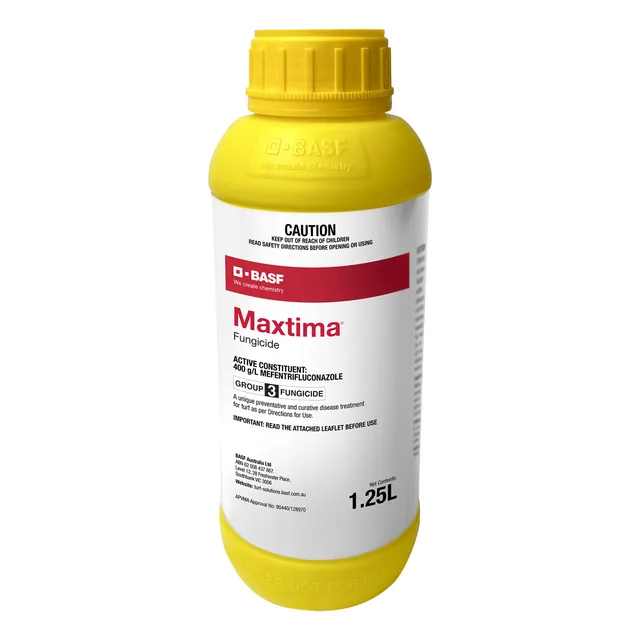
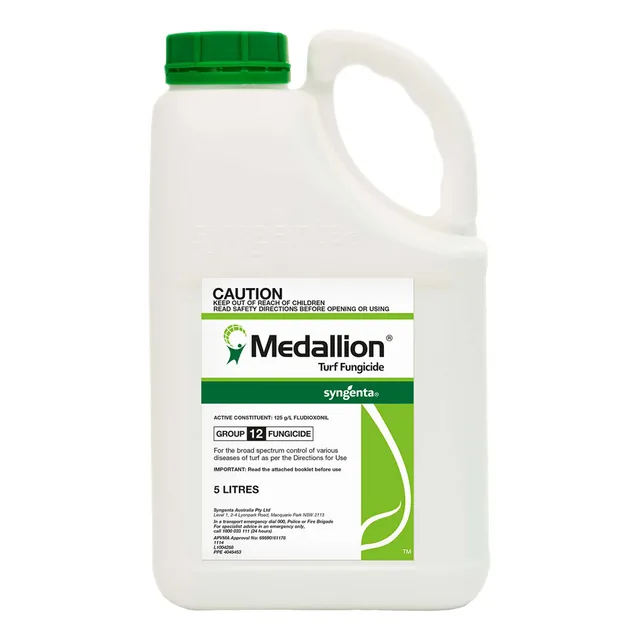
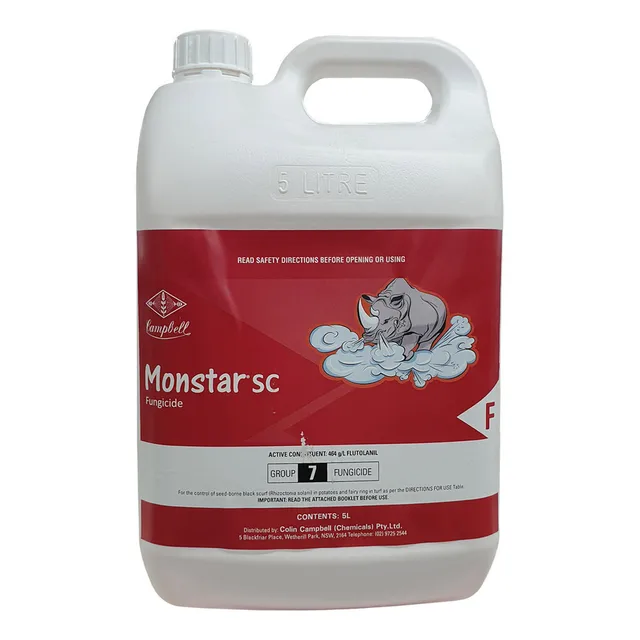
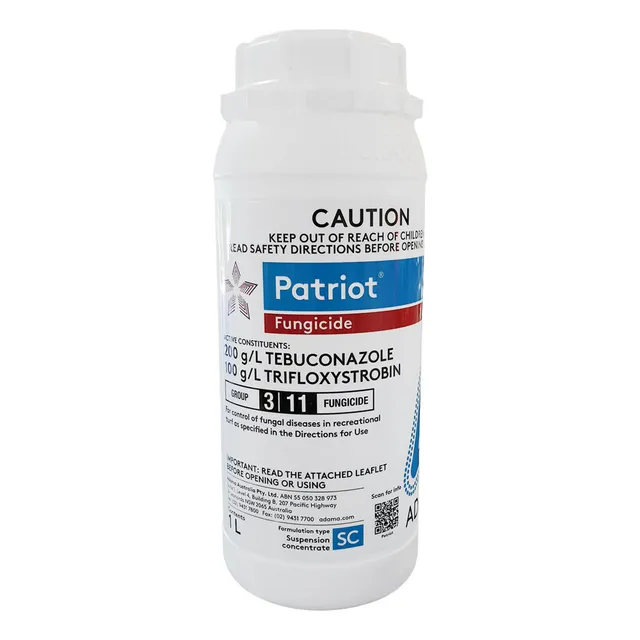
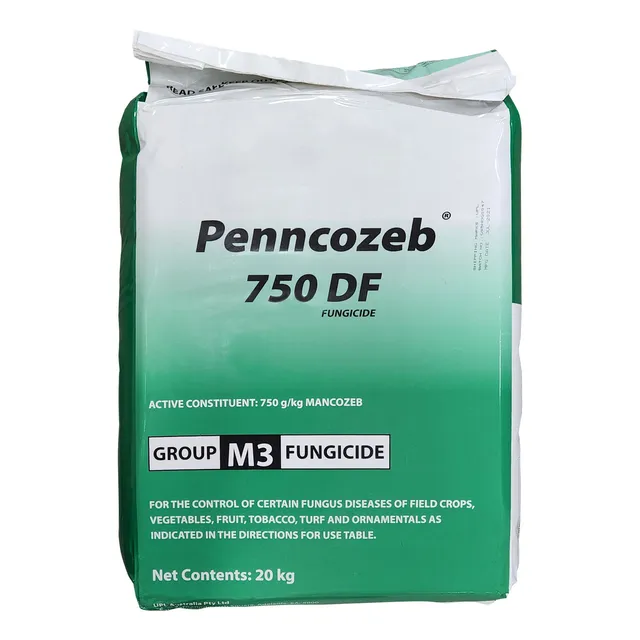
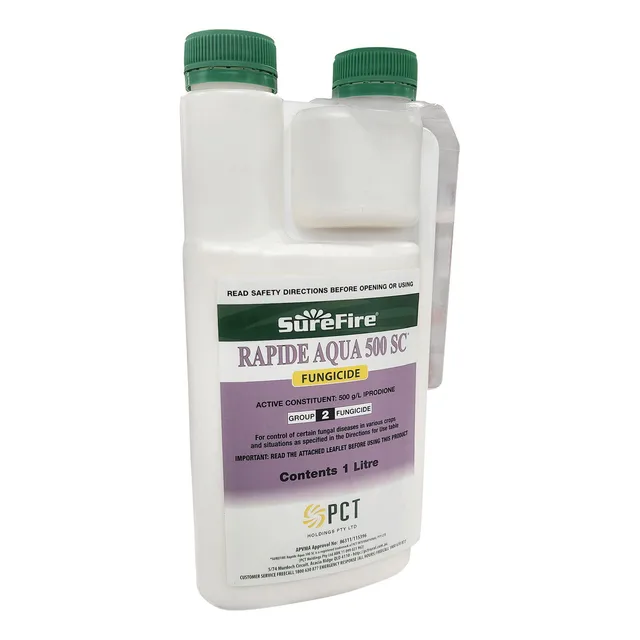
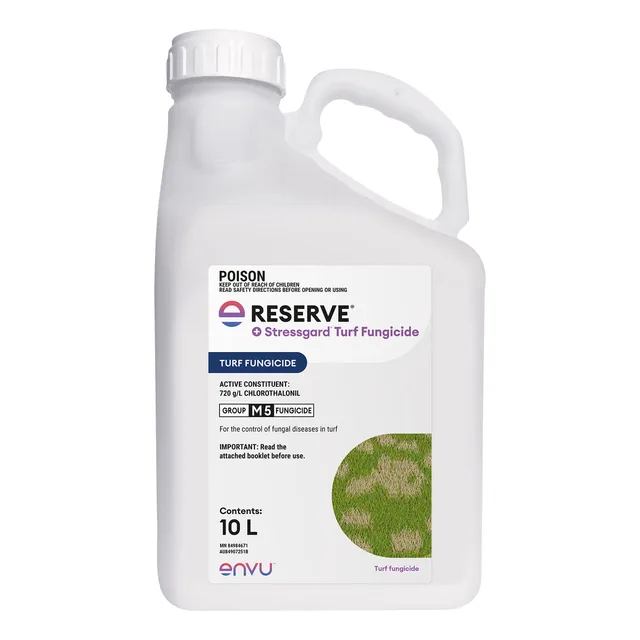
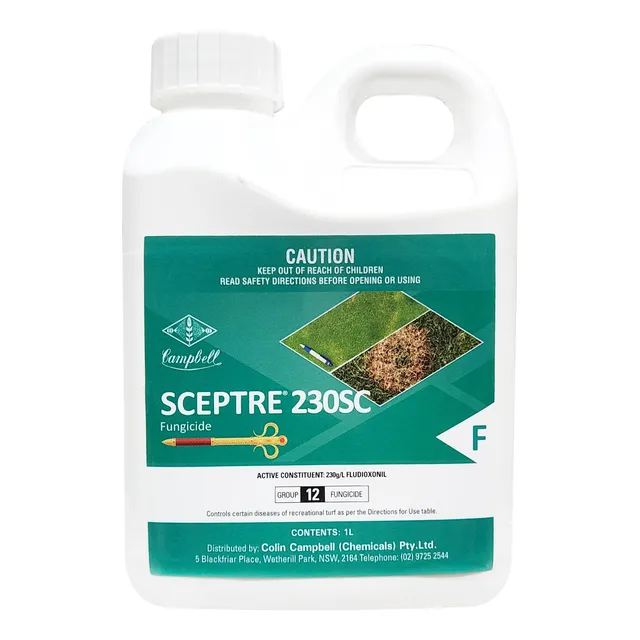
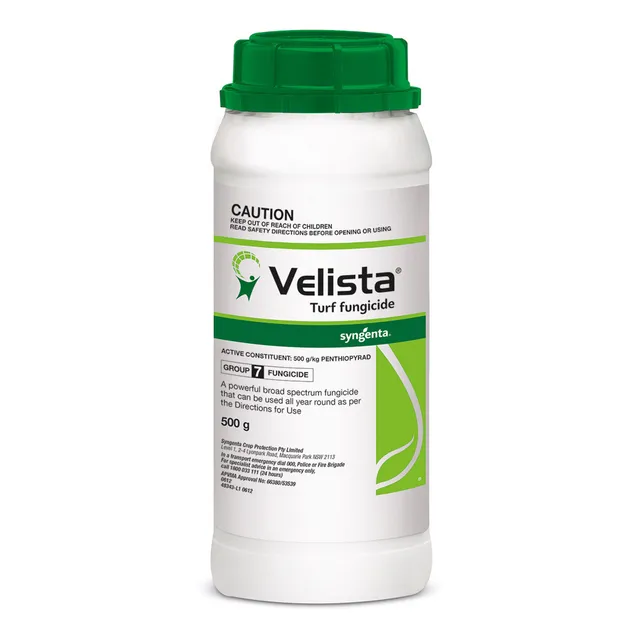
No products match those filters.