

Helminthosporium
Helminthosporium spp.
Helminthosporium is a fungal disease complex causing leaf spots, blighted patches and root rot in lawns across Australia.
Helminthosporium is a general name given to a group of related turf fungal pathogens (also classified in genera such as Bipolaris, Drechslera and Exserohilum) that cause leaf spot, blight, crown rot and root rot in many turf grass species. The disease shows up as small lesions on leaf blades before progressing to affect the crown and roots in more severe cases, and in some cases contributes to spring dead spot symptoms in couch lawns.
On the leaf, look for oval to elongated spots that start as tiny purplish-brown to black flecks. As spots mature, the centre often fades to tan, straw or grey with a darker brown to purplish-black margin, giving a distinctive banded appearance. Under humid conditions a dark, almost black, fuzzy fungal growth (spores and mycelium) can develop on the lesions, especially on dead or dying leaf tissue. This dark colouration is where the common name 'black Helminthosporium' comes from. Where the disease progresses to attack the crown and roots, affected plants become weakened, and roots turn dark and rotted.
The disease is active in Australia during mild, humid weather, typically autumn and spring, though it can appear in cooler, wet winter periods depending on the turf species and region. Extended periods of leaf wetness from dew, irrigation or rain, combined with mild temperatures, favour infection and spread. Warm season grasses like couch are prone to root and crown-related symptoms (including spring dead spot patches) while cool season grasses such as fescue and ryegrass more commonly show leaf spot and blight.
Management relies on cultural practices that reduce leaf wetness and turf stress: water early in the morning rather than in the evening, avoid overwatering, improve drainage and airflow, mow at the correct height for the turf species, and avoid excess nitrogen fertiliser during disease-prone periods, which encourages soft, susceptible growth. Removing thatch and improving soil aeration also helps reduce disease pressure by promoting faster drying of the turf canopy.
How to identify
- Leaf spots: small purplish-brown to black oval spots on leaf blades, often with a tan or straw-coloured centre and a darker border as they mature.
- Blighted patches: irregular patches of thinned, discoloured or dying turf where infected leaves collapse and die back.
- Dark fungal growth: in humid weather, a dark, almost sooty growth of spores may be visible on lesions, particularly on dead leaf tissue — check with a hand lens or by examining a few affected blades closely.
- Root and crown symptoms: in advanced cases, pull back affected turf gently; roots and crowns may appear dark, rotted or weakened, and the turf lifts away easily from the soil.
- Field check: collect a few affected leaves in a sealed plastic bag with a damp paper towel and leave overnight in a warm spot — dark fungal growth often becomes more visible, helping confirm the diagnosis.
- Lookalikes: dollar spot causes similar small sunken patches but lesions are usually light tan with a reddish-brown border and no dark fungal growth. Spring dead spot (sometimes linked to this disease complex) shows as circular dead patches in couch that appear as growth resumes in spring, rather than active leaf spotting.
Registered products we stock
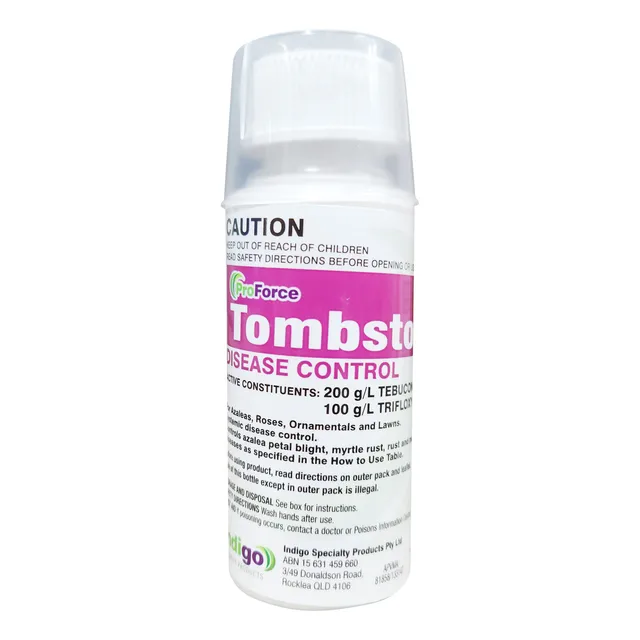
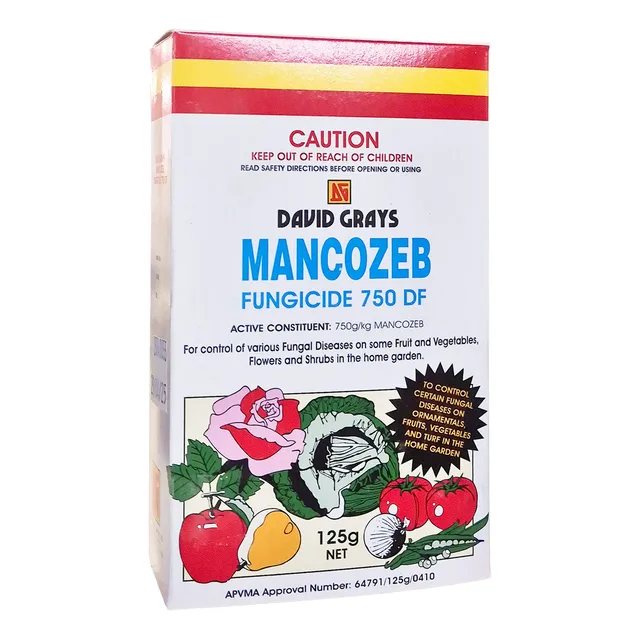
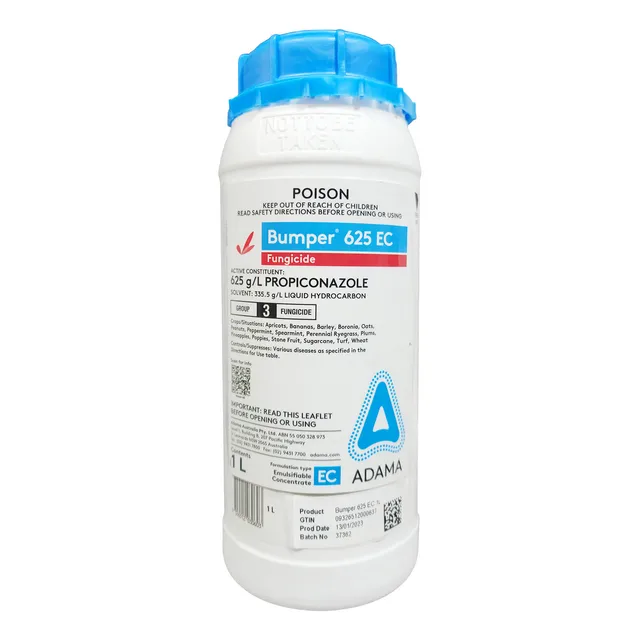
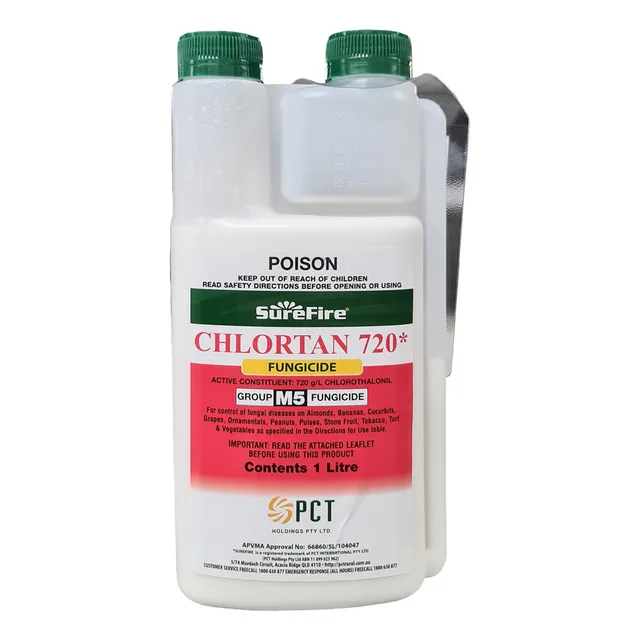
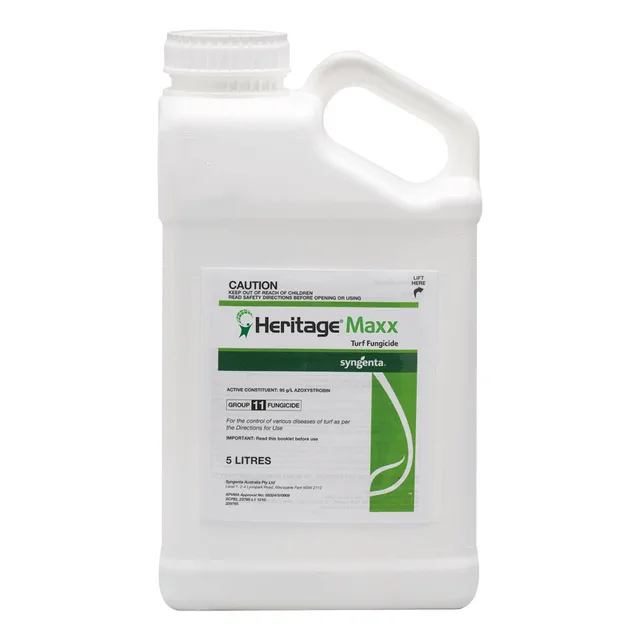
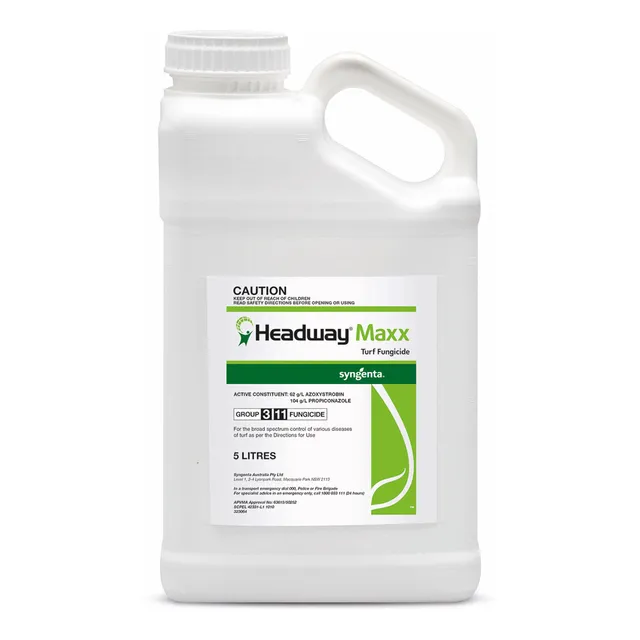
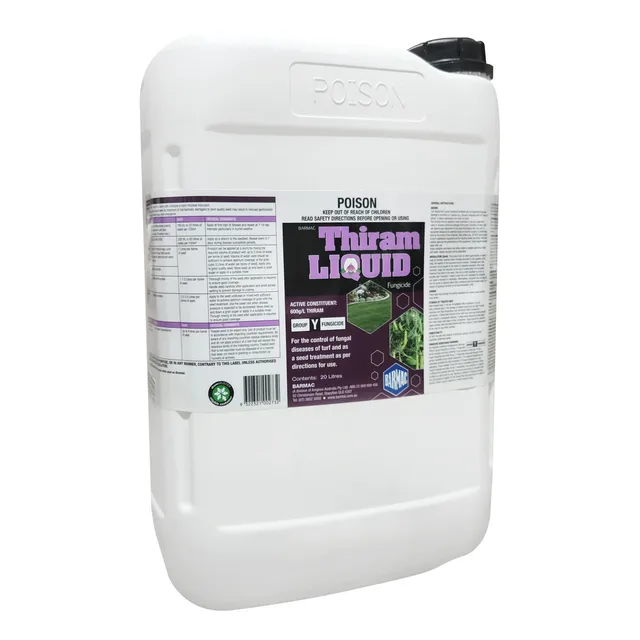
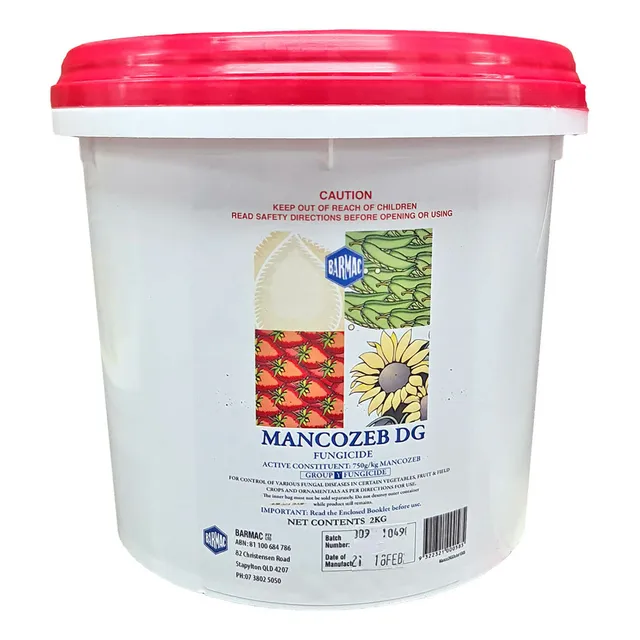
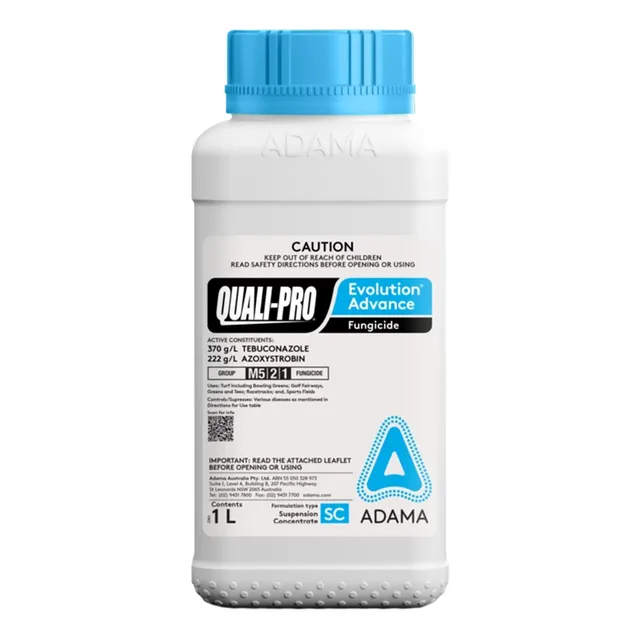
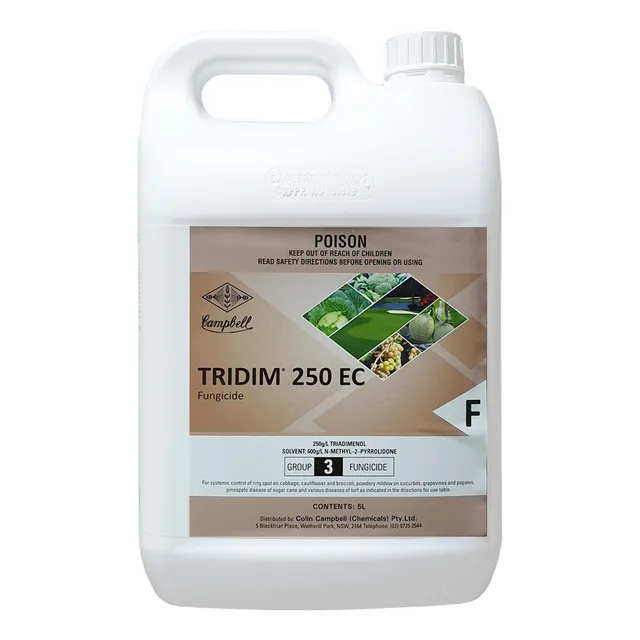
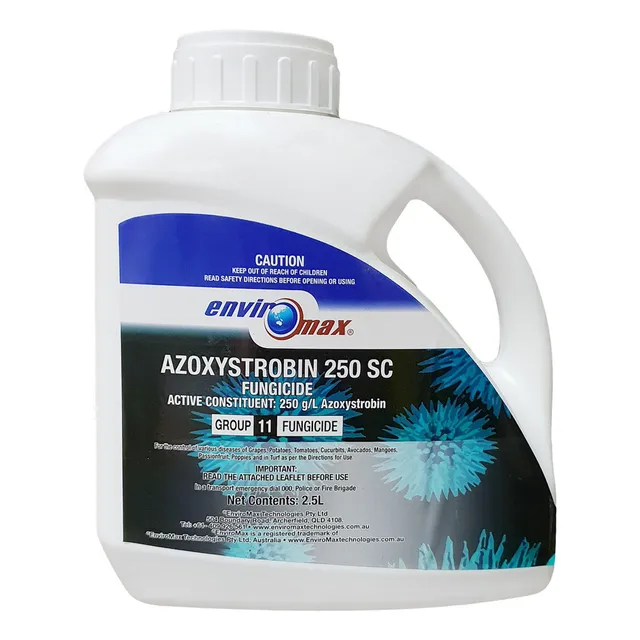
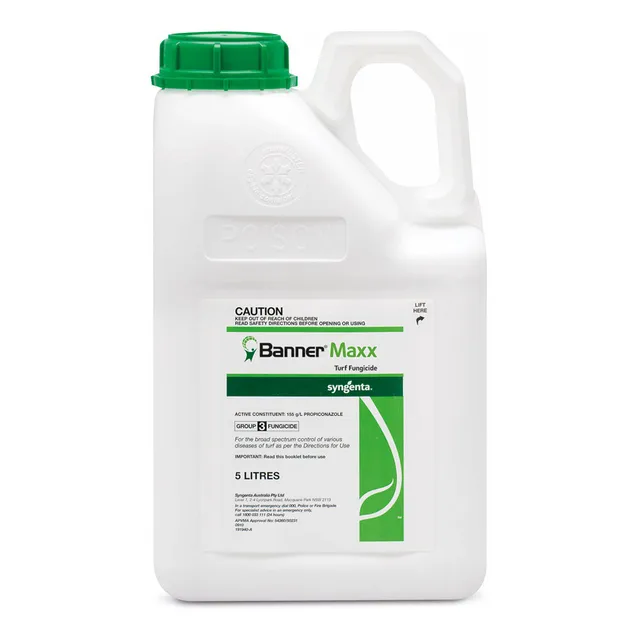
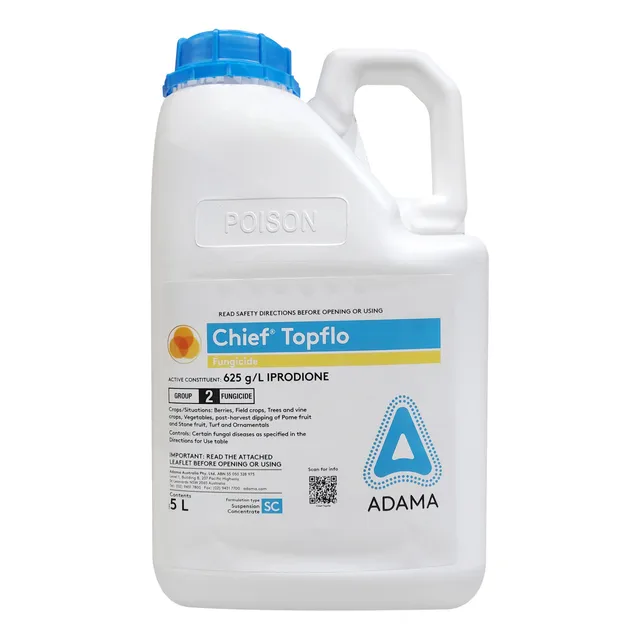
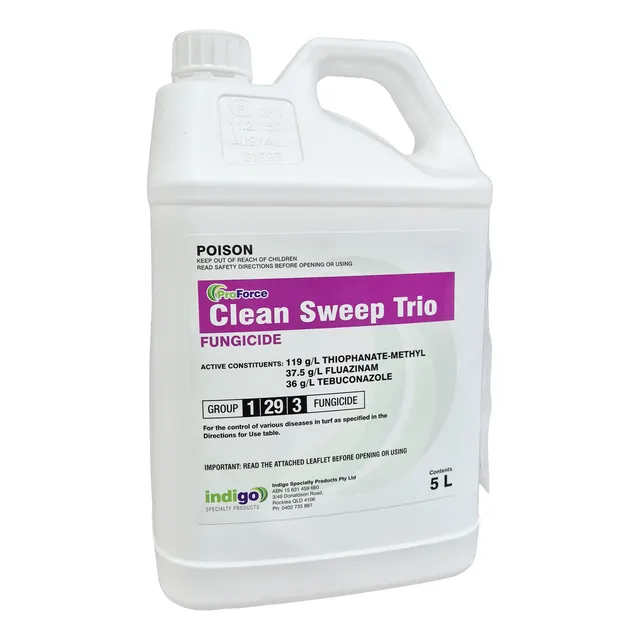
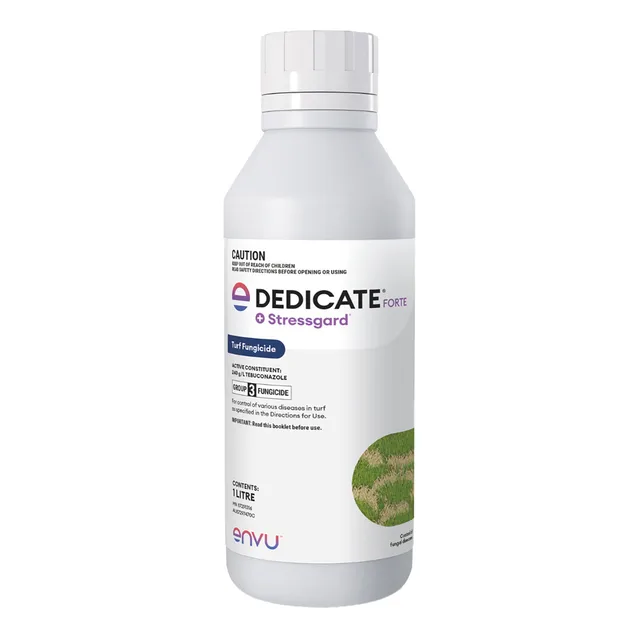
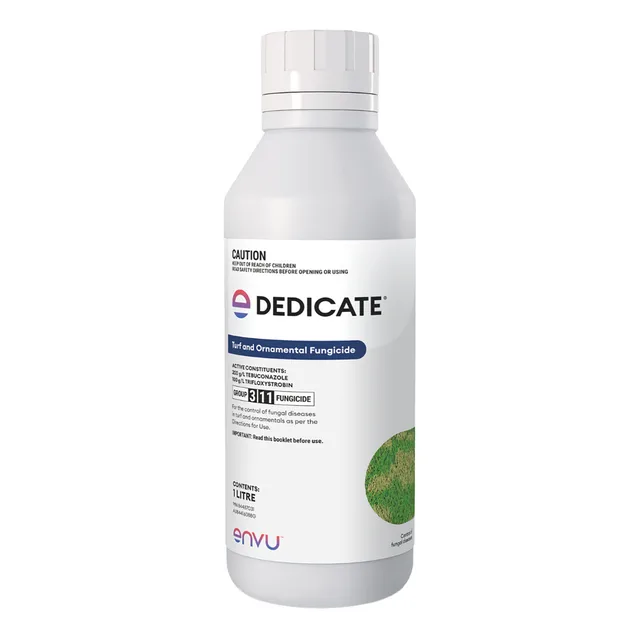
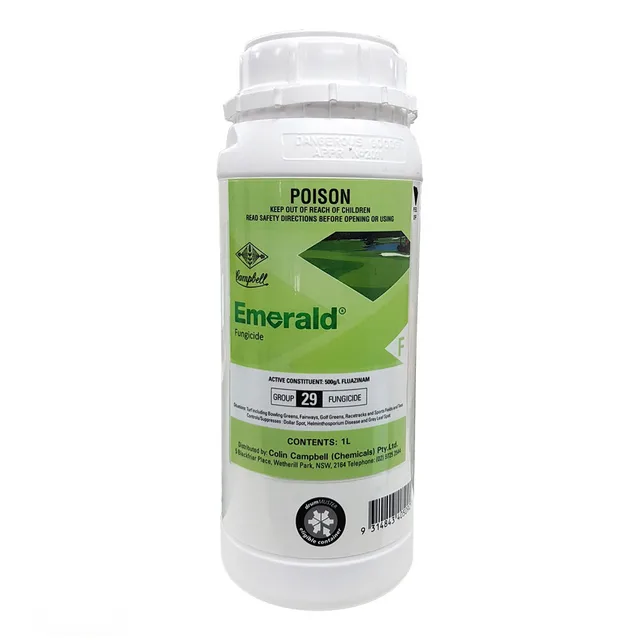
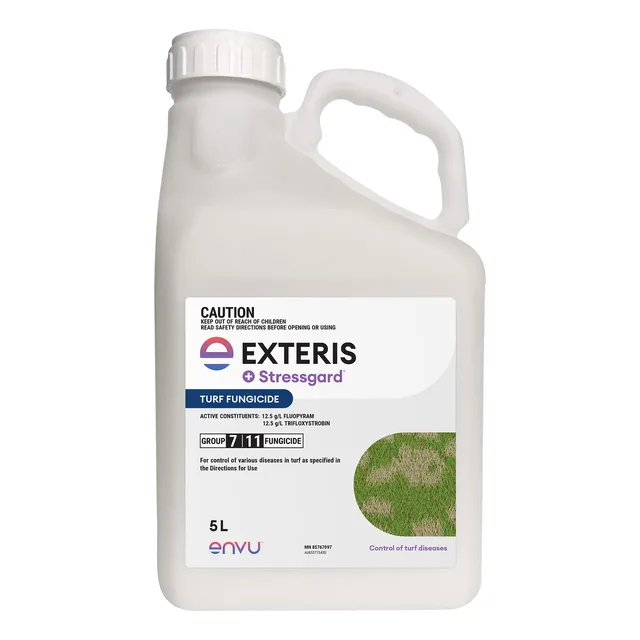
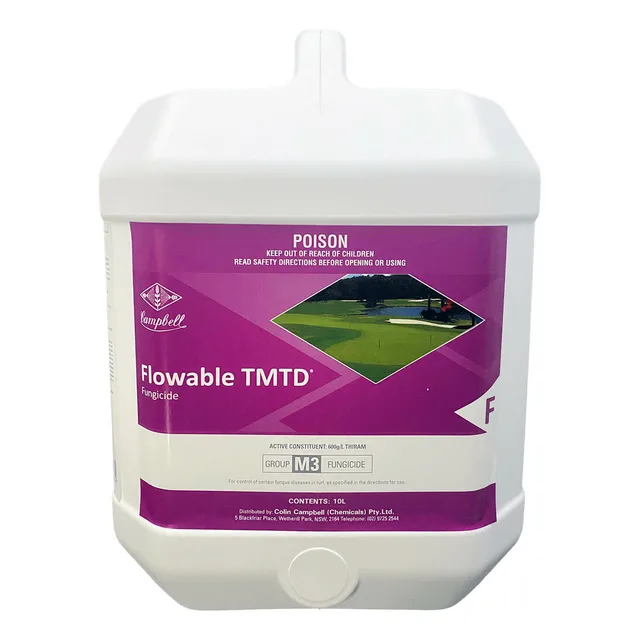
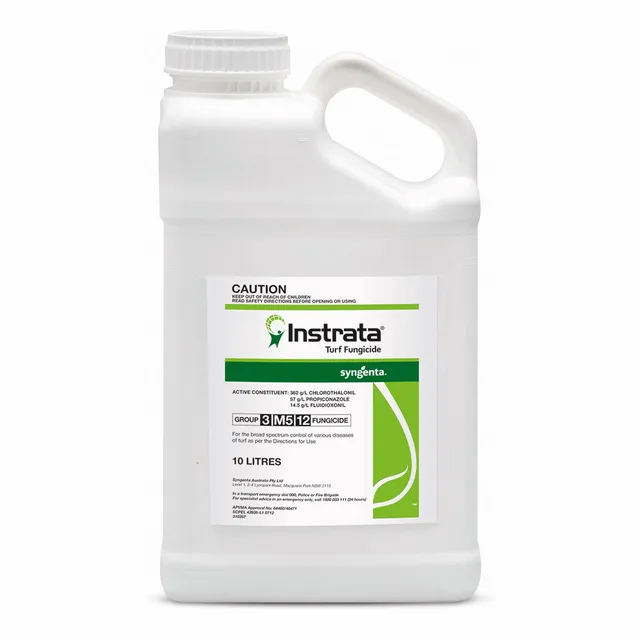
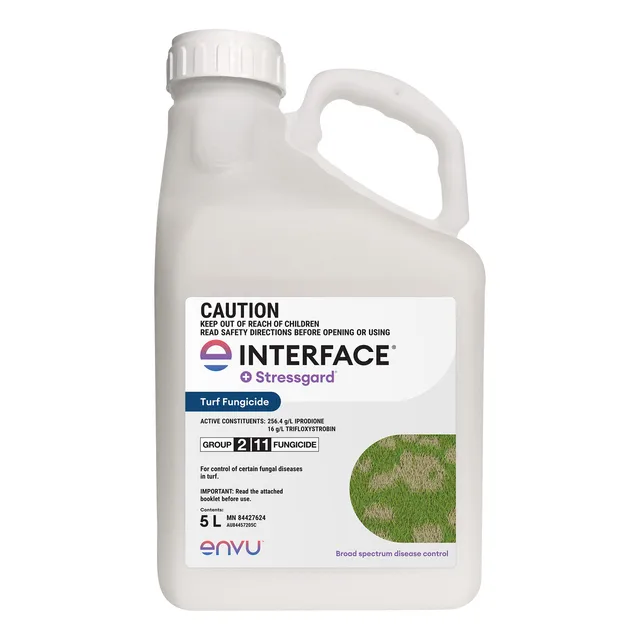
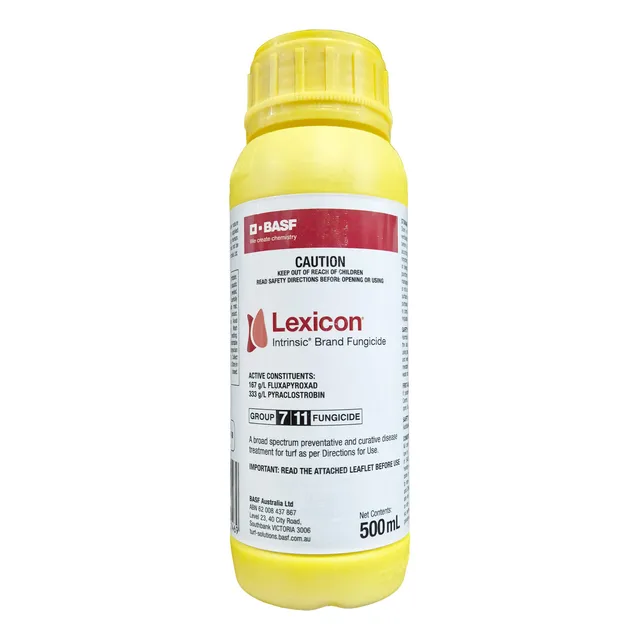
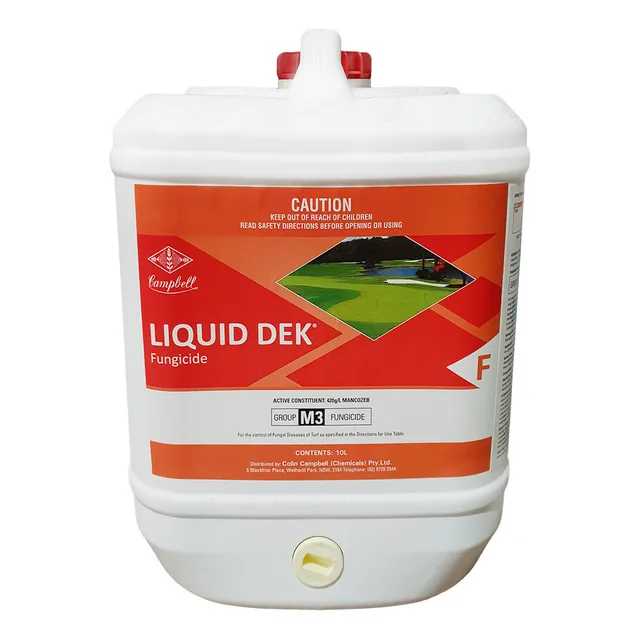
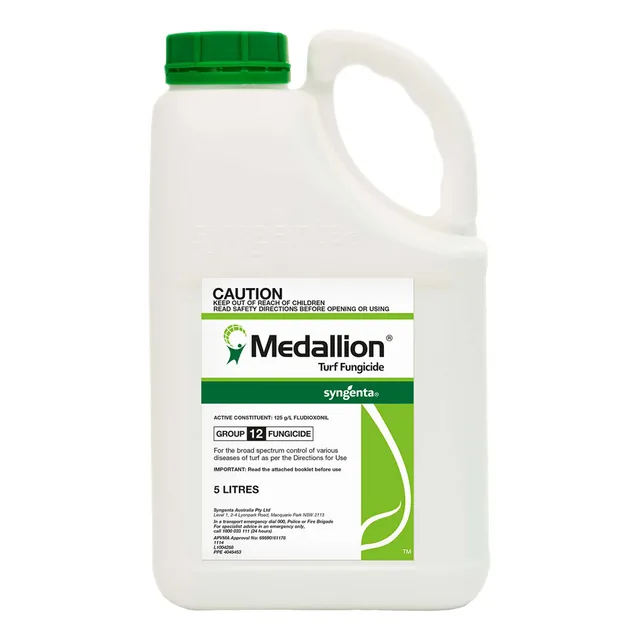
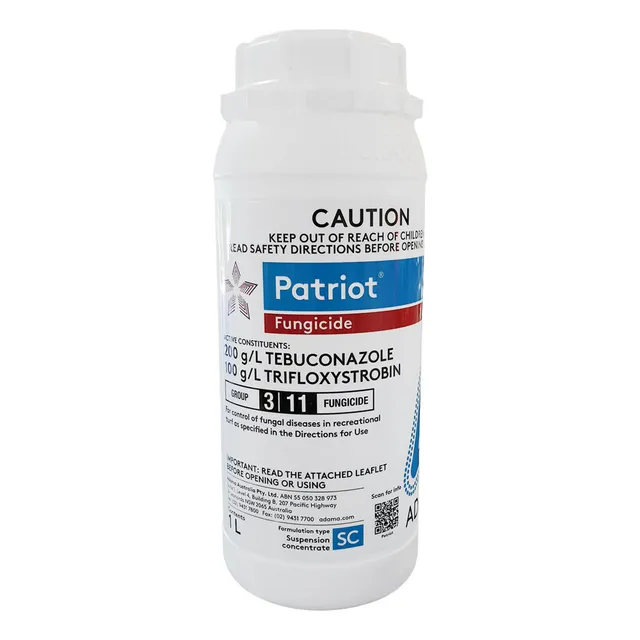
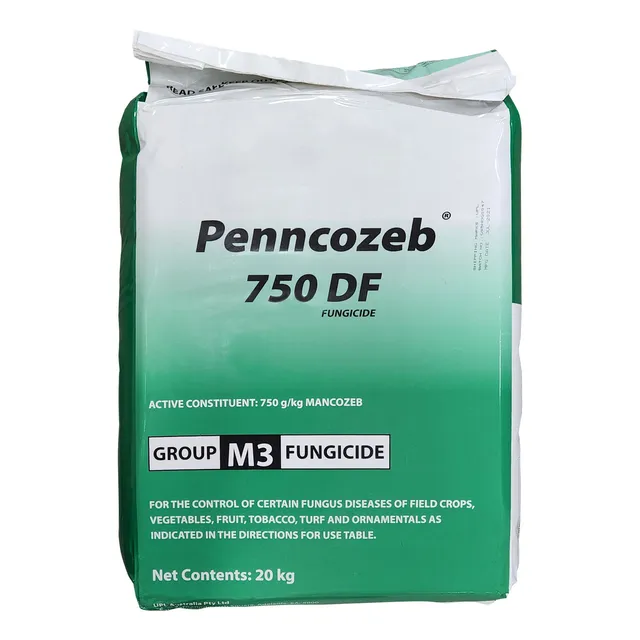
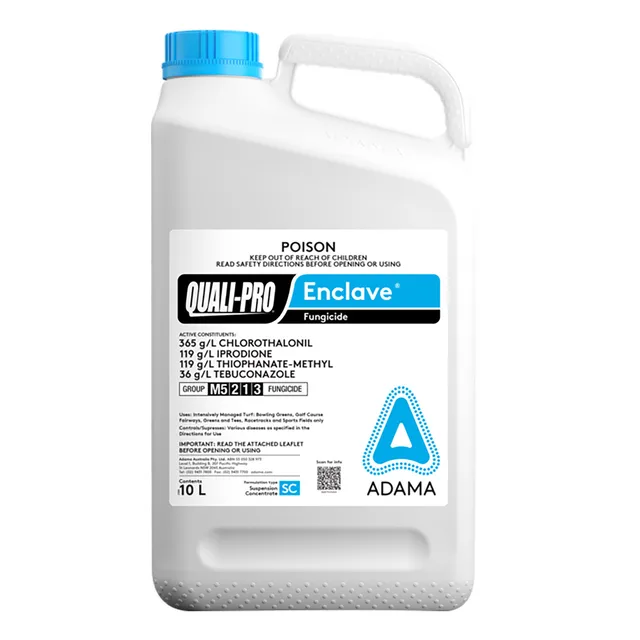
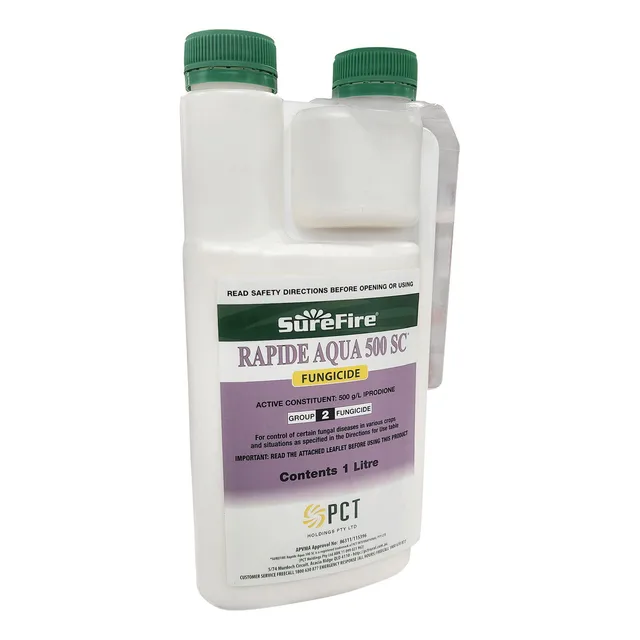
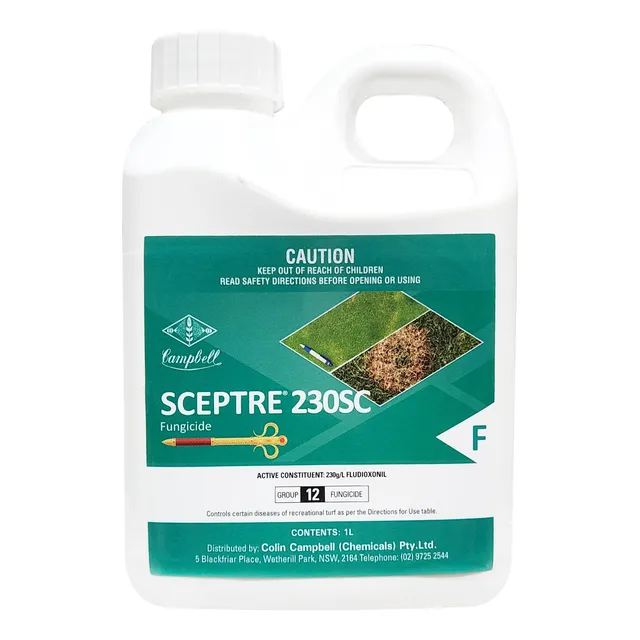
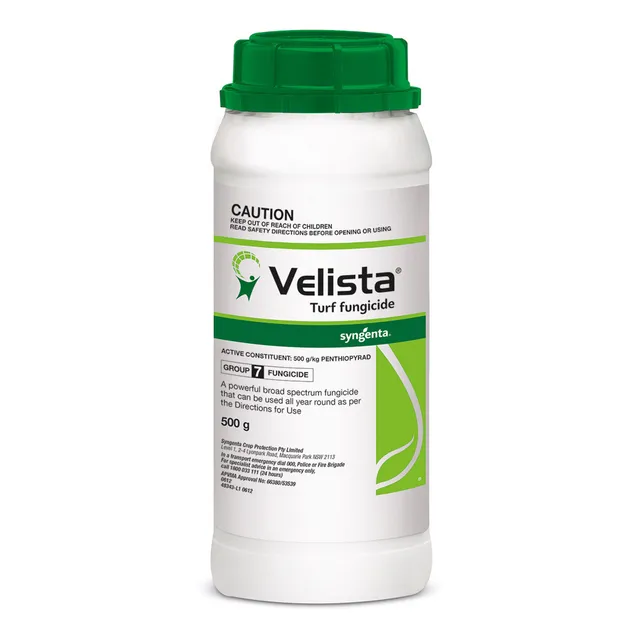
No products match those filters.