

Rhizoctonia Rot
Rhizoctonia spp.
Rhizoctonia Rot is a soil-borne fungal disease causing brown patch in lawns and damping off, stem and root rot in seedlings and vegetables.
Rhizoctonia is a soil-inhabiting fungus that survives between seasons as tough, dark brown to black resting bodies called sclerotia, and as fine strands of mycelium in soil, thatch and plant debris. In humid, warm conditions you may see a fine, cobweb-like grey to brown mycelium spreading across affected turf or over the soil surface early in the morning while leaves are still wet, though this is often gone by midday. On vegetable and ornamental seedlings, the fungus produces a reddish-brown, sunken lesion at the soil line that girdles and collapses the stem.
This fungus doesn't produce airborne spores in the way many other fungal diseases do. Instead it spreads through direct contact between roots, through movement of infected soil, water, mowing equipment and infected plant material, and via sclerotia that can persist in soil for years waiting for the right conditions.
In Australian conditions, Rhizoctonia is most active during warm, humid weather, typically from late spring through to autumn, with outbreaks often following periods of high overnight humidity, poor air movement and extended leaf wetness. It affects a very wide host range, from lawns (where it's commonly known as brown patch) to strawberries, potatoes, beans, lettuce and many ornamental seedlings, making it one of the most common and widespread soil fungi in home gardens across the country.
Management relies on reducing the conditions that favour the fungus rather than eliminating it entirely, since it's a normal part of most garden soils. This means improving drainage and air circulation, avoiding overwatering (especially late-afternoon or evening watering that leaves foliage wet overnight), not over-fertilising with nitrogen which produces soft, susceptible growth, avoiding mowing turf too low or too frequently during outbreaks, and practising crop rotation and good sanitation in vegetable beds to reduce sclerotia build-up.
How to identify
- Lawns (brown patch): roughly circular patches of brown, dead or thinning turf, from a few centimetres to over a metre across, sometimes with a darker, greasy-looking or smoke-coloured ring at the outer edge, especially visible in early morning dew.
- Seedlings and vegetables: a sunken, reddish-brown lesion girdling the stem at soil level, causing sudden collapse (damping off) in young seedlings, or a firm brown rot at the base of stems, roots or fruit touching the soil in older plants.
- Field check: pull back affected turf or dig up a wilting seedling and look closely at the crown and root zone for fine, web-like fungal threads (mycelium) or small, dark, irregular sclerotia the size of a pinhead sitting on or in the tissue; these are usually visible without magnification in humid weather.
- Lookalikes: Brown patch in lawns can resemble dollar spot, but dollar spot patches are usually smaller (coin-sized), have a bleached straw colour, and lack the smoky ring; it can also be confused with drought stress or grub damage, so check for fungal threads or grubs in the thatch before treating as a disease.
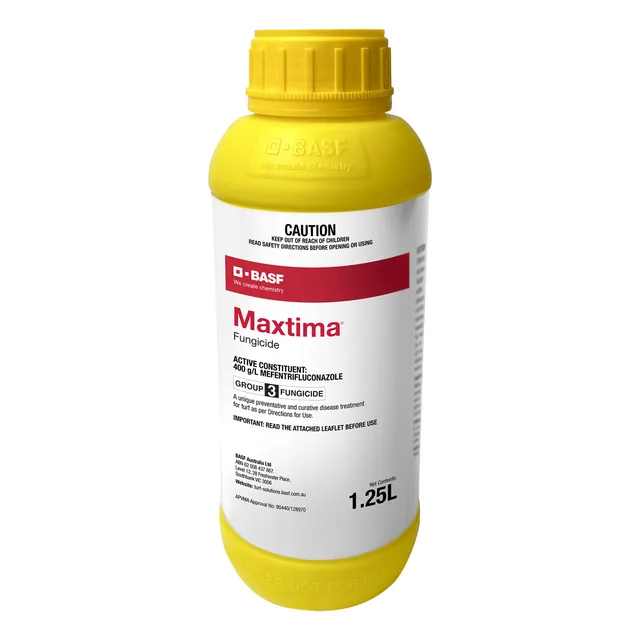
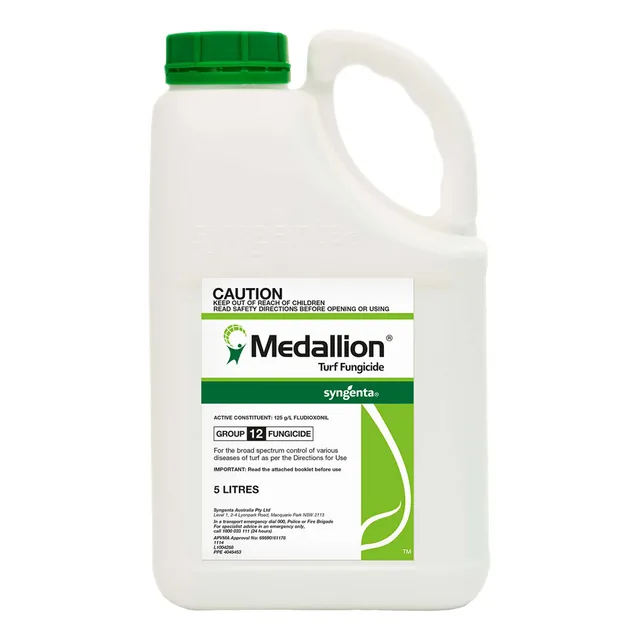
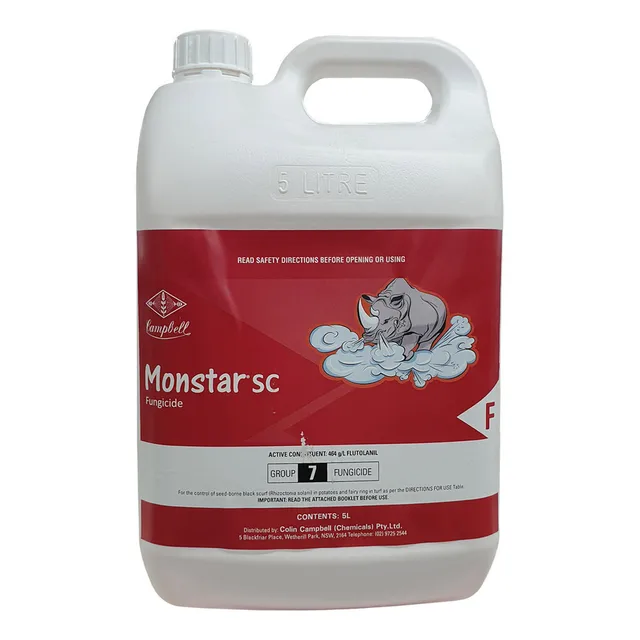
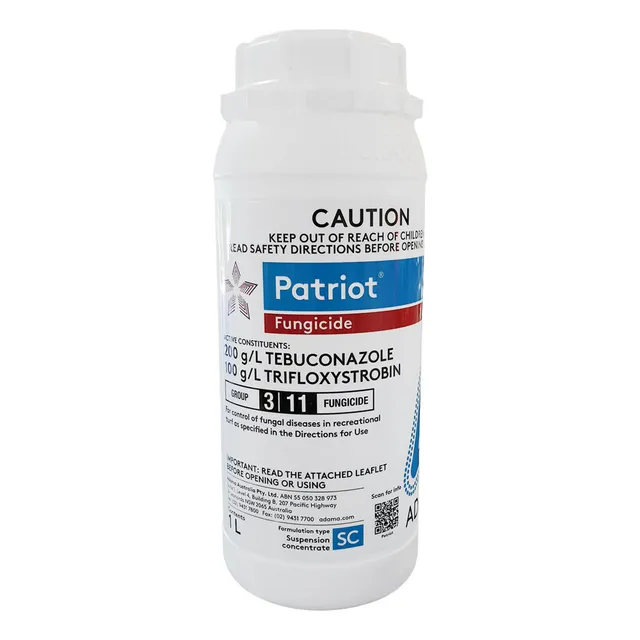
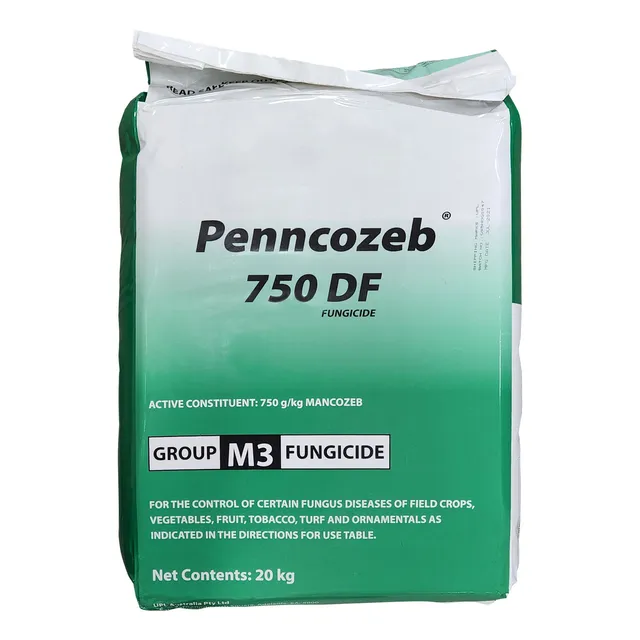
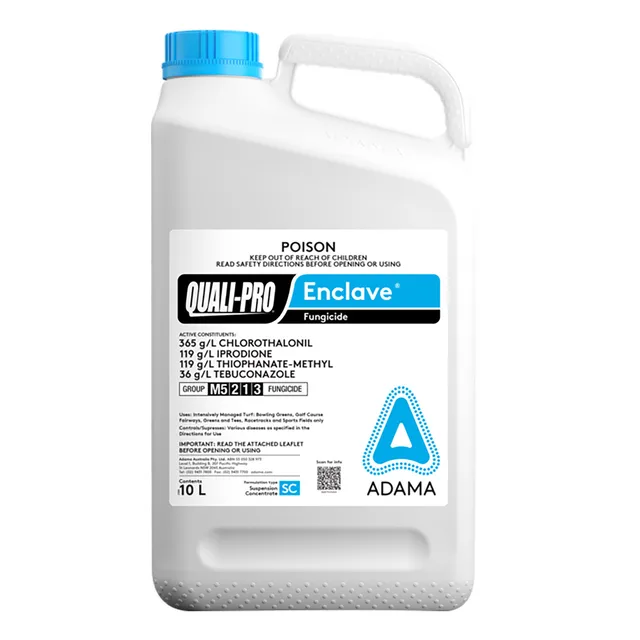
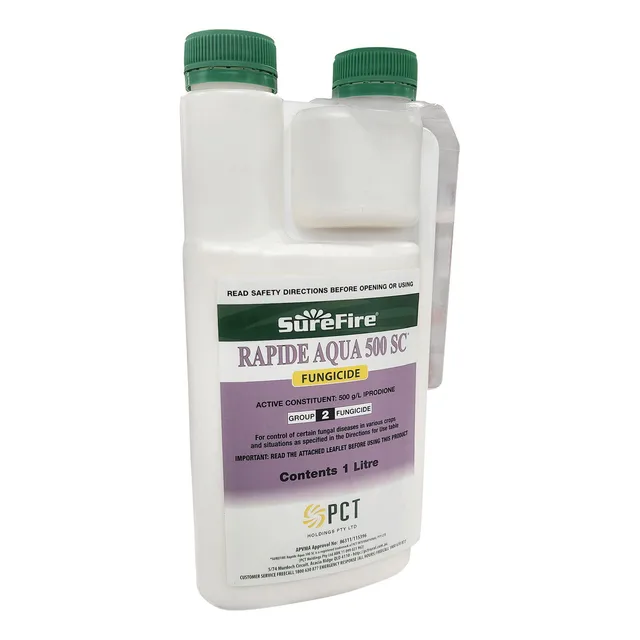
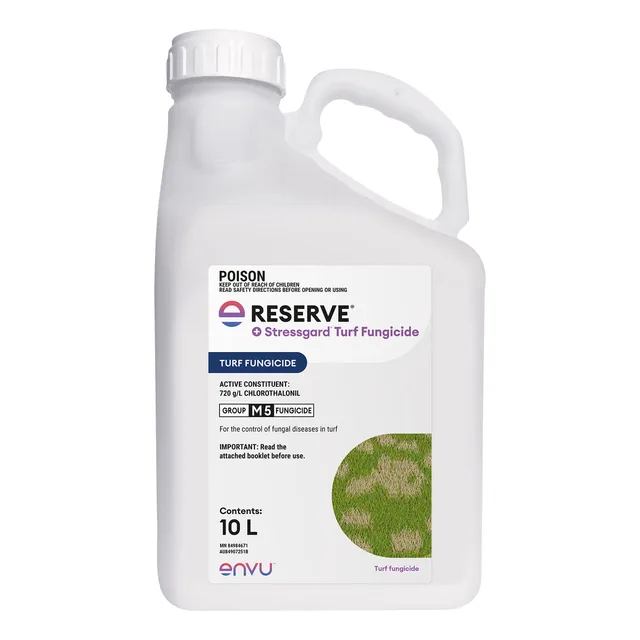
Registered products we stock
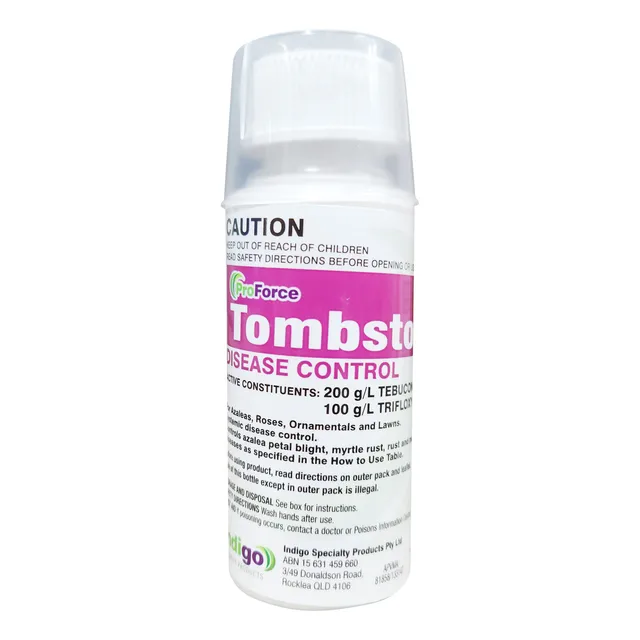
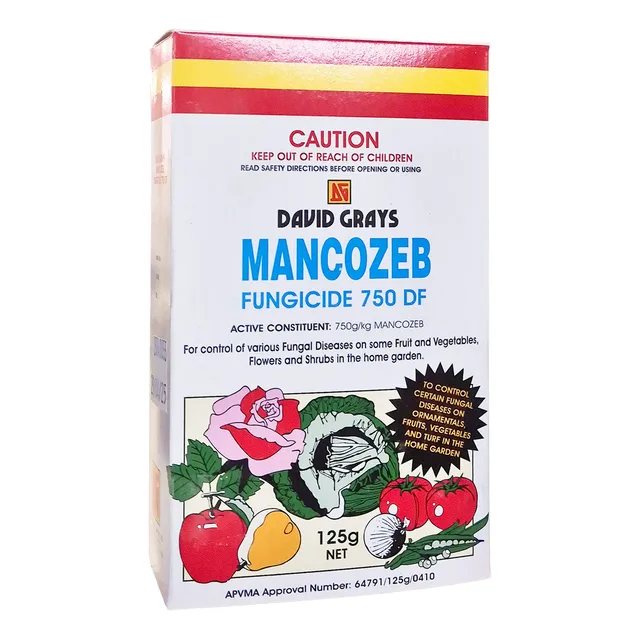
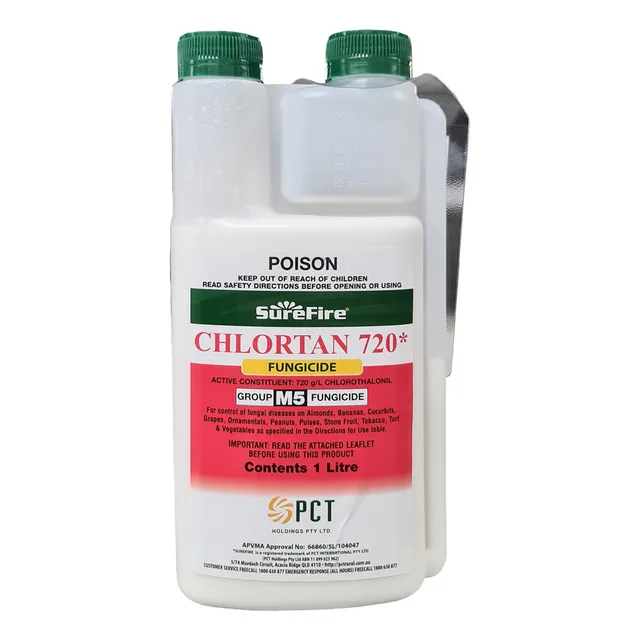
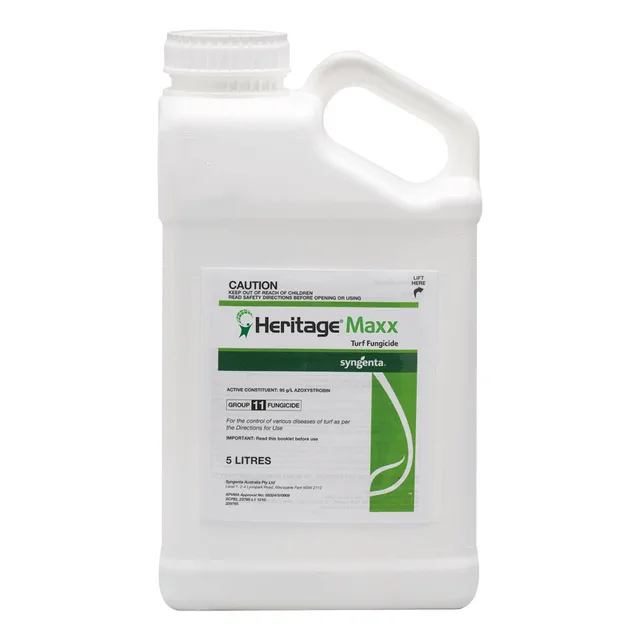
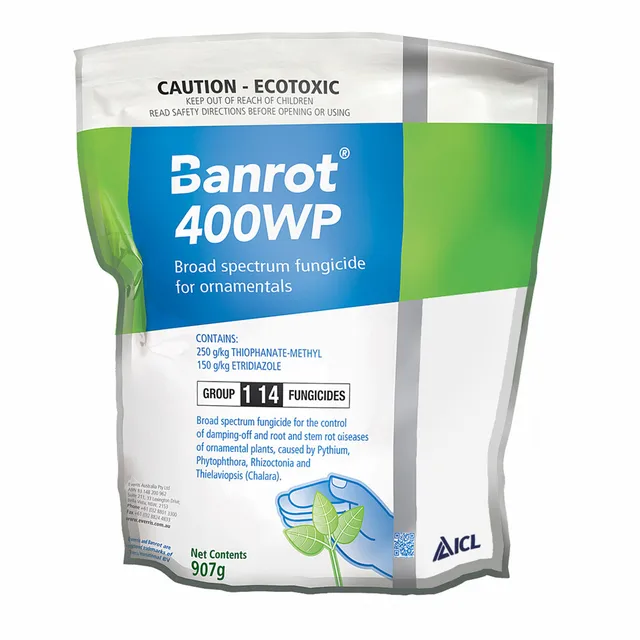
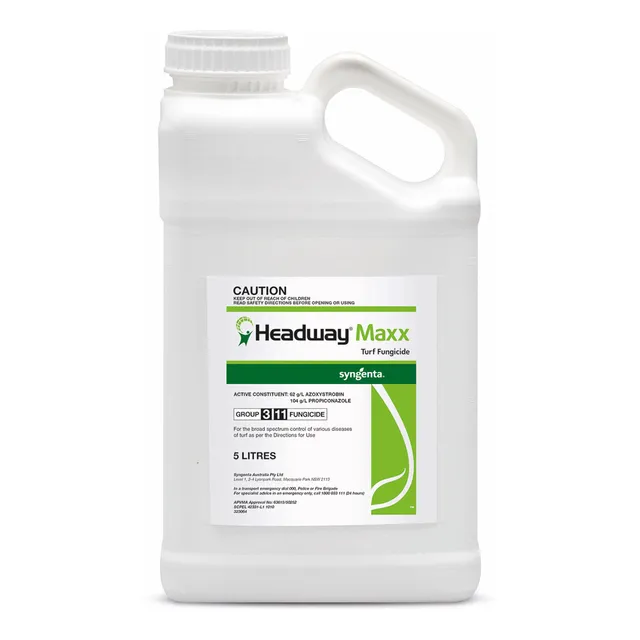
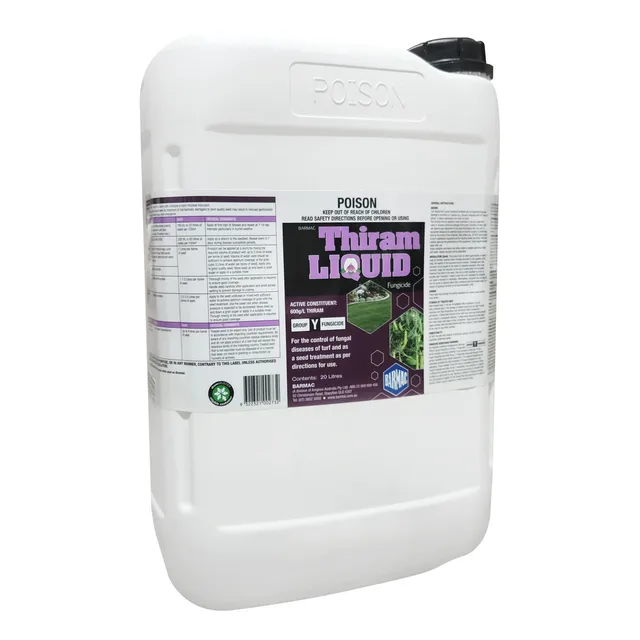
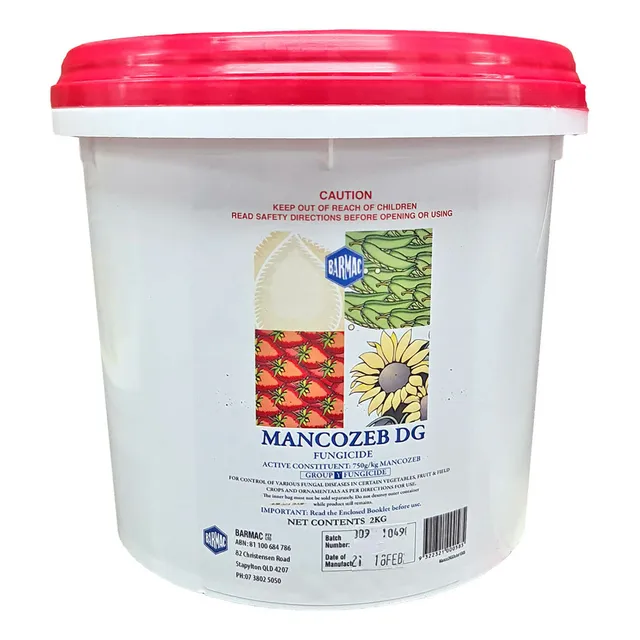
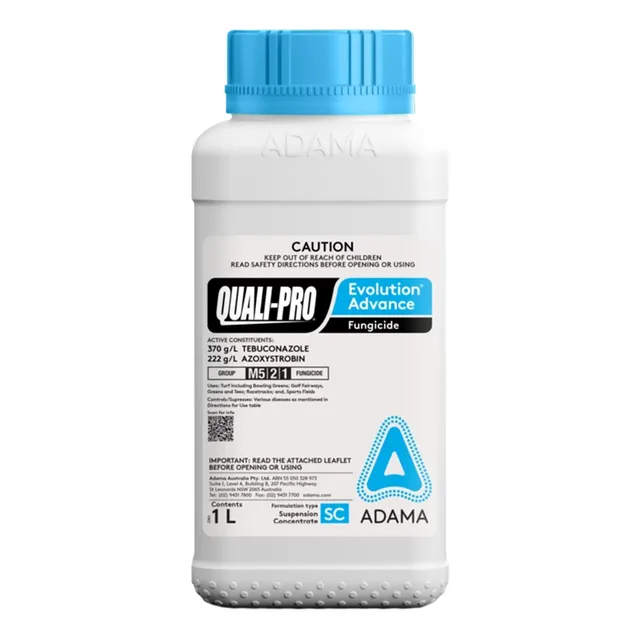
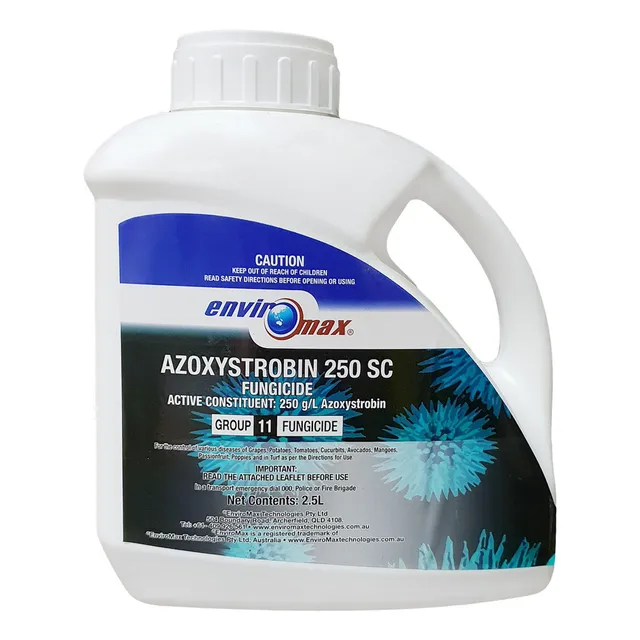
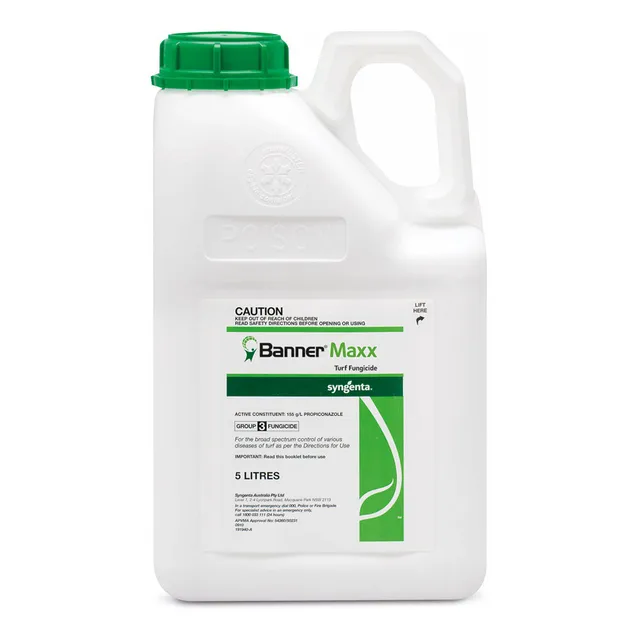
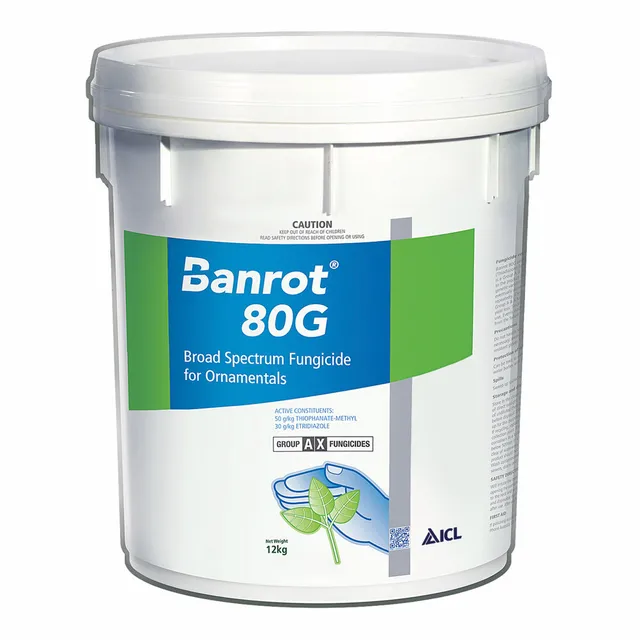
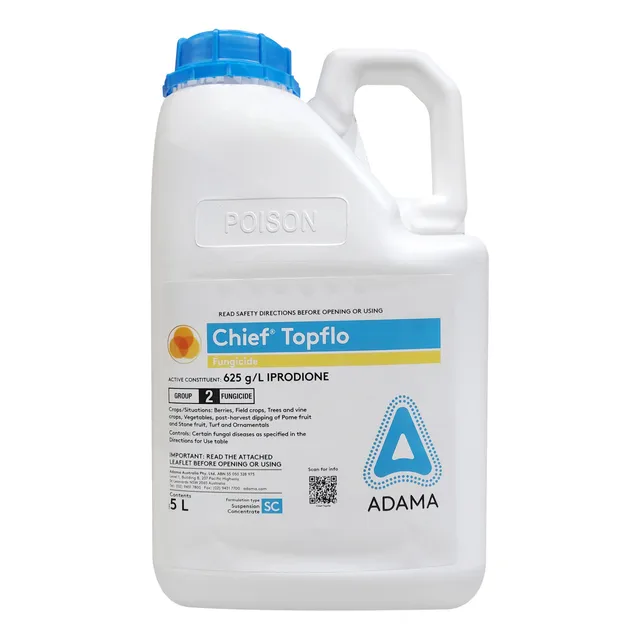
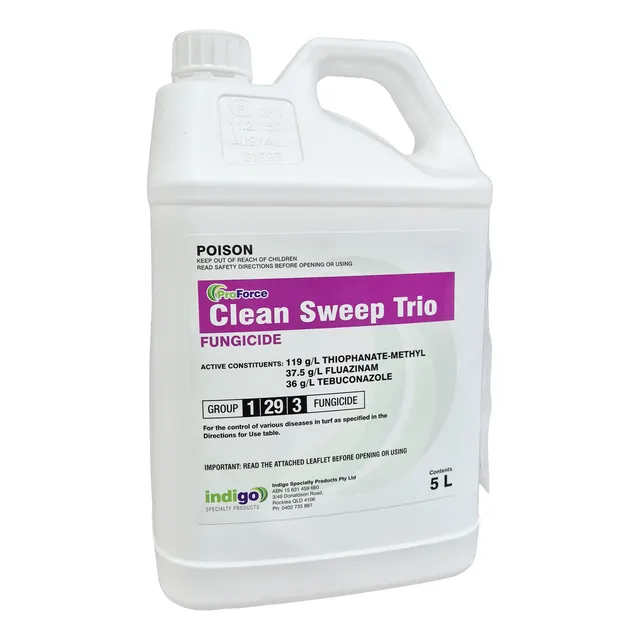
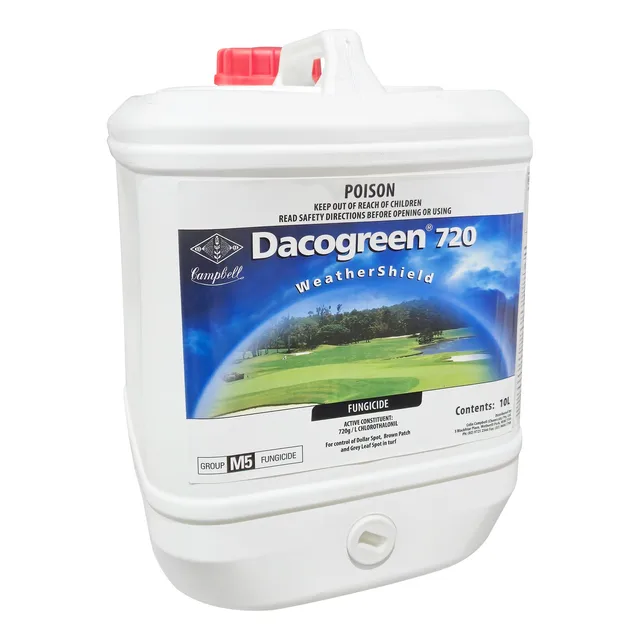
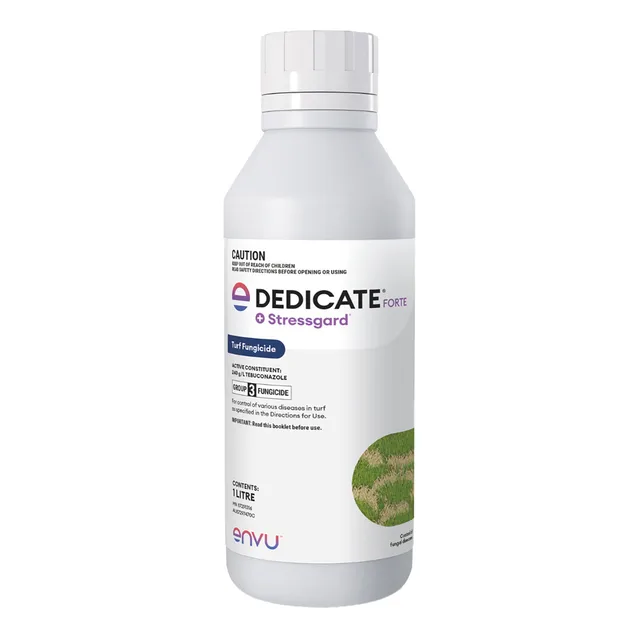
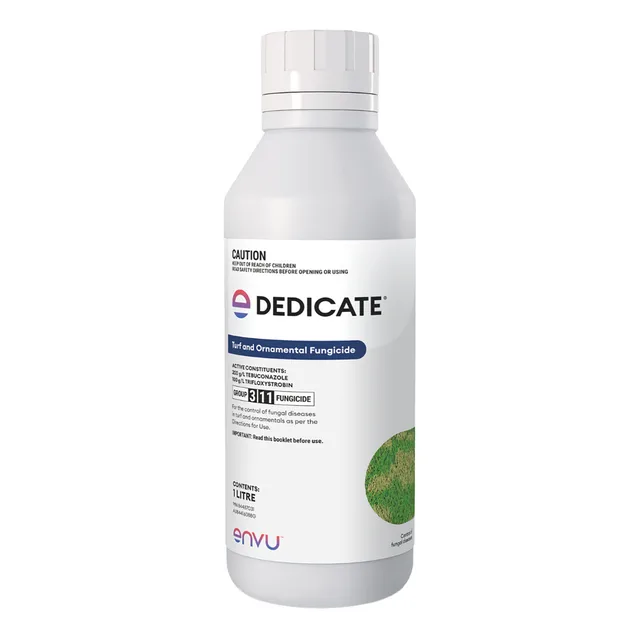
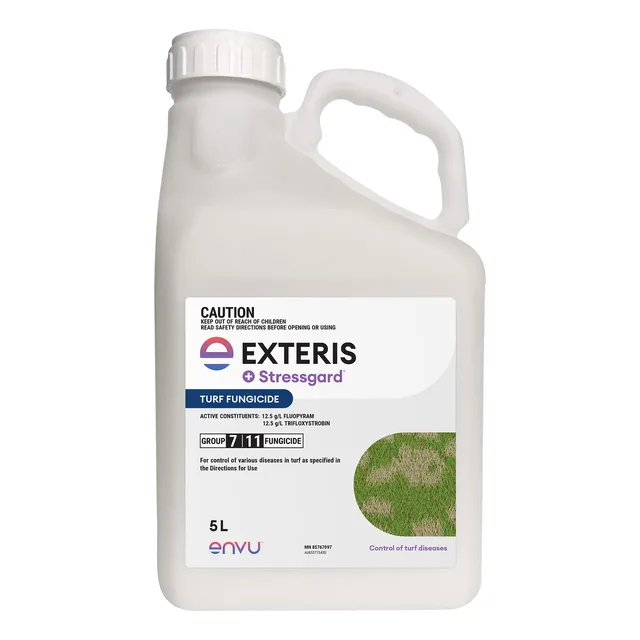
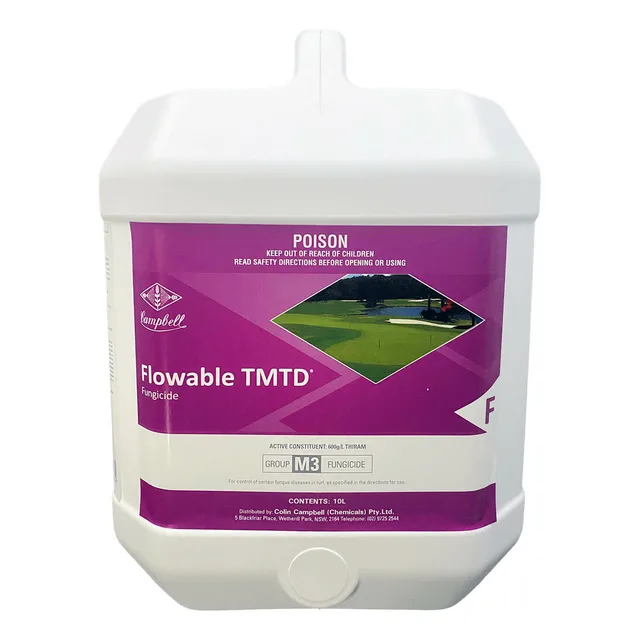
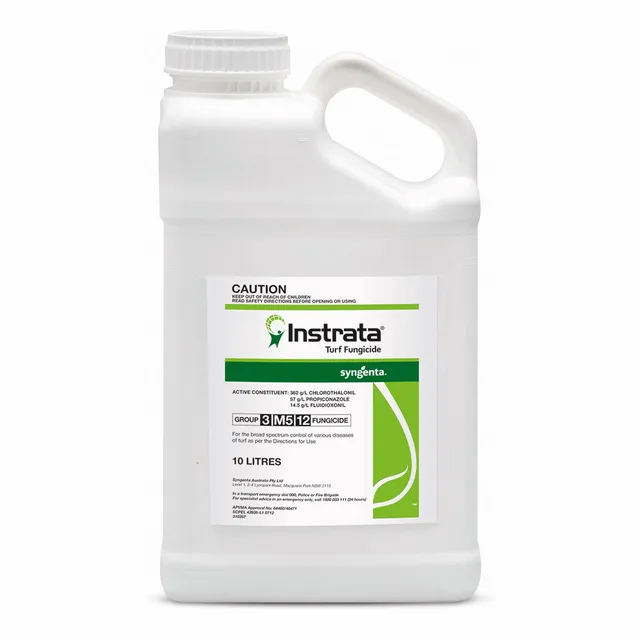
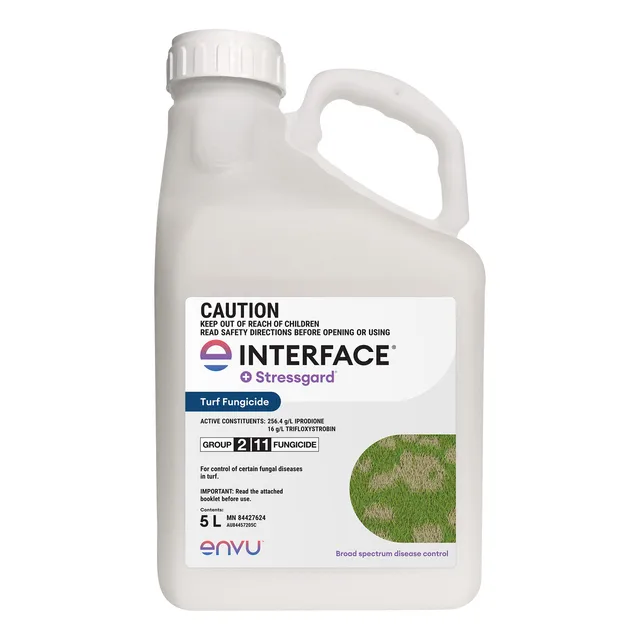
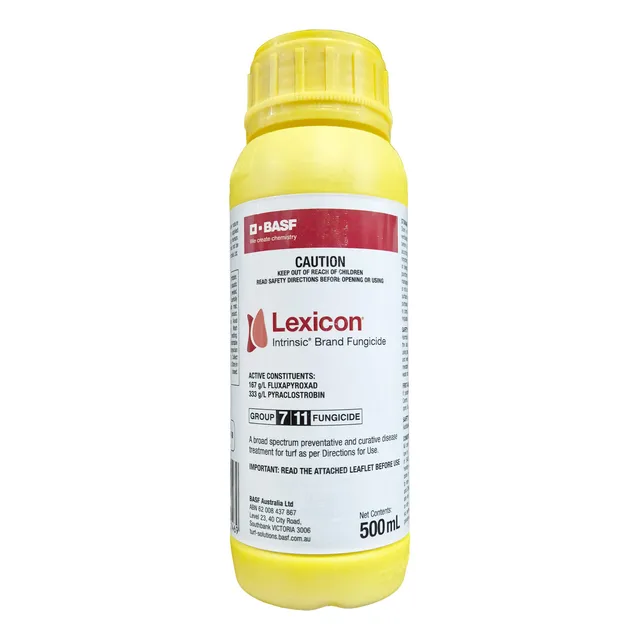
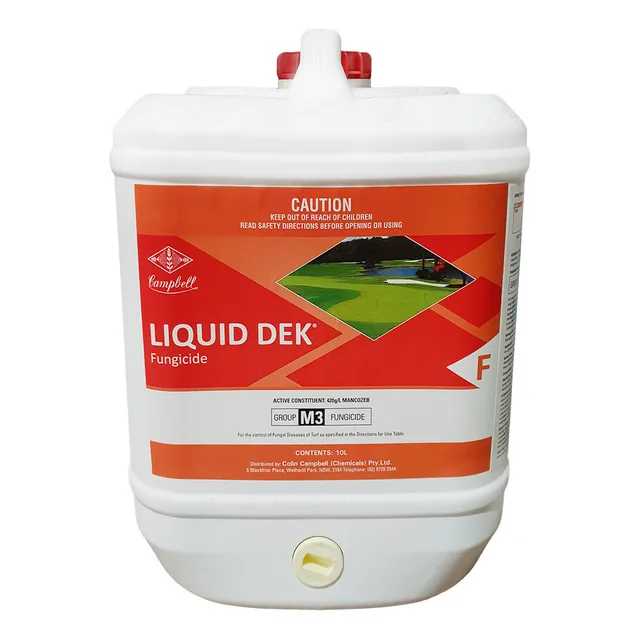
No products match those filters.