

Leaf Spot and Leaf Blotch
Leaf spot and leaf blotch describe a large group of fungal and bacterial diseases causing spots on leaves of lawns, vegetables, fruit and ornamentals.
Leaf spot and leaf blotch are not a single disease but a broad group of symptoms caused by many different fungi (such as Alternaria, Cercospora, Septoria and Ascochyta species) and some bacteria (such as Pseudomonas and Xanthomonas species). Each pathogen tends to favour particular host plants, so the disease found on tomatoes, roses, turf or stone fruit is usually caused by a different organism, even though the visible symptoms look similar.
On the leaf surface, fungal leaf spots typically appear as small, roughly circular lesions, often brown, tan or grey with a darker margin, sometimes surrounded by a yellow halo. As the disease develops, spots may merge into larger irregular blotches, and tiny black or dark specks (fruiting bodies) can sometimes be seen within older lesions with a hand lens. Bacterial leaf spots tend to look more water-soaked at first, with angular or irregular margins that follow the leaf veins, and lesions may ooze slightly in humid weather. In turf, leaf spot appears as small purple-brown to straw-coloured spots on individual grass blades, which can expand and cause thinning or dieback of patches when severe.
These diseases occur throughout Australia and are most active during periods of extended leaf wetness — humid, warm weather in spring and autumn for many fungal leaf spots, and warm wet conditions for bacterial spots. Spores or bacteria spread by wind, splashing rain or irrigation water, and by contaminated tools, hands or plant material. Infection is worse where plants are crowded, poorly ventilated, or where leaves stay wet for long periods overnight.
Management relies on reducing leaf wetness and pathogen build-up rather than any single fix. This includes watering early in the day at the base of the plant rather than overhead, spacing plants for airflow, removing and disposing of fallen or infected leaves and debris, avoiding working among wet plants, and practising crop rotation in vegetable gardens. In lawns, raising mowing height, improving drainage, avoiding excess nitrogen, and not mowing when the turf is wet all help reduce spread. Resistant or tolerant varieties are available for many crops and turf species and are worth choosing where leaf spot is a recurring problem.
How to identify
- Small circular to irregular spots on leaves, ranging from tan, brown or grey to almost black, often with a darker border or yellow halo
- Spots may enlarge and merge into larger blotches, causing yellowing, leaf curling, premature leaf drop or dieback of affected foliage
- In turf, small purple-brown to straw-coloured spots on individual grass blades, sometimes with a darker border, leading to thinning or patchy dead areas when severe
- Bacterial spots often look water-soaked, angular and vein-limited compared with the rounder margins of most fungal spots, and may ooze in humid conditions
- Check older lesions with a hand lens for tiny black or dark fruiting bodies, which confirm a fungal cause
- Peel back or part turf to check whether spotting is confined to the leaf blade (leaf spot) rather than affecting the crown or roots, which would point to a different disease such as a root or crown rot
- Distinguish from nutrient deficiency or sunscorch (physiological leaf spotting), which tends to be more uniform across the plant, lacks fruiting bodies, and does not spread to healthy leaves over time
- Distinguish from pest damage such as mite stippling or thrips scarring, which shows fine speckling or silvering rather than defined spots, and no fungal or bacterial lesions under magnification
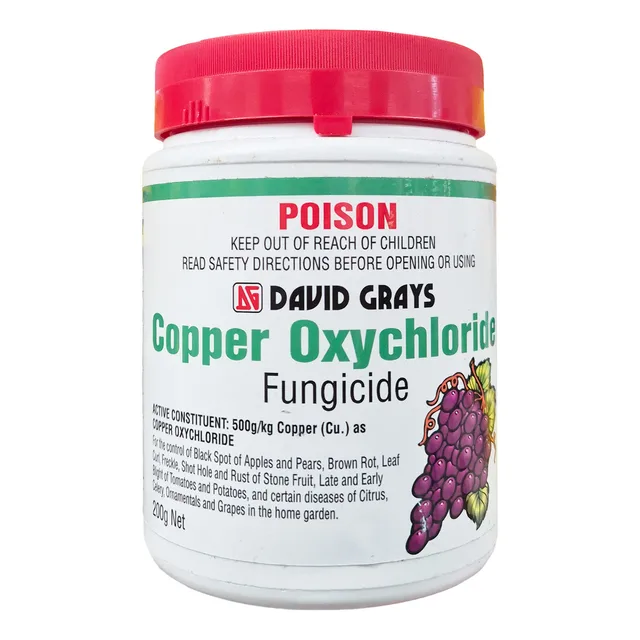
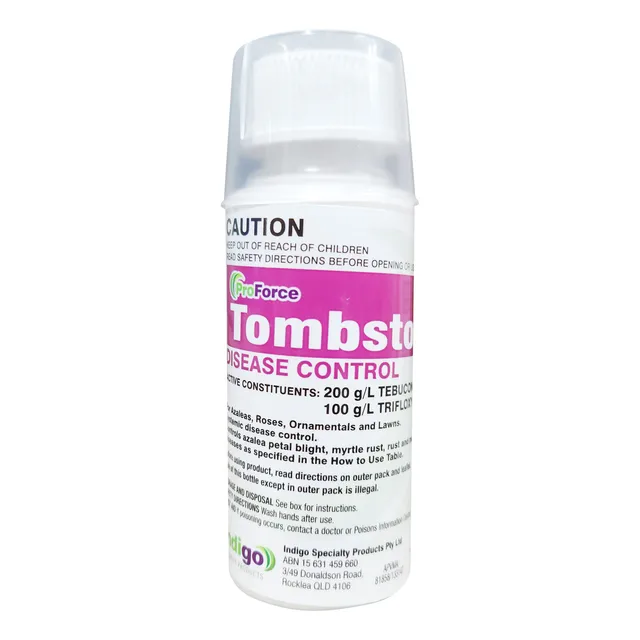
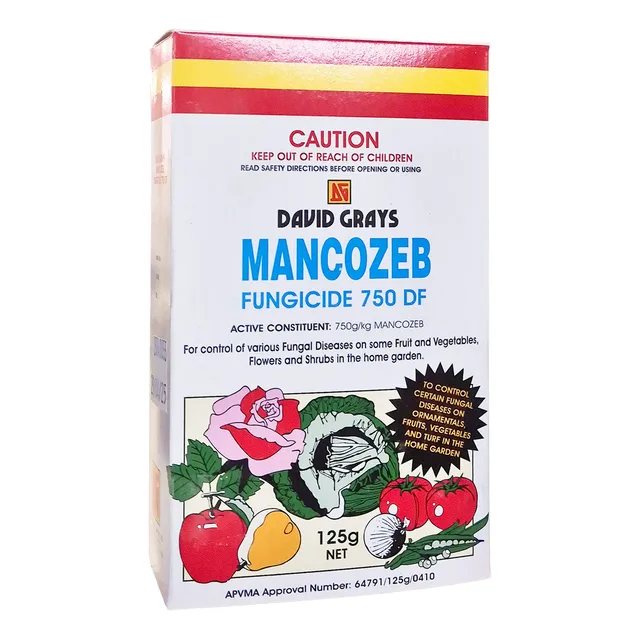
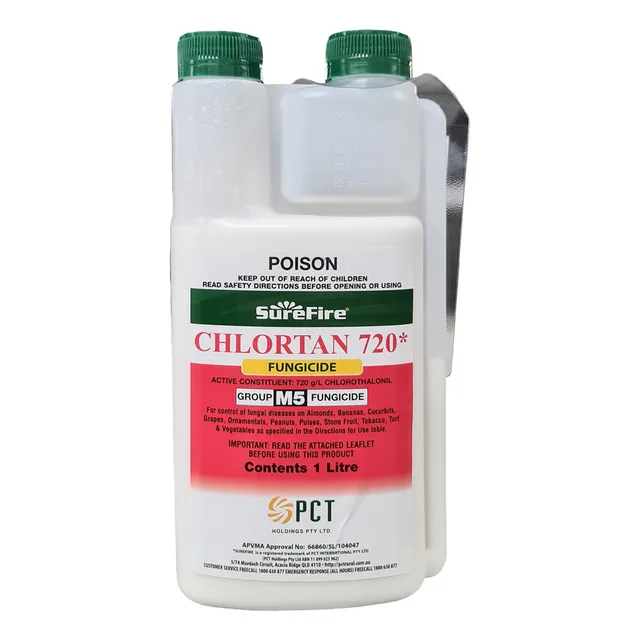
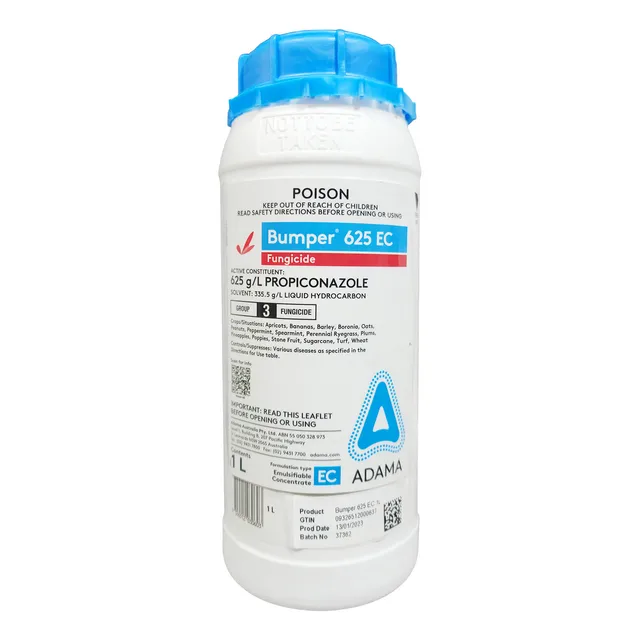
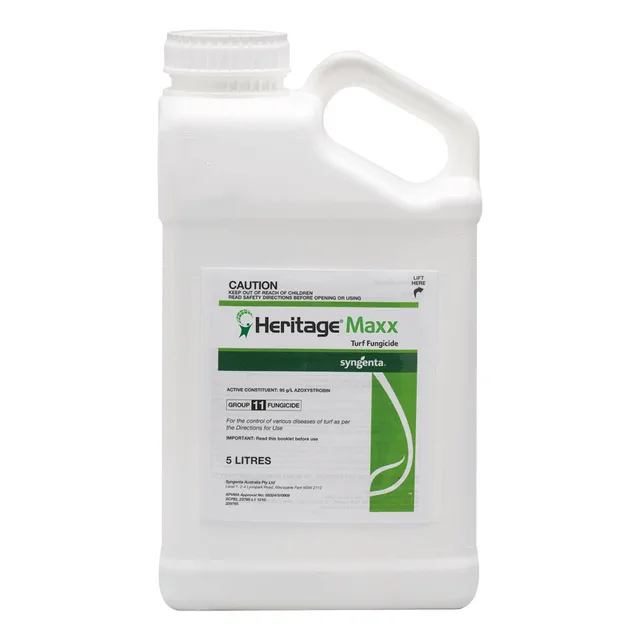
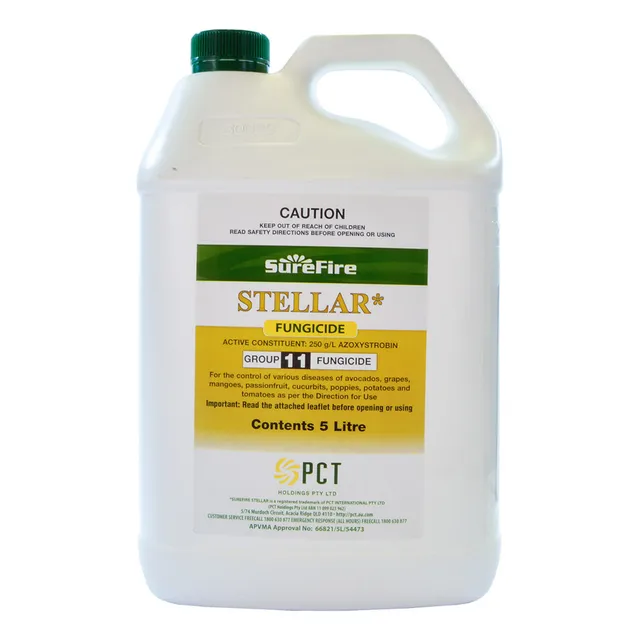
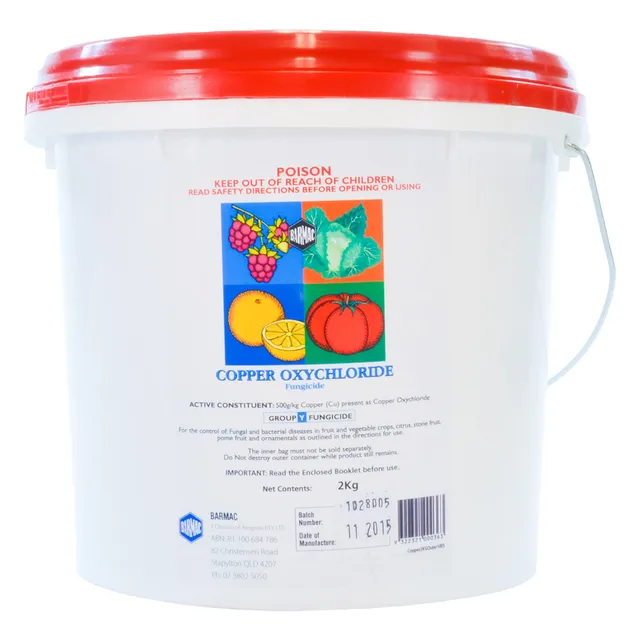
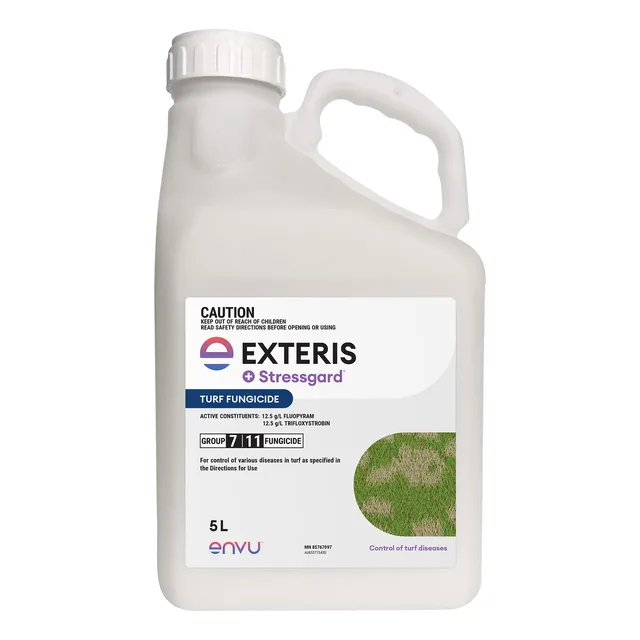
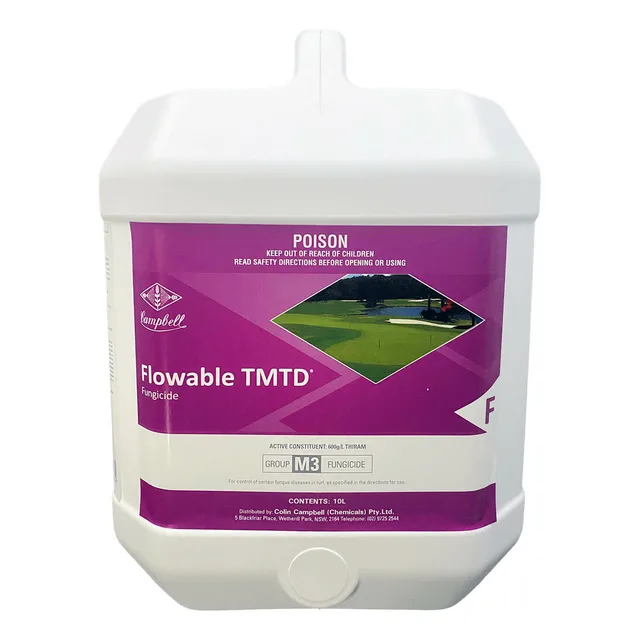
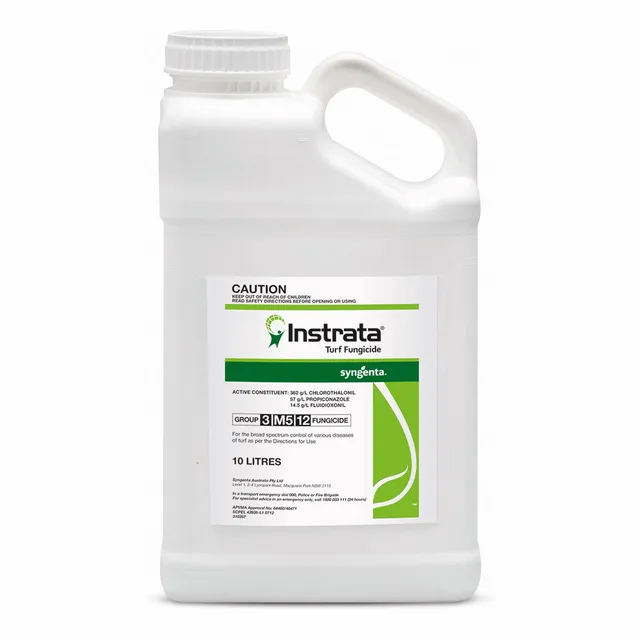
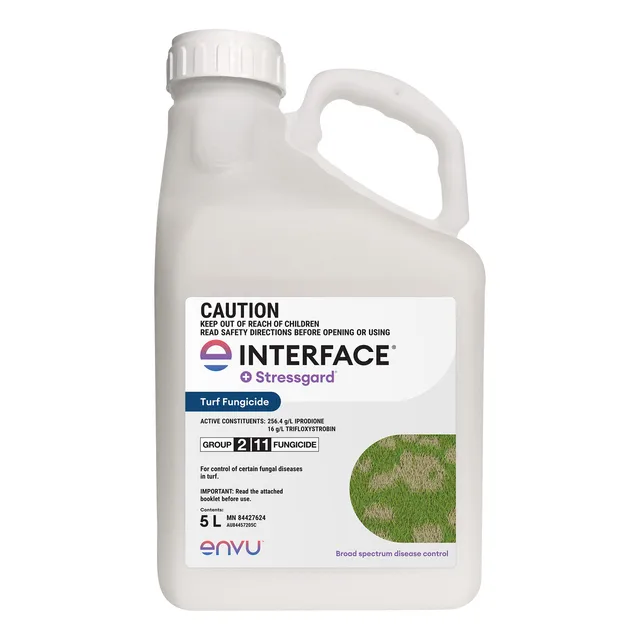
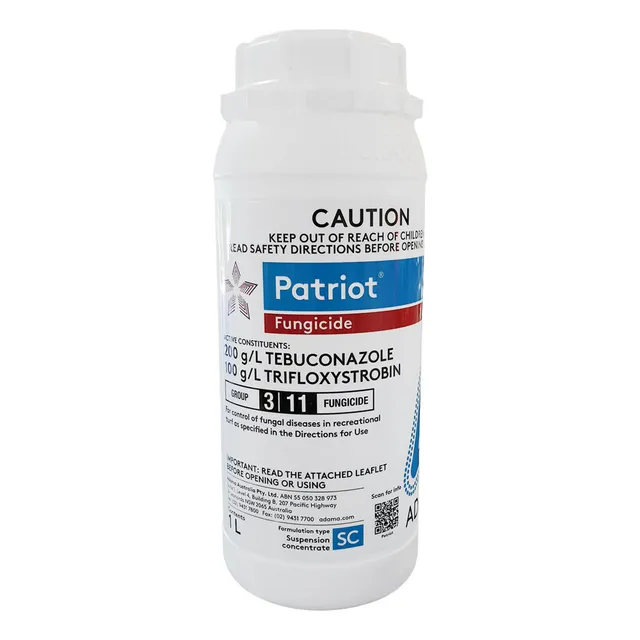
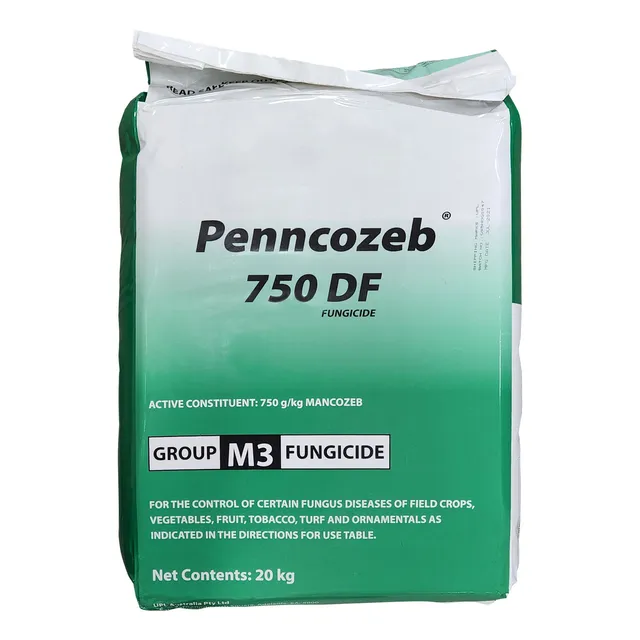
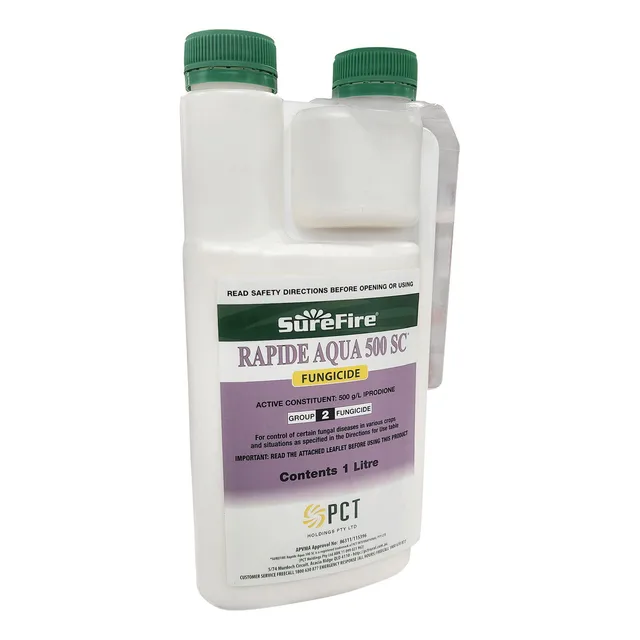
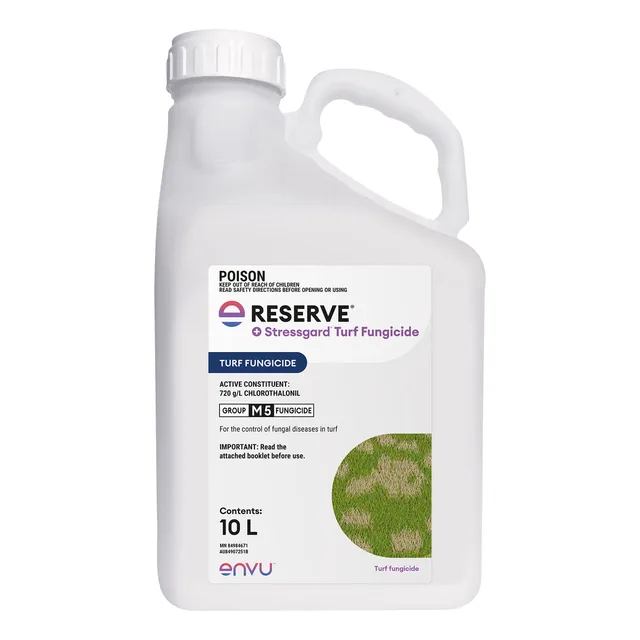
Registered products we stock
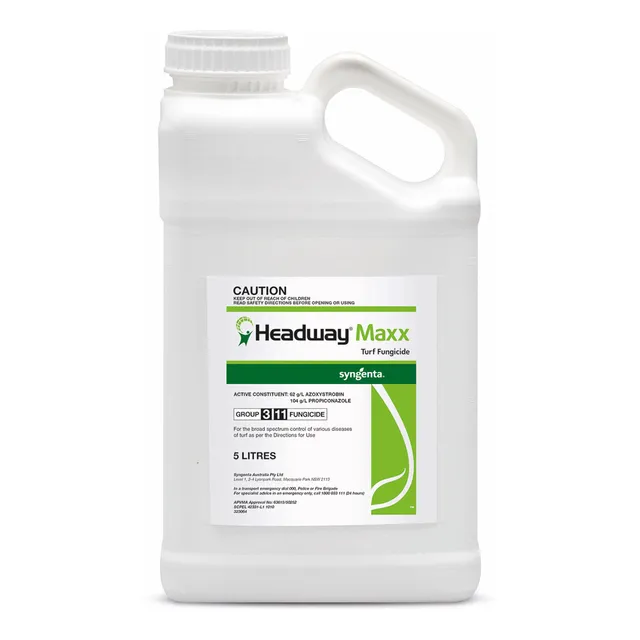
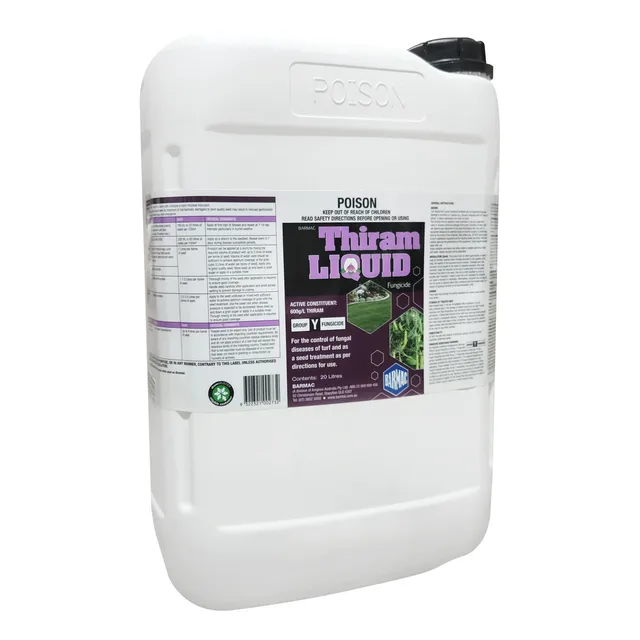
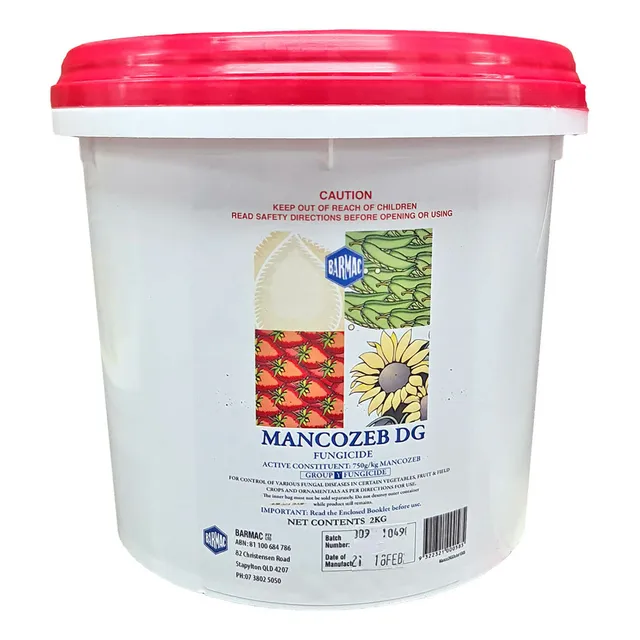
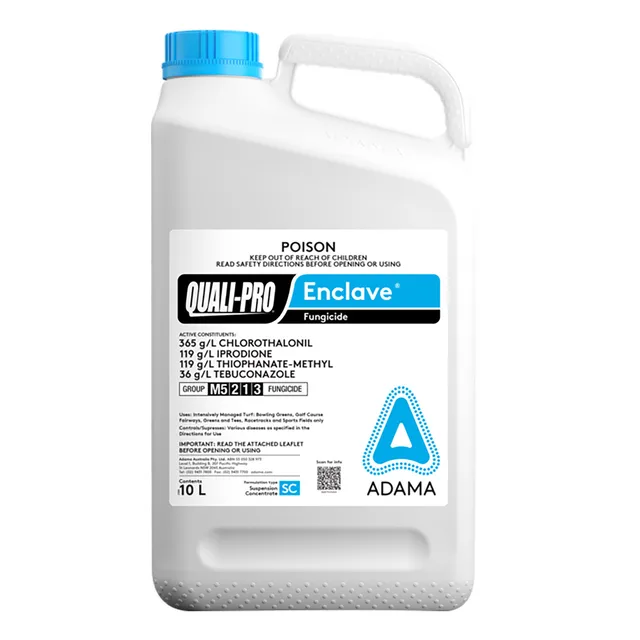
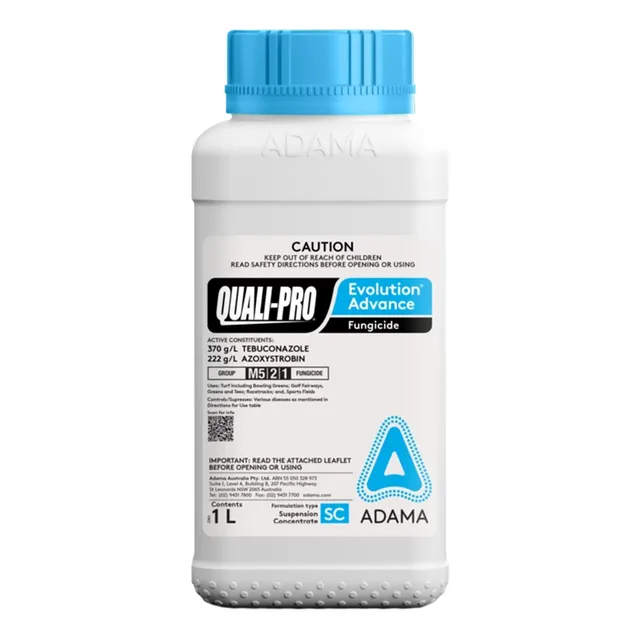
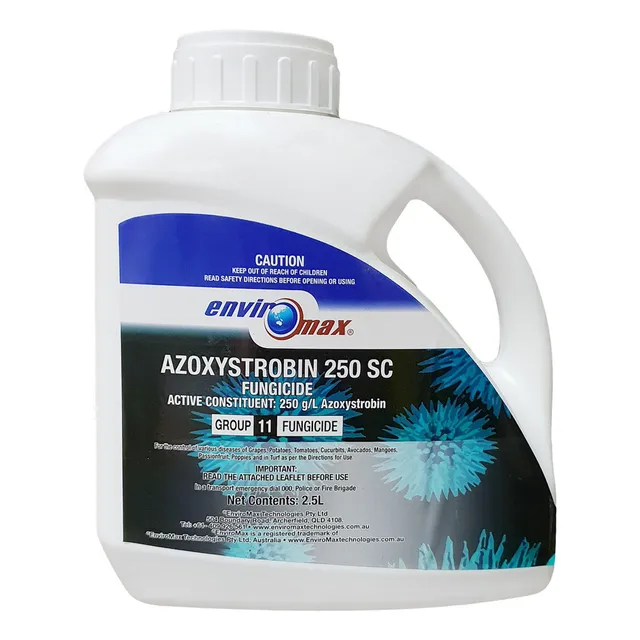
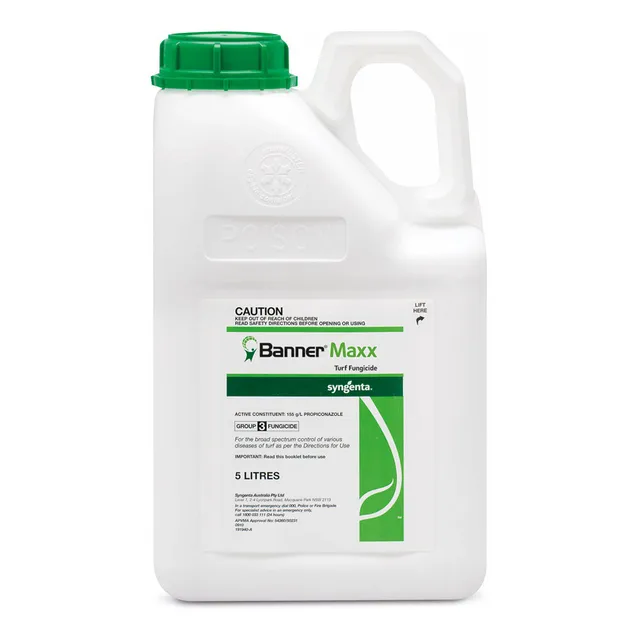
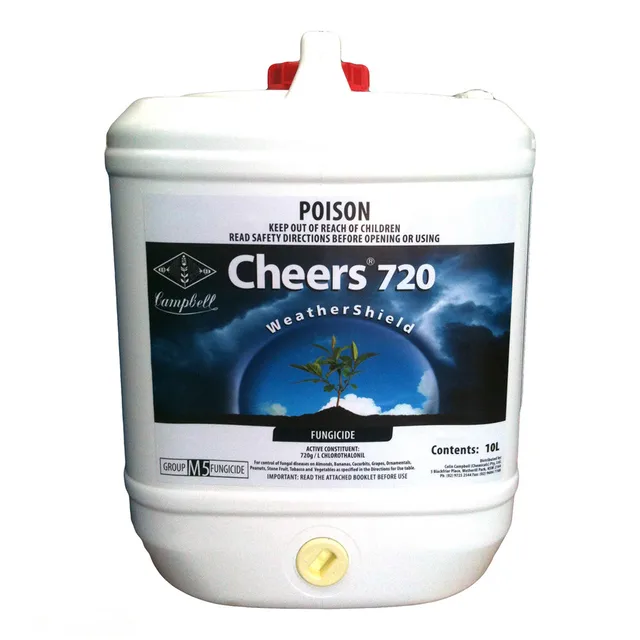
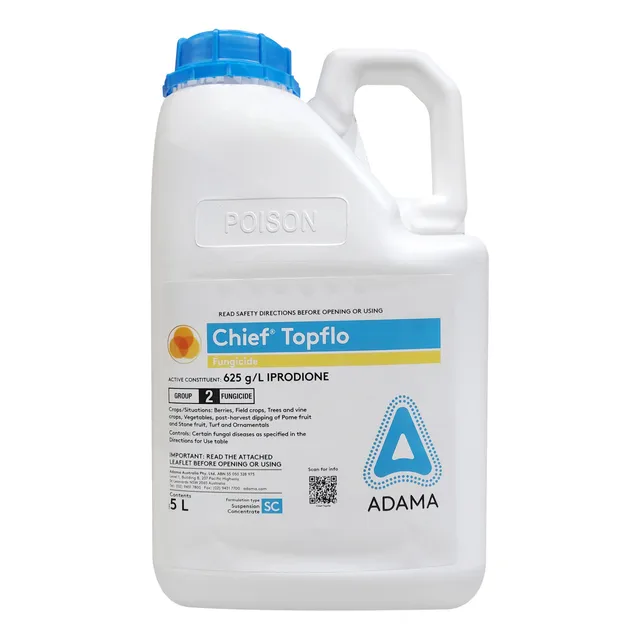
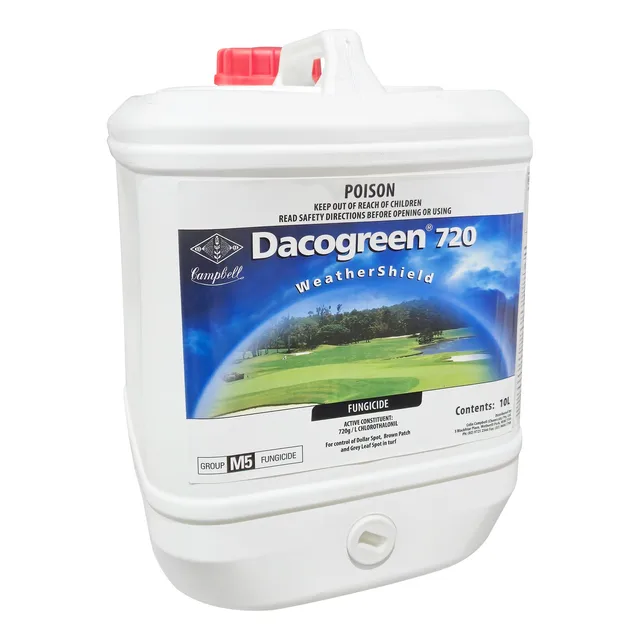

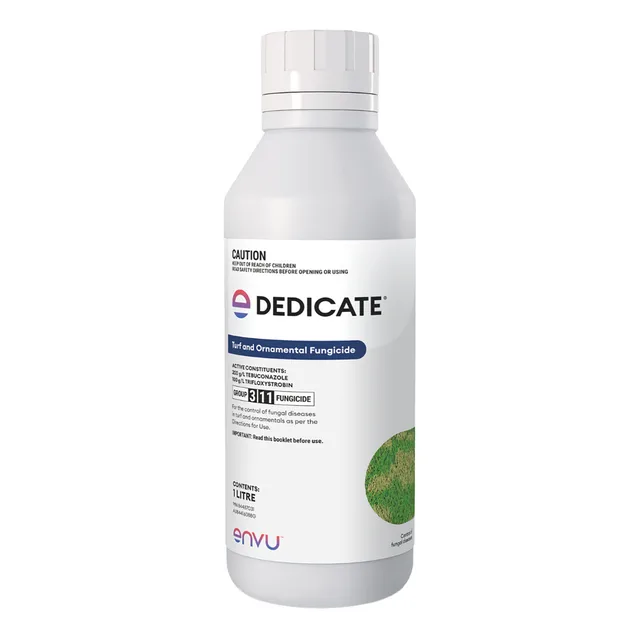
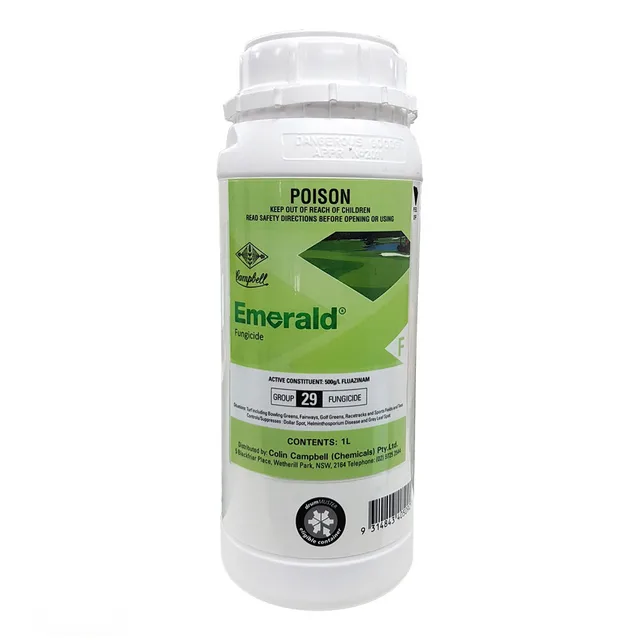
No products match those filters.