

Natural Gypsum Clay Breaker
Struggling with hard, compacted clay soil that turns to concrete in summer and a sticky mess in winter? Water pooling on the surface, plants failing to thrive, roots unable to push through? You're not alone, heavy clay soil is one of the most common garden frustrations, and standard fertilisers won't fix it.
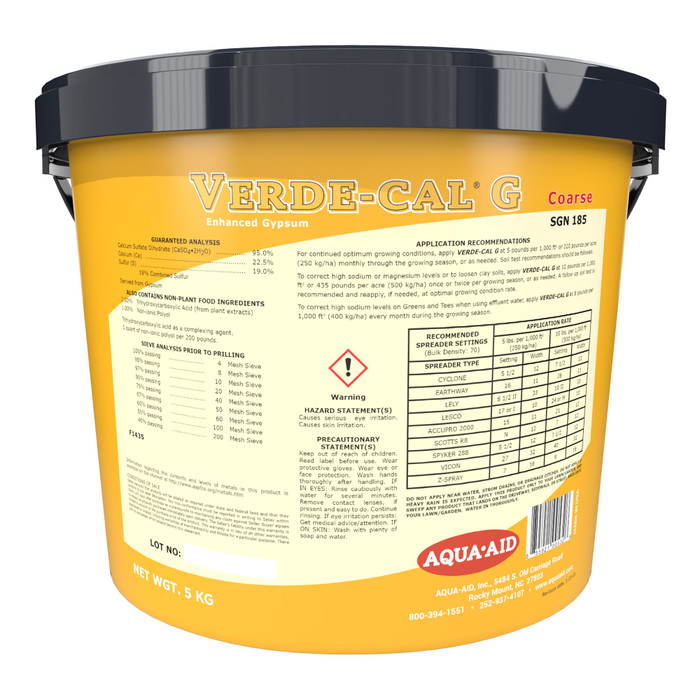
Natural Gypsum is the solution. A soft, naturally occurring mineral mined right here in Queensland, gypsum works by breaking apart tight clay particles so water, air, and roots can finally move through your soil. The result is healthier plants, better drainage, and a garden that actually responds to your effort.
Unlike lime, Natural Gypsum won't change your soil pH, so it's safe to use across vegie patches, lawns, garden beds, and around established plants. It's also a quick source of calcium and sulphur, two nutrients your plants need for strong, healthy growth.
Why gardeners love Natural Gypsum
- Breaks up heavy clay soil so water and roots can penetrate
- Improves drainage and reduces waterlogging after rain
- Boosts water retention in dry conditions
- Feeds your plants with calcium and sulphur for healthy growth
- pH neutral, safe to use anywhere in the garden
- 100% natural, Australian mined and processed in Queensland
- Won't burn plants or damage roots
Where to use it
- Lawns: Aerate first, then spread evenly and water in for a healthier, deeper-rooted lawn
- Vegetable gardens: Work into the soil before planting to improve structure and supply calcium
- Garden beds: Mix through the topsoil when preparing new beds or renovating tired ones
- Around trees and shrubs: Sprinkle around the drip line and water in
- New turf preparation: Apply before laying new turf for stronger establishment
How to apply
Garden beds and vegie patches: Spread 200 to 500g per square metre and work into the top 10cm of soil. Water in well.
Lawns: Aerate the lawn first if possible, then spread 1 to 2kg per square metre evenly across the surface. Water in thoroughly. Reapply annually for best results.
Heavy clay soils: For severely compacted soils, apply at the higher rate and repeat every 6 to 12 months until soil structure improves.
Typical analysis
| Property | Value |
|---|---|
| Calcium (Ca) | 18% |
| Sulphur (S) | 14% |
| Purity (CaSO4·2H2O) | 80.1% |
| pH (1:5 Water) | 7.7 (neutral) |
Frequently asked questions
Will gypsum change my soil pH?
No. Gypsum is pH neutral, so it won't make your soil more acidic or alkaline. If you need to raise soil pH, use garden lime instead.
How is gypsum different from lime?
Lime raises soil pH and adds calcium. Gypsum adds calcium and sulphur, breaks up clay, and leaves pH unchanged. Use lime for acidic soil, gypsum for clay soil.
How long does it take to work?
You'll often see improvements in drainage and soil workability within a few weeks, but the best results build up over months as the gypsum continues to work through the soil profile.
Is it safe around pets and kids?
Yes, Natural Gypsum is a safe, naturally occurring mineral. Wash hands after handling and water in after application as you would with any garden product.
Can I use it on my vegie patch?
Absolutely. Gypsum is ideal for vegetable gardens, supplying calcium that helps prevent issues like blossom end rot in tomatoes and capsicums.