

Wireweed
Polygonum aviculare
Wireweed is a wiry, mat-forming summer annual that invades thin lawns, paths and garden beds, especially in compacted soil.
Wireweed is a low-growing, sprawling annual with tough, wiry stems that radiate out from a central point, often forming dense mats up to a metre or more across. The stems are reddish-brown to green, jointed, and surrounded at each node by a thin papery sheath (stipule), which is a key identifying feature of the knotweed family. Leaves are small, narrow to oval, blue-green to grey-green, and alternate along the stem.
Tiny flowers appear in the leaf axils from late spring through summer and into autumn. They are inconspicuous, greenish-white to pink, and give way to small, hard, three-sided brown-black seeds. A single plant can produce large numbers of seed, which fall close to the parent plant and build up in the soil over time.
The root system is a shallow but tough taproot, well suited to compacted, trafficked or poor soils. This is why wireweed is such a common sight along driveways, footpaths, gateways, worn turf areas and garden bed edges where soil structure has been degraded.
Wireweed is widespread across southern and eastern Australia, germinating from spring onwards once soil temperatures warm, and growing through summer until cut down by frost or cold weather in autumn/winter. It's a prolific seeder, so established infestations can persist for years as buried seed germinates in flushes whenever conditions allow.
Management relies on preventing seed set, improving soil compaction and turf density so it can't establish, and controlling seedlings while young. Established mats with hardened wiry stems are considerably harder to control than seedlings, so early intervention gives the best results.
How to identify
Damage signs:
- Dense, low mats of wiry stems spreading across thin turf, bare soil, paths and garden edges
- Reduced turf density where mats smother grass, particularly in compacted, high-traffic areas
- Small greenish-white to pink flowers in leaf joints over summer, followed by hard dark seeds
Confirming the weed:
- Look for the thin papery sheath wrapped around the stem at each leaf joint — this is diagnostic for wireweed and its knotweed relatives
- Check the growth habit: stems are tough and wiry, not soft or succulent, and resist being pulled or broken by hand
- Pull back the mat from the centre to reveal a single shallow taproot rather than a spreading fibrous or rhizomatous root system
Lookalikes:
- Spotted spurge (Euphorbia species) also forms low mats in compacted soil but has milky sap when cut and lacks the papery leaf-joint sheaths
- Clover can form similar low mats but has trifoliate leaves and soft, non-wiry stems, unlike the narrow single leaves and tough stems of wireweed
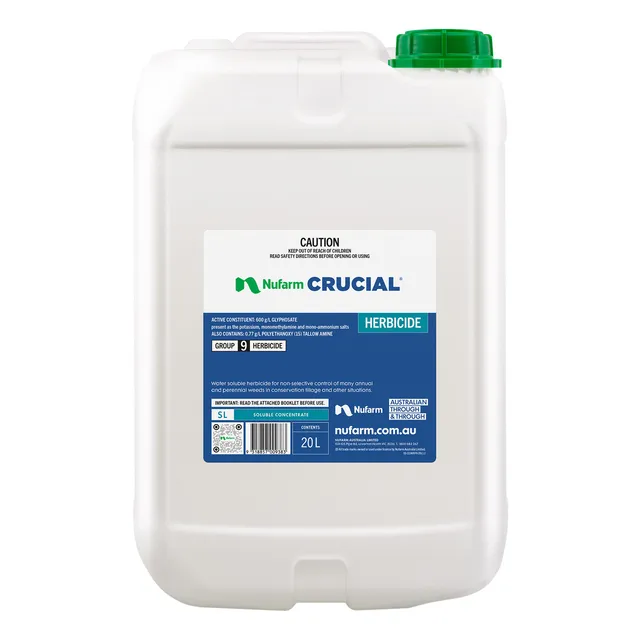
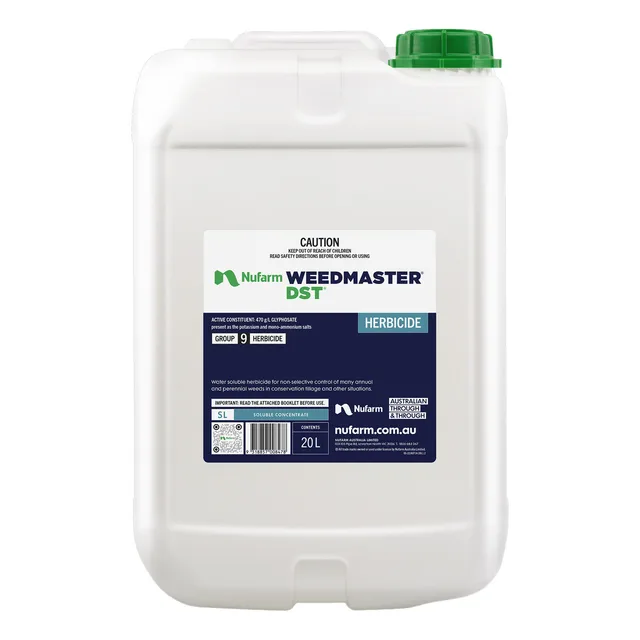
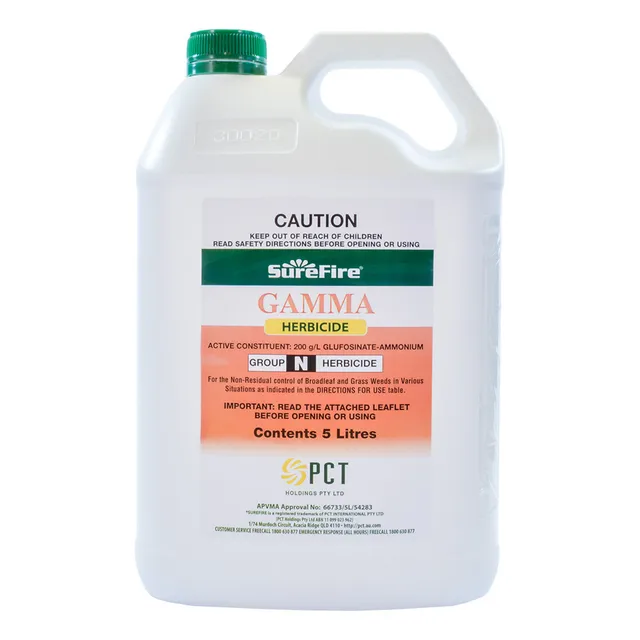
Registered products we stock
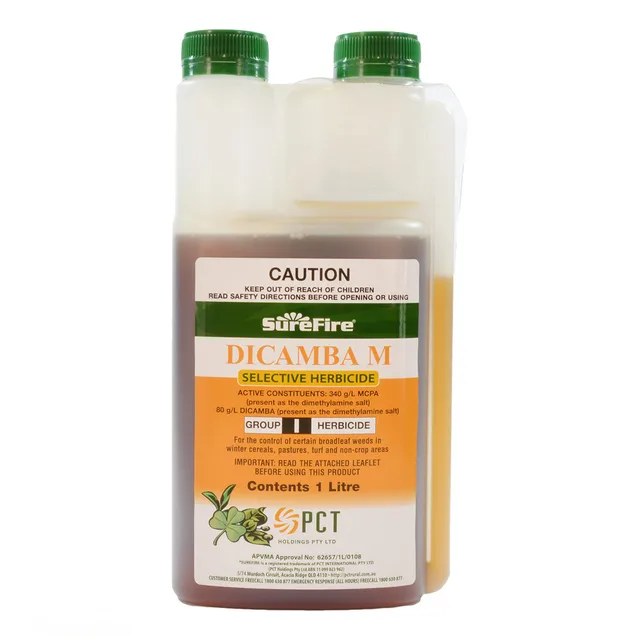
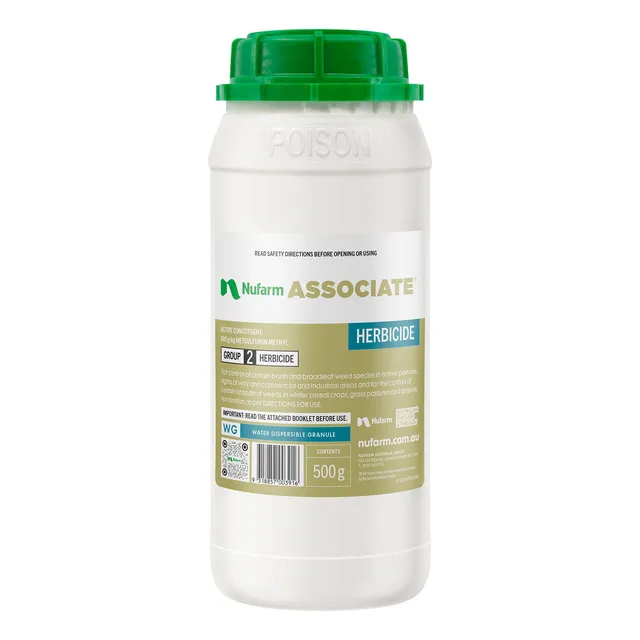

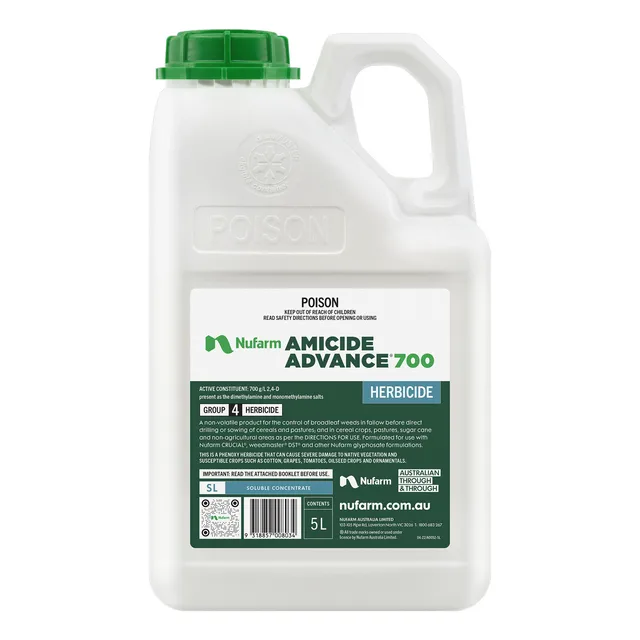
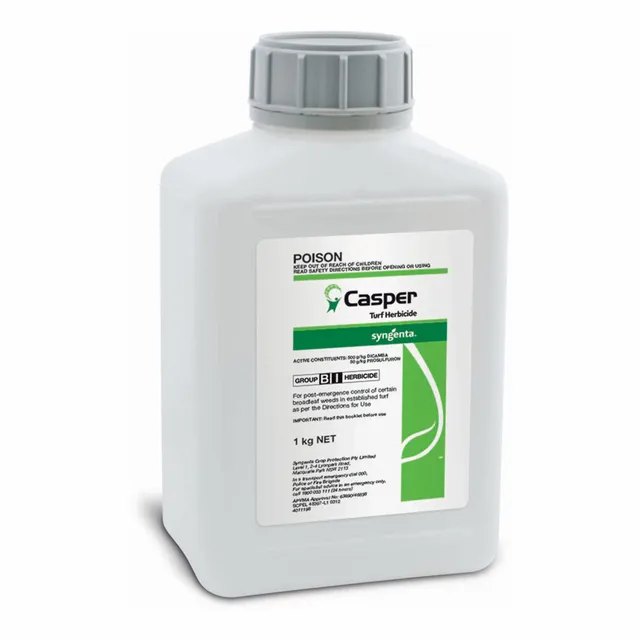
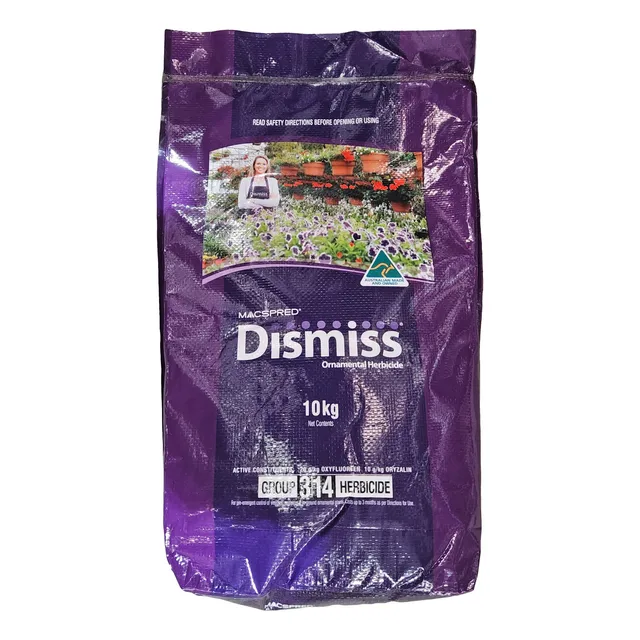


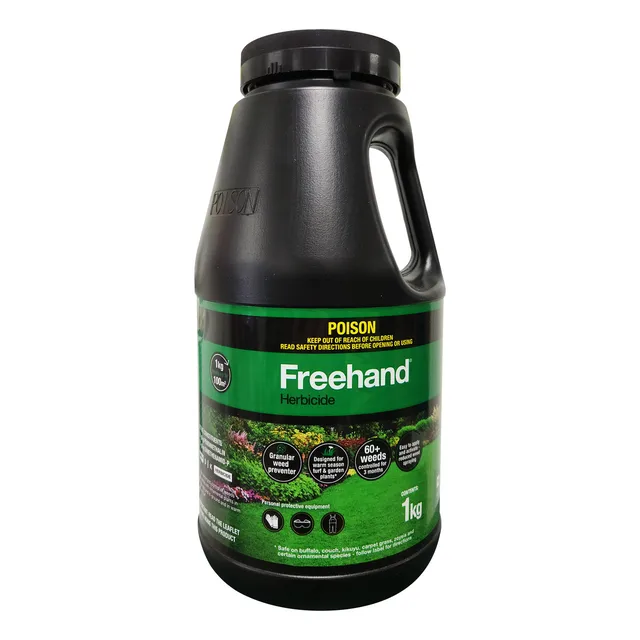
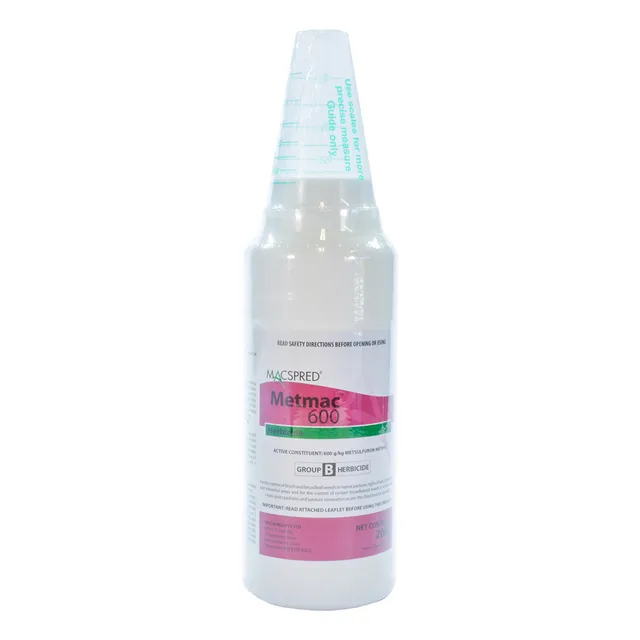


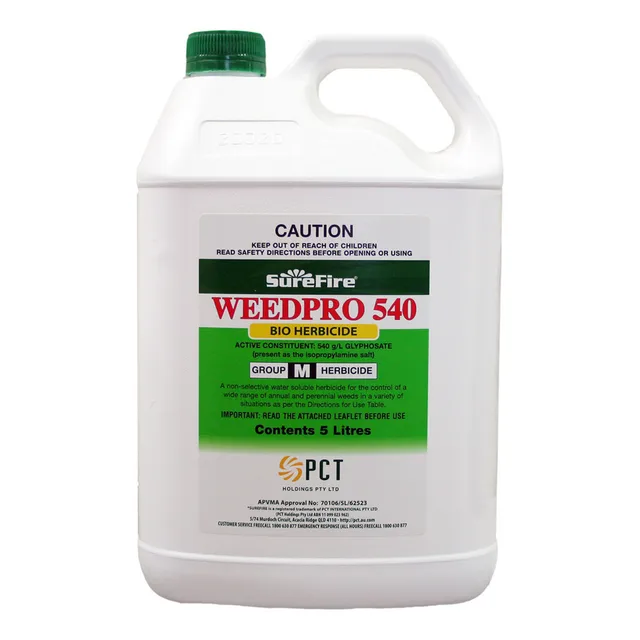

No products match those filters.