

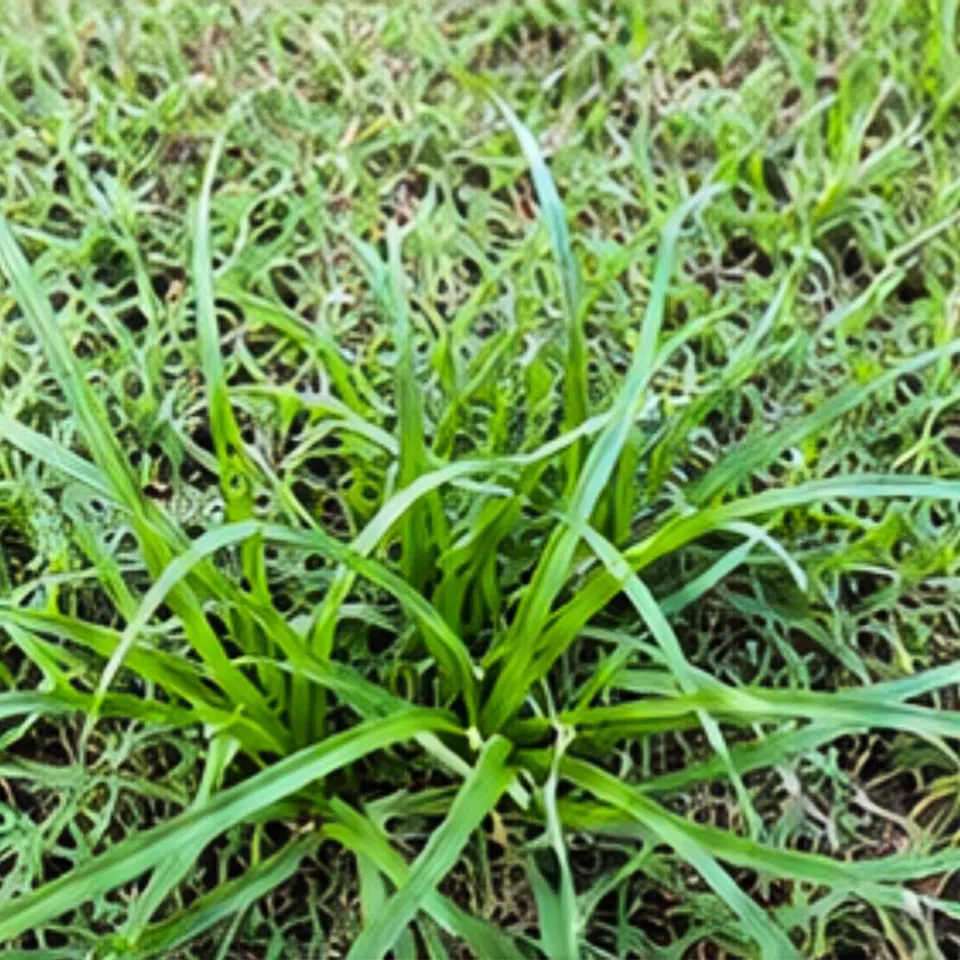
The short answer: nutgrass keeps beating you because it isn't a grass and it isn't a broadleaf weed — it's a sedge. That single fact is why your normal lawn weeder does nothing to it, why pulling it out makes it worse, and why it reappears every summer. Kill it properly with a halosulfuron-based herbicide like Sempra or Tempra, always add a wetting agent, spray it while it's actively growing, and plan for a follow-up. Then fix the wet, poorly drained soil that invited it in.
Here's the full story.
You've sprayed it. It came back. Here's why.
Nearly everyone deals with nutgrass the same way. You spot those lighter-green, faster-growing shoots poking above the lawn, hit them with the same weed spray that handles your bindii and clover, and wait. A fortnight later there are more of them, not fewer.
You didn't do it wrong. You used the wrong key for the lock.
Nutgrass (also called nutsedge) is a sedge — a completely different type of plant to the grasses and broadleaf weeds your standard lawn weeder is built for. Those selective sprays that clean up bindii, clover and oxalis simply have no effect on it. On top of that, nutgrass has a glossy, waxy leaf that sheds a lot of whatever you spray on it. So even the right product can fail if you skip one crucial step (more on that below).
Glyphosate-based sprays aren't the answer either. They'll turn nutgrass yellow and make it look like something happened, but they won't remove it, and they'll scorch a hole in your lawn while they're at it.
Why nutgrass is such a nightmare: it runs underground
Nutgrass doesn't rely on seed to spread. It runs underground on a network of creeping stems (rhizomes) studded with small tubers — the little "nuts" it's named for. Each of those tubers is a fresh nutgrass plant sitting in your soil, waiting to shoot.
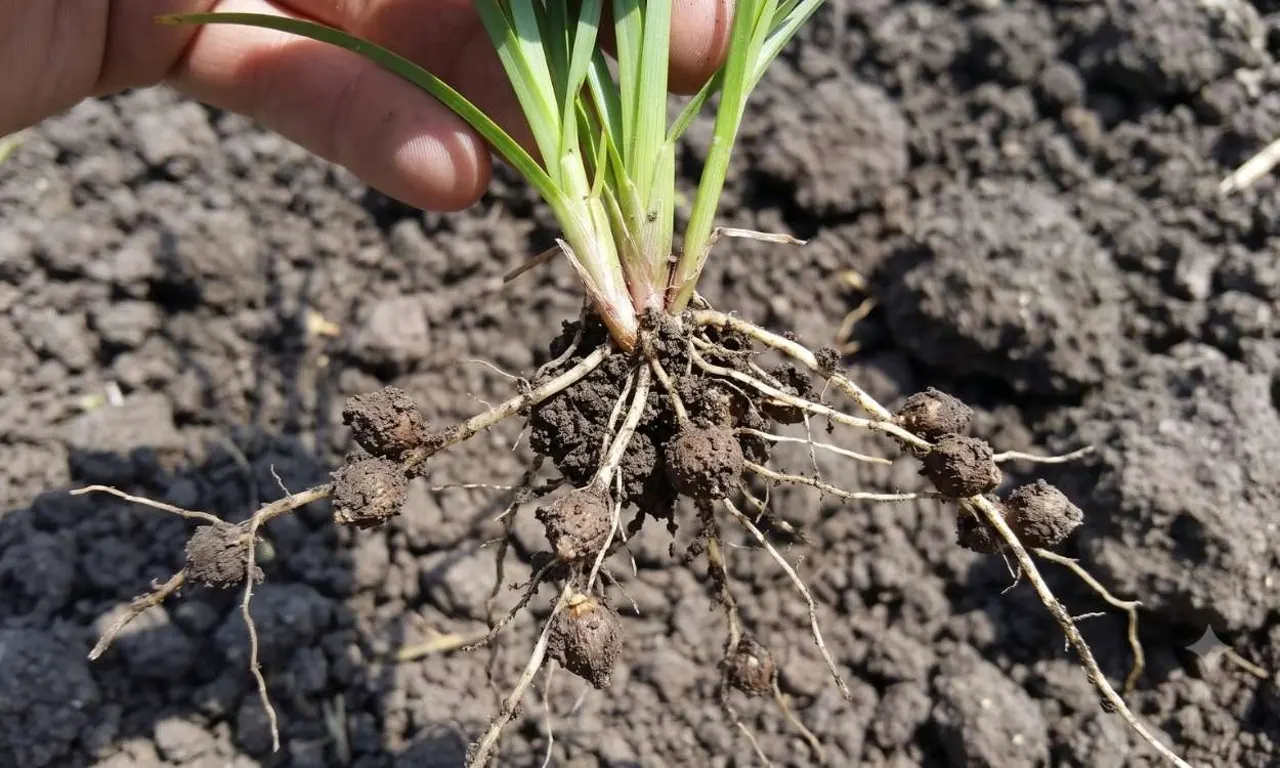
This is why the dig-it-out approach fails on anything bigger than a single seedling. Disturbing the soil scatters the tubers, and if you leave even one behind, you've left the infestation. Every time you cultivate, aerate, or move contaminated soil around, you help it spread. It's also why a patch you thought you'd beaten last season quietly returns the next.
Nutgrass is also telling you something about your lawn. It thrives in moist, poorly drained ground — in fact, research from the University of New England shows its tubers struggle to survive once they dry out, which is exactly why it clusters in the wettest, boggiest parts of a lawn. Where it's really taking hold, drainage is usually part of the problem — which means nutgrass is both a weed to spray and a symptom to address.
Step one: make sure it's actually nutgrass
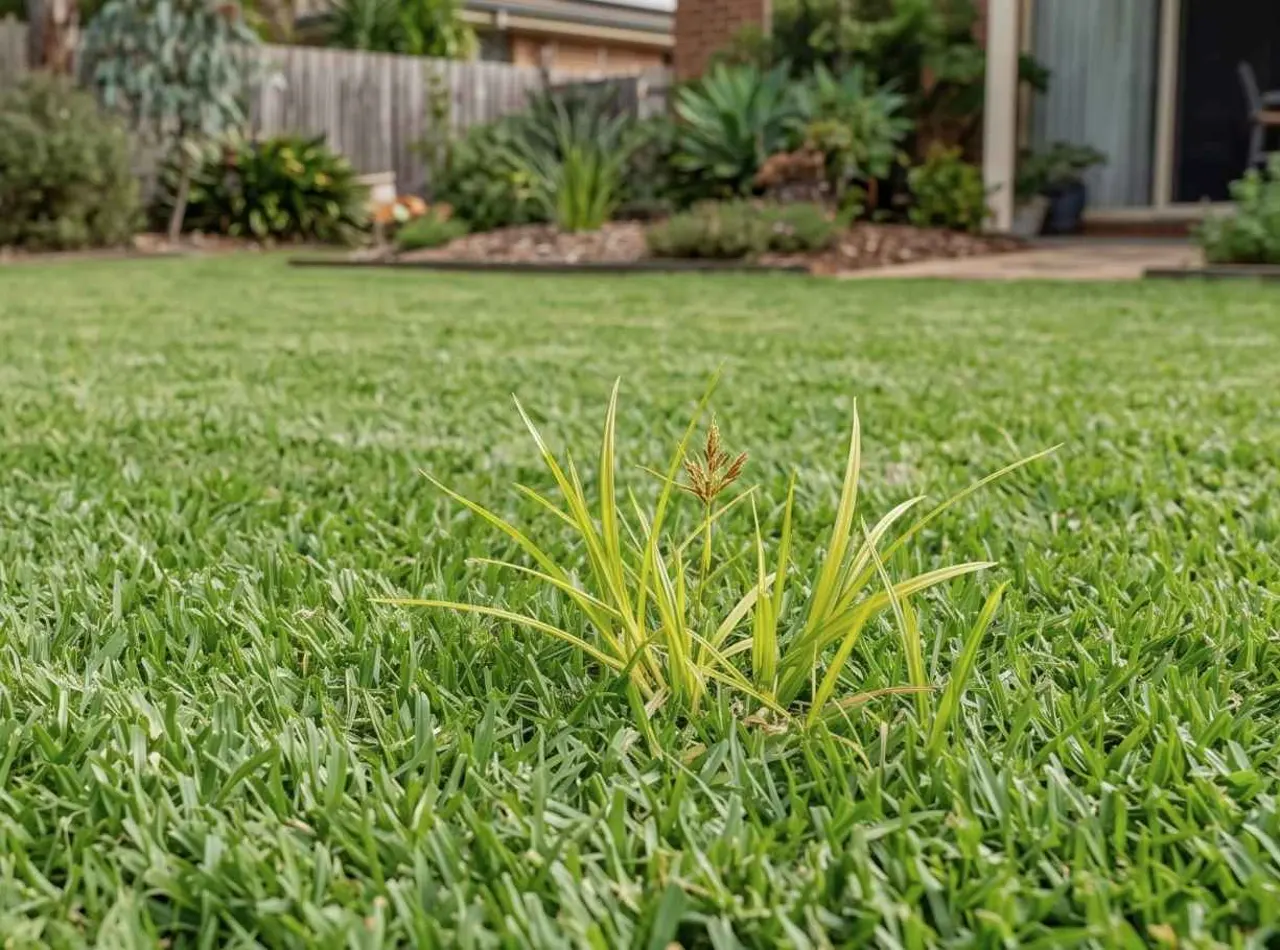
Before you buy anything, confirm what you're looking at. Nutgrass gives you three clear tells:
- A triangular stem. Roll the stem between your fingers. Sedges have a solid, three-sided stem — you can feel the edges. True grasses have round, hollow stems. This one test separates nutgrass from most of what grows in a lawn.
- Leaves in threes. Nutgrass leaves come off the base in sets of three. It also sits a shade lighter than your turf and grows faster, so in warm weather it'll stand tall again just days after you mow.
- Tubers on the roots. Gently lift a plant and you'll find the small, nut-like tubers on the underground stems. That's the engine of the whole problem — and the reason surface control alone never finishes the job.
One thing worth knowing: Mullumbimby couch is a close cousin (same sedge family) and is controlled by the same active ingredient, but it's a different plant. Want a second opinion on the ID? Brisbane City Council's weed identification tool has a clear photo profile of Cyperus rotundus. And if the weed you're chasing turns out not to be a sedge at all, our guide to common winter weeds in Australian lawns covers the broadleaf and grassy culprits instead. Still not sure? Run it through our free Weed Problem Solver — it'll confirm the weed and point you to the right product for your grass type.
What actually kills it: the right active ingredient
Nutgrass needs a sedge-specific selective herbicide. The active ingredient that does the work in home lawns is halosulfuron-methyl. Instead of just burning off the top, it moves through the plant to the growing points, which is what you need against something that lives underground.
At The Garden Superstore, the two halosulfuron options home gardeners reach for are:
- Sempra Herbicide — our go-to nutgrass killer, a water-dispersible granule that targets the weed at the roots.
- Tempra 750WG — an equivalent halosulfuron granule.
Both are registered for selective, post-emergent control of nutgrass and Mullumbimby couch across a range of warm-season lawns.
The one rule you can't skip: always add a wetting agent
Remember that glossy, waxy leaf that sheds spray? A wetting agent (a non-ionic surfactant) is what makes the active stick and penetrate instead of beading off. Skipping it is the single most common reason a correct product still gives a poor result.
Add a wetter such as Spredmax or Wetter 600 to your mix every time. It's a small addition that makes the difference between "yellowed a bit" and "gone."
Will it hurt my lawn? Check your grass type first
Halosulfuron is a selective herbicide, which means it's designed to control the sedge without harming most established warm-season lawns — couch, kikuyu, buffalo and zoysia among them. But turf tolerance varies by product and variety, and there are cases where you'll need to spot-spray rather than cover-spray.
Don't guess. Before you spray, check the label on the product page for your exact grass type. If you're unsure what lawn you have, our team can help — the label always wins over general advice.
How to apply it (home lawn method)
Right product, wrong technique, poor result. Get the execution right and nutgrass doesn't stand a chance.
As a guide for spot-spraying a home lawn (always follow your product's label):
- Mix around 1.3 g of Sempra or Tempra per 10 L of water.
- Apply roughly 10 L of mix per 100 m² using a knapsack or hand-gun sprayer.
- Add your non-ionic surfactant at 20 mL per 10 L of water.
Timing and conditions matter just as much as the mix:
- Spray it while it's actively growing and unstressed. Wait until new nutgrass leaf growth is over 5 cm (or about 2 cm for Mullumbimby couch). A plant that's growing hard takes the active up and carries it down to the tubers where you need it.
- Mind the weather. Don't spray if rain or irrigation is likely within about two hours, and don't spray after frost — both wash out your results. Drought-stressed plants also respond poorly.
- Leave it alone afterwards. Don't mow for at least two days after spraying, so the plant keeps moving the active through its system instead of losing treated leaf to the catcher.
- Be patient reading the result. Nutgrass yellows gradually, then dries off. You'll see first signs in about 7 to 10 days, with full effect over 4 to 6 weeks. Don't judge it at day three and re-spray too early.
Plan for a follow-up from day one
This is the part that separates a lasting fix from a frustrating repeat. One application will not empty the tuber bank in your soil. Some tubers sit dormant and shoot later, so expect a second flush.
The winning move is to treat nutgrass as a short program, not a one-off spray: hit the first flush, then treat new growth as it emerges. Build that into your plan from the start and you'll actually get on top of it instead of chasing it every summer.
Stop it coming back: the lawn care, not just the spray
Spraying deals with the nutgrass you can see. Managing your lawn is what stops the next lot. Because nutgrass loves wet, poorly drained ground, the durable fix pairs the herbicide with better conditions:
- Sort out drainage. Wet, boggy spots are nutgrass strongholds. Aerating and improving drainage removes the advantage it has over your grass.
- Grow a thick, healthy lawn. A dense, well-fed, correctly mown lawn is the best long-term weed suppressant there is. Competitive turf leaves nutgrass very little room to establish — our guide to keeping your lawn healthy through the Australian summer covers the watering, aeration and soil-wetter basics that build that density.
- Keep clean soil clean. Tubers hitch a ride in contaminated topsoil, turf and on equipment. Be careful what you bring into a clean lawn, and clean tools between infested and clean areas.
Nutgrass FAQ
Is nutgrass a grass?
No — that's the whole problem. It's a sedge, so grass and broadleaf lawn weeders don't touch it. You need a sedge-specific herbicide like halosulfuron.
Can I just pull it out?
Only if it's a single seedling. Pulling or digging established nutgrass snaps the underground stems and leaves tubers behind, and each tuber becomes a new plant. You usually end up with more.
Will glyphosate kill nutgrass?
It'll yellow it but won't remove it — and it'll kill your lawn wherever it lands. A selective halosulfuron product is the right tool.
Why didn't my spray work last time?
Three usual suspects: it wasn't a sedge-specific product, you skipped the wetting agent, or you sprayed stressed or too-small plants. Fix those three and results improve dramatically.
How long until it's gone?
First yellowing in 7 to 10 days, full effect over 4 to 6 weeks — and plan on a follow-up for the next flush of tubers.
Does the sugar or vinegar trick work?
Not reliably. Home remedies are inconsistent and vinegar can scorch your lawn. A registered selective herbicide, used properly, is far more effective and safer for your turf.
The short version
Nutgrass beats most home gardeners for one reason: it's a sedge, so ordinary lawn weeders can't touch it. Identify it by the triangular stem and the tubers, treat it with a halosulfuron product like Sempra or Tempra, always add a wetting agent, spray it while it's actively growing at the right rate, plan for a follow-up, and fix the drainage that let it thrive.
Do that, and the weed that makes everyone feel like a beginner becomes just another job you've ticked off.
Not sure which weed you've got, or which product suits your lawn? Work through our free Weed Problem Solver, or contact our friendly team — we're here to help you grow.
This guide is general information for home gardeners. Always read and follow the registered product label before use. Product registrations, rates and permitted turf types can change, so confirm the current label for your product and lawn — you can check a product's current registration on the APVMA website. Let's Grow!